Digital Evidence Storage for Recruitment Teams
Interview recordings carry sensitive candidate data. Here is how to store them securely, manage permissions, and meet compliance without losing speed.
Ployo Team
Ployo Editorial

TL;DR
- 70%+ of companies store candidate data without clear permissions (IAPP).
- Encryption remains the strongest protection for stored interview recordings (NIST).
- 60%+ of HR tools will rely on connected storage systems by 2025 (Gartner).
- Best practice: single trusted system, clear naming, permission control, retention policy.
- Ployo saves a full recording and searchable transcript automatically for every interview, with a complete activity and audit log.
Interview recordings carry a lot of sensitive data: voice, face, answers to job-relevant questions, sometimes personal background details candidates share without thinking about it. Stored badly, they create compliance exposure under GDPR, CCPA, and emerging regulations. Stored well, they support fair hiring decisions, multi-reviewer evaluation, and defensible documentation. This guide walks through what secure recruitment evidence storage actually looks like, why it matters more in 2026, and how modern platforms make compliance achievable without slowing down hiring.
Why Recruiters Need Secure Storage
Three structural reasons.
Sensitive personal data
Recordings include voice, face, and potentially personal information candidates share during interviews. This is personal data under GDPR, CCPA, and similar frameworks. Mishandling creates direct regulatory exposure.
Supports fair hiring decisions
Multiple reviewers should be able to check the same recording independently. This reduces single-reviewer bias and improves shortlist quality. Without organised storage, multi-reviewer evaluation breaks down.
Compliance with privacy regulations
IAPP privacy research shows 70%+ of companies store candidate data without clear permission structures, creating real legal risk. Properly secure storage closes this exposure.
The broader trend in GDPR-compliant video interview tools and bias in hiring algorithm regulation reflects the same compliance pressure.
What Proper Evidence Storage Looks Like
Six characteristics of secure recruitment storage.
1. Encryption at rest and in transit
NIST encryption guidance confirms strong encryption remains the most effective protection for stored digital evidence. AES-256 or equivalent for stored files; TLS 1.2+ for data in transit.
2. Logical folder structure
Recordings findable by role, date, candidate name, or stage. Without structure, files get lost; with structure, the right reviewer finds the right recording in seconds.
3. Permission control
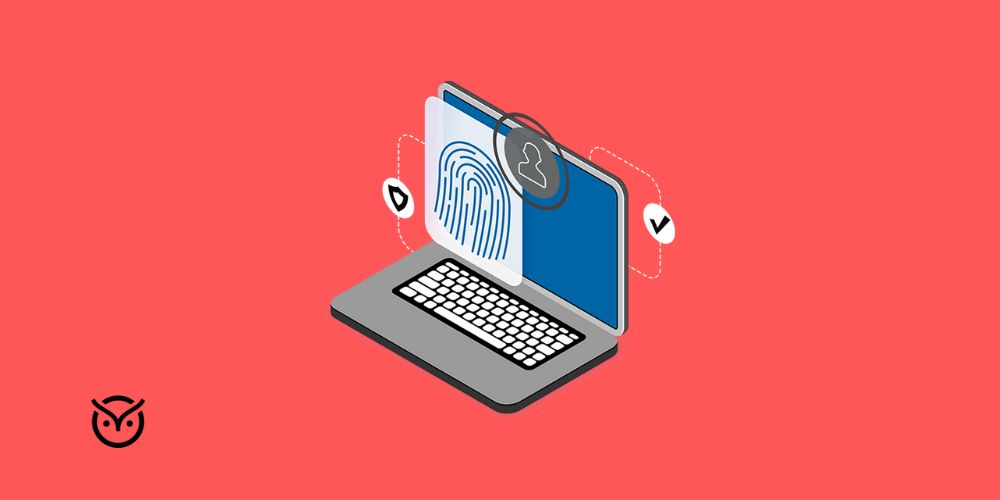
Role-based access: only people involved in the hiring step can open the file. Permissions reduce mistakes, protect candidate privacy, and limit insider risk exposure.
4. Audit logs
Track when files were accessed, viewed, downloaded, deleted, and by whom. Audit logs support compliance demonstration and forensic review when something goes wrong.
5. Retention and deletion policy
Recordings should not live forever. After the hiring cycle ends, files are deleted or anonymised per company policy. This both reduces storage cost and meets GDPR's data minimisation principle.
6. Backup and recovery
Multiple geographic copies, regular backup verification, documented recovery procedures. Hardware fails; backup discipline keeps the hiring data accessible.
How AI Interview Platforms Handle Storage
Ployo saves a full video recording and a searchable transcript automatically for every interview it runs, so there's no manual upload step and no recording sitting on a recruiter's laptop or in a chat thread. Every question a candidate answers carries its own Met, Partial, or Not Met verdict linked to the exact line of transcript that produced it, so a reviewer opens the recording to confirm a call, not to make it from scratch. Dashboard access is scoped per role, and every view, filter, or export shows up in a full activity and audit log, so a hiring team can point at exactly who touched a recording and when.
The broader market has moved the same direction. Platforms like HireVue, Spark Hire, and Willo increasingly build storage handling directly into the product rather than leaving it to whatever a recruiter's laptop or a shared drive happens to have.
The integration produces benefits:
- Recordings never live on personal devices
- Files auto-tag with role and candidate
- Retention policy applied consistently, once it's set
- Cross-platform sharing maintains permission inheritance
Gartner's HR tech research projects 60%+ of HR tools will rely on connected storage systems by 2025. The standalone "interview recording on a recruiter's laptop" pattern is rapidly disappearing.
The collaboration benefit is significant: assessment teams and hiring managers can review the same file from one secure location instead of sharing files via email or chat.
Best Practices for Managing Interview Evidence
Six practices that consistently distinguish well-managed evidence storage from chaos.
1. Single trusted system
One platform, not five. Multiple systems create gaps where data falls through, permissions become inconsistent, and audit trails fragment.
2. Clear file naming
Role + candidate name + date + stage. Consistent naming makes finding any specific recording trivial; inconsistent naming makes it painful.
3. Minimum-necessary permissions
Default to least privilege. Only people with active hiring involvement get access; access expires when their involvement ends.
4. Documented retention policy
How long do recordings stay? Who decides deletion? Document the policy and apply it consistently. Indefinite retention is a compliance time-bomb.
5. Audit log review
Periodic review of who's accessing what. Anomalous access patterns deserve attention before they become incidents.
6. Annual system review
Storage needs evolve with hiring volume. What worked at 50 hires/year may break at 500. Annual review catches the misfit before it produces a crisis.
Compliance Frameworks Worth Knowing
Three regulatory frameworks that shape recruitment evidence handling.
GDPR (EU)
Applies to any candidate data from EU residents. Requires lawful basis for processing, consent for sensitive data, data minimisation, retention limits, right to erasure, and breach notification within 72 hours.
CCPA / CPRA (California)
Applies to California residents. Similar to GDPR with some differences: broader scope of "personal information," explicit right to know what's collected, right to delete.
Emerging US state laws
Colorado, Connecticut, Virginia, Utah, and others have enacted or are enacting privacy laws that affect recruitment data handling. Multi-state employers face cumulative compliance burden.
The EU AI Act and emerging US AI hiring regulation add additional requirements specifically around AI-driven assessments.
The Bottom Line
Digital evidence storage for recruitment has moved from operational nice-to-have to compliance necessity. Modern platforms handle storage, permissions, and audit natively, making compliance achievable without slowing down hiring. The companies that get this right protect candidate trust, support defensible hiring decisions, and avoid the regulatory exposure that catches up to companies still operating on recruiter laptops and shared drives. The investment in proper storage infrastructure pays back across every hire, through faster reviewer collaboration, reduced compliance risk, and the structural fairness that comes from organised, accessible evidence.
FAQs
Why do companies store interview recordings?
To support multi-reviewer evaluation (reducing single-reviewer bias), to defend hiring decisions if challenged, to enable structured analysis of interview patterns, and to demonstrate compliance with fair hiring practices.
Can recruiters restrict who views recordings?
Yes. Modern platforms include granular permission controls: role-based access, time-bound permissions, view-only vs download access, and audit logging of all access.
Do candidates need to consent to recordings?
Yes, in most jurisdictions. GDPR requires explicit consent; many US state laws are similar. Modern platforms are built to collect and document that consent as part of the interview flow.
Is digital evidence storage actually secure?
When properly implemented, yes. Encryption at rest and in transit, role-based access, audit logging, and retention policies produce strong security. Without these, storage is technically present but practically vulnerable.
How long should we keep interview recordings?
Long enough to support the hiring decision and any reasonable post-decision review (typically 30-90 days post-hire), then delete or anonymise per data minimisation principles. Indefinite retention creates compliance exposure without proportionate benefit.
Want to see the recording, transcript, and audit log on a real interview? Book a Demo.