

Talent Management + Workforce Planning: The Retention Engine
How talent management and workforce planning combine to drive retention, forecast skill gaps, and prevent costly turnover before it starts.
Ployo Team
Ployo Editorial

TL;DR
- Engaged employees perform ~20% better and are 87% less likely to quit.
- Only 29% of employees feel their company supports their wellbeing (PwC).
- 30% of work hours may be automated by 2030 (McKinsey).
- Only 31% of organisations track new-hire performance (CIPD).
- Talent management + workforce planning = retention compounding.
Many organisations treat retention as a side project — hire, hope they stay, scramble when they leave. Without a clear view of your people pipeline and skill gaps, you lose more than you expect. This guide explains what talent management and workforce planning actually are, how they combine to drive retention, and the common mistakes that quietly erode results.
What Talent Management Is
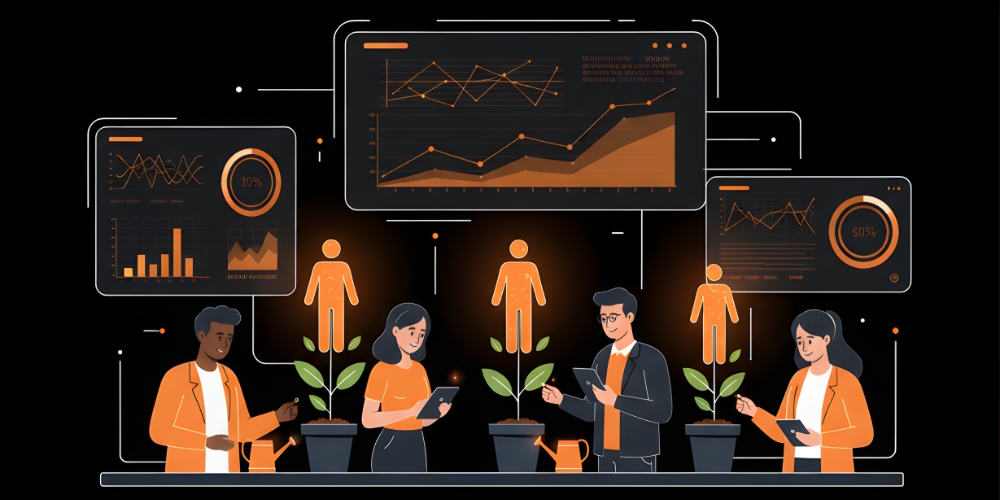
More than hiring. Clear paths, support, growth opportunities, recognition for value brought.
Why engagement matters
Per IJECM research, companies that excel in talent management report engaged employees performing ~20% better and being 87% less likely to quit. Per PwC's Hopes and Fears Survey, only 29% of employees feel their company truly supports their wellbeing — a major gap in current talent management practice.
What Workforce Planning Is
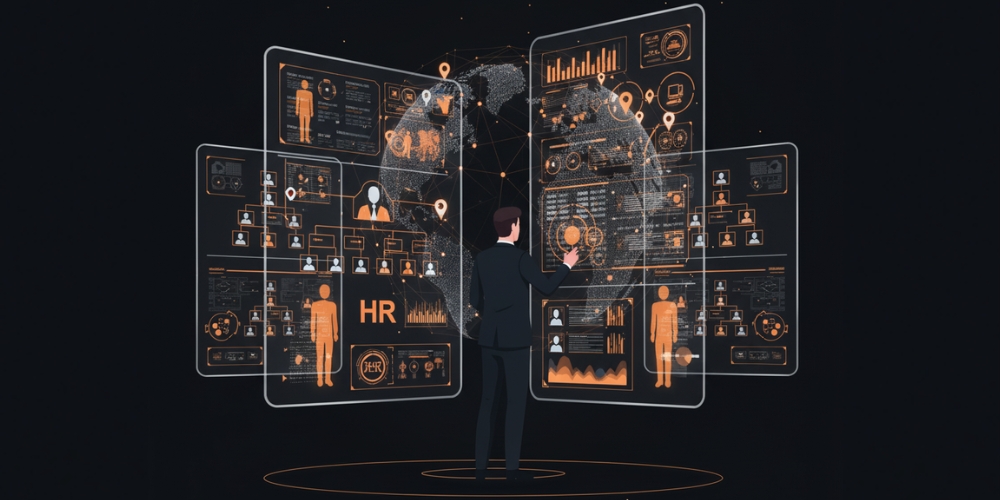
Ensuring the right people with the right skills are in the right roles at the right time. Forecasting future needs, assessing current supply, identifying gaps, building plans to fill them.
The forward view
Per McKinsey research, up to 30% of current work hours in some economies may be automated by 2030. Reactive hiring can't keep up.
Data-driven decisions
Workforce planning and analytics uses trend data and scenario modelling. Answers questions: will our pipeline support growth? Will turnover or retirement create holes we can't fill quickly?
How They Link to Retention
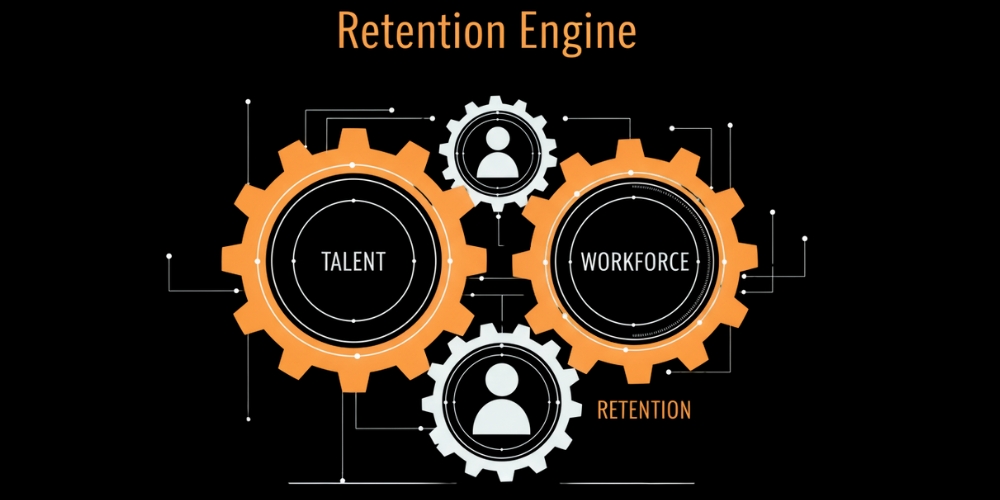
Five connection points.
Career roadmaps drive stays
Workforce planning forecasts gaps and builds pipelines. When employees see a path, they stay.
Talent management ensures growth
Beyond filling roles — actively growing and engaging people. Visible growth lifts retention.
Anticipation prevents crisis
Forecasting turnover means preparation, not surprise. Employees don't feel noticed only when they leave.
Analytics surface risks
Per CIPD's 2024 report, only 31% of organisations track new-hire performance and just 20% measure retention initiative effectiveness. Closing that gap dramatically improves intervention quality.
Breaking the panic cycle
"Lost someone → panic hire → they leave too" becomes "saw a risk → developed internally → retained the person."
Why These Strategies Drive Retention

When employees see a plan for them — not just a contract — loyalty rises.
Talent management ensures they're trained and recognised. Workforce planning ensures placement where skills create most impact. Together: purpose.
Workforce forecasting lets companies predict shortages and high-performer churn risk. HR can intervene early — upskilling, role rotation, job redesign — before disengagement compounds.
Common Mistakes
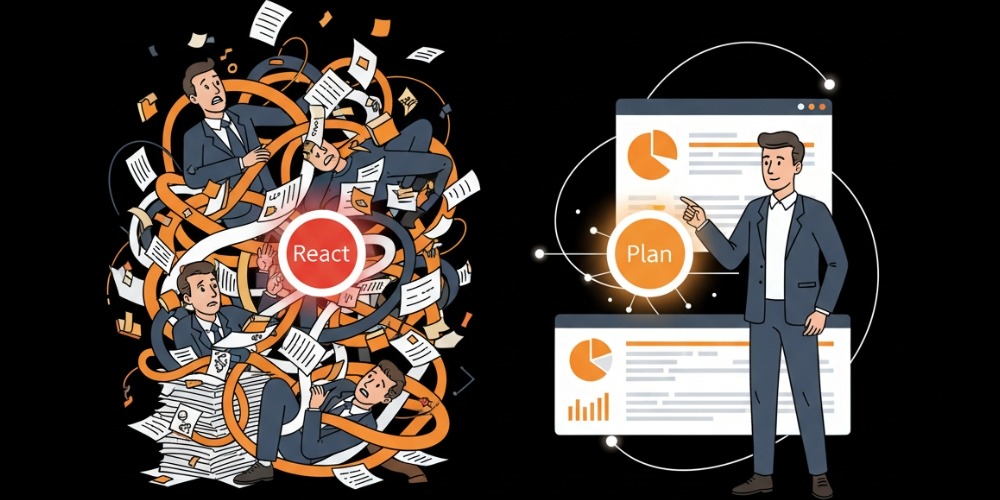
Four traps that quietly damage retention.
Confusing workforce management with workforce planning
Day-to-day operational tasks (attendance, scheduling, payroll) ≠ strategic future-needs planning. Blurring the two produces reactive hiring.
Treating talent management as one-time
Excitement at hire fades when nobody checks in at six months. Set-and-forget signals growth has an expiration date.
Ignoring data
Without key workforce planning metrics — internal mobility, skill gap index, critical role vacancy duration — HR flies blind.
Hidden development plans
When employees can't see what's next, they look outside. Transparency builds trust; secrecy builds LinkedIn activity.
How to Align the Two
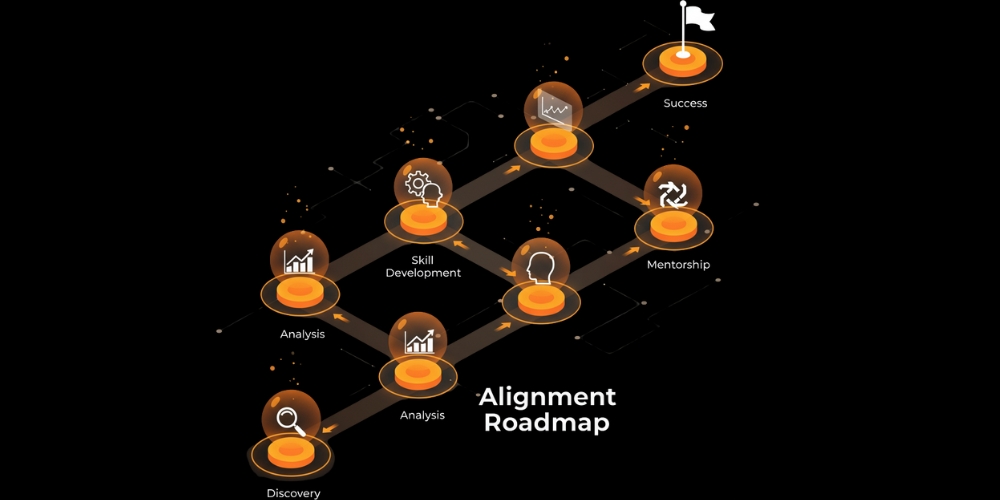
Six steps, no massive system overhaul required.
1. Define future business goals
Where is the organisation heading in 12–24 months? Without that, all planning is guesswork.
2. Audit your current workforce
Use workforce planning tools to map who you have, capabilities, and skill gaps.
3. Identify gaps and risks
Skill shortages, succession gaps, upcoming retirements. Short-term + long-term view.
4. Build talent pipelines
Learning paths aligned with skill gaps. Reskilling and mentorship before external hiring.
5. Integrate with business forecasting
Hiring + development budgets tied to projected demand, not historical turnover.
6. Measure and adjust
Retention rates, internal promotion percentages, engagement surveys. Iterate quarterly.
The Bottom Line
Retention isn't about keeping everyone forever — it's keeping the right people long enough to make a difference. When talent management and workforce planning operate together, employees feel part of a journey rather than just a job. Companies that forecast, develop, and measure consistently outlast those that wait for problems to appear. Make retention a planned outcome, not a guessing game.
FAQs
What's the difference between talent management and workforce planning?
Talent management focuses on attracting, developing, retaining people. Workforce planning addresses organisational structure and future skill needs. One builds people; the other builds readiness.
How do these strategies improve retention?
Clear growth paths plus trust. When people see a path and feel investment, they stay.
Why is data important in retention?
It surfaces risks before they become exits. Analytics highlights turnover patterns, skill gaps, and intervention opportunities.
Where should small companies start?
Define future business goals, audit current skills, and identify the top three gaps. Even informal versions of these steps materially improve retention decisions.
What's the highest-leverage metric to start tracking?
Internal mobility rate. Reveals whether you're actually building careers or just filling chairs — and predicts retention better than almost any other single signal.
Keep reading

Workforce Segmentation Strategies That Deliver Results

Choosing a Workforce Planning Model: Five Approaches Compared
