

Choosing a Workforce Planning Model: Five Approaches Compared
Pick the right workforce planning model — operational, strategic, scenario, skills-based, or AI-assisted — based on workload, growth pace, and data readiness.
Ployo Team
Ployo Editorial
TL;DR
- Five mainstream workforce planning models — pick based on workload predictability and growth pace.
- 43% of organizations now use AI in HR (SHRM Talent Trends 2025), up from 26% in 2024.
- Operational and skills-based models suit stable workloads; strategic and scenario-based suit growth or volatility.
- AI-assisted planning reads patterns across turnover, hiring speed, and skill data that humans miss.
- The best model is the one you'll actually use consistently, not the most sophisticated one.
Most workforce planning failures are model mismatches — companies pick a sophisticated framework, can't sustain it, and revert to reactive hiring. The teams that get planning right pick the model that fits their workload pattern and data maturity, then add AI for the parts humans handle badly. This guide compares the five mainstream models, when each fits, and how AI is reshaping all of them.
What a Workforce Planning Model Actually Does
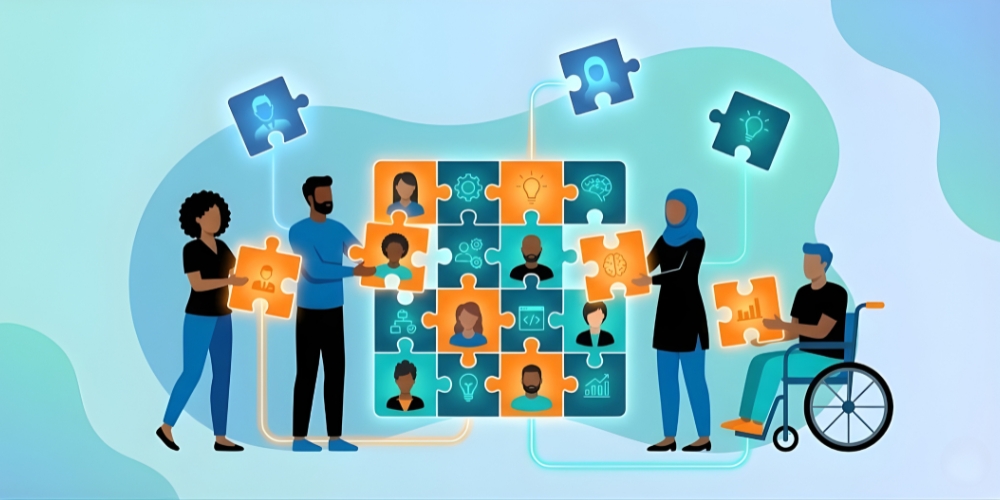
A workforce planning model is a structured way to answer two questions: who do we have today, and who will we need tomorrow? It connects skills, roles, and headcount decisions to business outcomes so hiring, training, and budgeting can run on signal rather than gut feel.
The model sits inside a broader workforce planning framework that HR uses to surface skill shifts, growth needs, and capacity risks as the business evolves.
Why Model Choice Matters
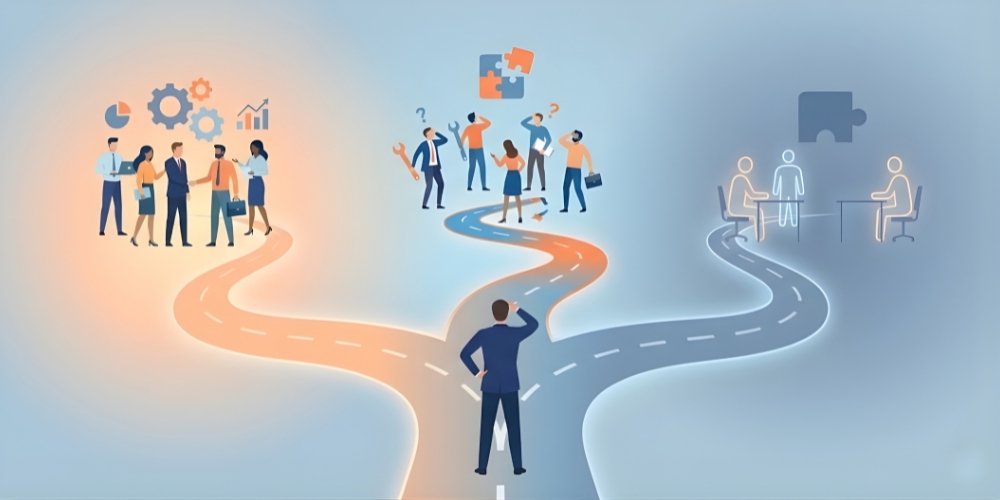
The wrong model produces reactive hiring, stretched teams, and surprise costs. The right model produces calm, paced hiring with clear links between roles and goals.
| With the right model | With the wrong model |
|---|---|
| Steady hiring throughout the year | Frequent fire drills to fill roles |
| Balanced team composition | Skill gaps slowing projects |
| Roles tied to business goals | Unplanned hiring + overtime costs |
| Decisions made from data | Leaders guessing under pressure |
Match is what drives outcomes — not framework sophistication.
The Five Mainstream Models
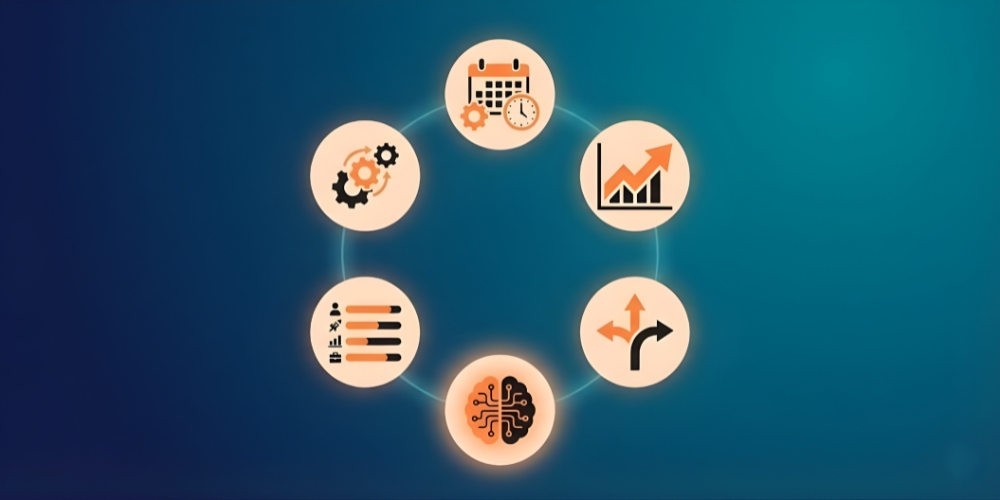
1. Operational workforce planning
Focused on daily staffing needs. Forecasts the people required for steady tasks; common in retail, customer support, and operations-heavy teams where skill requirements change slowly.
Best for: stable workloads, predictable demand, frontline-heavy structures.
2. Strategic workforce planning
Long-horizon: 1–3 year skill needs, growth targets, future roles. Connects hiring to leadership pipelines, new teams, and emerging capabilities.
Best for: fast-growing companies, businesses entering new markets, leadership pipeline planning.
This model helps clarify the difference between workforce planning (where you're going) and talent management (how you grow the people you have).
3. Scenario-based workforce planning
Multiple futures planned in parallel — what happens if growth accelerates, slows, or pivots. When a market expands, the plan might add operations headcount. When growth eases, focus may shift to internal skill development.
Pairs naturally with workforce planning and analytics, where teams stress-test multiple outcomes before committing.
Best for: volatile industries, businesses with strong external dependencies, scaling startups.
4. Skills-based workforce planning
Plans around skills rather than job titles. Suits companies where roles change quickly or hybrid roles dominate.
Identifies critical skills that must be built or hired in the next cycle and links to modern workforce development models that grow capability over time.
Best for: tech-forward companies, organisations with frequent role redesigns, capability-led teams.
5. AI-assisted workforce planning
Uses ML to read patterns across turnover, hiring speed, performance, and skills data. Predicts where shortages will appear, who's at risk of leaving, and where training investments will produce the biggest returns.
Per SHRM's 2025 Talent Trends report, 43% of organizations now use AI in HR, up from 26% in 2024 — the fastest-growing planning approach.
Best for: data-mature HR teams, large workforces, companies wanting faster reaction to signals.
How to Pick the Right Model
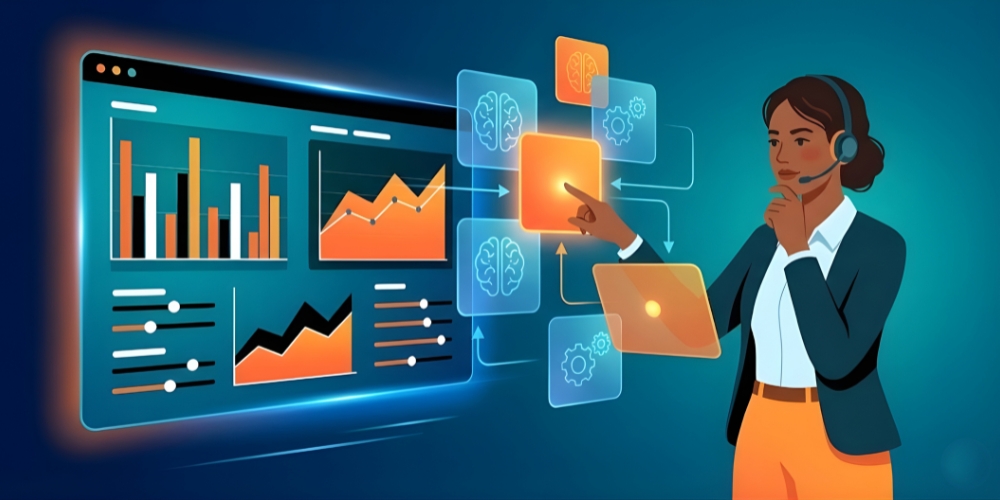
Four diagnostic questions.
1. How predictable is your workload?
Stable → operational model fits. Volatile → scenario-based or AI-assisted.
2. What's your planning horizon?
Next 3 months → operational. Next 1–3 years → strategic. Multi-year with uncertainty → scenario-based.
3. How fast are roles changing?
Stable role definitions → operational or strategic. Roles morphing constantly → skills-based.
4. How mature is your HR data?
Light reporting → start with operational or strategic. Robust dashboards + clean data → AI-assisted unlocks meaningful additional value.
Decision matrix
| Situation | Model |
|---|---|
| Stable workforce, daily operations focus | Operational |
| Fast growth, multi-year horizon | Strategic |
| Volatile market, multiple plausible futures | Scenario-based |
| Roles changing fast, capability-led org | Skills-based |
| Mature data, large workforce, want faster signal | AI-assisted |
Effective strategic workforce planning often combines two — for example, strategic for direction-setting and skills-based for capability planning underneath.
How AI Is Reshaping All Five Models
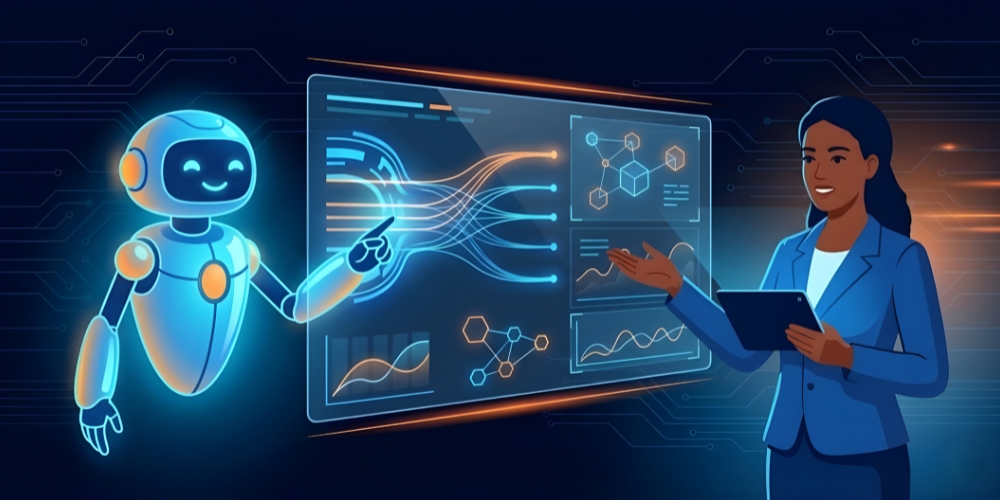
AI doesn't replace the model choice — it augments whichever you pick.
Turnover prediction
AI reads exit rates, engagement scores, and workload pressure to flag roles at risk weeks before resignation conversations happen.
Hiring pipeline diagnostics
Applicant flow dips, screening speed drops, and conversion declines all show up faster in AI dashboards than in monthly reviews.
Skill gap forecasting
Comparing current skills against next-year demand surfaces shortages early enough to either hire or train ahead of the gap.
Continuous reporting
AI keeps workforce data current rather than relying on quarterly refresh cycles, so plans stay aligned with reality.
AI fits cleanly with talent management and workforce planning by showing which roles will face shortages and whether to hire, train, or reassign.
The Bottom Line
Workforce planning isn't about adopting the most sophisticated framework — it's about picking the model your team will actually use, fed by data you actually have, producing decisions you actually act on. Operational for stable contexts, strategic for growth, scenario-based for volatility, skills-based for capability-led orgs, AI-assisted when data maturity supports it. Start with the model that matches today's reality; layer in AI as the data foundations strengthen. The compound effect of consistent planning beats the optics of an unused framework every time.
FAQs
How do I know which model fits my company?
Run the four diagnostic questions: workload predictability, planning horizon, role change pace, and data maturity. Match the answers to the model table. Most companies land on operational, strategic, or a hybrid of the two.
Can AI improve workforce planning accuracy?
Yes. AI surfaces patterns across turnover, hiring speed, and skill data that humans miss — particularly at scale. It strengthens any model you pick rather than replacing model choice itself.
What are the main types of workforce planning models?
Five mainstream approaches: operational (daily staffing), strategic (long-term skill and growth), scenario-based (multiple futures), skills-based (capability over titles), and AI-assisted (ML-driven). Each suits a different workload pattern and data maturity level.
Can I combine multiple models?
Yes — most mature HR functions do. Strategic + skills-based is the most common combination: strategic sets the direction, skills-based handles capability execution underneath. AI overlays both.
What's the highest-leverage starting move?
Pick the simplest model your situation supports and run it consistently for two quarters before scaling complexity. Most failures come from over-engineering the framework, not under-engineering it.
Keep reading

Operational Workforce Planning Metrics That Actually Matter

How Workforce Planning + Analytics Improve Recruitment Accuracy
