

Workforce Forecasting: Essential for Business Growth
Workforce forecasting explained — why it matters, how it benefits both employers and employees, and best practices for accurate projections.
Ployo Team
Ployo Editorial
TL;DR
- US unemployment ~4.2–4.3% in 2025 with falling job openings (Reuters).
- 39% of current skill sets will change or become outdated by 2030 (WEF).
- Forecasting prevents overstaffing + understaffing simultaneously.
- Benefits both employers (cost, hiring quality) and employees (stability, growth).
- Best practices: data-driven models, scenarios, technology, cross-team alignment.
Hiring on today's headcount alone produces overstaffing in slow months and shortage in busy ones. Profits hit; customers frustrate; employees burn out. Workforce forecasting fixes this by looking ahead. This guide explains what it is, why it matters, the benefits, and the practices that consistently produce accurate projections.
What Workforce Forecasting Is

Looking ahead to determine how many people, what skills, and which roles a company will need in the future. Uses past data, current trends, and expected changes.
Core elements
- Historical headcount, turnover, seasonality, productivity
- Market trends (tech demand, regulation changes)
- Future role estimation
- Forecasting software for scenario modelling
Overlaps with workforce management scheduling but extends beyond day-to-day staffing into long-term skill and labour projections.
Why It's Essential for Growth

Five business-critical reasons.
Avoid costly staffing mistakes
Overstaffing = idle wages. Understaffing = burnout and lost sales. Per Reuters labour data, US unemployment hovers at 4.2–4.3% with falling job openings — many openings remain unfilled.
Stay competitive in skill-sensitive markets
Per the WEF Future of Jobs 2025, 39% of current skill sets will change or become outdated by 2030. Forecasting reveals AI, security, and digital capability gaps in time to train or hire.
Improve decision-making and growth strategy
3–5 year forecasts align headcount with strategic plans. Budgeting, market entry, product launches, and scaling all benefit.
Build workforce flexibility and resilience
External shocks (economic, supply chain, regulation) become absorbable with buffer capacity, cross-training, and flexible deployment.
Support employee experience
Predictable staffing means balanced workloads, stable schedules, clearer career paths. Improves retention and engagement.
Benefits for Recruiters and Employers
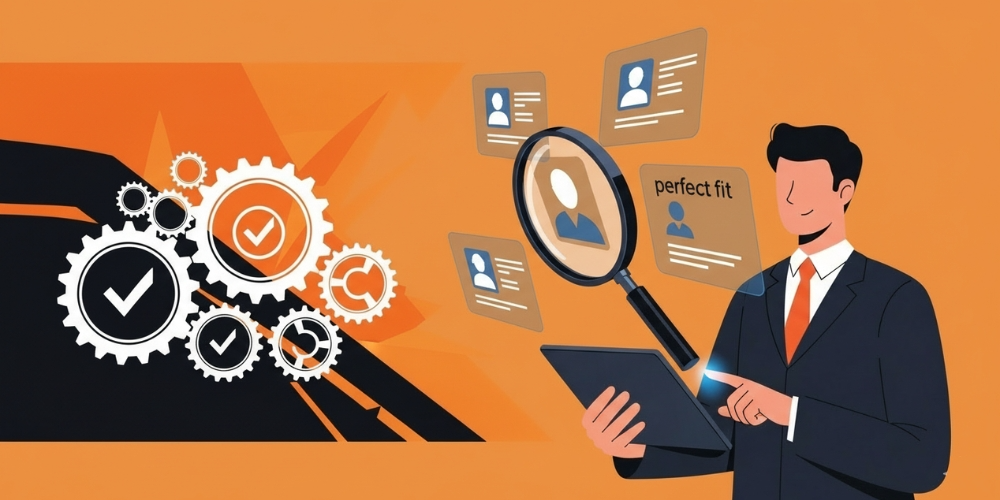
Four concrete benefits.
Reduced recruitment gaps
Forecasting anticipates vacancies and builds pipelines before quits, not after.
Better budgeting and resource allocation
Plan recruitment campaigns and training programs within budget; avoid emergency overtime costs.
Stronger hiring quality
Recruiters focus on tomorrow's required skills, not just today's urgency. Long-term fit; lower turnover.
Tech-driven efficiency
AI-powered forecasting software pairs with AI hiring trends to automate projections and align with business goals.
Benefits for Employees

Four employee-side gains.
Balanced workloads
Fair task distribution boosts morale.
Career development
Targeted training prepares employees for emerging roles like machine learning engineer paths.
Greater job security
Proactive forecasting helps companies adapt before challenges become layoffs.
Transparent growth paths
Clearer promotion and reskilling routes. Useful for programs building sustainable Emirati workforce goals.
Best Practices
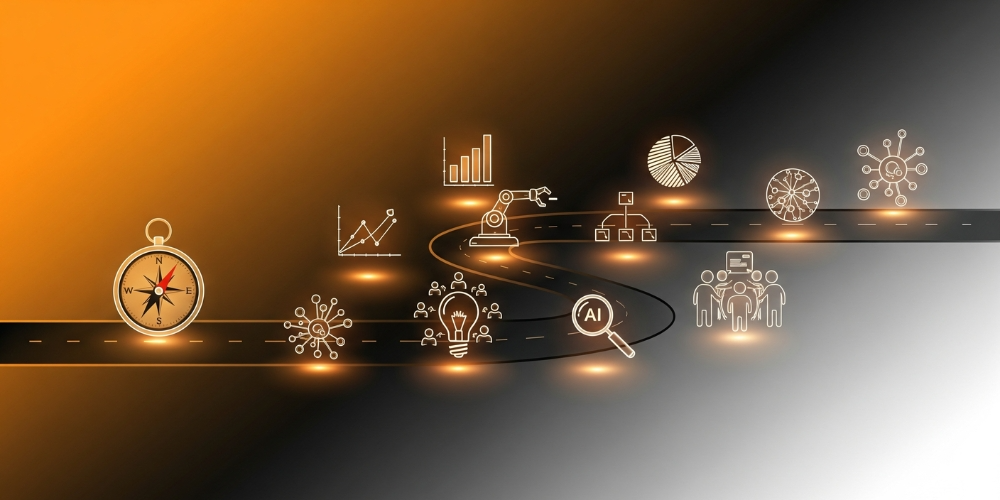
Five practices that consistently work.
Use data-driven models
Modern analytics interpret turnover, seasonality, productivity patterns. Reduces guesswork.
Integrate scenario planning
Multiple scenarios for market shifts or supply chain issues keep plans flexible.
Leverage technology
HR systems with forecasting modules visualise "what if" scenarios in minutes.
Collaborate across departments
Finance, operations, leadership must align on goals. Forecasting belongs in the business plan, not just HR.
Update regularly
Markets shift quickly. Models updated monthly or quarterly reflect current realities.
The Bottom Line
Workforce forecasting has become a necessity. It enables seeing what's coming, managing resources wisely, and building workplaces where both recruiters and employees thrive. Done well, growth becomes planned outcome rather than reaction. Start with basic data, adopt modern tools, keep forecasts updated. Growth follows planning; planning starts with seeing the future of your workforce clearly.
FAQs
How does workforce forecasting help business growth?
Aligns staffing with demand. Predicts future labour needs so companies avoid costly overstaffing or understaffing and expand smoothly.
Is forecasting different from workforce planning?
Forecasting predicts staffing needs using data and trends. Planning uses those forecasts to design strategies and actions for meeting them.
What tools are used?
HR analytics platforms, ERP systems, dedicated forecasting software. Features include scenario planning, headcount tracking, predictive modelling.
How often should I update forecasts?
Quarterly at minimum; monthly for fast-moving sectors. Stale forecasts produce worse decisions than no forecast at all.
What's the highest-leverage starting move?
Pull 2 years of headcount, turnover, and productivity data into one view. Patterns become obvious immediately and reveal where forecasting will pay back first.
Keep reading

Choosing a Workforce Planning Model: Five Approaches Compared

Operational Workforce Planning Metrics That Actually Matter
