

How Workforce Planning + Analytics Improve Recruitment Accuracy
Workforce planning + analytics cut hiring mistakes — how they work, the benefits for both sides, and best practices for accurate, fair hiring.
Ployo Team
Ployo Editorial

TL;DR
- Workforce analytics improves HR operations 30% and cuts recruitment costs up to 20% (JobsPikr).
- Bad hires cost 30–50% of first-year salary.
- Predictive analytics surfaces success patterns before they become urgent.
- Benefits employers (cost, quality) and employees (fit, growth).
- Best practices: clear process, right tools, internal + external data, human judgment.
Hiring without planning is hiring on guesswork — and the cost is real. Workforce planning + analytics replace gut feel with structured evidence. This guide explains the roles each plays, why they matter, the concrete benefits, and the practices that turn theory into hires.
How Analytics Improves Recruitment
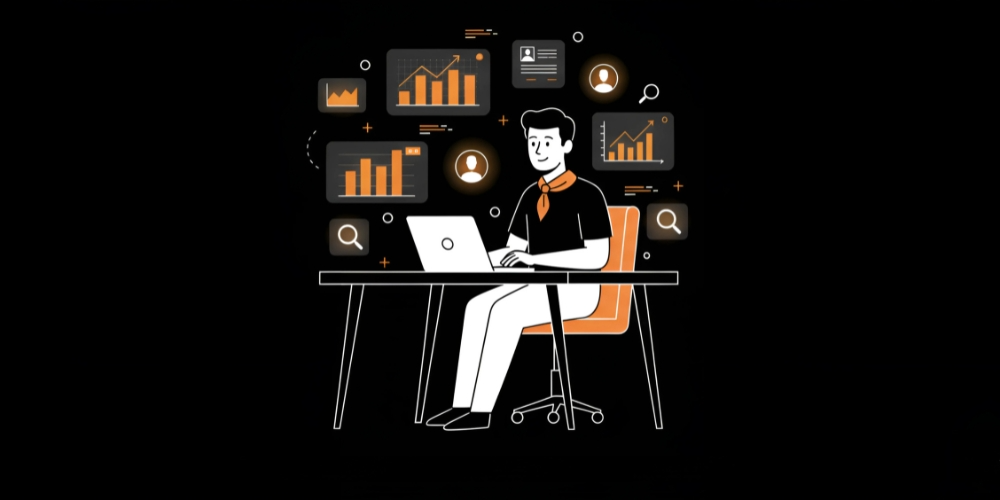
Per JobsPikr, firms using workforce data analytics improve HR operations 30% and cut recruitment costs up to 20%.
Four analytics types
- Descriptive: what happened
- Diagnostic: why it happened
- Predictive: what might happen
- Prescriptive: what to do
Analytics tools surface time-to-hire, quality-of-hire, turnover risk, candidate fit metrics. Predictive monitoring forecasts who might leave or which roles will be needed.
Why Recruitment Accuracy Matters
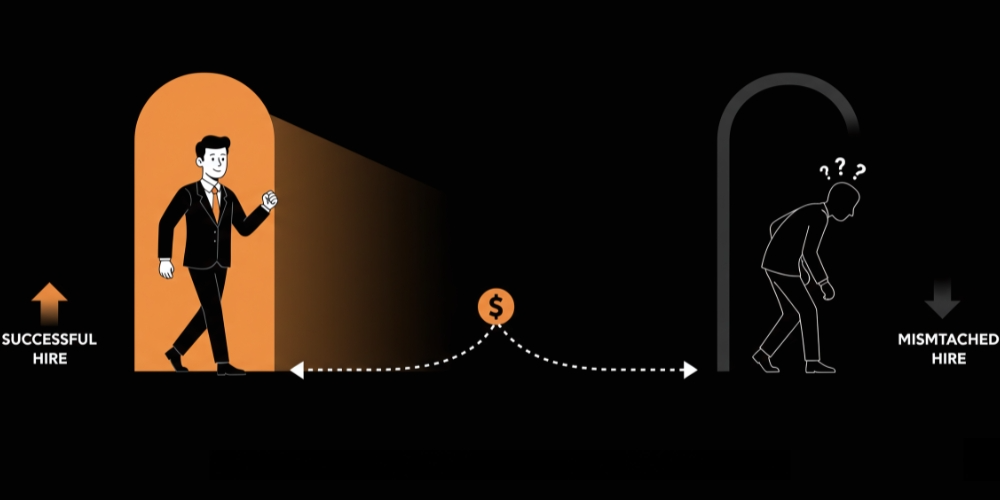
Four costs of getting it wrong.
- Wrong hires cost 30–50% of first-year salary (time, training, productivity)
- Poor-fit employees leave early; turnover destabilises teams
- Ripple effects: extra work for others, morale drops, brand suffers
- Candidate side: mismatches lead to dissatisfaction or early exit
Better accuracy = fewer mistakes, lower cost-per-hire, faster fills, stronger long-term performance.
How Workforce Planning Improves Accuracy
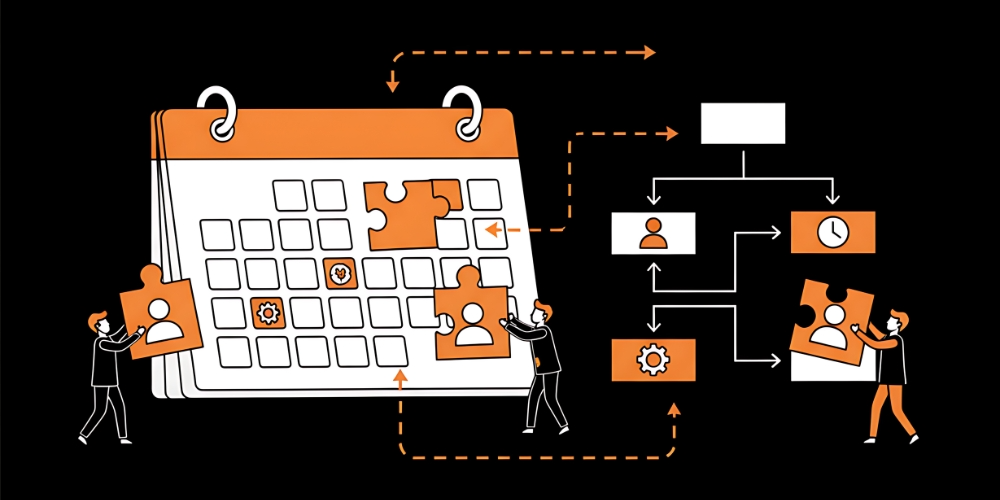
Five contributions.
Forecasting supply and demand
Current staffing + departures + new product needs → forecast headcount and skills before the moment of need.
Identifying skill gaps early
Maps current capability vs future need; choose training or proactive hiring before mismatch happens.
Improving role definition + hiring timing
Forces clear role definitions and deliberate hiring timing. Reassign or delay rather than panic-post.
Aligning budget with strategy
Cost implications of hires, salary ranges, training visible up front. Avoids over-hiring and under-budgeting.
Scenario + contingency planning
"What if turnover spikes 20%?" or "What if a competitor recruits our talent?" Pre-built buffers and alternatives.
How Analytics Improves Accuracy
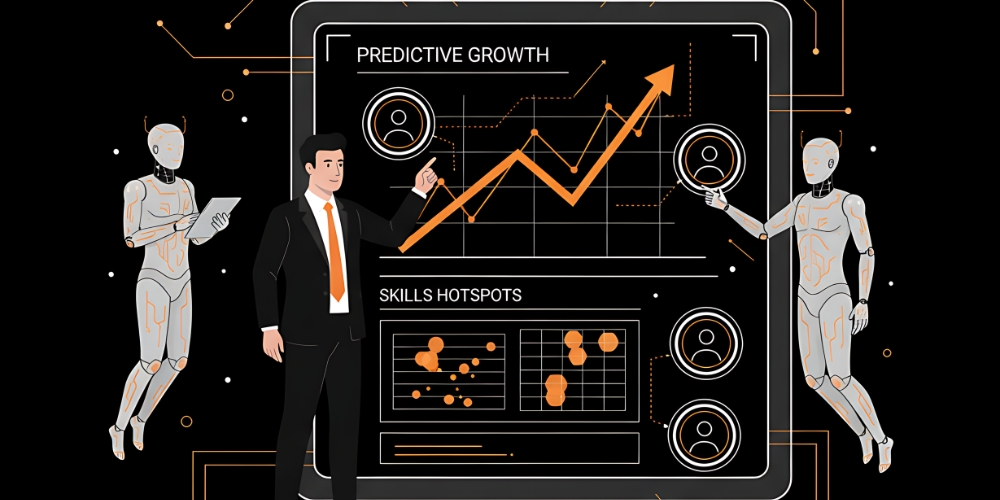
Four high-impact uses.
Predictive insights
Past performance data forecasts success likelihood. Workforce models link skills, roles, and outcomes to reduce mismatches.
Better sourcing decisions
Which platforms produce highest-performing candidates? Less wasted ad spend; cleaner funnel. Core of data-driven recruitment.
Faster screening with context
Analytics surface patterns in resumes, tests, assessments. Side-by-side comparisons replace guessing.
Candidate experience monitoring
Engagement and feedback tracking helps improve experience. Pairs with AI hiring trends for richer signal.
Benefits for Recruiters + Employers
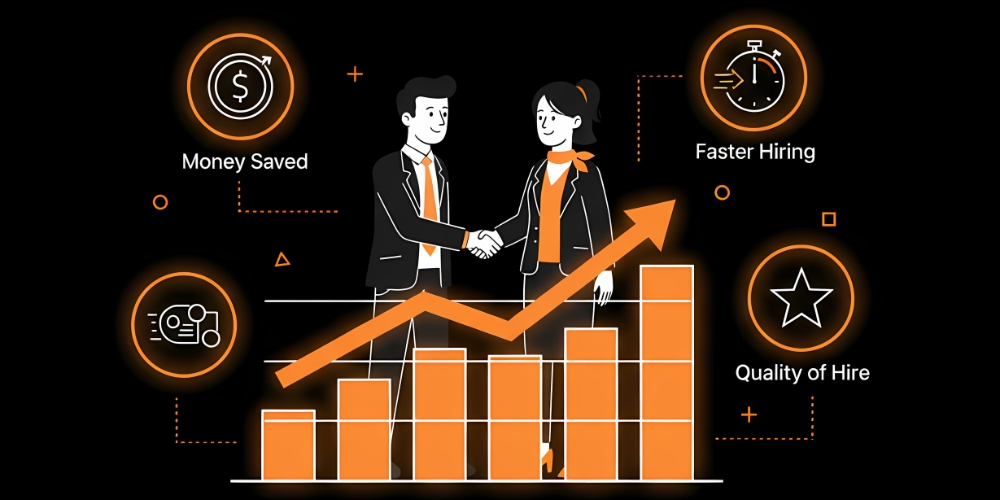
Four concrete benefits.
- Reduced hiring costs: better targeting and planning
- Higher quality of hire: better skill-role match → improved performance
- Strategic pipeline: predict roles and skills before they become urgent
- Compliance + reporting: transparency for evidence-based HR
Embed into the talent acquisition process for compounding value.
Benefits for Employees
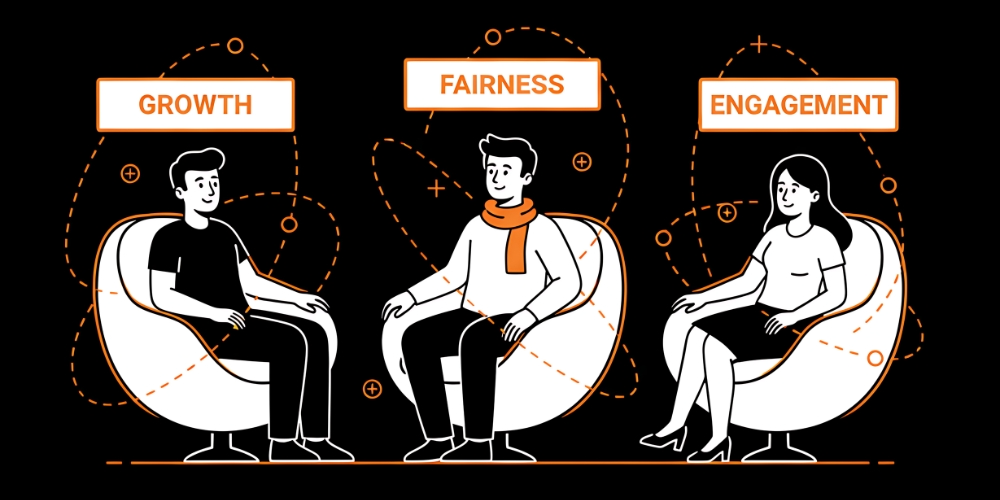
Four employee-side gains.
- Better role fit: positions match skills and ambitions
- Career development: identified training opportunities
- Higher engagement: feeling matched + recognised
- Fairness: analytics reduces unconscious bias
Best Practices
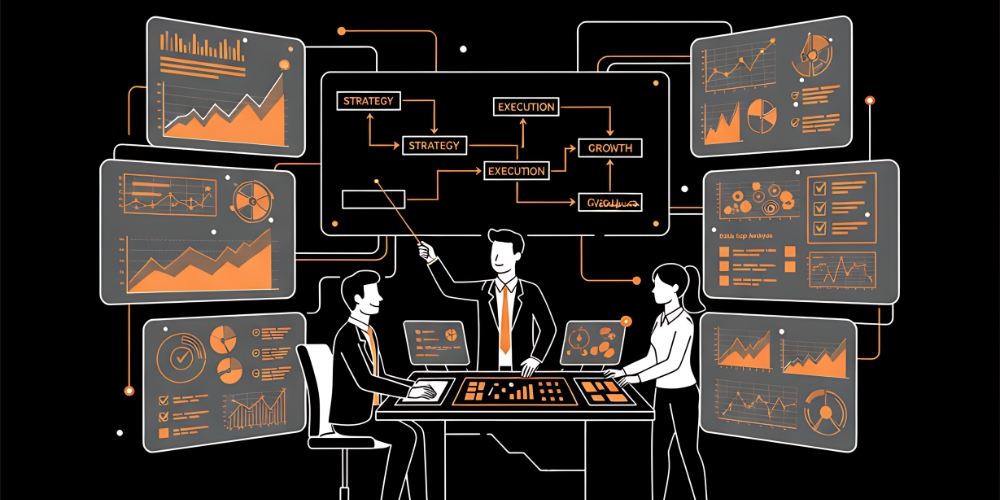
Five practices that turn theory into results.
Build a clear workforce analysis process
Documented from data collection to reporting. Repeatable and reliable.
Invest in the right tools
Predictive monitoring, skill-gap detection, scenario modelling. Match tooling to organisational size.
Use internal + external data
Staff performance data + labour market insights. Avoids blind spots.
Keep the human factor
Numbers say a lot; context matters more. Balance analytics with recruiter expertise and manager input.
Review and update regularly
Quarterly or annual review keeps models aligned with reality.
The Bottom Line
Accurate hiring is no longer a luxury. Workforce planning + analytics reduce wrong-hire risk, prepare organisations for change, and give employees better experiences. With proper planning, data, and balanced human judgment, recruitment stops being guesswork and becomes a growth engine.
FAQs
How does analytics improve hiring accuracy?
Past data and predictive models assess candidate fit, forecast skills demand, measure outcomes. Less gut instinct, more evidence.
Is workforce forecasting the same as analytics?
Not exactly. Forecasting predicts future labour needs; analytics digs into the data behind hiring, retention, performance. Both work together.
Which tools help HR leaders?
HR analytics platforms, ERP systems with HR modules, dedicated workforce planning apps. Most now include predictive modelling and dashboards.
How often should I run workforce analyses?
Quarterly minimum. Annual for slower-moving organisations; monthly for high-growth.
What's the highest-leverage starting move?
Build one simple dashboard tracking time-to-fill, source-of-hire, and 12-month retention by source. Patterns emerge within one quarter and guide every other refinement.
Keep reading

Choosing a Workforce Planning Model: Five Approaches Compared

Operational Workforce Planning Metrics That Actually Matter
