

Why "Free Resume Search" Is Never Free for Recruiters
Free resume search hides real costs — wasted hours, weak data, compliance exposure, brand damage, and inflated cost-per-hire. Here's the breakdown.
Ployo Team
Ployo Editorial

TL;DR
- "Free" tools cost hours of manual triage and chase dead leads.
- Recruiters spend ~6 seconds on initial scan; 500 resumes = 8–25 hours of work.
- 72% of recruiters spend under 2 minutes per resume even after scanning.
- Hidden costs: data verification, tool switching, compliance, reputation repair.
- AI-driven screening + verified pools beats free tools on every metric.
"Search resumes for free" sounds great in budget meetings. The hidden price tag — wasted hours, weak data, brand damage, compliance exposure — usually exceeds what a paid tool would have cost. This guide breaks down where the costs actually hide.
What "Free Resume Search" Usually Means
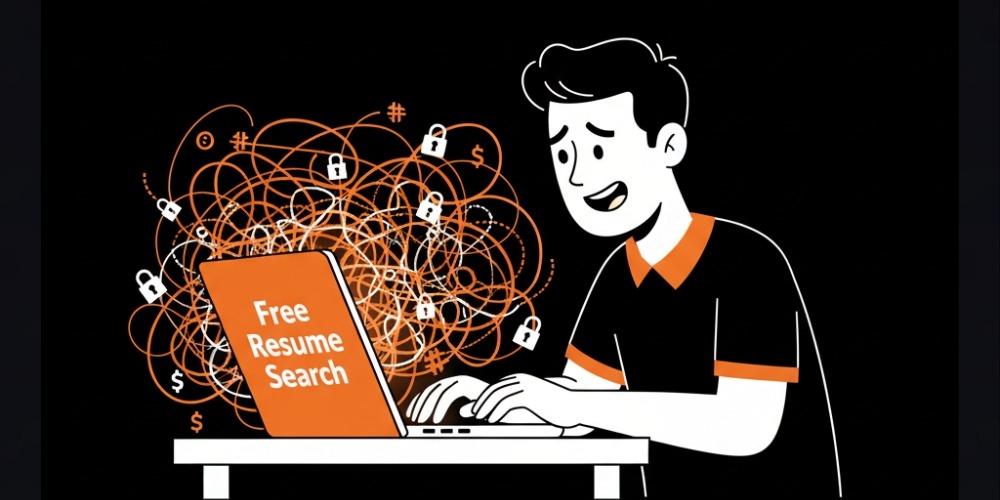
Three patterns common across "free" platforms.
Limited access
Basic filters, capped results, delayed updates. The "free" tier exists to funnel you to paid upgrades.
Paywalled value
You can browse, but contact details, full profiles, and the relevant signal live behind subscriptions.
Poor data quality
Outdated profiles, duplicates, broken formatting. The cheap-or-ad-supported model often degrades the candidate experience.
The result: false confidence that you're tapping a deep talent pool while the most relevant candidates remain in private or premium databases.
How "Free" Wastes More Time Than It Saves

Three structural drains.
Noise filtering
High volume of irrelevant resumes means hours sifting, discarding, rechecking.
Poor candidate data
Missing updates, dead contact info, broken links. Recruiters chase leads that never respond.
Manual work multiplies
Without strong filters, every resume lands unfiltered in the recruiter's lap.
The numbers add up fast. Per BU's eye-tracking study, recruiters spend ~6 seconds per resume in initial skim. Per Recruiting Headlines, 72% review for under 2 minutes total. Per Shortlistd's analysis, at 30–90 seconds per resume, screening 500 resumes takes 8–25 hours.
When free tools dump 1,000–2,000 unfiltered resumes per role, the inefficiency compounds dramatically. Free tools also typically lack automated CV screening and AI scoring — so every resume goes through human review.
Impact on Recruiter Performance Metrics
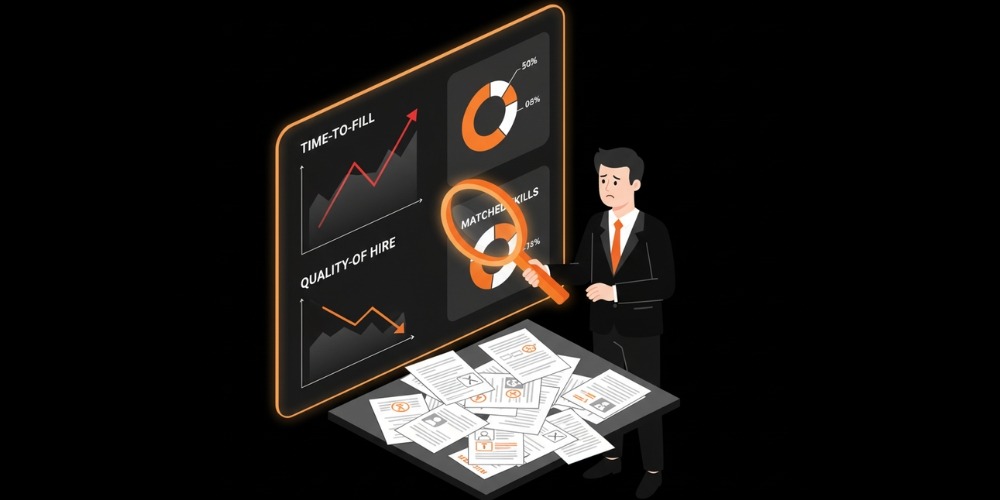
Four metrics deteriorate.
Time-to-fill rises
Time spent filtering bad resumes pushes deserving candidates back. Hiring drags.
Throughput drops
Low-yield resume pools mean fewer placements per recruiter per week.
Quality-of-hire falls
Top candidates often live behind paywalls. Free tools force settling for weaker matches; retention and performance follow downward.
Cost-per-hire inflates
Hours spent chasing poor leads means effective cost climbs — even though the tool itself was "free".
These metrics get watched closely. If KPIs show slow delivery, more backfills, or weak hires, free resume search may be a root cause.
Impact on Employer Brand

Three reputation costs.
Generic, low-quality outreach
Limited data → templated, impersonal, off-target first messages. Candidates notice.
Ghosting and non-response
Contacting inactive or outdated candidates makes your team look unprofessional.
Bad candidate experience
Poor targeting signals you don't value candidates' time or fit.
This compounds. Negative outreach experiences surface on Glassdoor, Indeed, and niche forums. Future recruiting becomes harder as candidates block or ignore your team.
Productivity Drain From Free Tool Chasing
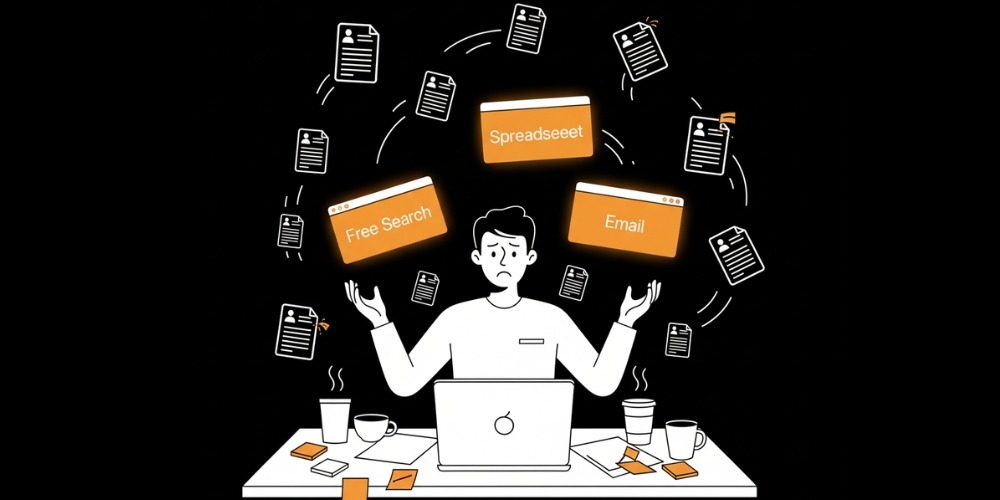
Every hour wrestling cluttered databases is an hour not talking to skilled candidates or closing hires. Repetitive work — fixing profiles, sorting resumes, copying details into spreadsheets — grinds focus and motivation across the team.
The time recruiters already spend reviewing resumes doubles or triples without proper tooling. Hiring slows; burnout climbs. Productivity loss isn't a "cost of free" — it's the reason strong recruiters quit.
Hidden Costs You Still Pay

Four cost categories that surface anyway.
Data verification
Free pools rarely validate. Recruiter hours go into calls, emails, and authenticity checks.
Tool switching
Free search sites don't sync with ATS. Manual copy-paste or CSV uploads at every step.
Security exposure
Many "free" databases scrape public profiles or store resumes without consent. A single misuse incident can cost millions in legal penalties.
Reputation repair
Contacting candidates with outdated info or sending irrelevant outreach damages trust. Restoring brand equity takes paid marketing and time.
A Smarter Alternative

Modern AI hiring tools bundle verified resumes, smart matching, and tracking in one platform. Pre-ranked candidates against job descriptions, bias controls, real-time metrics.
Look for ATS integration with advanced filters (location radius, salary range, diversity indicators) plus consent-managed data storage. Audit CV keywords to avoid filtering out strong candidates by mistake.
Legal and Compliance Risks

Three risk categories worth knowing.
Consent and retention
Many "open" libraries gather data without meeting GDPR or UAE Data Protection Law (2021) standards. Using such profiles without explicit consent exposes you to penalties.
No audit trail
Free tools rarely document where a resume originated or whether consent was granted. If a candidate files a complaint, HR has nothing to defend.
Regional data storage
Modern platforms include consent management, anonymisation, and region-specific data storage. If your tool doesn't, "free" is costing your legal team meaningfully.
The Bottom Line
"Free resume search" sounds good until you add up wasted hours, weak data, damaged brand, and compliance risk. Recruiters don't just need access — they need insight, accuracy, and automation. Investing in a reliable sourcing system isn't an expense; it's protection for your reputation, metrics, and team sanity.
FAQs
Are resume libraries ever genuinely free?
Some boards offer limited access, but most restrict contact details or advanced filters. The free version functions as a teaser for paid plans.
When does free resume search actually work?
Occasionally for high-volume, entry-level roles where supply is abundant. For specialised or technical hiring, free databases rarely deliver quality matches.
Can free resume search build a long-term pipeline?
Not effectively. Free platforms rarely update or verify candidate activity, so pipelines decay quickly. Integrated, compliant talent databases perform far better long-term.
What's the true cost of "free" for a mid-sized team?
Often 10–25% of a recruiter's weekly hours plus compliance and brand exposure. Paid tools typically pay back within the first hiring cycle.
What's the highest-leverage starting move?
Audit how many recruiter hours go into manual resume triage today. The number is almost always larger than expected — and the case for proper tooling becomes obvious.
Keep reading

How AI Reshapes Resume Screening: Speed, Quality, and Honest Limits

ATS Integration Gaps: The Real Reason Hiring Stalls in 2026
