

Why Recruiting Women Makes Business Sense
Recruiting women builds stronger teams, better performance, and longer retention. The business case, common myths, and how to hire fairly at scale.
Ployo Team
Ployo Editorial
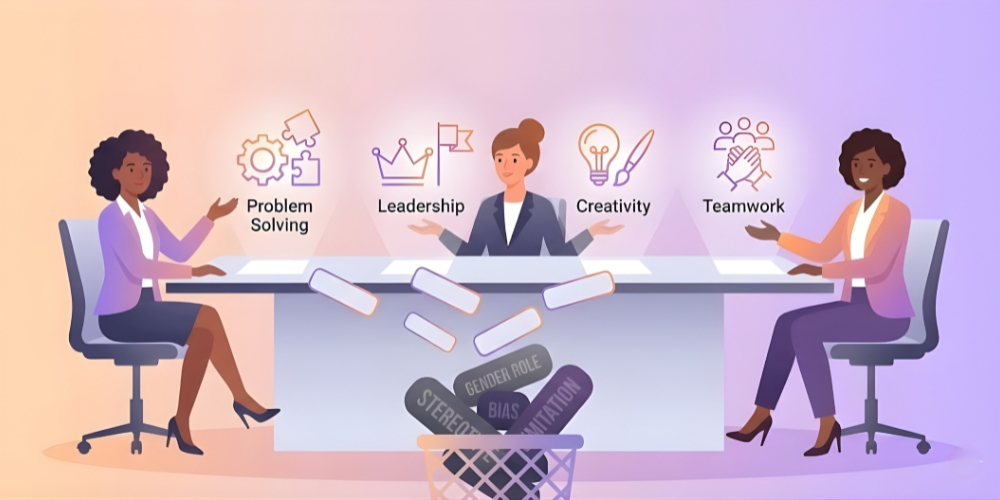
TL;DR
- Gender-diverse organisations outperform homogeneous ones on revenue and retention.
- 76% of business leaders link gender diversity to higher profits (Selby Jennings).
- Bias still affects job descriptions, interviews, promotions.
- AI helps when designed inclusively — hurts when trained on biased data.
- Real change requires fair systems plus growth paths, not just hiring quotas.
Companies focused on recruiting women build workplaces that perform better and grow faster. Many organisations still hire unevenly — and miss half the workforce's potential. This guide explains what recruiting women actually means, the business case, common myths, and practical steps for hiring fairly without tokenism.
What Recruiting Women Really Means
More than filling seats. Actively seeking women candidates, recognising historically undervalued skills, changing old hiring habits.
Core elements
- Understanding what women seek in jobs — purpose, flexibility, growth paths
- Listening to real concerns: inclusive culture, fair pay, training opportunities
- Creating space where strong women leaders thrive, not just quota compliance
The Business Case

Three concrete data points.
Stronger performance with women in leadership
Per NGC Project's research, organisations with more women in leadership report higher revenue and stronger results than peers.
Leaders agree on profit impact
Per Selby Jennings data, ~76% of business leaders see a clear link between gender diversity and profits.
Expanded talent pool
Women make up much of the educated workforce worldwide — unique perspectives, especially in collaboration and team performance.
How It Improves Performance
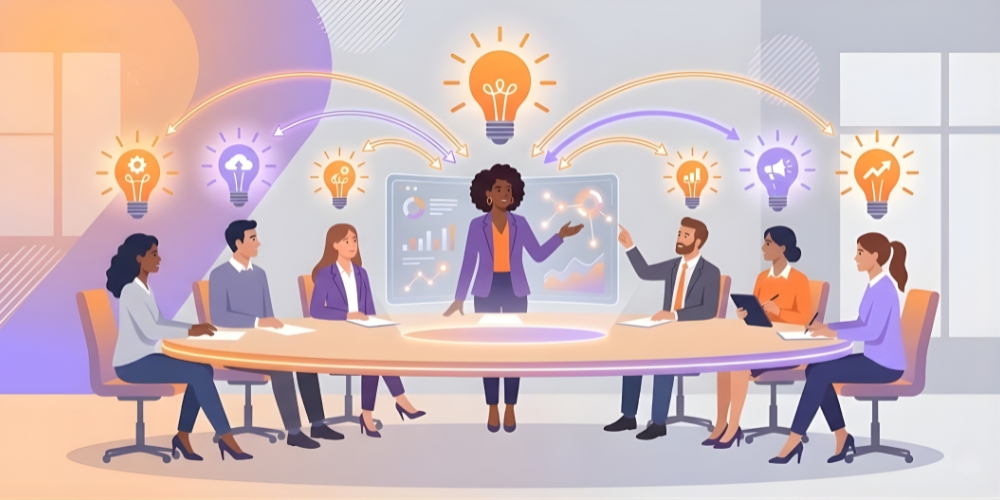
Three measurable improvements.
Better decisions + innovation
Diverse teams approach problems from different angles; group-think drops.
Stronger retention
Pairs with sourcing diverse candidates and improving retention — visible growth paths keep women engaged.
Collaborative leadership
Women leaders often bring collaborative styles supporting team health and reducing burnout.
Common Myths Debunked
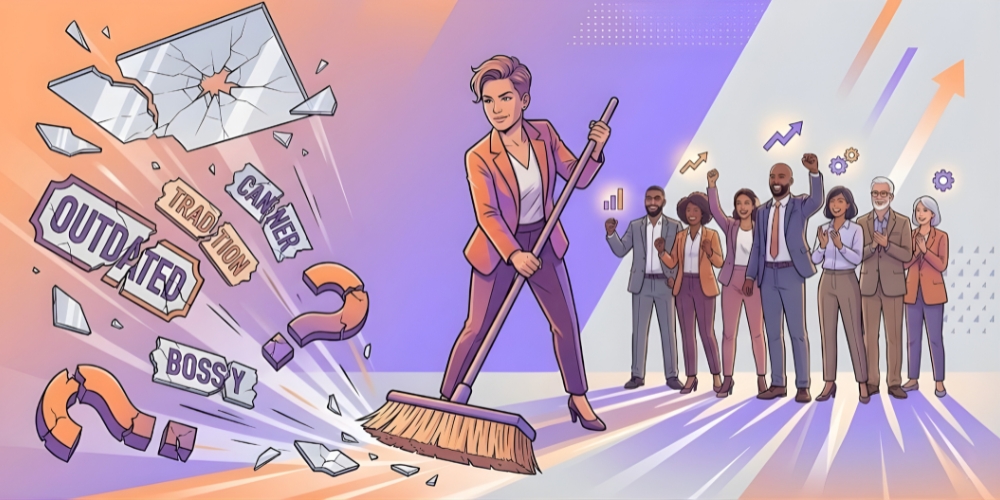
Four common misconceptions.
"Hiring women lowers standards"
Research consistently shows diversity and performance correlate — no quality loss.
"Women only want certain roles"
Women want fair opportunities across all roles, including leadership.
"Workplaces become less competitive"
Balanced teams often outperform homogeneous ones on strategy and execution.
"Women prefer only flexible work"
Flexibility matters to many people, but women also pursue growth, challenges, leadership — same as men.
Barriers That Persist

Three structural challenges.
Old hiring systems
Built around career paths that favoured one type of worker. Returning after breaks or switching roles harder.
Bias in evaluation
Women still judged more on past experience while men get evaluated on potential. Affects confidence, pay, growth.
Representation pressure
Few women on teams means each can feel watched or expected to speak for all. Burns out without strong support systems.
How to Recruit Women Effectively
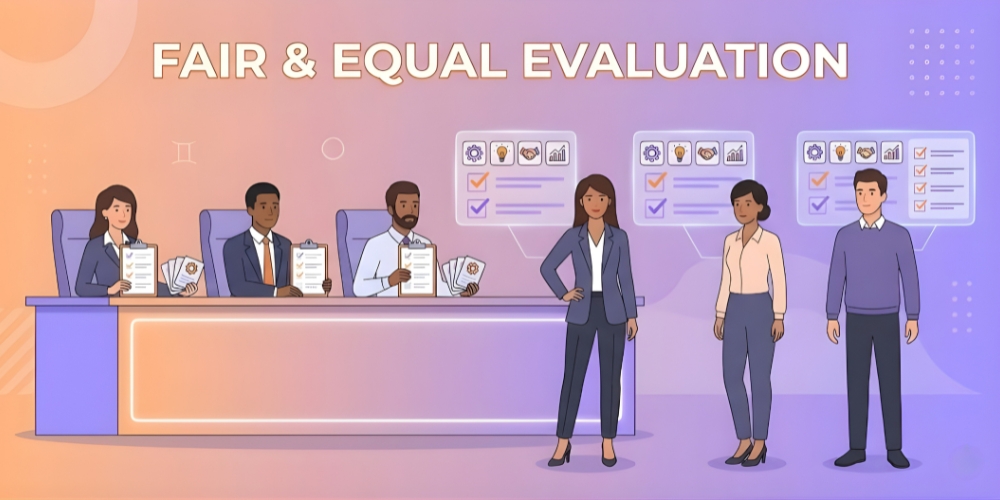
Three practices that consistently work.
Rewrite JDs for skills
Focus on capabilities, not credentials. Audit language for off-putting phrasing.
Train hiring teams for fair evaluation
Same questions, same rubrics, every candidate. Especially important when women in HR shape future workforce decisions.
Build post-hire support systems
Mentorship, fair feedback, clear promotion paths. Visible growth keeps women engaged. Unlocks the benefits of diversity in employment.
The Role of AI
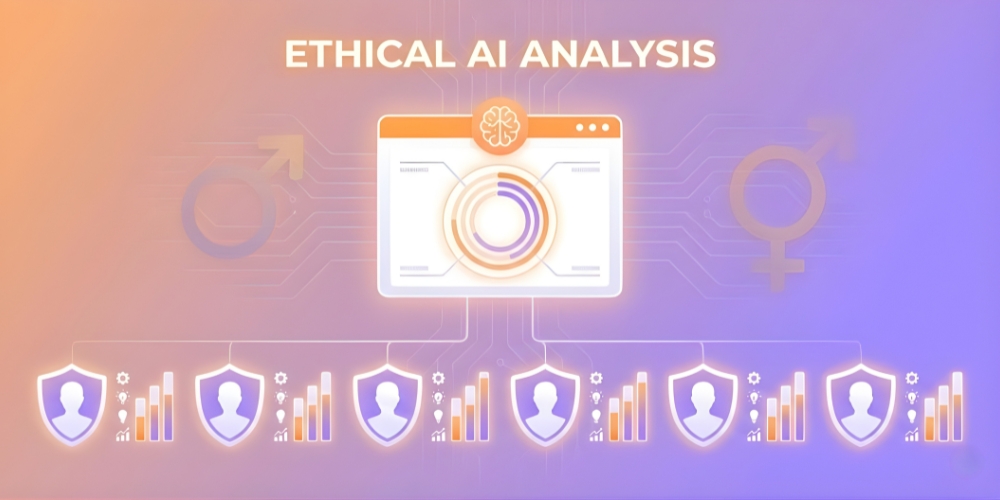
AI helps or hurts depending on design.
When AI helps
Inclusive language in AI recruiting software writes JDs reaching wider audiences. Skill-based screening focuses on capability over background.
When AI hurts
Trained on biased historical hiring data, AI reinforces existing patterns. Continuous bias audits are mandatory.
Recruiting Across Career Stages
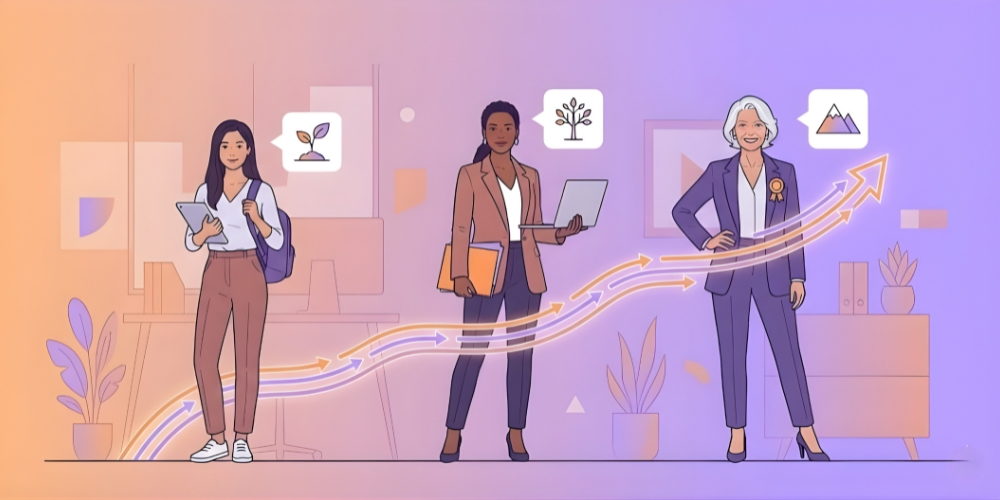
Women's career paths vary. Strong strategies adapt.
- Early career: learning, security, belonging
- Mid-career: balance of growth and life changes
- Senior: influence, respect, leadership roles
Investing consistently across stages builds pipelines and lifts female leadership representation over time.
The Bottom Line
Recruiting women isn't about trends or optics — it's about building teams that perform better and last longer. Companies committed to fair hiring, real support, and long-term growth create space for women leaders to emerge naturally. Move past myths, fix systems, and everyone benefits. Stronger culture, better decisions, workplaces ready for the future.
FAQs
Why is recruiting women important for companies?
Widens talent pool, builds stronger teams, ensures workplaces mirror communities served.
Does recruiting women improve business performance?
Yes. Diverse teams make better decisions, adapt faster, build healthier cultures over time.
How can recruiters avoid bias against women?
Clear role requirements, same interview questions for every candidate, evaluation based on skills and growth potential rather than assumptions.
Can AI improve gender diversity?
When used carefully, yes. Makes early-stage screening more consistent and reduces bias — but requires ongoing audit.
What's the highest-leverage starting move?
Audit your top three JDs for gender-coded language. Tools exist that flag this in minutes. Quick fix; meaningful impact.


