

Hiring Tech Talent at Non-Tech Companies: A Compete-Effectively Playbook
Non-tech companies can compete for developers — what tech talent values, how to streamline interviews, contractor vs FTE tradeoffs, and AI support.
Ployo Team
Ployo Editorial
TL;DR
- ~4 million unfilled developer roles globally by 2025 (SecondTalent).
- Tech candidates value growth, flexibility, impact, and craft respect over generic perks.
- Slow hiring is the most common mistake — top candidates juggle multiple offers.
- AI tools support screening and skill assessment, especially for non-technical recruiters.
- Contractors fit short-scope work; full-time hires fit long-term core operational tech.
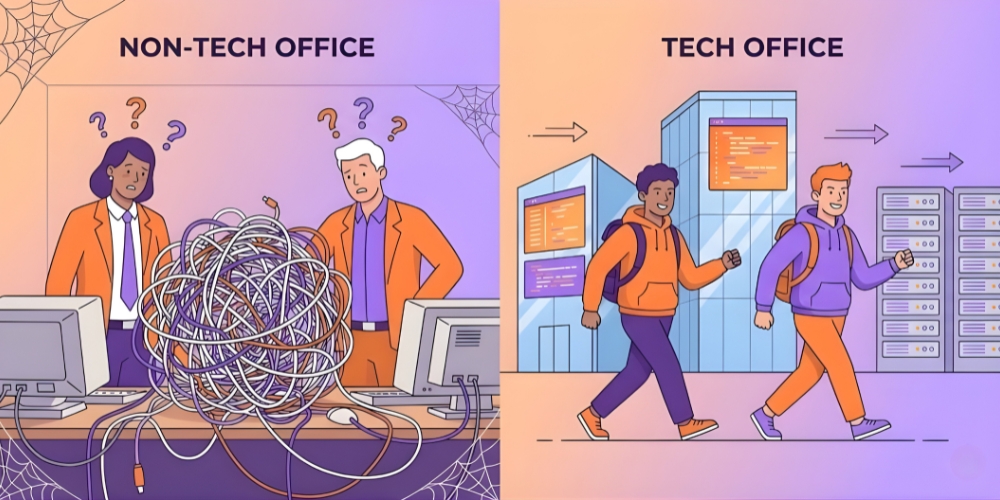
Hiring developers without competing against the FAANG brand is harder than ever, but non-tech companies that get the basics right consistently win great hires. The advantage isn't compensation alone — it's clarity, speed, meaningful work, and a respectful candidate experience. This guide walks through what actually works.
Why Tech Hiring Is Harder for Non-Tech Companies
Three structural challenges.
Severe talent shortage
By 2025, there were ~4 million unfilled developer roles globally, especially in JavaScript, Python, and AI/ML stacks. Competition for qualified candidates is intense.
Brand recognition gap
Tech professionals know the FAANG companies, fast-growing startups, and the open-source giants. Non-tech brands look abstract by comparison. Strong software engineer job descriptions help close the gap.
Mismatched expectations
Many non-tech companies still hire developers like they hire generalists — same process, same incentives, same pitch. Tech professionals expect meaningful problems, flexibility, learning opportunities, and a voice in product direction.
What Tech Talent Actually Values
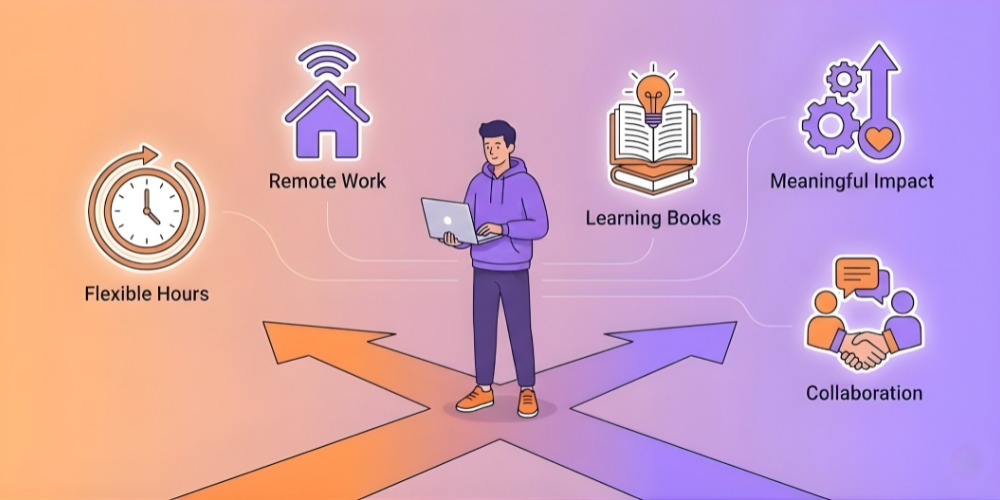
Per the 2025 Stack Overflow Developer Survey covering 177 countries, four things consistently appear at the top.
Growth and learning
Access to new technologies, training budgets, conference attendance, time for skill development. Developers track skill stagnation as a major career risk.
Work flexibility
Remote or hybrid options are often non-negotiable. On-site mandates filter out a large share of qualified candidates.
Impact
Knowing their work shapes real products or services matters. Generic "support the business" framing doesn't resonate.
Craft respect
Tech talent wants to be treated as problem solvers, not task executors. Programs that treat developers as commoditised resources lose them fast.
Beyond salary, these are the actual decision factors for tech offers.
The Hiring Playbook
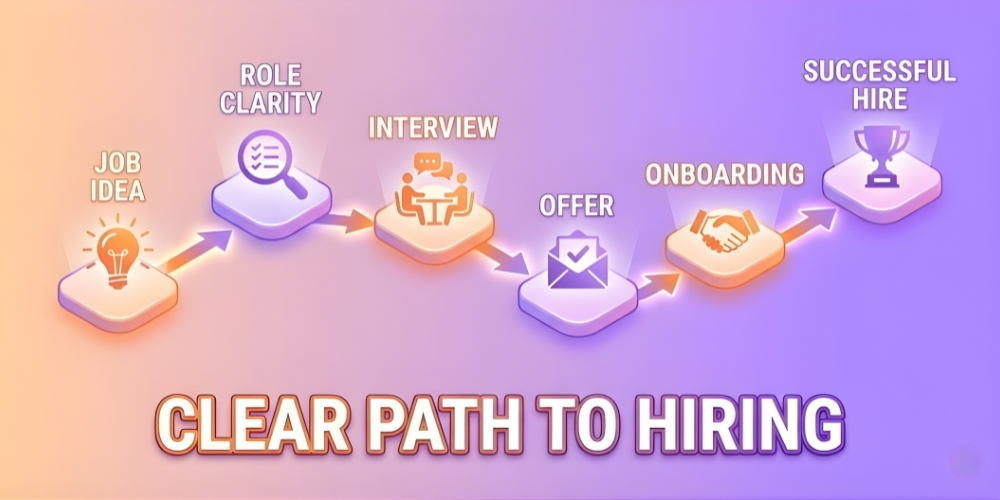
Seven moves that consistently produce stronger outcomes.
1. Clarify the role and skills
Specific technical skills, concrete outcomes, real problems to solve. Vague roles produce wrong-fit applicants.
2. Write tech-resonant job posts
Use the stack names. Describe the actual problems. State mission, learning opportunities, and tools. Match the language of the audience.
3. Source where developers are
GitHub, Stack Overflow, niche Slack/Discord communities, Hacker News, language-specific forums. Generic job boards miss the strongest passive candidates.
4. Streamline the interview process
Long bureaucratic loops drive candidates away. Cut to: screening call → technical exercise → 1–2 interviews → offer. Move fast.
5. Sell beyond salary
Lead with mission, autonomy, learning, and flexibility. Pure salary competition usually loses to better-funded competitors.
6. Involve real technical evaluators
Internal tech leads or external technical advisors. Authentic evaluation signals you take the craft seriously.
7. Show a clear career path
Tech roles evolve fast. A roadmap for growth (technical track, lead track, specialisation options) reassures candidates about long-term fit.
Combine these with broader recruitment methods for compound effect.
Common Mistakes
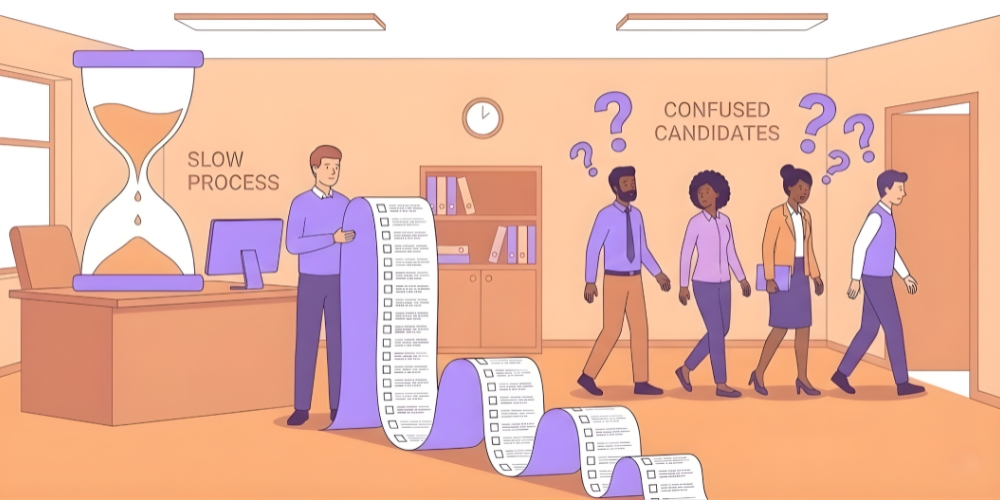
Three patterns that consistently lose candidates.
Moving too slowly
Tech candidates routinely juggle 3–5 offers. A hiring process that drags weeks while another company decides in days loses the candidate by default.
Expecting one hire to do everything
Single tech hires asked to handle infrastructure, product, ML, and security simultaneously burn out fast. Scope realistically; staff progressively.
Treating tech roles like traditional roles
Generic resume keyword screening misses qualified developers. The market shaped by the rise of AI engineer roles requires modern evaluation methods — skill-based assessments, code samples, structured technical interviews.
How AI Helps Non-Tech Hiring Teams
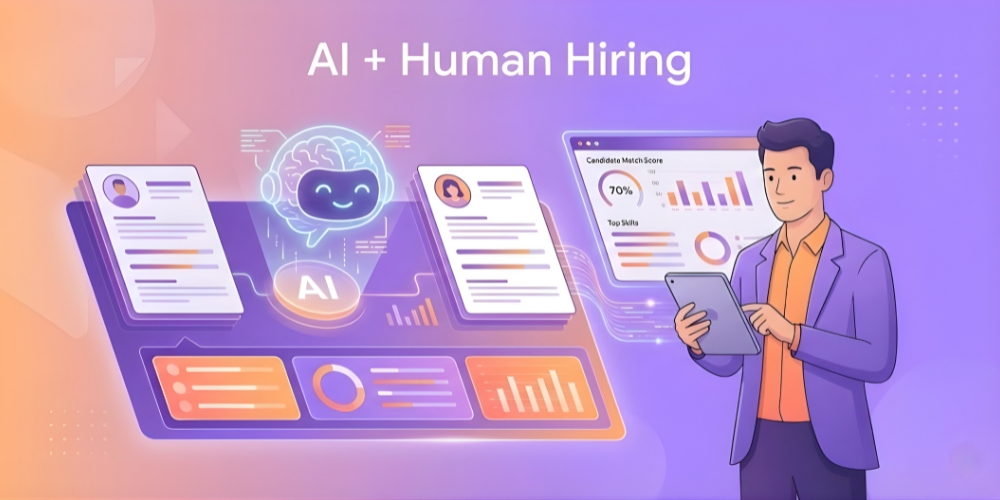
AI is a practical force-multiplier when used well.
Resume screening
Skill-based screening on technical resumes — identifying relevant experience, surfacing gaps, ranking candidates by fit. Especially valuable when applicant pools are large.
Structured technical interviews
AI-generated structured question sets and skill rubrics let non-technical recruiters conduct first-pass technical screens with reasonable consistency.
Bias reduction
Standardised AI-supported scoring produces more comparable evaluations across reviewers — particularly useful when recruiters don't share the technical background of the candidates.
AI doesn't replace technical interviewers. It helps non-tech teams act with more confidence at the screening and structuring stages.
Contractors vs Full-Time

Different problems call for different staffing.
| Need | Best fit |
|---|---|
| Short-scope project, clear deliverables | Contractor |
| Specific deep expertise (security audit, migration) | Contractor |
| Long-term ownership of a product surface | Full-time |
| Tech that's becoming core to your operations | Full-time |
| Test market before scaling commitment | Contractor first, then convert |
Blended approaches often work best — start with contractors to validate need, then bring in full-time hires once requirements stabilise.
The Bottom Line
Non-tech companies can hire developers successfully — but not by mimicking traditional recruiting playbooks. Clarity on the role, speed in the process, respect for the craft, real evaluation involvement, and honest pitch around what makes the work meaningful are what produce strong hires. You don't have to compete with FAANG on cash; you need to compete on the things they're worse at: speed, flexibility, real ownership, and human treatment of the candidates and the work.
FAQs
Can non-tech companies attract developers?
Yes. Clear roles, meaningful problems, respectful hiring processes, and honest career paths consistently attract strong tech candidates. Brand recognition matters less than the substance.
How do non-tech recruiters assess technical skills?
Structured technical interviews, practical assessments, and involvement of internal or external technical advisors. AI-supported screening adds consistency when the recruiter lacks deep technical depth.
What's the biggest tech hiring mistake?
Moving too slowly. Tech candidates routinely juggle multiple offers, and slow processes lose them to faster competitors regardless of how good the role itself is.
Can AI replace technical interviewers?
No. AI supports screening, structure, and consistency. Final hiring decisions and deep technical evaluation still need human judgment from someone who understands the work.
What's the highest-leverage move?
Cut your hiring process to 2 weeks or less for qualified candidates. Speed is the variable non-tech companies most consistently underinvest in — and the one tech candidates notice most.
Keep reading

Hiring an HR Assistant: Skills, Screening, and Evaluation Guide

