

Talent Market Analytics: A Data-Driven Hiring Playbook
Use real labour market data to source smarter — geographic talent density, pay benchmarks, competitor signals, and AI-driven pattern detection.
Ployo Team
Ployo Editorial

TL;DR
- 74% of employers struggle to find the talent they need (ManpowerGroup).
- Companies using people data see ~25% lift in business productivity (McKinsey).
- Key metrics: talent density, supply/demand ratio, pay benchmarks, competitor attrition.
- AI-driven analytics turn raw market data into real-time hiring action.
- Worst mistake: looking at external data without checking your own hiring outcomes.
Hiring is no longer a small-pool game. Multiple competitors fight for the same talent, costs rise, and candidate ghosting accelerates. The teams that hire well have replaced guesswork with talent market analytics — using real labour-market data to plan sourcing, set pay, and react to market shifts. This guide walks through what these analytics are, the metrics that matter, and how AI turns raw data into hiring decisions.
What Talent Market Analytics Is
Talent market analytics uses labour-market data to guide hiring strategy. Not just tracking applicants — looking at the full available talent pool, geographic density of skills, competitor hiring patterns, and emerging skill trends.
Modern talent analytics platforms surface industry movement, helping recruiters see not just who's actively looking, but who might be open to a move with the right offer. It turns "hiring" from intuition into a market-aware discipline — and connects HR and data analytics challenges to specific actionable inputs.
Why It Matters Now

Three structural drivers.
Talent shortage is structural
ManpowerGroup's data shows 74% of employers struggle to find the talent they need. Old "post and wait" methods can't compete; market-aware sourcing can.
Pay precision matters
Talent data takes guesswork out of compensation ranges. Offering too little misses; offering too much erodes margin. Real data closes the gap.
Capacity gaps surface earlier
Combined with strong workforce planning, market analytics surfaces skill shortages before they cause operational pain. Companies that use these signals adjust faster to market and industry shifts.
Metrics Worth Tracking
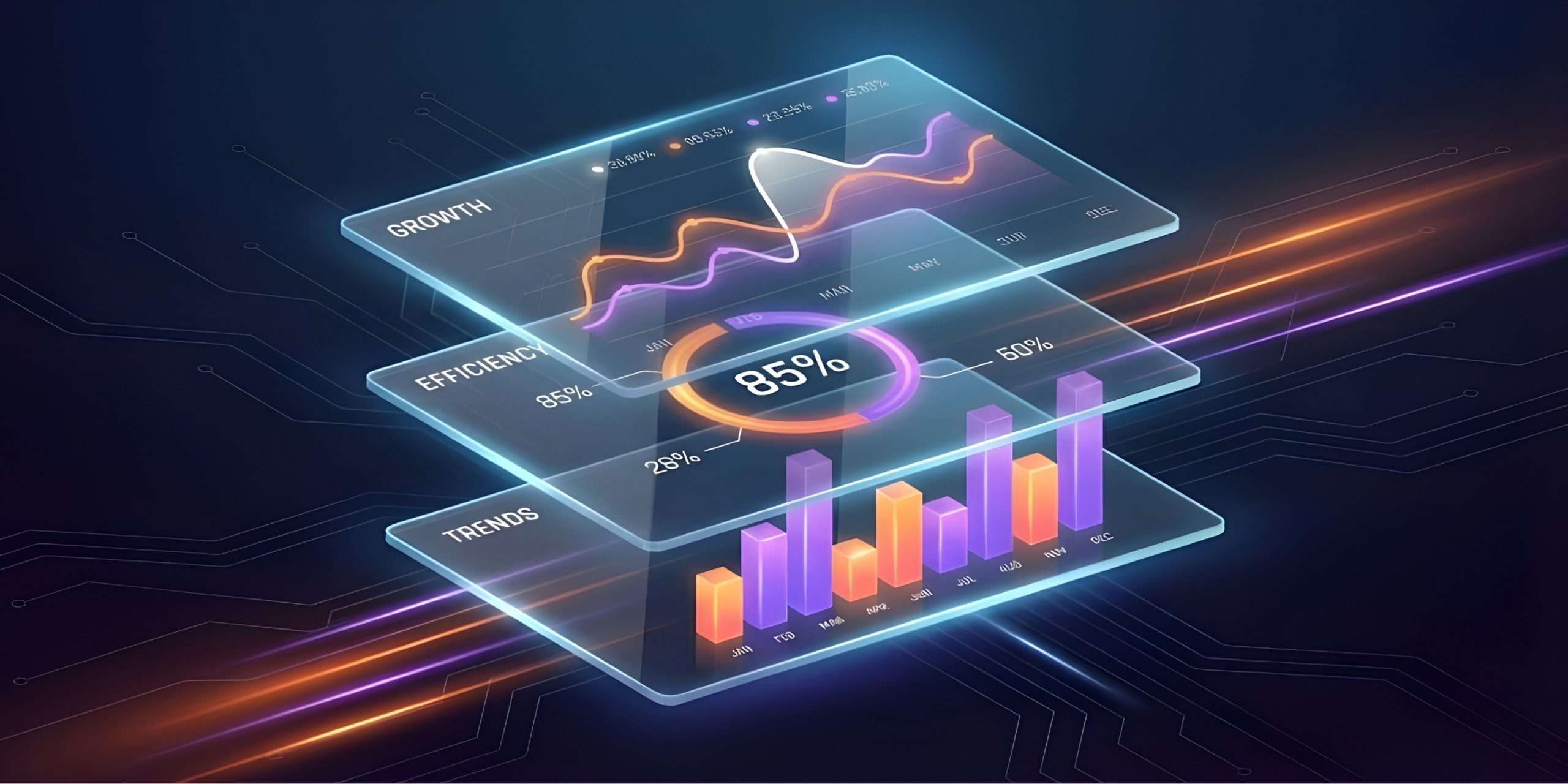
Five metrics that consistently move the needle.
Talent density
Where are the largest concentrations of specific skills? Python developers in Austin vs Berlin vs Bangalore matters for sourcing geography decisions.
Supply vs demand ratio
For a given role, how many qualified candidates exist vs how many open positions? High ratios mean leverage on offers; low ratios mean speed and premium pay required.
Compensation benchmarks
25th, 50th, and 75th percentile pay by role and region. Offers below the 50th in tight markets get rejected; offers at the 75th in soft markets overpay.
Competitor attrition
Which competitors are losing people, and why? Real-time hiring analytics surface targets before competing recruiters do.
Diversity representation
Demographic breakdown of the actual available pool. Ensures DEI goals are realistic and your sourcing strategy reaches the right candidates.
Organisations using these metrics consistently improve quality-of-hire while reducing cost-per-hire — a rare win-win in recruiting.
Step-by-Step Application

Five moves in order.
1. Define a sourcing persona
List the specific skills and background you need. Use talent data to estimate how many people match the persona in your target geographies.
2. Map geographic hotspots
Identify regions with strong supply and lower competition. Remote roles open the entire map; on-site roles narrow it.
3. Benchmark compensation pre-listing
Set pay before posting, not after rejection. Below-median offers in tight markets stall before reaching strong candidates.
4. Monitor competitor movement
Talent tracking surfaces companies slowing hiring (potential candidate sources) and companies hiring aggressively (competitive pressure on offers).
5. Iterate monthly
Market conditions change quarterly at minimum. Review sourcing strategy regularly to stay aligned with reality.
Common Mistakes

Five traps worth avoiding.
Data silos
Looking only at external market data without checking internal hiring success. If the candidates you find through analytics don't stay or perform well, you have an internal problem the external data can't solve.
Ignoring qualitative context
A high-supply region might reflect lack of local industry growth, meaning candidates are looking to relocate at the first opportunity. Numbers tell what; context tells why.
Over-filtering candidate criteria
Setting a perfect persona and rejecting near-matches loses real candidates. Treat the persona as a guide, not a gate.
Analysis paralysis
Spending too much time reviewing reports loses the speed advantage analytics was supposed to create. Decide and move.
Using stale data
Last quarter's data doesn't reflect this quarter's market. Tools that refresh monthly or weekly outperform those updated annually.
How AI Powers Real-Time Analytics

Three areas where AI transforms what's possible.
Pattern detection at scale
AI scans millions of data points (job postings, LinkedIn moves, salary disclosures) to detect trends manual analysis can't see.
Future-skill forecasting
By analysing industry direction, AI identifies skills your team will need 1–2 years out, informing hiring and reskilling decisions today.
Real-time competitor signals
Real-time hiring analytics flags competitor hiring shifts as they happen. Your team reacts in days rather than discovers in months.
AI doesn't replace recruiter judgment. It surfaces information recruiters use to make better-informed decisions.
Traditional Hiring vs Market-Driven Hiring

| Dimension | Traditional ("post and pray") | Market analytics-driven |
|---|---|---|
| Approach | Reactive — wait for applicants | Proactive — engage passive candidates |
| Pool reached | Active job seekers only | Full talent landscape |
| Pay decisions | Internal benchmarks | Real market percentiles |
| Cost per hire | High | Meaningfully lower |
| Time to fill | Long | Compressed |
McKinsey research finds companies using people data see ~25% lift in business productivity. The shift from reactive to data-driven hiring isn't a tech upgrade — it's a strategic posture change.
The Bottom Line
Talent market analytics has moved from luxury to baseline. The teams hiring competitively in 2026 source from real market signals, benchmark pay against current data, monitor competitor movement, and iterate sourcing strategy quarterly. The teams still posting and praying continue to lose strong candidates to faster, data-aware competitors. Start small — pick three metrics, track them monthly, build the habit. The compound effect over a year is substantial.
FAQs
How does labour market data help hiring?
Gives you a clear picture of who's available, where they're based, and what pay they expect. Replaces guesswork with realistic plans.
Can analytics reduce time-to-hire?
Yes. Identifying high-supply, low-competition markets focuses sourcing where it's most likely to produce fast results.
Do small companies need market analytics?
Yes — arguably more than large ones. Smaller hiring budgets mean the cost of a bad hire is proportionally larger. Analytics helps focus limited resources on candidates most likely to succeed.
How often should I refresh my talent analytics?
Monthly at minimum, weekly for fast-moving sectors. Stale data produces wrong decisions confidently.
What's the highest-leverage starting point?
Pay benchmarking against current market percentiles. Most offers get rejected because they're misaligned to current market reality — accurate benchmarking alone consistently improves offer acceptance rates.
Keep reading

Hiring an HR Assistant: Skills, Screening, and Evaluation Guide

