

15 Recruitment Methods That Actually Work in 2026
From internal mobility to AI-driven sourcing — the 15 recruitment methods that produce real hires, when each one fits, and the trade-offs that matter.
Ployo Team
Ployo Editorial

TL;DR
- Internal recruitment fills roles in ~20 days vs ~49 days externally — cheaper and lower-risk.
- External recruitment brings fresh perspective but costs more and takes longer.
- Third-party RPOs can cut time-to-hire by ~40%.
- Tech-enabled recruiting (ATS, AI screening) is now table stakes — 55%+ of companies have increased automation investment.
- Strongest programs blend several methods rather than relying on a single channel.
No single recruitment method works for every role. The best hiring programs blend internal mobility, external sourcing, third-party support, and technology — selecting the right method for the role, urgency, and budget. SHRM research notes that companies without structured hiring processes are around 5x more likely to make bad hires; the cost of choosing the wrong method compounds quickly. This guide walks through 15 recruitment methods, when each one works best, and the trade-offs that matter.
1. Internal Recruitment
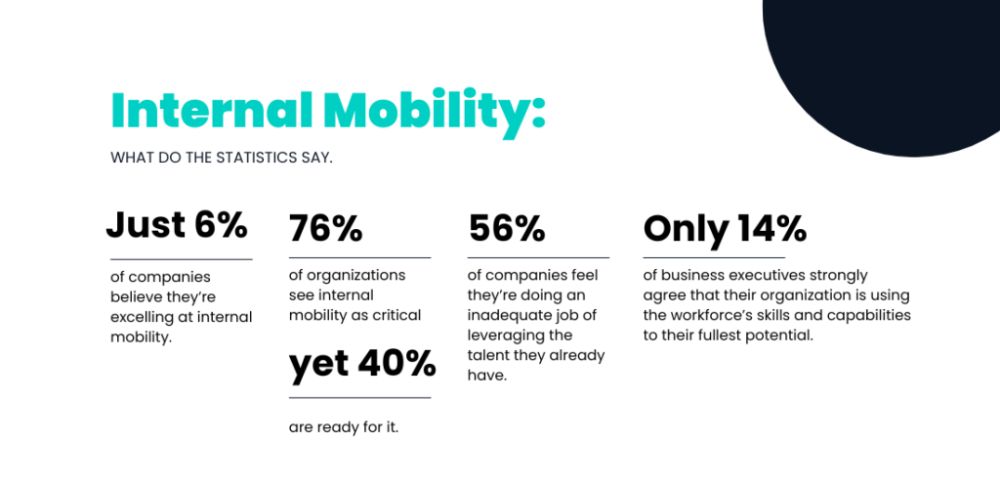
Filling open roles from within — promotions, lateral moves, internal job postings, and employee referrals. Internal hires already understand the culture, ramp up faster, and signal a healthy growth culture to the rest of the team.
Strengths: Faster (~20 days average vs ~49 days for external per VouchFor research), lower cost, stronger culture fit, higher retention.
Limits: Smaller candidate pool, potential for internal politics, can entrench existing biases if used exclusively.
Best for: Most roles where qualified internal candidates exist; first option for nearly any opening.
2. External Recruitment
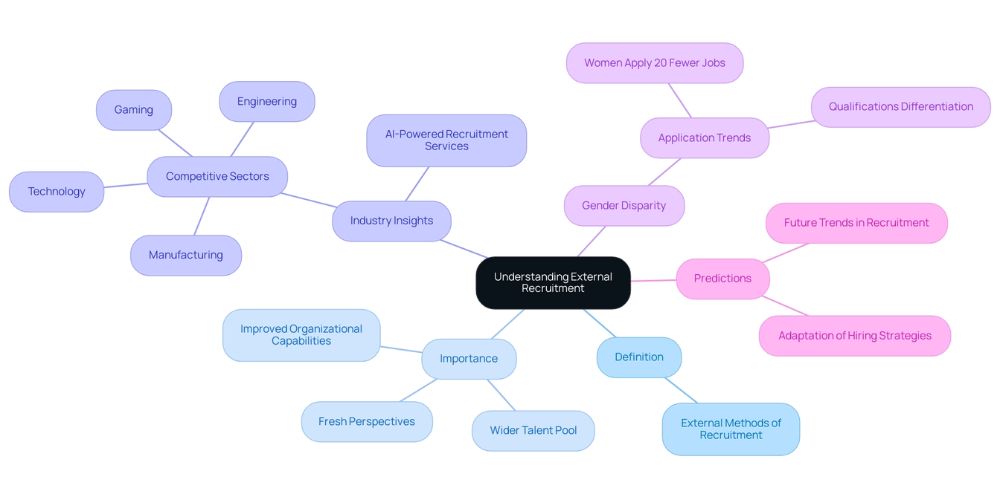
When internal candidates aren't available or the role demands skills the company doesn't have, external sourcing through job boards, campus recruitment, and recruitment agencies brings new perspectives and capabilities.
Strengths: Broader pool, fresh ideas, new skill sets, market salary discipline.
Limits: Slower (~49 days), more expensive, cultural assimilation risk.
Best for: Senior leadership, specialised technical skills, roles where internal options are exhausted.
3. Direct Recruitment
Reaching candidates directly — job fairs, walk-in interviews, career events, campus drives. The format compresses introduction time from weeks of online back-and-forth to a single in-person conversation.
Strengths: Speed, high-volume scanning, direct rapport-building.
Limits: Geographic limits, format mismatch for senior or specialist roles.
Best for: Entry-level, high-volume hiring, brand-building among early-career talent.
4. Indirect (Brand-Driven) Recruitment
Building the employer brand so candidates self-identify and apply — social media campaigns, career page storytelling, employer-of-choice signals. Slow to build but powerful when established.
Strengths: Attracts passive candidates, builds compounding pipeline, lowers per-hire cost over time.
Limits: Slow ROI, hard to measure, requires sustained investment.
Best for: Long-term talent strategy, competitive markets where brand differentiation matters.
5. Third-Party Recruitment
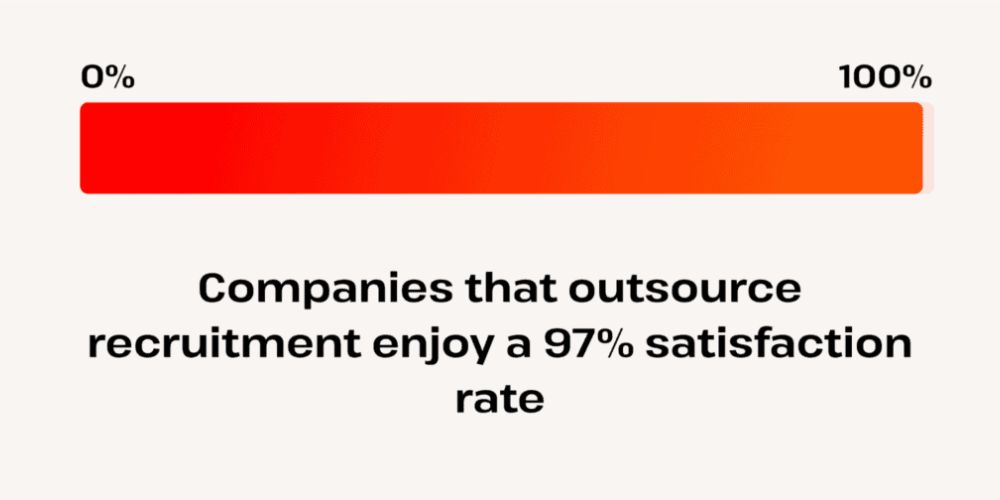
Recruitment agencies, headhunters, and RPO (Recruitment Process Outsourcing) providers handle sourcing and screening for fees that range from 15-30% of first-year salary. RemoFirst research shows RPO can cut time-to-hire by up to 40%.
Strengths: Speed, access to expert networks, scalability for hiring surges.
Limits: Cost, less control over candidate vetting, agency-vs-client interest alignment.
Best for: Executive search, niche specialist roles, hiring surges where internal capacity is constrained.
6. Technology-Driven Recruitment
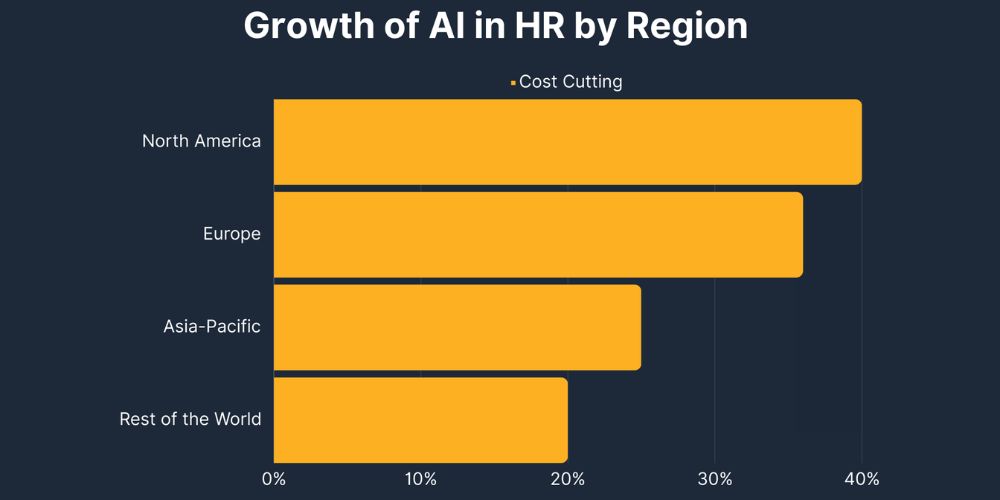
Applicant Tracking Systems, AI screening, video interviews, predictive analytics, and integrated talent platforms. CodeAid research shows 55%+ of companies have increased recruitment-automation investment in recent years — this is no longer optional for serious hiring programs.
Strengths: Scale, consistency, data-driven decisions, candidate experience improvements.
Limits: Tooling cost, integration complexity, bias risk if not audited.
Best for: High-volume hiring, distributed teams, any organisation processing 50+ applications per role.
7. Active Recruitment
When a role needs to be filled fast, active methods target candidates already job-searching: job board postings, paid placement, open interview days, direct outreach. Speed and visibility matter more than long-term pipeline building.
Strengths: Fast results, predictable cost per application.
Limits: Pool skews toward active job-seekers (smaller in many specialist markets), competitive on cost-per-hire.
Best for: Urgent backfills, high-volume entry-level hiring.
8. Passive Recruitment
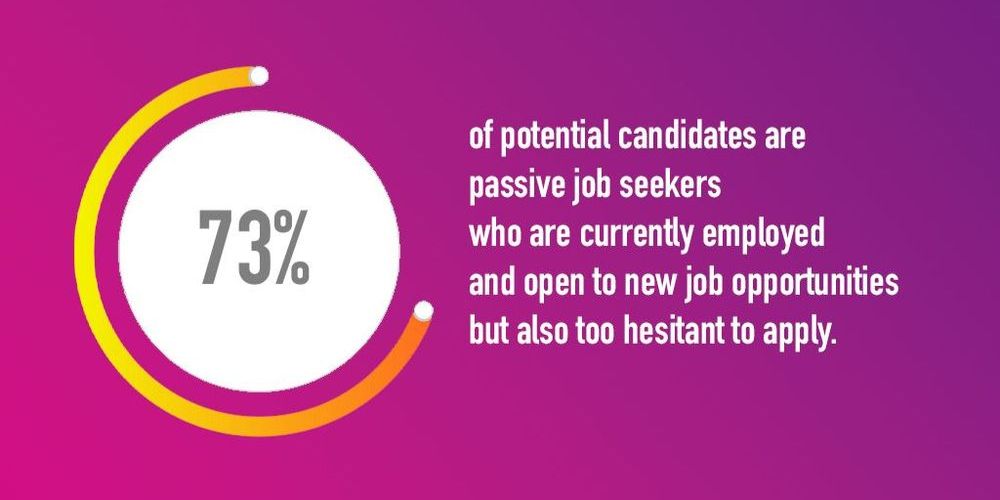
HR Cloud research shows about 73% of professionals are passive — open to the right opportunity but not actively searching. Passive recruitment uses talent databases, headhunting, webinars, and content to engage them over time.
Strengths: Higher-quality candidates, less competition for attention, builds sustainable pipeline.
Limits: Slow conversion, requires sustained relationship-building.
Best for: Senior roles, specialist skills, long-horizon hiring strategy.
9. Hybrid Approach
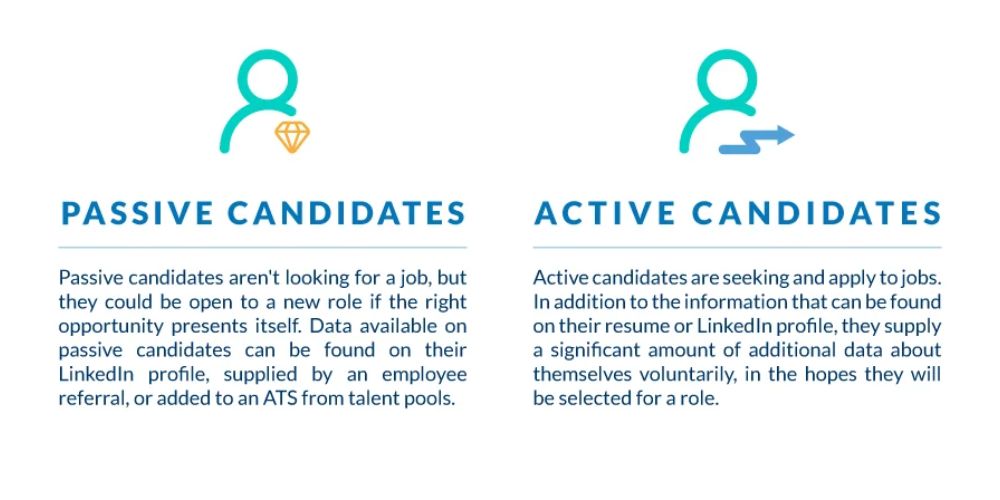
Combining active and passive methods — job boards plus talent-pool nurturing, agency partnerships plus direct sourcing. The hybrid model handles immediate needs while building future capacity.
Strengths: Best of both worlds, role-flexible, future-proofs the funnel.
Limits: Requires more sophisticated tooling and process discipline.
Best for: Most mid-to-large companies; rapidly the default approach.
10. Diversity Recruitment
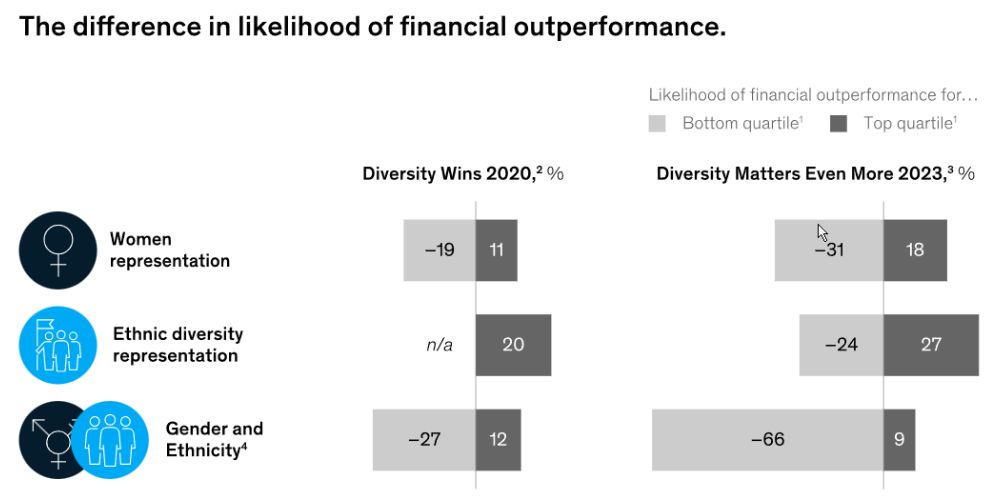
Deliberate strategies to broaden the candidate pool — inclusive job descriptions, structured screening, blind resume review, outreach to underrepresented groups. McKinsey diversity research shows top-quartile-diverse companies financially outperform less-diverse peers by 27%+.
Strengths: Innovation gains, broader talent access, brand reputation, regulatory alignment.
Limits: Requires sustained leadership commitment; performative effort produces no benefit.
Best for: Every modern hiring program — it's not optional anymore.
11. Employee Referrals
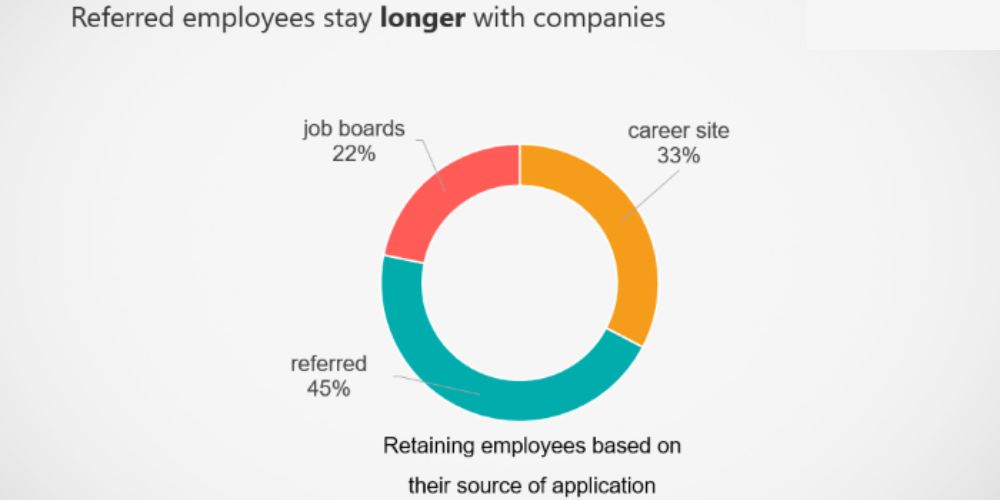
Asking existing employees to recommend candidates — often the highest-quality channel by retention metrics. Forbes research shows 55% of referral hires stay 4+ years versus 25% of job-board hires staying 2+ years.
Strengths: Fast, cheaper than agency hires, strong retention, cultural pre-screening.
Limits: Can narrow diversity if referrals come from homogeneous networks; needs structured oversight.
Best for: Most roles; almost every company should have an active referral program.
12. Employer Branding
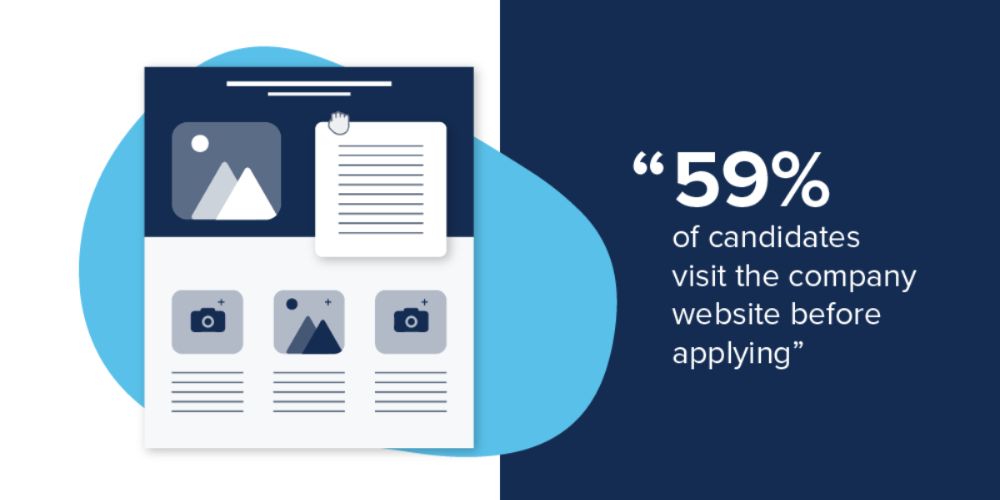
Building reputation and content so candidates choose you before the job posts. IBM research shows strong employer brands generate 50% more qualified candidates and 28% lower turnover.
Strengths: Compounding effect over time, lowers per-hire cost, attracts passive talent.
Limits: Slow to build, requires sustained content and culture investment.
Best for: Companies competing for talent in difficult markets; long-term strategic priority.
13. Boomerang Hiring
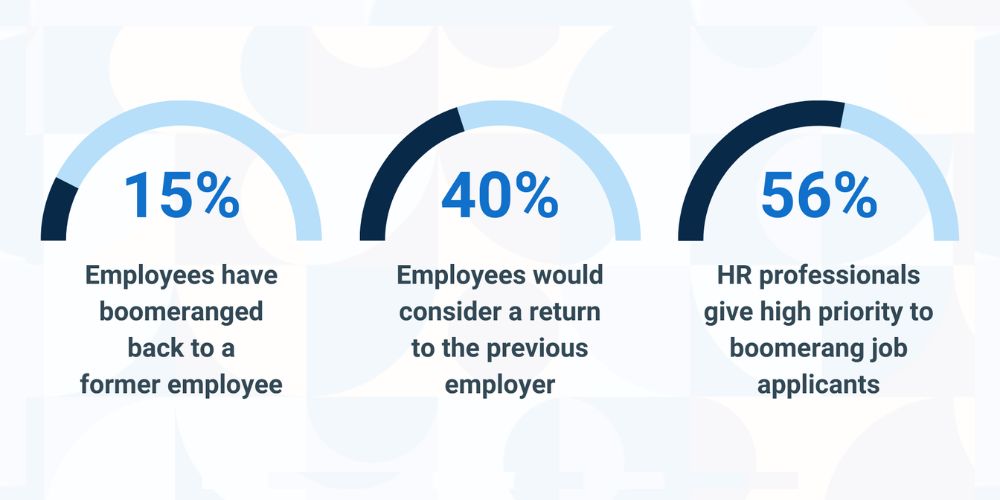
Rehiring former employees who have gained experience elsewhere. They know the culture, ramp up fast, and bring outside perspective the original tenure didn't.
Strengths: Fast onboarding, known cultural fit, fresh perspective from outside experience.
Limits: Can encode preferences for past patterns; not all former employees should return.
Best for: Specialist roles where deep institutional knowledge matters; alumni networks.
14. Talent Pool Databases
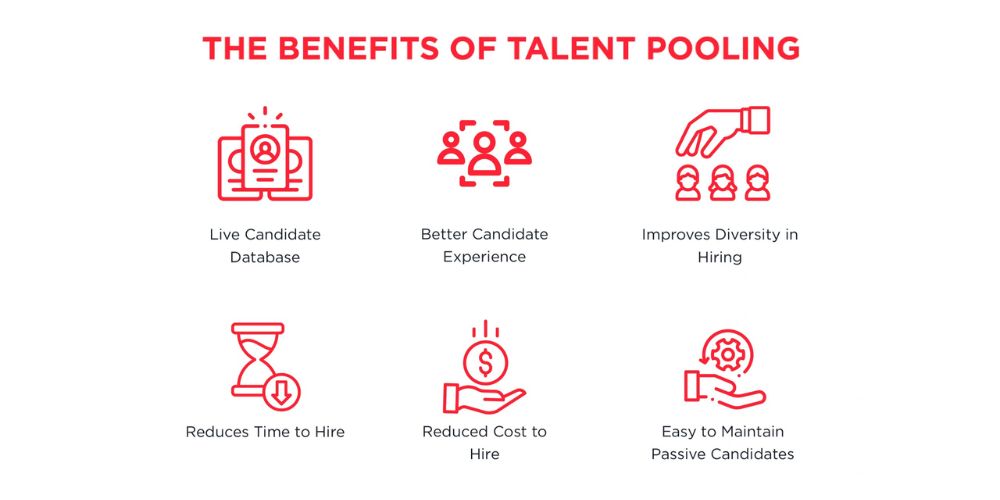
Maintained databases of past candidates, silver medalists, and engaged passive prospects. When a role opens, the first search is internal — not external.
Strengths: Dramatic time savings, lower sourcing cost, relationship continuity.
Limits: Requires CRM discipline and consistent candidate engagement; data hygiene.
Best for: Mid-to-large companies with consistent hiring volume.
15. Employment Exchanges
Government-run or industry-organised exchanges that connect employers with job seekers, particularly for entry-level and high-volume roles. Low cost and broad pool access make them effective for specific use cases.
Strengths: Low cost, broad pool, government infrastructure for workforce planning.
Limits: Quality variability, slower than private channels, less role-specific targeting.
Best for: Public sector, manufacturing, hospitality, bulk hiring.
How to Build Your Hiring Stack
No single method is "the answer." The strongest programs blend several based on:
- Role profile: Entry-level high-volume vs senior specialist
- Urgency: Immediate need vs strategic pipeline building
- Budget: Agency-affordable vs cost-constrained
- Internal capacity: Sourcing team available vs needing external help
- Diversity goals: Whether current channels produce diverse candidate slates
A reasonable default stack for most companies: internal mobility (first option) → employee referrals → direct sourcing through LinkedIn/dedicated platforms → external job boards for specific roles → agencies/RPO for executive and specialist roles → AI screening across the funnel.
The Bottom Line
Modern recruitment is not about picking one "best" method — it's about building a coherent stack that combines internal mobility, external sourcing, third-party support, and technology in the right proportions for each role. The strongest programs treat methods as a portfolio rather than a single bet, measure cost-per-hire and quality-of-hire by channel, and adapt as the market shifts. The companies that get this right consistently outhire competitors twice their size; the companies that default to "post and pray" keep wondering why hiring stays so hard.
FAQs
Which recruitment method has the highest quality-of-hire rate?
Employee referrals consistently produce the highest retention rates — Forbes research shows 55% of referral hires stay 4+ years. Internal mobility typically ranks second. External hires through job boards have lower retention rates on average.
How long does external recruitment take vs internal?
Industry averages: internal recruitment fills roles in ~20 days, external recruitment takes ~49 days. The gap reflects sourcing time, screening, interviews, and onboarding — all of which are shorter for internal candidates.
Is AI-driven recruitment replacing traditional methods?
No — augmenting them. AI handles initial filtering, scheduling, and pattern detection. Humans handle judgement, relationship-building, and final decisions. The combination produces better outcomes than either alone.
What's the most cost-effective recruitment method for small businesses?
Employee referrals and internal mobility. Both leverage existing relationships and culture knowledge, reducing the need for external agency fees or large job board spend.
How do I measure whether a recruitment method is working?
Track cost-per-hire, time-to-hire, quality-of-hire (90-day and 1-year retention), diversity of slates, and source-of-hire by channel. Compare across methods quarterly and reallocate budget accordingly.
Keep reading


Reverse Recruiters: What They Do and When They Actually Help
