

Pre-Employment Screening: What to Expect as a Candidate
Pre-employment screening explained — what employers check, how long it takes, common issues, and how to prepare for a smooth process.
Ployo Team
Ployo Editorial

TL;DR
- ~95% of US employers run background checks (Research and Markets).
- 75% of HR managers find false information on resumes (CareerBuilder).
- Standard checks: identity, work history, criminal record, skills tests.
- Most screening takes days to a week with prepared documentation.
- Bad hires cost ~30% of first-year earnings (Business.com).
A new job starts with paperwork, and screening is the part that makes candidates nervous. Good news: most of it is predictable. This guide walks through what employers actually check, what to expect, common issues, and how to keep the process moving smoothly.
What Pre-Employment Screening Is
A set of checks confirming who you are and whether your experience matches the role. Per Research and Markets, ~95% of US employers conduct background checks during hiring.
Some companies run checks before sending an offer; others after acceptance. Steps vary by job, industry, and local laws — but the core process is consistent across roles.
Protects companies from hiring mistakes; gives candidates a fair playing field. Sometimes paired with AI culture-fit screening for added context.
What Employers Check
Five common areas.
Identity verification
Legal name, ID documents, right-to-work confirmation. Keeps companies compliant with labour and immigration laws.
Employment + education history
Past roles, dates, degrees, credentials. Per CareerBuilder, 75% of HR managers have found false information on resumes — hence the verification.
Criminal record checks
Country-specific. Trust, finance, or sensitive-data roles see closer review. Not designed to penalise candidates — protects workplace integrity.
Skills tests and job assessments
Customer service roles may include communication checks; tech roles often include coding tests. Plus screening interview questions for fit assessment.
Additional checks where needed
Reference checks, financial history for sensitive roles, medical evaluations where legally required. May include certifications, licenses, or portfolio reviews.
Why It Matters

Three concrete benefits.
Reduces turnover and fraud
Per Business.com, bad hires cost ~30% of first-year earnings. Screening reduces that risk.
Creates fair playing field
Same steps for everyone reduces bias and adds process integrity.
Provides candidate clarity
You know exactly what's required. Replaces uncertainty with predictability — easier for everyone.
Older teams still use manual recruitment screening; modern teams use software for documentation, ID checks, and reference calls.
What Candidates Should Expect

Standard flow.
- Identity check: full name, government ID, right-to-work
- Work + education history review: past roles + degrees verified
- References contacted: past employers, especially for trust-focused roles
- Skills tests: short assessments where role-relevant
- Optional: certifications, licenses, medical clearance
- Optional: pre-employment affidavit confirming information accuracy
Throughout, expect occasional clarification calls. Matched details = smooth movement.
Common Issues and How to Avoid Them
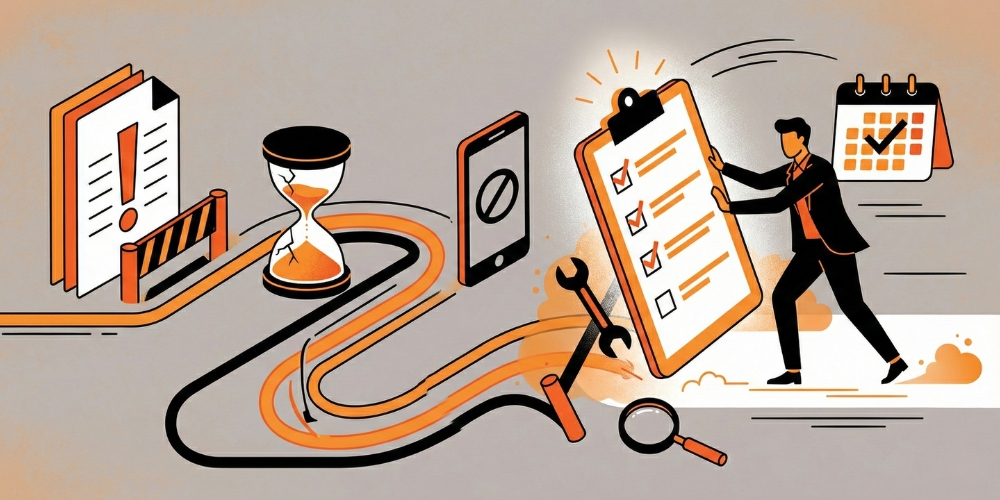
Five common bumps with fixes.
Missing or incorrect information
Fix: double-check resumes before submitting — incorrect dates or titles cause holds.
Delayed reference replies
Fix: notify references in advance so they're ready.
Old records you forgot about
Fix: tell employers upfront about anything that might surface. Transparency prevents surprises.
Document confusion
Fix: keep certificates, training records, and licenses in one folder for quick sharing.
Slow background-check turnaround
Fix: respond quickly to emails. Modern automation typically moves faster than manual checks.
The Bottom Line
A smooth screening experience starts with understanding the process. Most checks are simple — designed to confirm information, not catch you out. With organisation, transparency, and prepared documentation, the path to your new job stays clear and steady.
FAQs
What does pre-employment screening include?
Identity checks, work history verification, education, references, job-specific assessments, plus criminal or financial checks where legally required.
How long does screening take?
Most takes days to a week — depends on checks, reference responsiveness, and how quickly you submit documents.
Can a job offer be withdrawn after screening?
Yes, if results show significant differences between reported and verified information. Accurate, transparent applications prevent this.
Should I disclose past issues proactively?
Yes — for anything material likely to surface. Disclosure shows professionalism; surprise discoveries hurt trust.
What's the highest-leverage prep move?
Build one document folder with all certs, IDs, references, and history details before applying. Reduces friction and accelerates everything.


