

Recruitment Screening: A Complete Guide
Recruitment screening explained — process, methods, common mistakes, and how to build a strong screening system that picks the right people fast.
Ployo Team
Ployo Editorial

TL;DR
- Screening filters applicants before interviews — checks skills, experience, fit.
- Average ~242 applications per job in 2025 — 3x more than 2017 (Business Insider).
- 81% of employers use skills-based hiring (TestGorilla).
- Structured + tech-supported interviews save up to 50% interviewer time.
- AI accelerates screening while keeping human judgment in the loop.
Jobs attract hundreds of applications, most of which don't match the role. This slows hiring and creates uncertainty about who to advance. Recruitment screening solves this. This guide explains what it is, the process, methods, common mistakes, and how to build a fast and fair system.
What Recruitment Screening Is

The stage where you filter and shortlist applicants before interviews. Reviews work history, skills, education, early job-fit signals. Often includes tests, phone screens, short assignments.
Per Business Insider's 2025 analysis, employers now receive ~242 applications per job — 3x more than 2017. Early filtering is essential.
Per TestGorilla's 2024 State of Skills-Based Hiring, 81% of employers now use skills-based hiring to reduce mis-hires. Structured assessments are now core to screening.
Why Screening Matters

Three concrete reasons.
Avoids rushed decisions
Consistent criteria reduce hiring mistakes. Blind resume screening keeps focus on skills.
Makes hiring faster
Per Equitas interview-intelligence research, structured tech-supported interviews save up to 50% of interviewer time.
Protects against bad fits
Reduces turnover and improves retention because people start in roles matching their skills.
The Screening Process

Five stages.
1. Review applications
Resumes, cover letters, work samples. Filter against must-have skills, experience, certifications.
2. Initial screening
Phone call or short questionnaire. Confirms basics: availability, salary expectations, communication style.
3. Skills and job-fit tests
Skills assessments, personality tests, work samples. Compare candidates on real performance, not assumptions.
4. Shortlisting
Recruiters create final list against clear criteria. Send to hiring managers.
5. Move to interviews
Manual screening has already removed mismatches. Interviewers meet stronger candidates.
Screening Methods
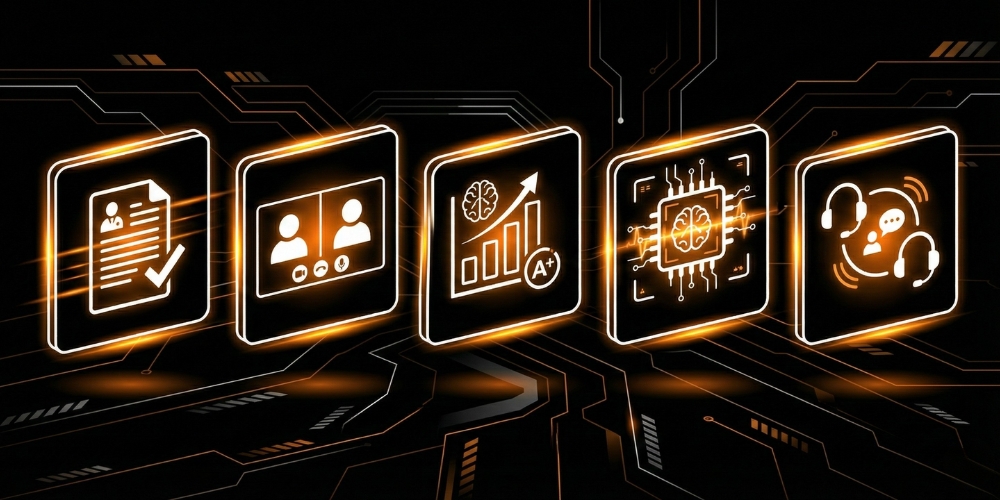
Five common methods.
Resume + profile screening
Resumes, cover letters, portfolios. ATS platforms speed this up by highlighting keywords and matching skills.
Skills assessments
Real-ability tests: problem-solving, writing, role-play, industry-specific challenges. Often combined with blind screening for bias reduction.
Phone or video screening
Short conversations confirming personality, communication, work readiness. First red flags emerge here.
AI-based screening support
Pattern recognition, fairness checks, AI culture-fit screening. Speeds review of large application volumes.
Background and verification
Education checks, work history verification, reference calls. Usually pre-final-interview or post-conditional-offer.
Common Mistakes (and Fixes)
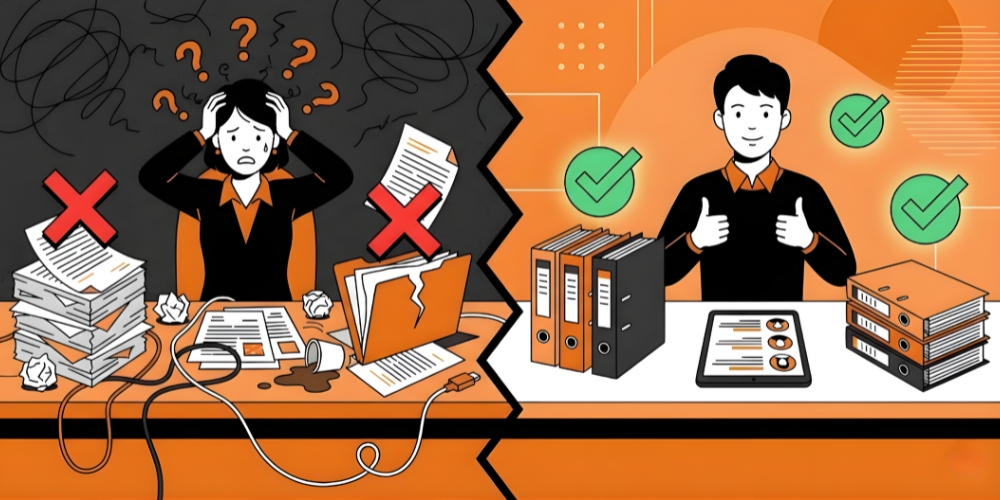
Five mistakes and remedies.
Overlooking qualified candidates
Too-strict criteria filter out strong applicants.
Fix: prioritise must-haves; focus on outcomes over long requirement lists.
Resume keyword over-reliance
Basic keyword checks miss strong applicants who phrase skills differently.
Fix: combine quick resume check with small tasks and structured screening questions.
Unclear evaluation criteria
Each recruiter doing their own thing produces uneven results.
Fix: shared scorecards aligned on what strong performance looks like.
Manual-only workflows
Slow when applications stack up. Strong candidates lost to competitors.
Fix: tools for application organisation, profile highlighting, repetitive task reduction.
Skipping culture-fit layer
Skills matter; long-term success requires working-style + values fit too.
Fix: structured questions revealing day-to-day work patterns and team dynamics.
The Bottom Line
Strong recruitment screening helps you hire faster, stay organised, and improve job matches from day one. With the right steps and tools, screening becomes a repeatable system instead of guesswork. Every well-designed stage moves closer to candidates who'll thrive and stay. Consistent criteria, structured assessments, and clear communication build a smoother journey for everyone.
FAQs
How does AI improve recruitment screening?
Reviews applications, spots skill matches, groups results. Handles repetitive work and surfaces patterns; humans make final calls.
What tools are used for screening?
ATS platforms, skills assessments, video tools, reference-check systems, communication platforms. Together they manage applications and keep evaluation consistent.
What does recruitment screening involve?
Resume review, skills checks, short tests, job-fit confirmation before interviews. Each step removes mismatches and surfaces stronger candidates.
How long should screening take?
Depends on volume and role. Most efficient teams complete first-pass screening in 24–48 hours after application.
What's the highest-leverage starting move?
Build one scorecard for your most-hired role and use it across the whole team. Consistency at screening is the biggest single quality improvement most teams can make.
Keep reading


