

One-Way Screening Interviews: The Complete Guide
One-way screening interviews explained — how they work, benefits, common concerns, AI integration, and best practices for recruiters.
Ployo Team
Ployo Editorial
TL;DR
- Candidates record answers on their own time; recruiters review later.
- 82% of companies use virtual interviews; 93% plan to keep them (TestGorilla).
- 47% of employers say video interviews speed up hiring (StandOut CV).
- Best for high-volume, remote, time-zone-mixed hiring.
- AI accelerates review without replacing human judgment.
Hiring teams feel the pressure when applications stack up. Calls take too long; scheduling drags; early interviews surface what could've been spotted earlier. One-way screening solves this without sacrificing quality. This guide explains how it works, where it fits, common concerns, and how AI fits in.
What a One-Way Screening Interview Is
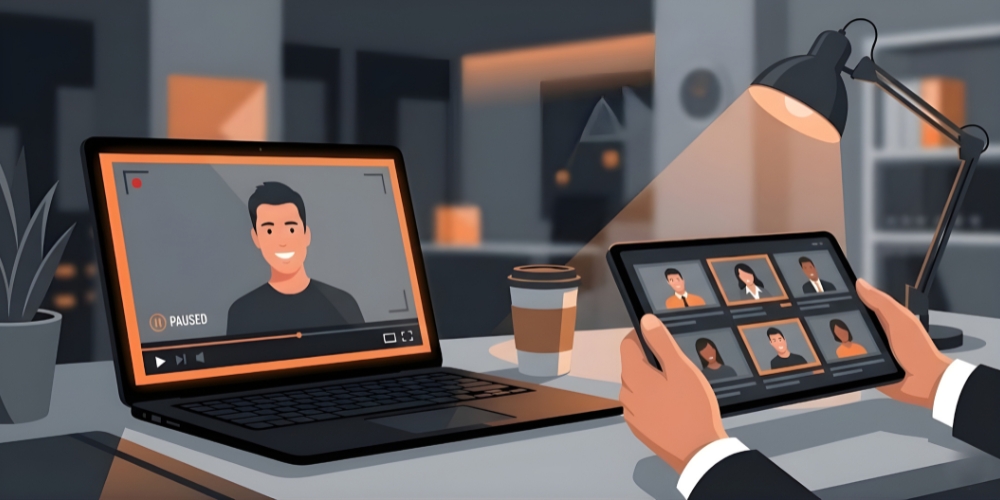
A hiring step where candidates record answers to preset questions using laptop or phone — not a live call. Recruiters review when convenient.
Names you'll hear
- One-way video interview
- Wedge interview
- Pre-recorded video interview
- On-demand interview
Filters applicants much faster than manual recruitment screening. Per TestGorilla's 2025 stats, 82% of companies use virtual interviews and 93% plan to keep them.
Unlike a live two-person interview, one-way gives every candidate identical conditions, no scheduling issues, and structured comparison.
How It Works
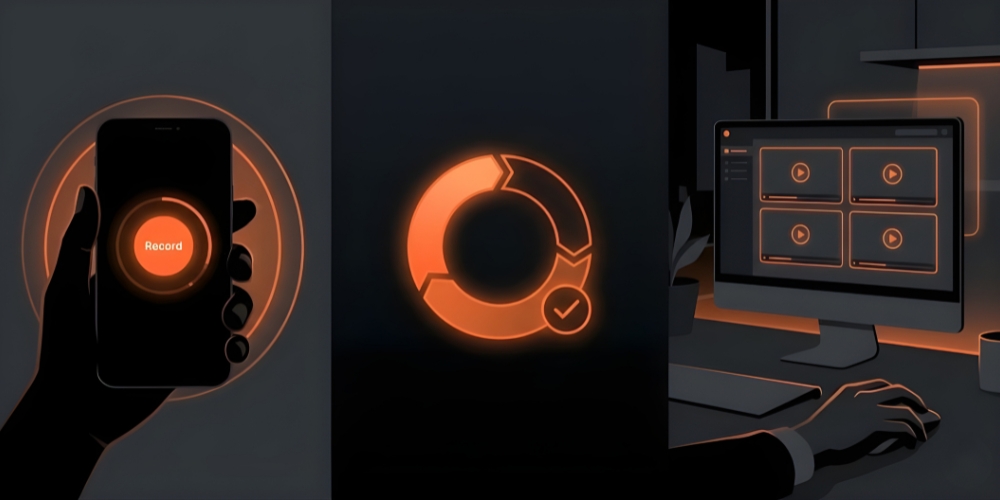
Five-step flow.
- Recruiter sets questions
- Candidate receives link
- Candidate records answers via webcam or phone
- Recruiters review when convenient
- Shortlist selected for the next stage
Platforms let you choose between strict timer (no retakes) or softer approach (one retry). Replaces long early-stage calls eating up calendars.
Per StandOut CV's survey of 506 employers, 47% say video interviews speed up recruitment, and 22% say they reach distant candidates more easily.
Benefits
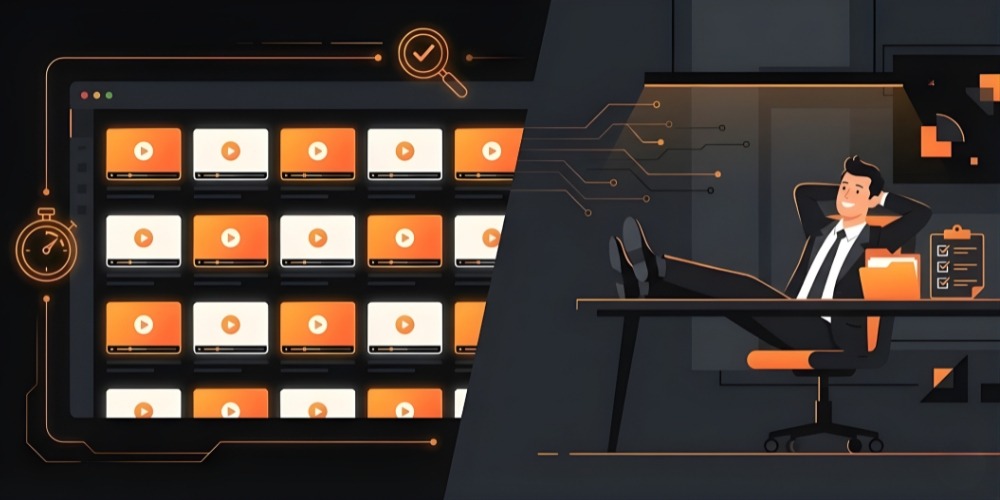
Seven concrete benefits.
Saves time
Review ten recordings in the time one phone call takes.
Improves fairness
Every applicant gets identical conditions — no mood, time-of-day, or scheduling variation.
Supports remote hiring
Candidates in different time zones participate without scheduling pain.
Better candidate comparison
Recordings enable side-by-side review without relying on memory.
Stronger role-fit signals
How candidates communicate and react under light pressure. Pairs with AI culture-fit screening.
Works alongside other formats
Strong candidates progress to live calls or onsite interviews after one-way pre-screening.
Reduces operational load
Recruiters focus on quality engagement instead of scheduling and repeated calls.
Common Concerns

Five concerns and answers.
"Feels too impersonal"
Add a short welcome clip from the recruiter or hiring manager. Warm greeting changes the candidate experience.
"What if candidates struggle with tech?"
Test link, clear instructions, device tips. Most platforms work on phone or laptop.
"Won't candidates feel judged quickly?"
Structured screening questions keep evaluation transparent and predictable — more consistent than time-constrained live calls.
"Is this fully automated?"
No. Humans review recordings; AI supports them. Not automated decision-making.
"What if candidates prefer live discussion?"
Strong candidates still reach live or onsite rounds. One-way replaces only the initial screen, not the final stages.
Best Practices
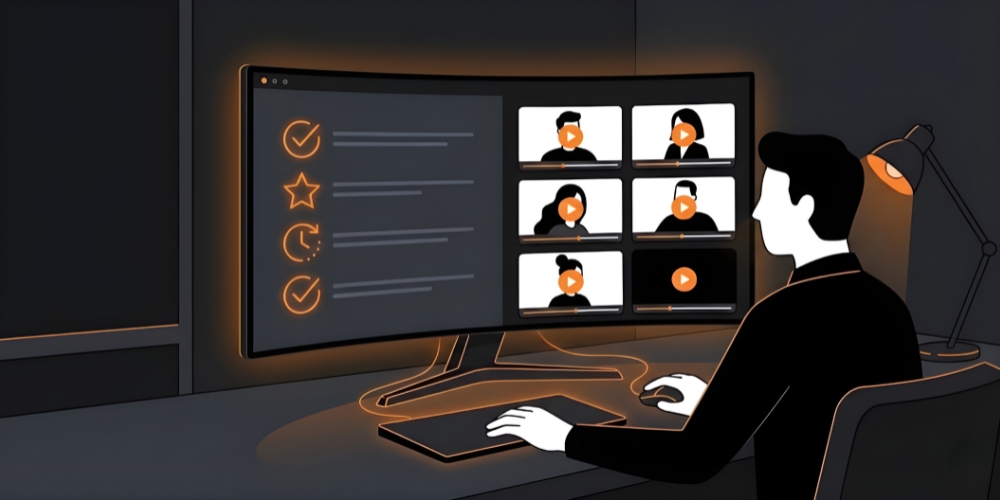
Five practices that consistently improve outcomes.
Keep questions short and focused
5–7 questions at this stage. Clarity, communication, basic skill signal.
Set clear expectations
Whether retakes are allowed, time per answer, prep time. Clear instructions raise completion rates.
Use consistent evaluation criteria
Build a scorecard before review. Prevents bias and stabilises quality.
Combine with live follow-ups
One-way shortlists; live or onsite rounds finalise. Use formats complementarily.
Manage data responsibly
Recordings are stored digitally; follow privacy standards. Review platform compliance settings.
How AI Improves One-Way Interviews
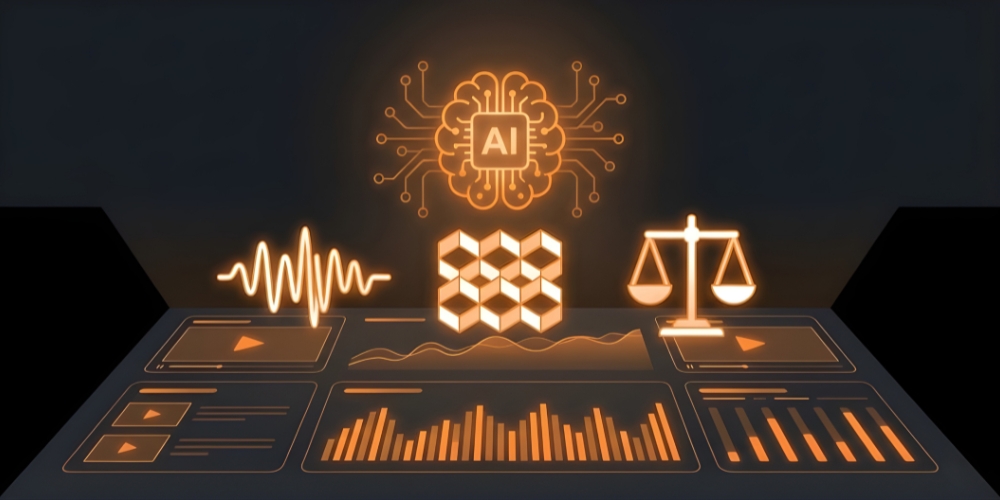
Four contributions.
Highlights communication signals
Clarity, organisation, direct addressing of the question — surfaced for recruiter review.
Reduces bias
Flags inconsistencies, supports fair comparison, removes some manual subjectivity.
Speeds shortlisting
Automatic transcription + noise filtering + smoother recording lets recruiters focus on content.
Supports human decision
AI doesn't replace the final call — it accelerates review and improves consistency.
The Bottom Line
One-way screening gives hiring teams a clean, efficient way to identify the right candidates without slowing the process. Removes scheduling pressure, structures evaluation fairly, focuses recruiter time on qualified applicants. With simple tech and clear communication, early interviews become a smoother, more candidate-friendly experience.
FAQs
How long do one-way interviews take?
Most recordings run 5–15 minutes depending on question count. Candidates complete on their own schedule.
How are responses evaluated?
Scorecards check clarity, communication, and job fit. Reviewers consider how well candidates explain past work.
Can AI make one-way interviews fairer?
Yes — by removing inconsistencies, improving comparisons, and surfacing patterns. Humans still own decisions.
Should I allow retakes?
Depends on goal. Strict timer (no retake) maximises authentic response. One retry softens pressure. Choose based on role type.
What's the highest-leverage starting move?
Switch one high-volume role to one-way screening with 5 standardised questions and a scorecard. The time savings show up within the first batch.
Keep reading


