

Agile Recruitment: How Sprints Speed Up Hiring
Agile recruitment explained — sprint-based hiring, cross-functional squads, real-time feedback, and how it cuts time-to-hire by up to 60%.
Ployo Team
Ployo Editorial

TL;DR
- Hiring in 1–2 week sprints replaces linear waterfall recruitment.
- Companies adopting agile cut hiring cycles up to 60% (LinkedIn).
- Three pillars: process, teams, technology.
- Daily/weekly stand-ups keep momentum and surface blockers fast.
- Best for fast-changing industries, scaling teams, multi-stakeholder roles.
You've heard "agile" for software — it's now reshaping recruitment too. Agile recruitment breaks hiring into short sprints, lets teams pivot fast, and produces measurably faster fills. This guide explains what it is, how it differs from traditional hiring, and how to implement it for your team.
What Agile Recruitment Is
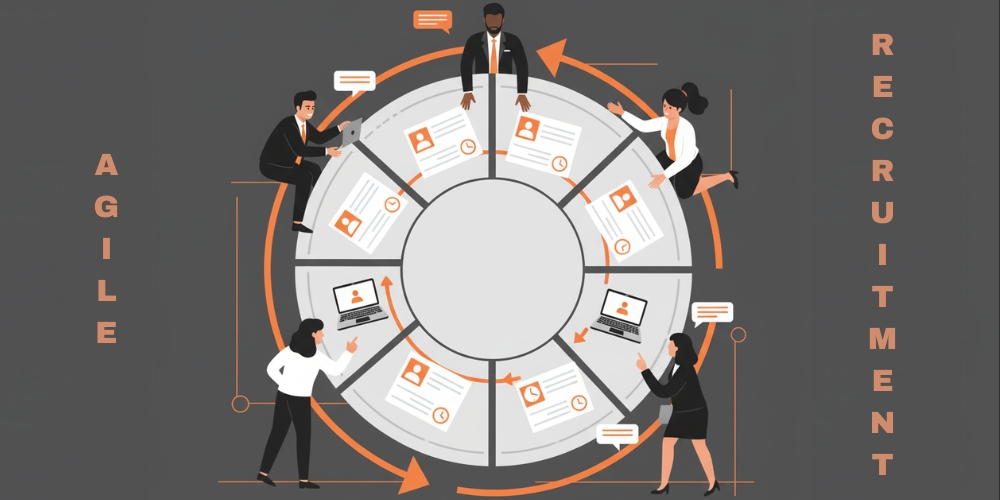
A dynamic, flexible hiring approach focused on adapting to changing business needs while continuously improving the process. Built on three pillars.
Process
Recruitment divided into manageable sprints. Teams focus on individual tasks, improve, and adjust to new requirements. Check-ins and reviews keep momentum.
Teams
Cross-functional collaboration. Hiring managers, recruiters, stakeholders working closely with constant communication.
Technology
ATS or HRIS organising candidates, tracking progress, surfacing patterns. Kanban boards plus video interviews keep distributed teams in sync.
Per LinkedIn hiring statistics, companies adopting agile recruitment have cut hiring cycles up to 60%.
Traditional vs Agile Recruitment
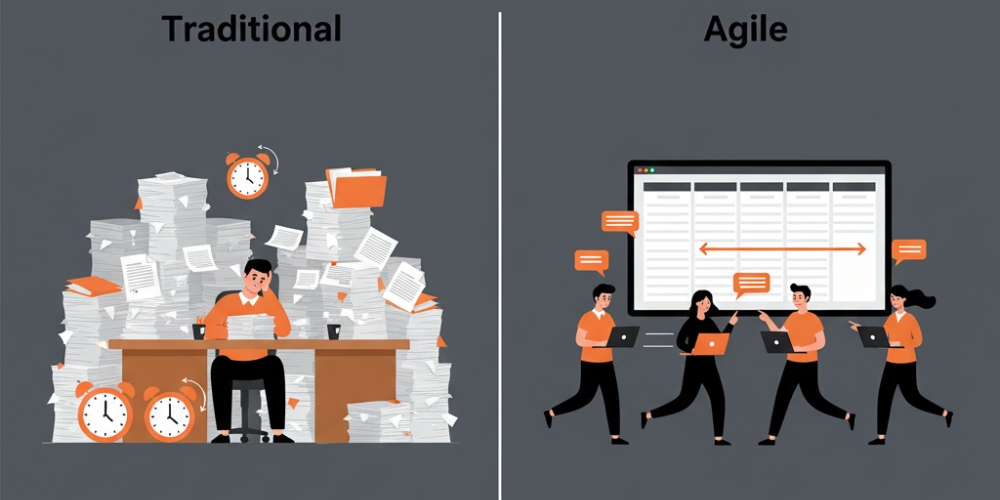
Two fundamentally different operating models.
Traditional
Linear, slow, hard to change. Post job → wait for applications → schedule interviews → hope nothing changes. Mid-process pivots break the whole thing.
Agile
Short focused cycles. Each sprint handles sourcing, screening, or interviewing — adjusts based on real-time feedback. Mid-process pivots happen naturally without restart.
Traditional optimises for plans; agile for progress. In fast-paced markets, the difference decides who fills roles and who loses talent.
Why Integrate Agile Recruitment

Five concrete benefits.
Faster hiring cycles
Smaller tasks plus tight deadlines and consistent follow-up. Pairs naturally with strong interview practices.
Real-time feedback
Sprint-based work creates regular checkpoints. Course corrections happen quickly instead of after long delays.
Better candidate experience
Faster response, frequent updates, transparent process. Builds employer brand and trust.
Maximised productivity
Cross-functional collaboration prevents silos and rework. Teams stay aligned on priorities.
Adaptability
Sudden hiring spikes or urgent roles don't break the process — they get absorbed into the next sprint.
How to Implement Agile Recruiting
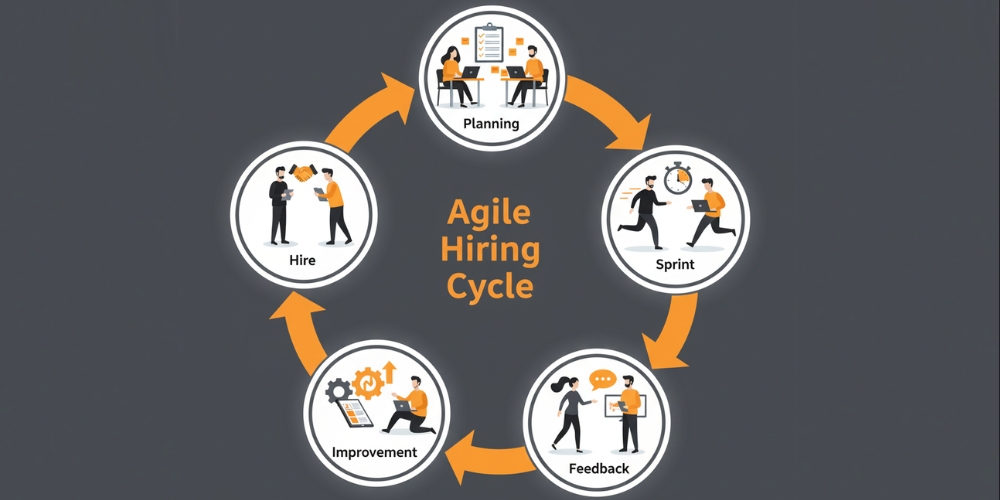
Eight implementation steps.
1. Understand agile principles
Iterative cycles, cross-functional collaboration, ongoing feedback, adaptability to changing needs.
2. Create cross-functional squads
Small teams of recruiters, hiring managers, key stakeholders owning specific roles or departments.
3. Break process into sprints
1–2 week cycles focused on resume screening, interview scheduling, feedback collection, advancement decisions.
4. Use Kanban boards or ATS tools
Visual tracking — Sourced → Interviewing → Offer Extended → Hired. Everyone sees status at a glance.
5. Implement stand-ups
Daily or weekly sync-ups. Short, focused, momentum-building.
6. Continuous feedback
After each stage, from candidates and team members. Refines the process and surfaces bottlenecks.
7. Measure and iterate
KPIs: time-to-hire, quality of hire, candidate satisfaction, offer acceptance rate. Use data to refine.
8. Build a culture of flexibility
Teams must embrace change, try new approaches, listen to feedback even when it challenges habits.
Pros and Cons
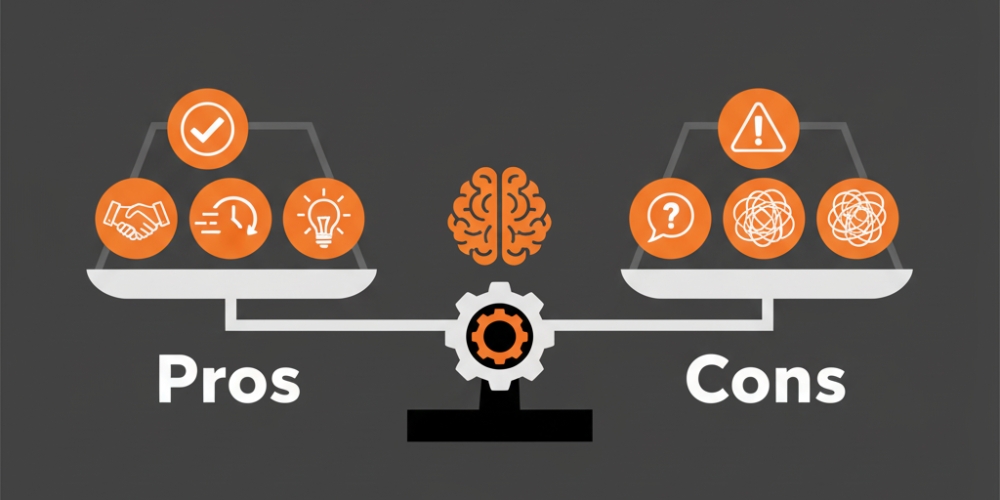
Pros
- Faster hiring cycles
- Better cross-team collaboration
- Improved candidate experience
- Adaptability to change
- Data-driven continuous improvement
Cons
- Initial resistance from traditionally trained teams
- Risk of communication gaps if stand-ups skipped
- Tool over-reliance can add complexity
- Time commitment required from all stakeholders
- Harder to scale at very large organisation size without structure
When applied thoughtfully, benefits typically outweigh drawbacks meaningfully.
When Agile Fits

Five scenarios where it shines.
High-volume or frequent hiring
Sprint cycles keep things flowing across many roles simultaneously.
Fast-changing industries
Tech, startups, marketing — roles evolve overnight. Agile adapts faster than waterfall.
Multi-stakeholder approval chains
Daily syncs cut "waiting on someone" delays substantially.
Candidate-experience focus
Transparency and regular feedback create smoother journeys.
Data-driven teams
Metrics-rich iteration suits teams already tracking KPIs.
The Bottom Line
Agile recruitment isn't hype — it's how modern teams hire without the headaches. Sprint cycles, real-time feedback, cross-functional collaboration: faster fills + better candidate experience. Takes buy-in and the right tools, but for teams tired of rigid processes that can't keep up, agile turns hiring from chore into competitive advantage.
FAQs
How does Agile improve hiring speed?
Sprint cycles surface bottlenecks fast. Continuous feedback drives course corrections without restart. Cross-functional collaboration eliminates serial-handoff delays.
What are Agile hiring sprints?
1–2 week focused work cycles handling specific stages — screening, interviews, feedback, advancement. Each ends with review and next sprint planning.
Can small HR teams use Agile recruitment?
Yes. Often more easily than large ones — smaller teams already collaborate naturally. The structure and discipline of Agile amplifies what's already working.
How long until benefits show up?
Most teams see meaningful improvements within 2–3 hiring cycles. Significant transformation within 6 months.
What's the highest-leverage starting move?
Implement daily 10-minute stand-ups on your most active hiring role for 30 days. The discipline reveals where waterfall fails and where Agile fits best.


