

Unconscious Hiring Bias: Where It Hides and How to Stop It
Unconscious hiring bias quietly skews recruitment — what it is, the risks, 10 examples to watch for, and how AI plus structured practice fix it.
Ployo Team
Ployo Editorial
TL;DR
- Candidates with "white-sounding" names are 30% more likely to be hired (2023 SSRN study).
- 76% of job seekers consider diversity a key factor when evaluating companies (Glassdoor).
- 10 common bias types: affinity, appearance, name, gender, age, etc.
- AI exposes patterns humans miss but doesn't replace human judgment.
- Structured interviews + diverse panels + bias-aware JDs reduce real harm.
Strong candidates get rejected even when they check every box — that's unconscious bias at work, silently shaping decisions through mental shortcuts and stereotypes. This guide breaks down what it is, the cost it carries, the 10 most common forms, and how structured practice plus AI together level the playing field.
What Unconscious Bias Is
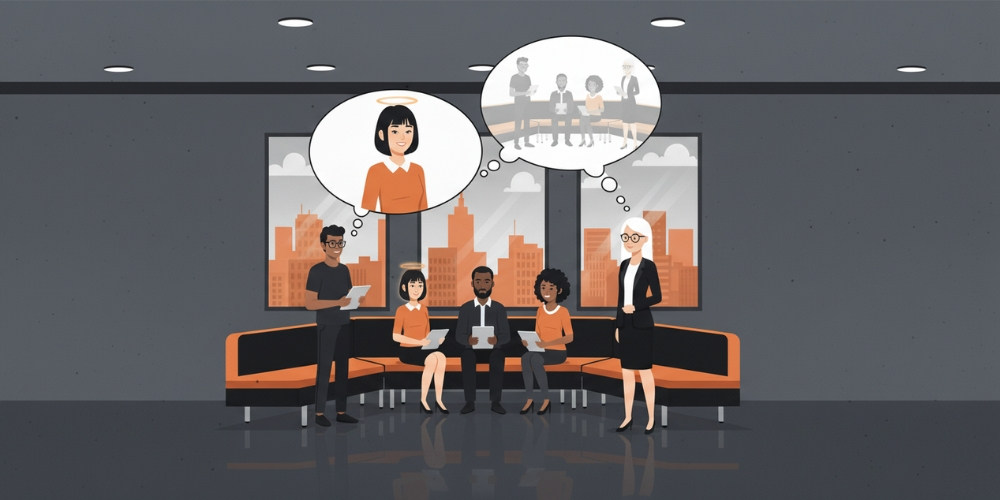
Hidden prejudices that influence hiring decisions without intent. Personal experiences, social norms, and stereotypes shape how recruiters perceive candidates — often below conscious awareness.
A clear data point: per a 2023 SSRN study, applicants with "white-sounding" names are 30% more likely to get hired than those with "black-sounding" names — even with identical qualifications.
Common forms
- Affinity bias: favouring people who feel "like us"
- Appearance bias: judging based on looks or dress
- Implicit bias: unconscious attitudes affecting perception
- Confirmation bias: weighting evidence that confirms first impressions
Spotting these is the first step. Addressing them comes through training, structure, and technology.
The Risks of Unconscious Bias
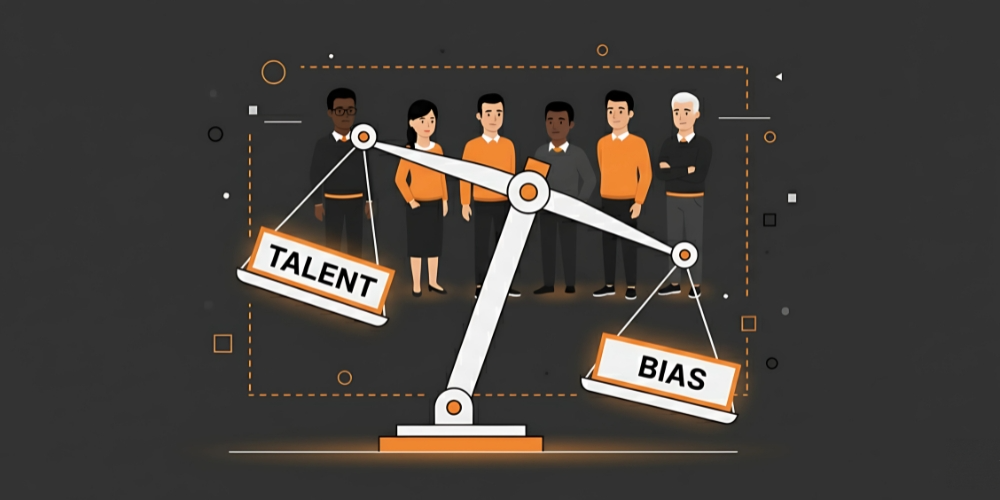
Bias is expensive. A biased recruitment process limits diverse talent, weakens culture, harms innovation.
Reputational damage
Per Glassdoor's diversity survey, 76% of seekers consider workplace diversity a major factor. Ignoring it shrinks the talent pool and drives away top performers who care about inclusion.
Common workplace examples
- Managers promoting people who mirror their behaviour
- Recruiters dismissing resumes with unfamiliar universities
- Interviewers judging accents instead of ability
The cost shows up as higher turnover, slower innovation, less dynamic workforces.
How AI Helps Reduce Bias
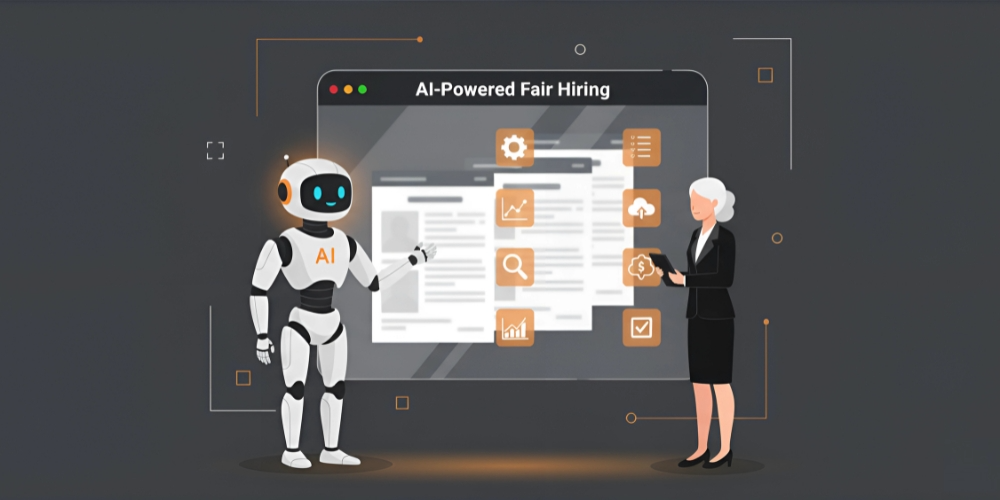
AI can't erase bias — but it can expose it. Modern tools analyse candidate data objectively, replacing gut feel with skill, experience, and performance comparison.
10 bias patterns AI can detect
- Gender bias in job descriptions
- Affinity bias during interviews
- Age or racial stereotypes in shortlisting
- Unequal questioning across candidates
- Overemphasis on cultural "fit"
- Bias in referral-based hiring
- Accent or communication-style judgments
- Resume filtering based on name patterns
- Experience gaps misread as incompetence
- Preference for familiar academic backgrounds
Tools support workforce planning analytics to identify exactly where bias enters — screening, interview scoring, or feedback loops.
Pair with human oversight to avoid gender bias and create fairer evaluations. AI empowers, not replaces.
Best Practices for Recruiters
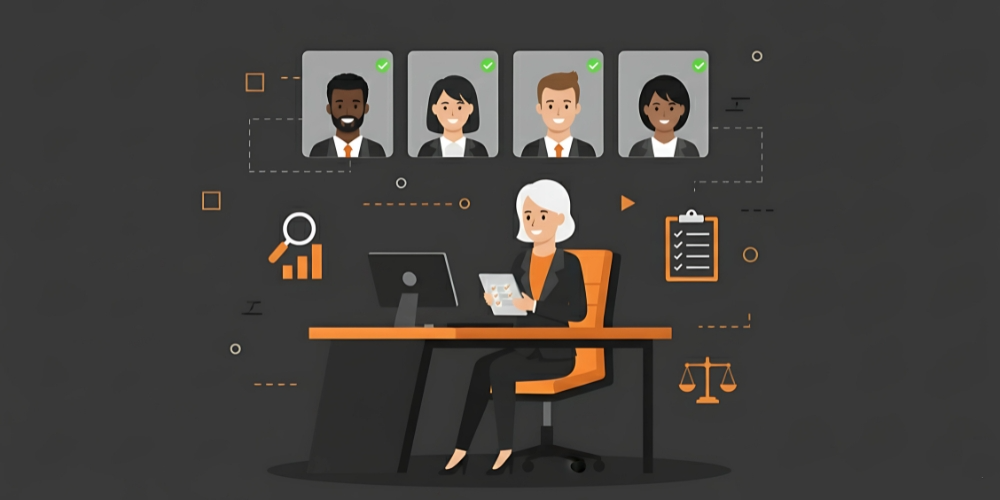
Five practices that combine awareness with action.
Structured interviews
Same questions for every candidate; scored on predefined criteria. Removes gut-feel decisions.
Diverse hiring panels
Different perspectives spot and challenge hidden bias. Better reflects organisational culture.
JD audits
Words like "rockstar" or "aggressive" subtly push candidates away. Tools flagging gender-coded language stop this early.
Use the data
Track who gets shortlisted, interviewed, hired. Patterns reveal more than intuition. Insight follows.
Continuous education
Bias training for hiring managers + interview-specific bias training equips recruiters to spot bias even under pressure.
Bias can't be eliminated entirely, but it can be minimised. Recruiters combining empathy + structure + tech hire better people faster.
How Modern Tools Help
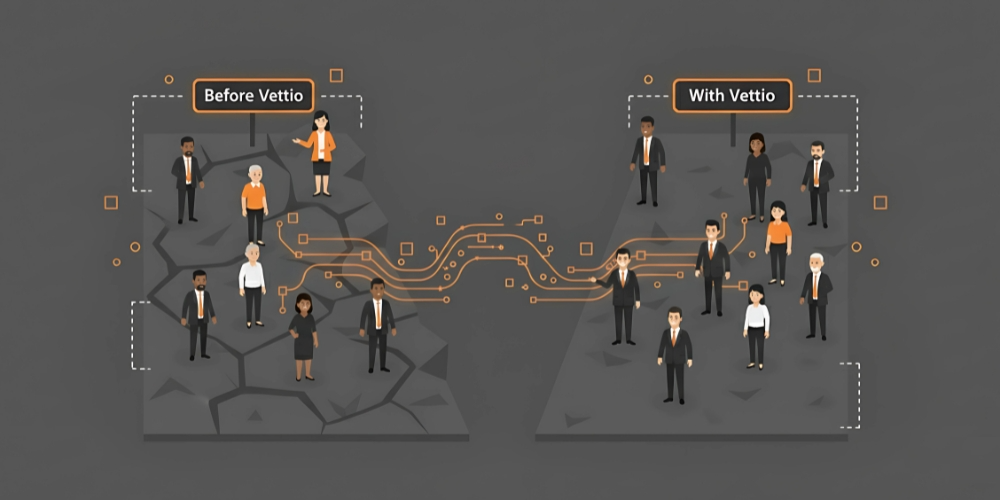
Bias thrives in silence. Modern AI tools surface it.
Platforms that highlight where bias creeps in — from sourcing to interview feedback — give recruiters the visibility they need to actually change behaviour. The pattern detection isn't accusatory; it's actionable.
The Bottom Line
Every bias starts in the mind — but doesn't have to end in the workplace. Recognising unconscious bias is a sign of maturity, not weakness. Recruiters who commit to fairness through structure, data, training, and tooling build stronger, more innovative teams. Diverse pipelines compound; biased pipelines decay.
FAQs
How does unconscious bias affect hiring decisions?
Influences who gets shortlisted, interviewed, or offered jobs. Often favours candidates sharing background, behaviour, or appearance over more qualified alternatives.
What are best practices to reduce bias alongside AI?
Standardised interviews, diversity metrics, structured bias training combined with AI tooling that flags bias signals.
Is unconscious bias always negative?
Not always — but even "positive" bias creates unfairness. Preferring certain schools or regions excludes equally capable talent outside the mould.
Why does reducing bias matter beyond compliance?
Strengthens decision quality, improves diversity, attracts innovation-driving talent. Beyond compliance, fairness builds trust, culture, and long-term performance.
What's the highest-leverage starting move?
Audit your top three JDs for biased language and pilot structured interviews on your most-hired role. Both produce visible improvements within a hiring cycle.


