

Teaching Jobs in Japan 2026: Requirements, Pay, and Benefits
Teaching jobs in Japan — ALT, Eikaiwa, international schools — visa requirements, salary ranges, hiring seasons, and how to land your first role.
Ployo Team
Ployo Editorial
TL;DR
- Bachelor's degree in any field is mandatory for the work visa.
- Entry-level monthly salary: ¥230,000–¥280,000.
- Three role types: ALT, Eikaiwa, international schools / universities.
- Major hiring seasons: April + September/October.
- Startup costs typically ¥300K–¥500K before first paycheck.
Moving to Japan without speaking the language seems impossible — until you find the teaching path. ESL teaching is one of the most accessible ways for English speakers to settle there. This guide breaks down the role types, visa requirements, salary expectations, and how to avoid the common mistakes new arrivals make.
Types of Teaching Roles
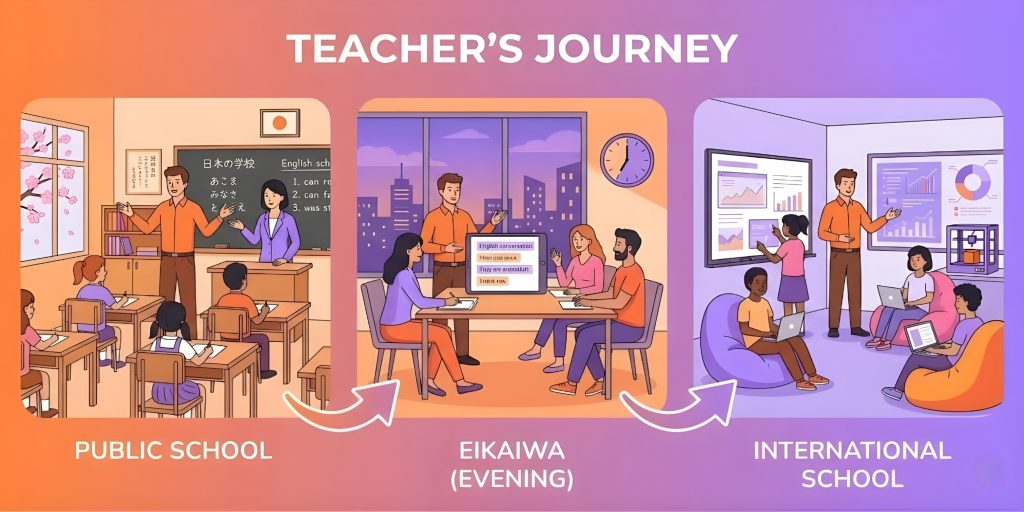
The Japan teaching market splits into three categories.
Assistant Language Teachers (ALTs)
Work in public elementary, junior high, or high schools alongside Japanese teachers. Most common route for English speakers wanting a standard weekday schedule.
Eikaiwa (conversation schools)
Private businesses offering English lessons outside regular hours. Evening and weekend work; students range from toddlers to retirees.
International schools + universities
Most lucrative roles, but highest qualifications — typically a Master's degree or home-country teaching license required.
These align with broader diverse hiring approaches Japanese schools increasingly use.
Minimum Requirements
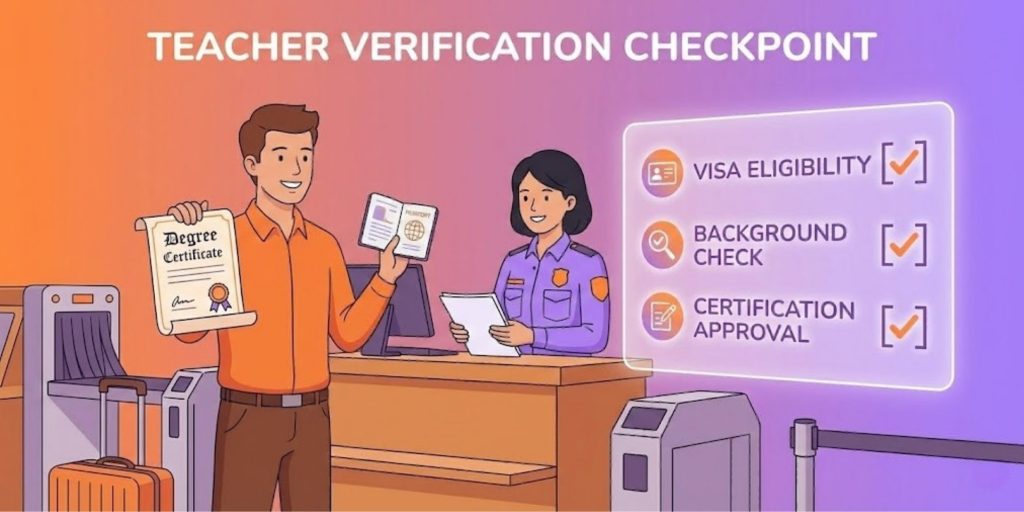
Four non-negotiables.
Bachelor's degree
Required for the work visa. Any field — doesn't have to be Education.
Native-level English
Most employers want 12+ years of education in an English-speaking country.
TEFL/TESOL certification
Not strictly required for the visa but makes you significantly more competitive. 120-hour minimum.
Clean criminal record
Background check required during visa application.
Pay and Benefits
Per GaijinPot's salary data, 2024–2025 salary brackets:
| Role Type | Monthly Salary | Key Benefits |
|---|---|---|
| JET Programme | ¥280,000 (Year 1) | Flight reimbursement, full insurance |
| Dispatch ALT | ¥215,000–¥255,000 | Commuting allowance, visa sponsorship |
| Eikaiwa | ¥250,000–¥275,000 | Training, performance bonuses |
| International schools | ¥300,000–¥600,000 | High stability, long holidays |
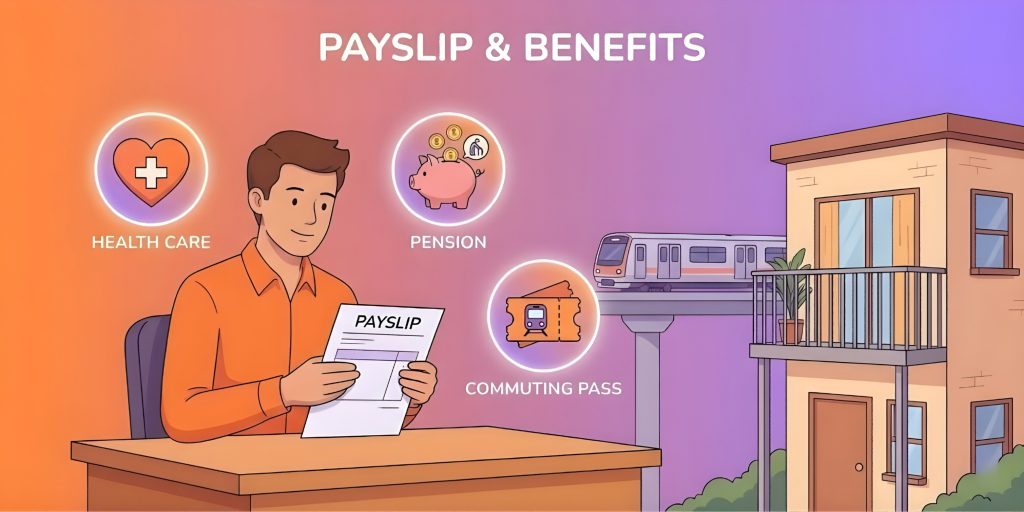
Standard benefits typically include Shakai Hoken (Social Insurance covering health + pension) plus commuter pass allowance for transit costs.
Public vs Private Schools

Different lifestyles, different fits.
Public schools (ALTs)
The "real Japanese experience" — school lunches, sports days, traditional rhythms. More vacation time, aligned with school holidays.
Private schools (Eikaiwa)
Structured curricula, modern facilities, more social work environment. Later starts; weekend shifts common.
Choice often comes down to lifestyle preference: consistent daytime schedule vs dynamic evening/weekend pace.
Common Mistakes New Teachers Make

Three traps that catch many first-time hires.
Cultural-misalignment in interviews
Many skip interview dos and don'ts specific to Japanese culture — no follow-up thank-you note, dressing too casually.
Wrong company match
Some schools hire from overseas; others only consider candidates already in Japan. Understanding which recruitment methods employers use saves wasted applications.
Underestimating startup costs
Per Jobs in Japan estimates, expect ¥300K–¥500K for first months' rent, deposit, and living expenses before the first paycheck lands.
The Bottom Line
ESL teaching offers one of the easiest paths into Japanese life and work — but competition means preparation still decides who gets the strong roles. Shape your resume carefully, research schools matching your priorities, and budget for startup costs realistically. From there, the move into Japan starts with one application and builds from there.
FAQs
Do I need prior teaching experience?
Not for most entry-level positions. Eikaiwa chains and ALT dispatch companies provide weeks of training. Experience helps for international school + university roles.
Is teaching in Japan well paid?
Comfortable middle-class wages. Not luxurious, but supports eating out, domestic travel, and modest savings. Stable demand keeps salaries predictable.
Does the job include housing?
Depends on contract. JET Programme and some rural placements may offer subsidised housing. Most city roles expect you to rent independently — schools often assist with finding a place.
What are the major hiring seasons?
April + September/October align with Japanese school year starts. Apply 3–4 months ahead for best results.
What's the highest-leverage first move?
Get a 120-hour TEFL certificate before applying. Lifts your competitiveness significantly compared to applicants with only a degree.
Keep reading


