

Japan Jobs With Housing Included: A Practical Guide for Expats
Japan jobs with housing included slash relocation friction — what to expect, industries that offer it, hidden costs, and recruiter trust signals.
Ployo Team
Ployo Editorial
TL;DR
- Standard Japanese rental contracts demand 5–6 months of rent upfront (Pacific Prime).
- Employer-housed roles save $2,000–$4,000 on move-in costs.
- Teaching, engineering/IT, and hospitality most often include housing.
- A US citizen needs a Certificate of Eligibility (COE) for stays beyond 90 days.
- Quitting typically gives you 7–14 days to vacate company-provided housing.
The biggest obstacle to moving to Japan isn't the visa — it's the rental system. Local guarantors, reikin key money, and 5–6 months of upfront rent make standard renting from abroad almost impossible. Jobs that include housing solve most of this and let expats focus on the move itself. This guide walks through how it works, what to watch for, and the costs you'll still face.
What "Job With Housing" Actually Means
Two common structures.
Company-leased apartments
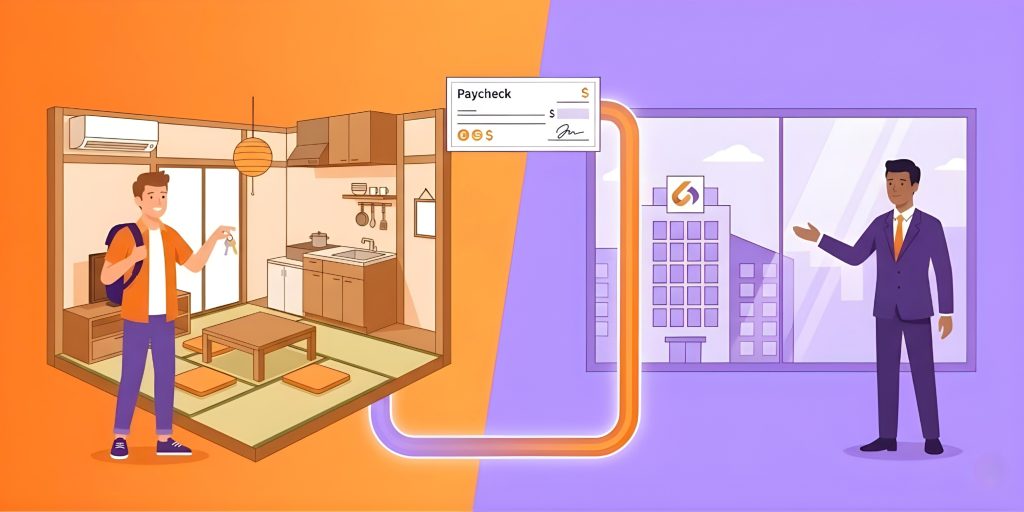
The company rents the apartment in its name (Minkan Shakuya), then deducts a subsidised rent from your paycheck. Eliminates the need for a Japanese guarantor — useful for an American moving from the US.
Housing allowance (jutaku teate)
The company provides a monthly stipend on top of your base salary. You find and rent your own place.
For most newcomers, the leased option is easier: the lease problem disappears. Look for "company dormitories" (shansha) or subsidised apartments — common in corporate culture so employees live near work.
Savings on upfront costs
Standard Japanese rentals charge 5–6 months of rent upfront (Pacific Prime data) — security deposit (shikikin), key money (reikin), agent fees, and advanced rent. A Tokyo studio can easily require over ¥400,000 (~$2,700) before keys.
Employer-housed roles typically waive these or cover them as part of relocation, saving $2,000–$4,000.
Roles That Most Often Include Housing
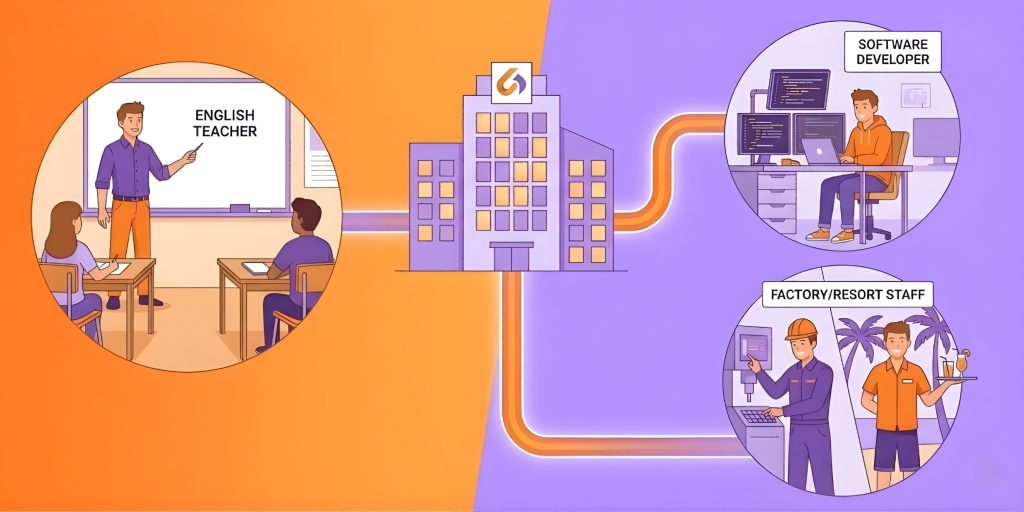
Three industries built around international recruitment.
English education
ALTs (Assistant Language Teachers) and Eikaiwa instructors almost always get housing assistance. Largest entry pathway for first-time movers.
Engineering and IT
Japan's tech talent shortage drives many firms to offer relocation packages. Sourcing diverse candidates with strong relocation support consistently improves retention.
Hospitality and ski resorts
Niseko, Hakuba, and other resort destinations offer "dorm-style" seasonal housing. Common for service roles.
Pros and Cons of Employer Housing
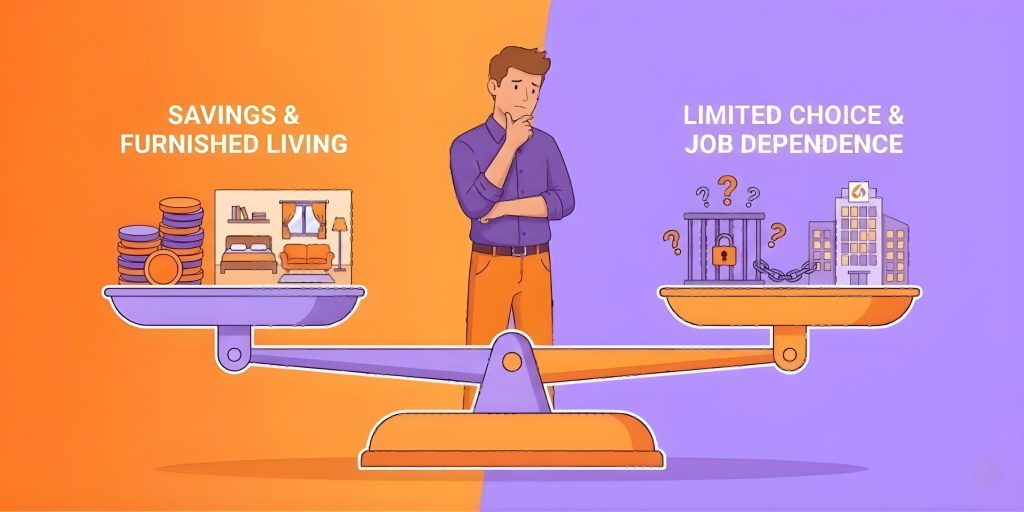
| Pros | Cons |
|---|---|
| Skip key money + agent fees (3–5 months rent) | Limited choice — often cookie-cutter units |
| Often pre-furnished (Leopalace21-style) | May be far from city centre |
| Company handles lease and landlord screening | Housing benefit can be taxable income |
| Smooth move-in timeline | Lease tied to job tenure |
Hidden Costs Expats Miss

Even with housing, four costs often surprise newcomers.
Maintenance fees (kanrihi)
¥5,000–¥10,000/month typical, separate from rent.
Utility setup
Electricity, water, and internet often require separate deposits even when rent is covered.
Furniture
"Semi-furnished" doesn't include washing machine, curtains, or basics. Budget for these.
Living-space sizing
The "healthy" minimum for single occupancy is 25 sqm; many company apartments come in around 19–20 sqm. Plan accordingly.
Per Japan Guide's 2023 data, average single-room rent in Tokyo runs ¥50,000–¥70,000 ($470–$650 USD) — but utilities, fees, and furniture add meaningful cost. Budget at least $3,000 in savings for hidden startup costs.
What to Confirm Before Signing
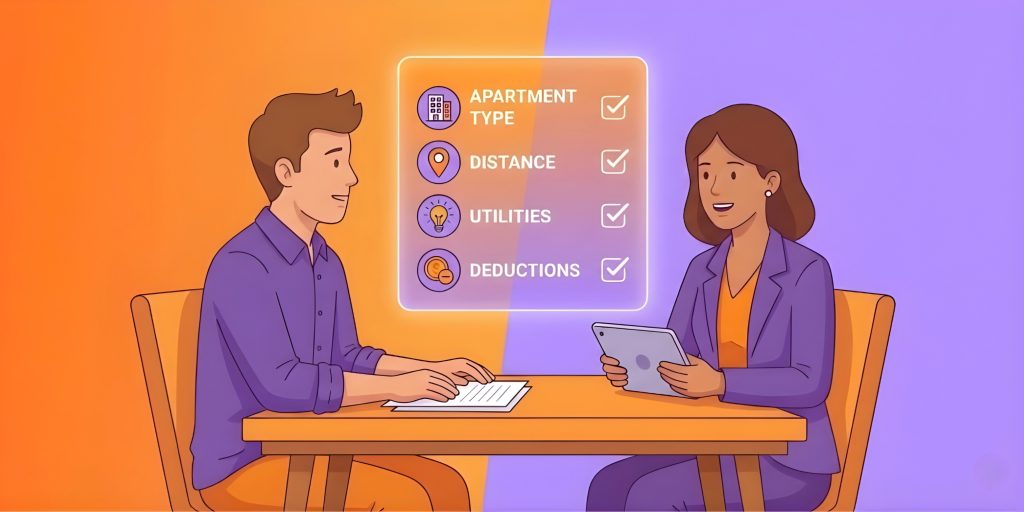
Four direct questions to ask recruiters. Combine with interview etiquette specific to Japan for stronger overall positioning.
- Is the housing a private apartment or a dormitory?
- What's the exact monthly deduction from salary?
- Is the apartment within walking distance of the office/school?
- Are utilities included in the subsidised rate?
Asking these signals diligence and protects against unwelcome surprises after arrival.
How Recruiters Assess Relocation Risk
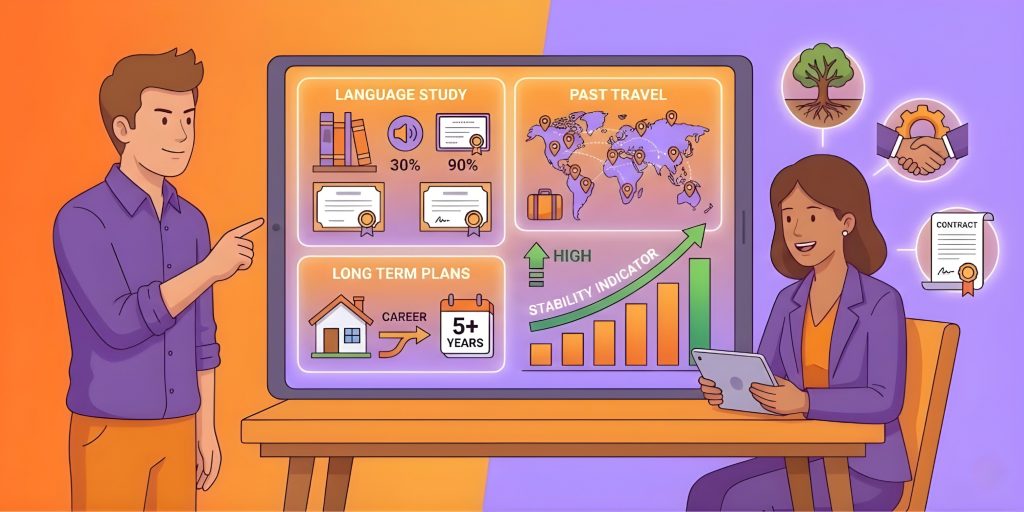
Companies investing in housing want hires who'll stay. Three signals recruiters track when running their candidate attraction strategy.
Ties to Japan
Have you studied the language? Visited before? Active interest in Japanese culture?
Resilience
Can you handle culture shock and a 20-sqm apartment? Past international experience helps demonstrate this.
Financial stability
Even with housing, recruiters want to see you can manage living costs. Showing realistic budgeting in conversations builds confidence.
Stay strategy
A US citizen can stay 90 days without a work visa; longer stays require a Certificate of Eligibility (COE) through your employer. Showing commitment to learning Japanese (JLPT goals) consistently strengthens applications.
The Bottom Line
Jobs with housing included make moving to Japan dramatically more feasible — the rental system is the main barrier, and these roles eliminate it. Target English education, engineering/IT, or hospitality if you're starting out. Ask precise questions about deductions, utilities, and location before signing. Budget for hidden costs (maintenance, utility setup, furniture). And signal long-term commitment to recruiters — they invest in housing for people who'll stay, not for tourists.
FAQs
Do all Japan jobs include housing?
No. Most standard office jobs expect you to find your own place. Housing is typically offered by large corporations, teacher recruitment agencies, or specialised tech firms.
Is employer housing free?
Rarely. It's usually subsidised — company covers a portion, the rest deducted from your pre-tax salary.
Can I pick my own apartment?
With a Housing Allowance: yes. With Leased Apartment arrangements: usually no, you accept the unit the company has contracted.
What happens to housing if I quit?
Since the lease is in the company's name, you lose the right to live there. Typical grace period: 7–14 days to vacate or find a new lease.
What's the highest-leverage move when applying?
Demonstrate commitment to staying long-term — Japanese language progress, visits, written stay plans. Companies investing in housing want low-flight-risk hires, and explicit signals here meaningfully strengthen applications.
Keep reading


