

KSA Resident Identity Card (Iqama): Complete Guide for Expats
Saudi Arabia Iqama explained — who needs it, required documents, step-by-step application, renewal, and everyday uses for expat residents.
Ployo Team
Ployo Editorial
TL;DR
- Iqama = resident identity card for non-Saudi residents; also functions as primary ID.
- Mandatory for nearly all foreigners working under employer sponsorship.
- Required documents: passport, contract, medical exam, photos, sponsor docs.
- Renew + manage status via Absher or Muqeem digital portals.
- Needed for banking, healthcare, housing, SIM cards, government services.
The Iqama is the lifeline document for expat life in Saudi Arabia — without it, opening a bank account, renting a flat, or getting a SIM is effectively impossible. This guide walks through what it is, who needs it, how to apply, what documents are required, and how to keep it valid.
What the Iqama Is
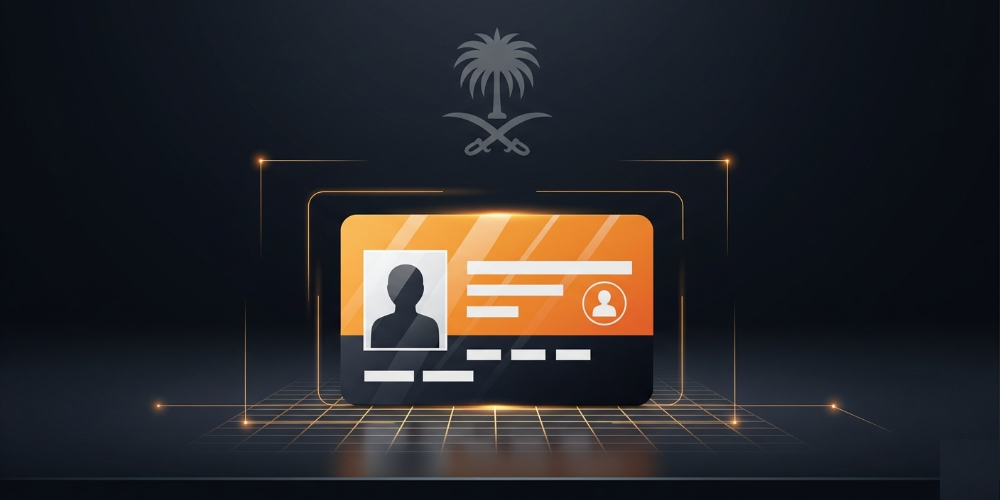
A residence permit and identity card issued to non-Saudi residents in the Kingdom. Serves as both legal stay permit and government-issued ID.
The card displays your sponsor (employer), job title, nationality, name, and a unique ID number. It integrates with KSA's digital identity systems via Absher and the Ministry of Interior, making most government and commercial services accessible online once registered.
Who Needs One
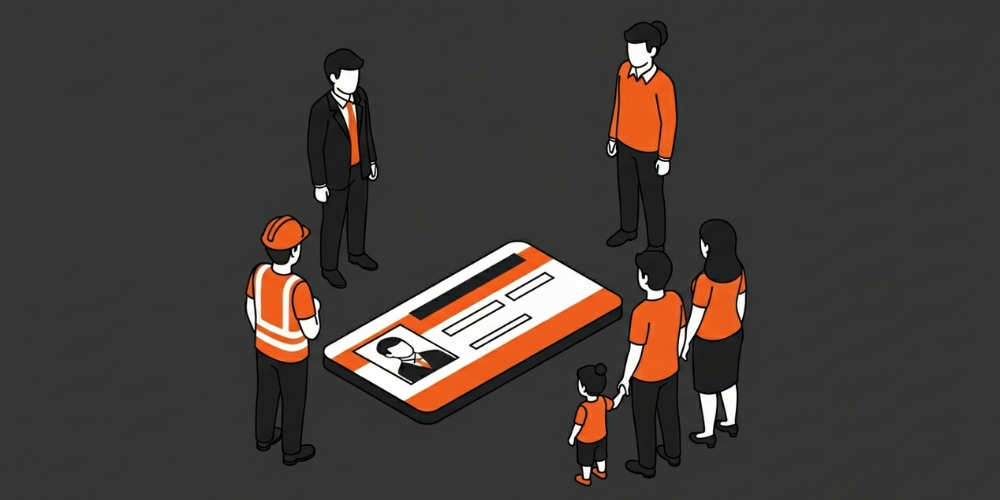
Five groups in practice.
Expatriate workers
Mandatory for foreigners employed under Saudi sponsorship.
Dependents
Spouse and children of Iqama holders are typically sponsored under the holder and receive their own dependent Iqama, depending on age.
Professionals and technical specialists
Engineers, architects, technicians. Many also register with the Saudi Council of Engineers for ongoing professional verification.
Anyone using essential services
Banking, healthcare, housing, utilities, mobile registration, dealings with recruitment agencies in Saudi Arabia — all require an Iqama.
Anyone staying beyond short-term
Even on a work visa, you typically must obtain Iqama within 90 days of arrival.
Documents Required
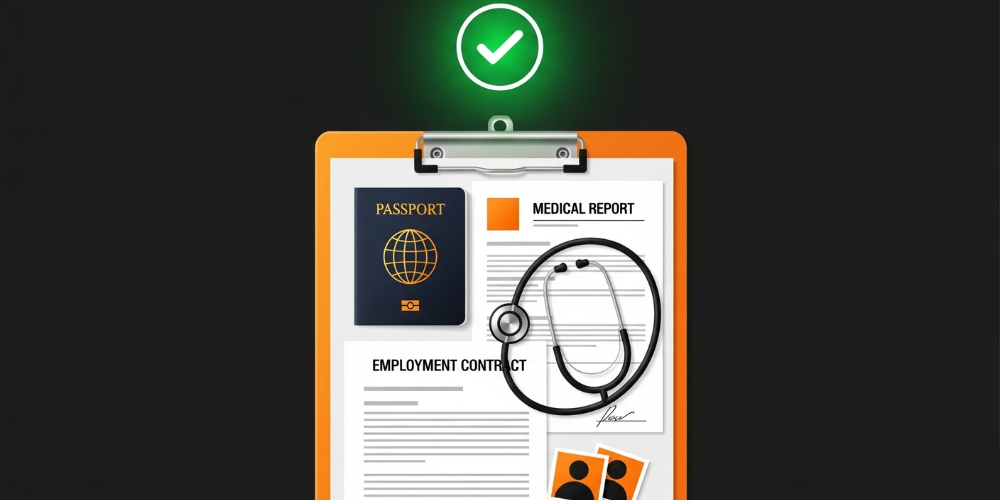
Gather these before starting.
| Document | Purpose |
|---|---|
| Valid passport with work visa | Cannot be near expiry |
| Signed employment contract | Issued by sponsor, often officially certified |
| Medical examination report | Approved health centre; checks contagious disease + general health |
| Passport-size photos | Recent, white background |
| Sponsor's documents | Sponsor's Iqama, company registration, chamber of commerce certification |
| Clean criminal record (if required) | Profession-dependent |
| Academic / professional qualifications | Some professions, especially regulated ones |
| Health insurance | Often required at application and renewal |
Nationality, employer, job type, and city can add specific requirements. Check with your employer or the General Directorate of Passports (Jawazat).
Step-by-Step Application
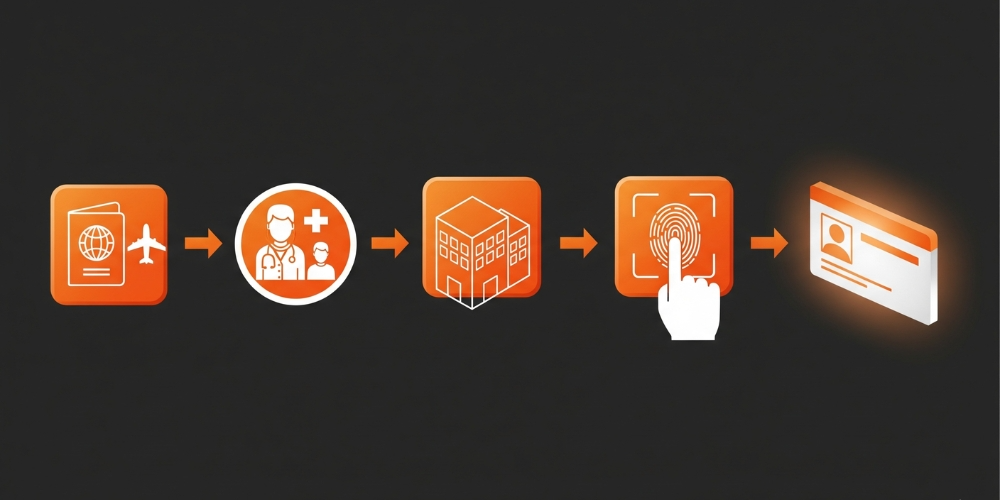
Nine steps from offer to issuance.
1. Secure a job and sponsorship
You need a Saudi-based employer willing to sponsor your residence.
2. Obtain work / entry visa
Per Jobbatical's KSA guide, your employer secures visa authorisation via the Ministry of Foreign Affairs (MOFA), sometimes under a block-visa quota.
3. Enter Saudi Arabia
Travel to the Kingdom within the visa's permitted window once stamping is complete.
4. Complete medical examination
Required tests at a licensed health centre. Report submitted with your Iqama application.
5. Submit documents through sponsor
Passport + visa, contract, photos, sponsor documents, qualifications, criminal record where required.
6. Biometric collection
Visit Jawazat for fingerprints, facial scan, and photos — now mandatory.
7. Pay fees
Iqama fees, work permit (Maktab Amal), renewals. Usually employer-covered.
8. Receive your Iqama
Verification of all documents, health checks, biometrics, fees — then issuance. Shows status, sponsor, job, expiry.
9. Renew on time
Typically valid for one year. Renew via Absher or Muqeem before expiry to avoid fines.
Common Uses
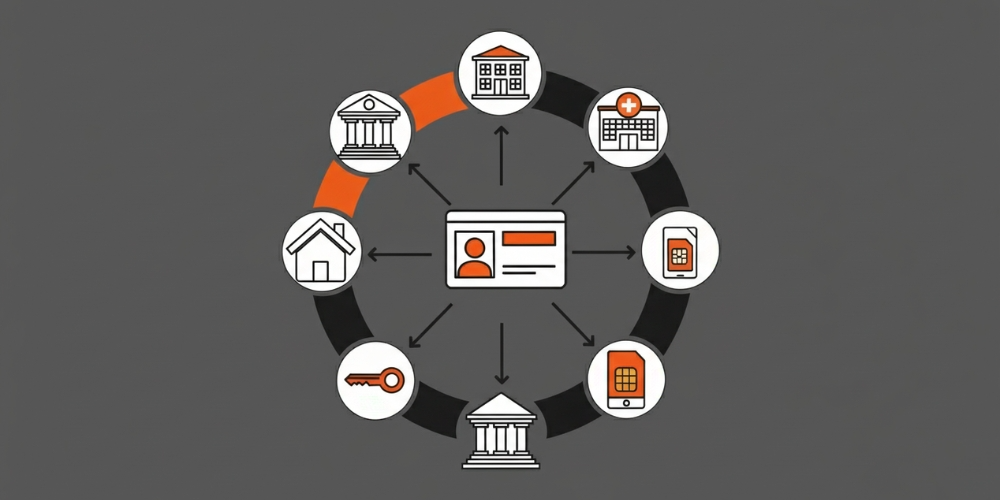
What you actually use it for daily.
- Opening bank accounts
- Signing leases / renting housing
- Utility connections — electricity, water, internet
- Accessing healthcare and health insurance
- SIM card registration
- Government services — licenses, exit/re-entry visas, family visa applications
- Identity proof for authorities and official paperwork
- Sponsoring dependents (spouse, children)
Effectively any administrative or service interaction in KSA requires the Iqama.
The Bottom Line
The Iqama is more than paperwork — it's the document making expat life in Saudi Arabia work. Understanding what it does, how to obtain it, and how to keep it valid prevents the everyday friction that hits expats who let documentation slip. Whether you're a professional registered with the Saudi Council of Engineers or part of the workforce shaped by Saudization, staying current with renewals is the single most important piece of expat compliance.
FAQs
What's the difference between Iqama and the resident identity card?
They're the same. "Iqama" is the everyday name for the resident identity card issued to non-Saudis.
Can dependents get their own card?
Yes. Iqama holders can sponsor spouse and children, who receive their own dependent Iqama. Extra documents required: marriage certificate, birth certificates, proof of earnings, accommodation.
What happens if my Iqama expires?
Fines, service blockages, travel restrictions, possible legal consequences. Start renewal a few days early — most residents do this routinely to avoid penalties.
How long is an Iqama valid?
Typically one year. Some sponsors process multi-year Iqamas where regulations allow.
Can I switch employers on my current Iqama?
Yes, but through the formal transfer-of-sponsorship process (Naqal Kafala) via Absher / Qiwa — not an informal job switch. Check current rules before agreeing to any move.


