

Iqama Fund in Saudi Arabia: What Expats Need to Know
Understand your iqama fund in KSA — what it covers, current fee bands, how to check balance on Absher, and the common pitfalls expats fall into.
Ployo Team
Ployo Editorial

TL;DR
- Iqama fund = the aggregate of fees keeping your KSA residency legally valid.
- Covers renewal (~SAR 650/year), work permit (~SAR 800/month), dependent fees (~SAR 400/month each), insurance.
- 2025 reforms allow quarterly, semi-annual, and annual renewal options.
- Check balance on Absher under "Public Query Available Funds."
- Mistakes (missed deadlines, dependent fees underestimated) compound fast — plan ahead.
The iqama fund holds Saudi residency together. Most expats discover its components piecemeal — usually after a deadline slips or a dependent fee surprises them. Understanding what the fund actually covers, how to monitor it, and where the common pitfalls hide turns it from a stressful unknown into a manageable monthly commitment. This guide walks through the essentials.
What the Iqama Fund Actually Is
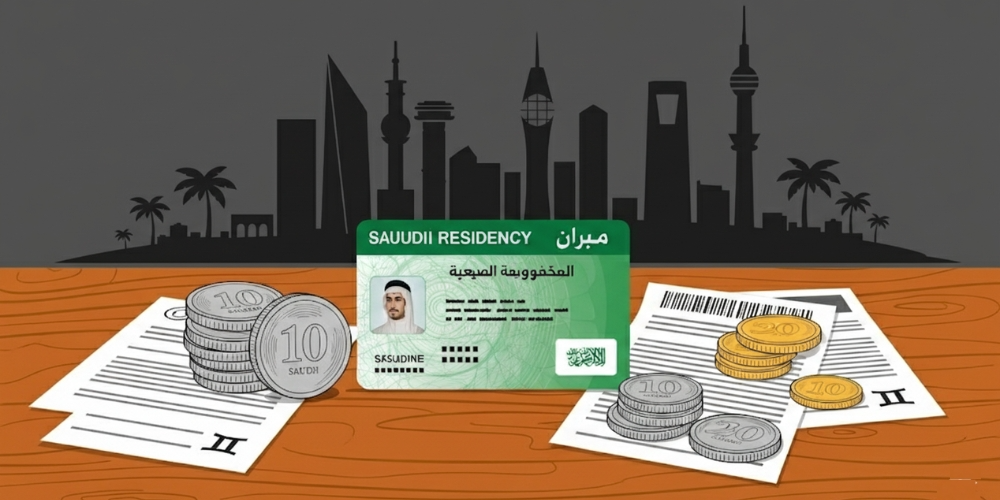
The "iqama fund" isn't a single account. It's the aggregate of fees that keep your Saudi residency valid — renewals, work permit levies, dependent fees, insurance, and administrative charges.
For most expats, treating it as a monthly commitment beats treating it as an annual surprise. Tracking the components individually makes financial planning much smoother.
What the Fund Covers

Five main components.
| Component | What it covers | Typical amounts |
|---|---|---|
| Iqama renewal | Official renewal or issuance of your permit | Full-year ~SAR 650; quarterly ~SAR 163, semi-annual ~SAR 325, 9-month ~SAR 488 |
| Work permit / expat levy | Monthly fee for legal work status | ~SAR 800/month (~SAR 9,600/year) |
| Dependent fees | Per-dependent monthly fee | ~SAR 400/month each (~SAR 4,800/year per dependent) |
| Health insurance | Mandatory for residency | ~SAR 500–2,000+/year per person |
| Administrative fees | Documentation and processing | Small amounts, case-by-case |
The fund indirectly covers all the obligations of being a legal resident with a valid identity card in KSA — Saudization compliance, on-time renewal, employment authorisation, and family sponsorship.
For per-component depth, see DuVolks' renewal fees breakdown.
How to Check Your Balance
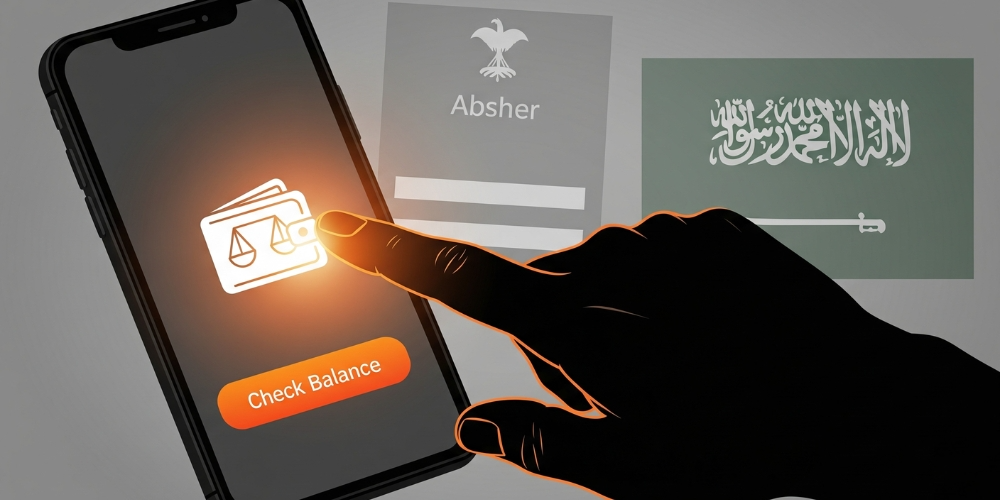
Six steps on Absher.
- Visit the Absher portal.
- Log in with your user ID or iqama number and password.
- Open Electronic Inquiries.
- Select "Public Query Available Funds."
- Enter your iqama number and the captcha.
- Click "View."
The screen shows your current balance plus committed funds for visa services, dependent fees, and renewals. Useful for confirming whether your iqama renewal and dependent charges are already covered.
If you don't have direct Absher access, your HR or company PRO can pull the same information.
Why It Matters

Four reasons to track it carefully.
Avoiding fines and legal exposure
Expired iqamas trigger penalties immediately and can escalate to deportation. The earlier you spot a shortfall, the cheaper it is to fix.
Family security
Dependent fees must stay current to keep your spouse and children under your sponsorship.
Employment continuity
Employers are legally responsible for the work permit levy, but lapses still affect you. Confirm with HR that payments are current.
Saudization compliance
Companies failing to meet Saudization quotas face restrictions partly tracked through paid, active iqamas. Your employer's compliance status indirectly affects your renewal experience.
Common Issues

Five hurdles expats regularly hit.
Employer payment delays
Work permit levies sometimes get paid late. Check with HR routinely; don't assume.
Underestimating dependent fees
Dependent fees are monthly and accumulate quickly. A family of four can easily reach SAR 14,400+/year on dependent fees alone.
Absher balance mismatches
Processing delays sometimes show lower balances than actually deposited. Allow a few days before flagging discrepancies.
Partial renewal confusion
Since quarterly and semi-annual renewals are now available, expats sometimes mismanage smaller increments. Pick one renewal cycle and stick with it.
Unexpected deductions
Insurance updates, traffic fines, and admin charges can reduce balance without explicit notice. Audit monthly.
The Bottom Line
The iqama fund is the financial backbone of legal residency in Saudi Arabia. Treating it as a monthly commitment — checked on Absher, coordinated with HR, planned around clear renewal cycles — prevents the surprise costs and missed deadlines that catch most expats off guard. Set a calendar reminder to check balance monthly, confirm dependent fees are current, and verify your employer's payments. Small habits prevent the kind of legal complications that consume weeks to resolve.
FAQs
Who pays iqama fees — employer or employee?
Employers cover the work permit levy and iqama issuance fees. Dependent fees and some renewal charges typically fall on the employee. Confirm with HR for your specific situation.
Can I use my iqama fund for traffic fines?
No. The fund covers residency and labour-related services only. Traffic fines and other non-iqama obligations need separate payment.
What if my balance hits zero?
Renewal and dependent fee requests won't process. Renewal delays trigger fines if deadlines slip. Always confirm balance in advance.
Can renewals happen mid-year?
Yes — current rules allow quarterly, semi-annual, and annual renewal cycles. Pick the cadence that fits your cash flow.
What's the highest-leverage habit?
Monthly Absher balance checks. The single biggest source of stress is discovering issues at renewal time; monthly visibility catches problems while they're cheap to fix.
Keep reading


