

Real-Time Hiring Analytics: AI-Forecasted Candidate Success
Real-time hiring analytics forecasts candidate success before interviews — how AI models work, what data they use, and how recruiters apply the insights.
Ployo Team
Ployo Editorial
TL;DR
- AI forecasts candidate success using assessment scores, behavioural patterns, and engagement data.
- Bad hires cost up to 30% of first-year earnings (Forbes/US Dept of Labor).
- AI models learn continuously, sharpening accuracy with every hire-outcome pair.
- Recruiters get live dashboards with fit scores, attrition risk, role adaptability indicators.
- Combine analytics with workforce planning for compound advantage.
Interview-perfect candidates who quit at six months cost companies real money. Real-time hiring analytics shifts decisions from gut instinct to predictive signal — surfacing fit, adaptability, and flight risk before interviews happen. This guide walks through how it works, what data feeds the models, and how recruiters use it daily.
What Real-Time Hiring Analytics Is
AI and predictive algorithms processing live application, assessment, and behavioural data to forecast candidate performance. Instead of CV-only evaluation, recruiters see fit scores, attrition risk indicators, and role adaptability ratings in real time.
Data sources include:
- Past job performance metrics
- Assessment scores
- Personality and response patterns
- Engagement signals (response time, depth of interaction)
- Public professional data and internal HR systems
Combined through machine learning, these forecast success probability. Sharper with every additional data point — part of broader workforce forecasting practice.
Why Predicting Success Matters
Three benefits.
Cost avoidance
Forbes / US Department of Labor data estimates a bad hire costs up to 30% of first-year earnings. For mid-level roles, this can be tens of thousands per mistake.
Consistency
AI applies the same criteria to every applicant, reducing variance from recruiter mood or unconscious bias.
Speed and depth
Thousands of data points analysed in seconds, surfacing adaptability and teamwork signals beyond what resumes show.
Pair with workforce planning tools to translate hiring decisions into capacity planning and avoid talent shortages.
How AI Forecasts Candidate Success
Four layers behind the dashboard.
Multi-source data analysis
Structured data (test scores, education, experience) plus unstructured (writing tone, response patterns, communication style) create a candidate's "digital fingerprint."
Data cleaning
AI filters inconsistent or incomplete data so models train on reliable inputs only.
Model training and continuous learning
Patterns from past successful hires get mapped to new candidates. Every additional hire-outcome pair refines the predictions.
Soft-skill mapping
Natural language processing assesses tone, empathy, and clarity — surfacing fit signals beyond technical credentials.
Advanced systems flag flight risk too, identifying candidates likely to leave within their first year so recruiters can act accordingly.
How Recruiters Use It Daily
Four workflow integrations.
Dynamic strategy adjustments
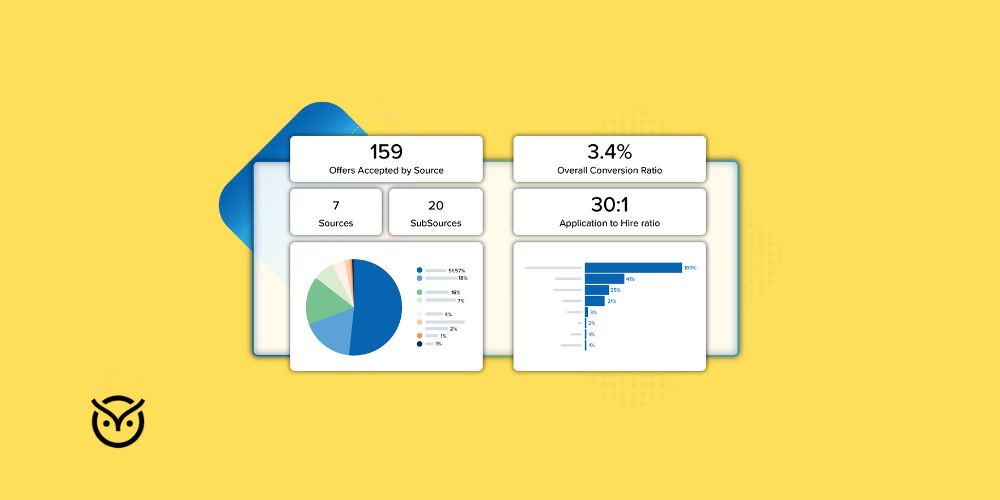
Live dashboards show which sourcing channels produce the best-performing hires. Recruiters reallocate effort in days, not quarters.
Collaborative dashboards
Hiring managers and recruiters compare candidates from the same data view. Decisions speed up; alignment improves.
Proactive pipeline building
Predictive signals surface upcoming role gaps before they become emergencies. Combined with workforce planning tools, hiring stays aligned with strategic direction.
AI-powered scheduling
Calendar sync, interview urgency ranking, automated reminders. Candidate experience improves; drop-off rate falls.
Organisations adopting these systems consistently report faster placement and lower turnover. Recruiters move from manual analysis to relationship-building and storytelling — where humans still outperform AI by far.
The Bottom Line
Real-time hiring analytics doesn't replace recruiter judgment — it sharpens it. Predictive insights help recruiters focus on the right candidates faster, plan ahead for skill gaps, and reduce both bad hires and early attrition. The recruiters who adopt these tools well don't lose their work; they expand it into more strategic territory. The compound effect across a year of hiring is significant.
FAQs
How can AI-powered scheduling improve candidate engagement?
Automated scheduling, reminders, and follow-ups keep candidates informed without recruiter effort. Reduces drop-off significantly.
How do I train my recruiting team to use AI analytics?
Start with basic data literacy. Teach dashboard interpretation, predictive score context, and how to use insights as input rather than verdict. Most platforms provide in-app tutorials.
What's the difference between AI recruiting tools and traditional ATS?
Traditional ATS stores data. AI assistants analyse it — tracking behaviour, forecasting success, suggesting next steps in real time.
Are there industry-specific AI hiring tools?
Yes. Eightfold.ai and HiredScore focus on tech and digital skills; healthcare and finance tools emphasise compliance and credential verification.
What time savings should I expect?
Most organisations see 30–50% reduction in time-to-hire within 6 months. Savings come from automated screening, ranking, and scheduling.
Do AI tools work for startups?
Yes. Lightweight platforms like Recruitee and Breezy HR offer scalable AI features for small teams without enterprise complexity.
Keep reading


