

Workforce Planning Essentials: What HR Leaders Need to Know in 2026
Workforce planning aligns staffing with future business needs — the core elements, common gaps, and the AI tools changing how planning works.
Ployo Team
Ployo Editorial
TL;DR
- Only ~15% of organisations engage in strategic workforce planning (Gartner) — most react to gaps after they appear.
- 68% of workers say they would stay long-term if employers helped them keep skills current (SHRM).
- Core elements: current assessment, demand/supply forecasting, gap analysis, action plan, monitoring.
- AI now augments planning with pattern detection, predictive hiring, and skill-gap surfacing.
- Strong plans integrate with talent management — recruitment, development, retention, succession.
Most companies discover too late that they have too many people, too few, or people whose skills don't fit the work ahead. The mismatch slows projects, inflates budgets, and breaks team trust. Strategic workforce planning closes this gap — but Gartner research shows only ~15% of organisations actually do it. This guide walks through why workforce planning matters more than ever, the core elements that make plans actually work, and the AI tools that are changing how planning operates in 2026.
Why Workforce Planning Matters for HR Leaders
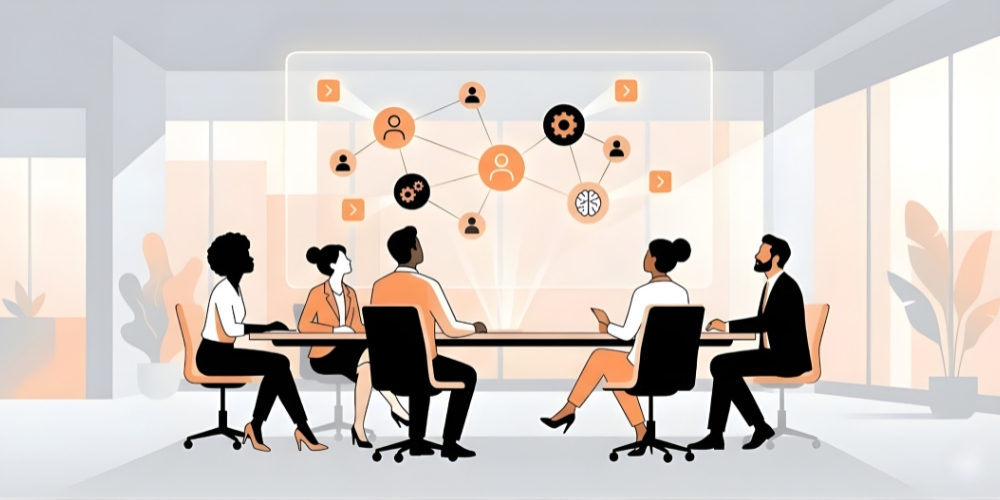
Four operational benefits drive the case.
Cost efficiency
Forecasting talent needs prevents overstaffing (wasted payroll) and understaffing (overtime costs, missed deadlines). The financial impact compounds across budget cycles.
Productivity gains
The right people in the right roles with clarity about expectations work smoothly. Without planning, teams operate under constant scramble — the productivity cost is large but invisible until you address it.
Retention
SHRM research shows 68% of workers would stay long-term with an employer that helped them keep skills current. Workforce planning that includes development reduces turnover meaningfully.
Agility
When market conditions shift, planned organisations adapt quickly. Unplanned ones spend months catching up. The competitive advantage compounds in fast-moving industries.
The Core Elements of Workforce Planning
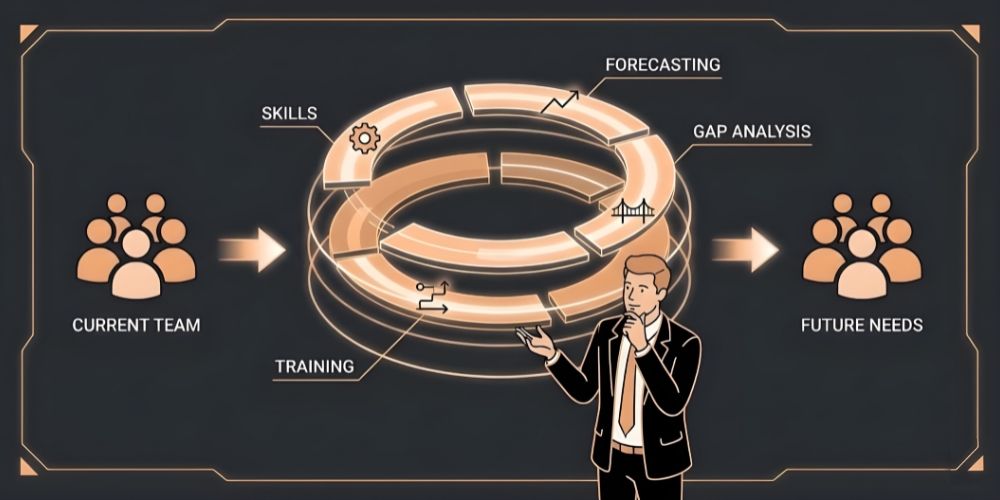
Five building blocks that strong plans share.
1. Current workforce assessment
Map what you have now: people, skills, experience levels, performance, contract types, retention patterns. This baseline is the foundation for everything that follows. Without an accurate picture of current state, future projections are guesses.
2. Demand and supply forecasting
Demand: What will the business need in 12-36 months? Growth plans, new product launches, geographic expansion, technology shifts all shape this.
Supply: What will be available internally? Retirements, planned departures, internal promotions, skill development trajectories.
The intersection produces the gap — or the surplus — that drives action.
3. Gap analysis
Where will shortages occur? Where will skills be obsolete? Where will there be too many people? Gap analysis specifies what needs to change.
4. Action plan to bridge gaps
Concrete moves to address each gap:
- Hire externally for skill gaps internal development can't close fast enough
- Train/upskill existing employees where capability can be built internally
- Restructure roles to match evolving work
- Outsource specific functions where internal capability isn't strategic
- Succession planning for critical roles facing turnover risk
5. Monitoring and adjustment
Business conditions shift. Plans adapt. Quarterly reviews catch drift before it becomes a crisis. The plan is a living document, not a one-time artifact.
Integration with talent management
Workforce planning isn't a standalone HR exercise — it works only when integrated with talent management, recruitment strategy, development programs, and succession planning. The integration is what produces real organisational capability.
How AI Is Changing Workforce Planning
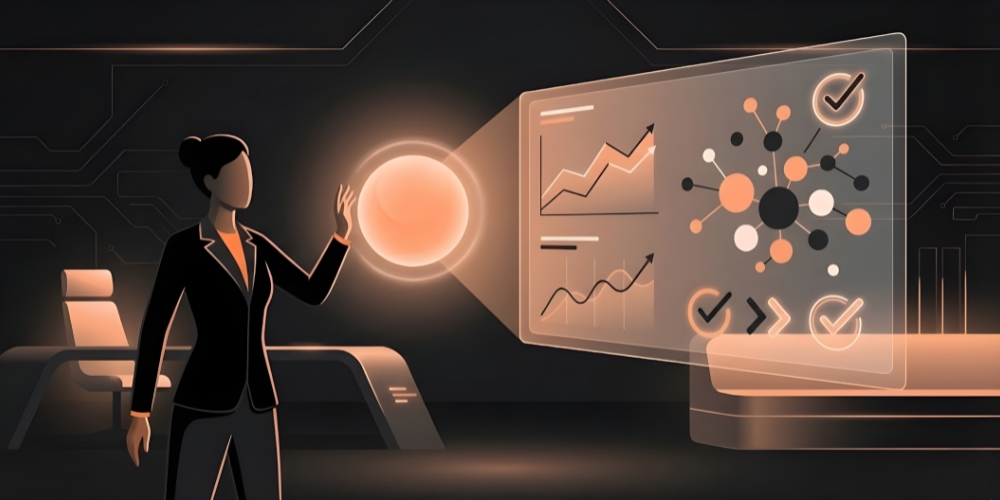
Modern AI tools augment workforce planning in five concrete ways.
Pattern detection at scale
AI analyses workforce data faster and more comprehensively than manual analysis. Turnover patterns, skill development trajectories, performance trends across teams — all surfaceable in ways spreadsheet analysis can't match.
Predictive forecasting
Historic patterns inform forward projections. Which roles are at risk of attrition? Which skills will become critical in 18 months? Which teams need hiring acceleration?
Skill-gap surfacing
Inference from project assignments, performance data, and external skill databases identifies gaps that self-reporting often misses. The systematic view enables strategic skill development planning.
Internal mobility identification
AI can match existing employees to upcoming roles based on skill profiles and trajectory data — surfacing internal candidates who would otherwise be missed.
Integrated dashboards
Workforce planning tools connect HR, finance, and department leaders to a unified view. Decision-making stays aligned across functions rather than fragmenting.
The honest read: AI doesn't replace strategic judgement — it provides the data and pattern detection that supports better strategic judgement.
What Strong Workforce Plans Include
A practical checklist for evaluating workforce plans.
- Documented current-state assessment with skill inventory
- 12-month and 36-month forecasts with explicit assumptions
- Clear gap analysis between forecast and current capacity
- Specific action plans for hiring, training, and restructuring
- Defined success metrics for each action
- Quarterly review cycle with stakeholders
- Integration with talent management strategy
- Succession plans for critical roles
- Scenario planning for major business shifts
- Budget alignment with the plan's implications
Missing several of these items is normal in early planning maturity; missing most signals a plan that won't survive its first real test.
Common Mistakes Worth Avoiding
Five anti-patterns that consistently derail workforce planning.
Treating it as one-time
Annual workforce plans that don't get updated quarterly become irrelevant fast. Markets shift; plans must shift with them.
Disconnected from business strategy
HR-only workforce planning that doesn't reference actual business priorities produces plans nobody outside HR uses. Business strategy integration is essential.
Headcount focus over skills focus
"We need 5 more people" is less useful than "we need these specific skills." Skills-based planning produces better hiring decisions and development priorities.
Ignoring succession
Single-points-of-failure across senior roles create existential risk. Succession planning at the senior level is non-optional.
No monitoring discipline
Plans created but not tracked drift quickly. The operating discipline matters more than the initial planning effort.
The Bottom Line
Workforce planning separates HR functions that drive business outcomes from HR functions that just process paperwork. The companies doing this well stay ahead of skill gaps, retain top talent through visible development paths, and adapt faster when markets shift. The companies skipping it react to crises that more planned competitors avoid entirely. AI tools are making sophisticated workforce planning accessible to smaller HR teams than ever before — the question for leaders is no longer "can we do this?" but "are we doing this with enough discipline to capture the value?" The investment in workforce planning pays back across every hiring decision, every development conversation, and every business pivot that follows.
FAQs
How does AI improve workforce planning accuracy?
AI analyses workforce patterns, predicts attrition risks, identifies skill gaps, and surfaces internal mobility opportunities at scale humans can't match manually. The data informs better strategic judgement, not replaces it.
What are the key elements of workforce planning?
Current workforce assessment, demand and supply forecasting, gap analysis, action plans to bridge gaps, and ongoing monitoring with quarterly review. Integration with talent management strategy is what makes the plan actually drive outcomes.
What data do I need for effective workforce planning?
Skill inventories, performance data, turnover patterns, business growth projections, project pipeline, succession risk indicators, and external market data on talent availability. Modern HRIS captures most of this; the discipline is in actually using it.
Is workforce planning relevant for small companies?
Yes — and often more so. Small companies can't absorb the cost of mis-hires or the disruption of unplanned departures. Lightweight workforce planning that fits the company's scale produces strong returns.
What's the most common workforce planning mistake?
Doing it once annually then ignoring the plan for 12 months. Markets shift; plans must adapt. Quarterly review with action drives outcomes; annual-only planning drifts into irrelevance.
Keep reading


