

HR Data Analytics Challenges: What Blocks Teams and How AI Solves Them
HR teams sit on rich data but struggle to use it — the bottlenecks blocking people analytics and how AI turns messy HR data into reliable decisions.
Ployo Team
Ployo Editorial
TL;DR
- 71% of companies say people analytics matters, but only 8% trust their data quality (Deloitte).
- Nearly 1/3 of organisations cite poor data quality as the top barrier to people analytics (PwC).
- Common blockers: bad data, siloed systems, gaps in analytics skills, privacy concerns, slow insights.
- AI cleans data, surfaces predictive insights, and accelerates decision-making.
- A strong data culture matters more than any single tool — discipline first, tooling second.
HR teams sit on enormous amounts of data — hiring records, pay history, engagement scores, performance signals — and most can't reliably turn it into decisions. The blocker isn't data volume; it's data quality, system fragmentation, and skill gaps. This guide walks through what's actually getting in the way and how AI is changing what's possible.
What HR Data Analytics Is
HR data analytics collects, tracks, and analyses people-related data to inform decisions. The scope spans hiring trends, performance scores, engagement patterns, workplace safety, and emerging areas like emotional analytics.
High-performing HR teams use analytics to:
- Spot hiring gaps before they hurt
- Forecast turnover before it spikes
- Improve employee growth and fairness
- Support workforce planning and analytics for capacity decisions
The data also enables specialist roles — human resources data analysts who turn raw numbers into actionable patterns. But the quality of those patterns depends entirely on the quality of the underlying data. PwC research shows nearly one-third of organisations cite poor data quality as a top barrier to people analytics — and it shows in every downstream report.
Why HR Analytics Matters
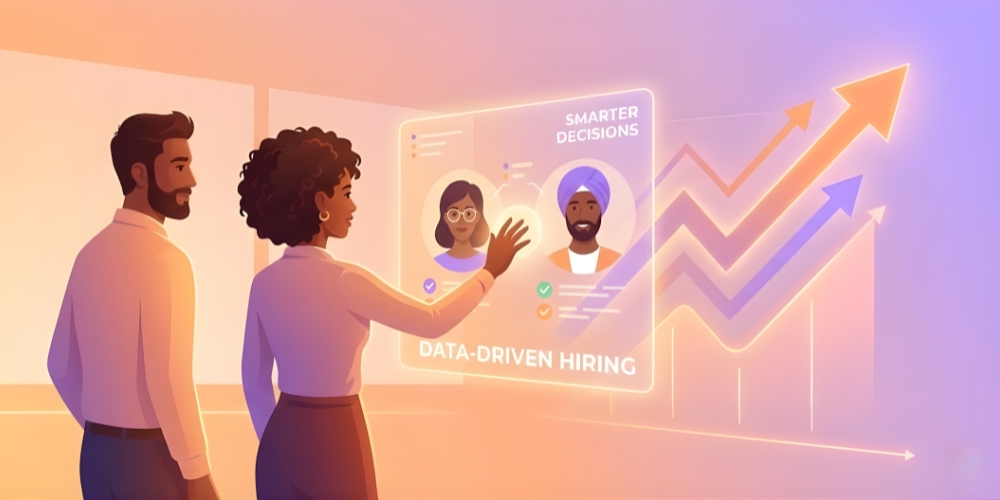
Five concrete benefits.
- More accurate hiring through real-time hiring analytics
- Fairer pay and promotion decisions
- Stronger retention through proactive engagement signals
- Faster cross-functional decision support
- Defensible documentation for compliance audits
Deloitte's research shows 71% of companies see people analytics as critical — but only 8% trust their data quality, and only 9% feel confident about which talent factors actually drive performance. The gap between "important" and "trusted enough to act on" is enormous.
Common Challenges
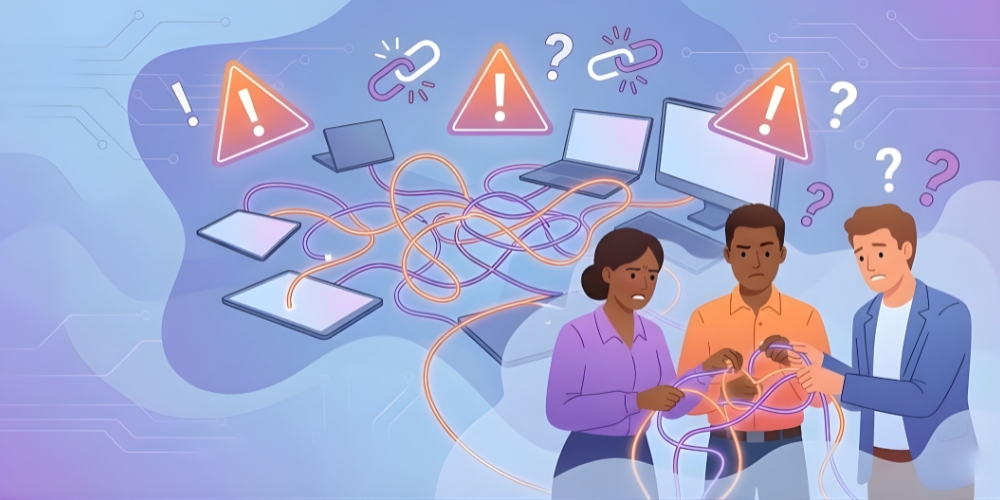
Five blockers that consistently appear.
Bad data quality
Missing records, duplicate entries, outdated job titles. Without clean data, every downstream report is suspect.
Siloed systems
Payroll, ATS, learning tools, engagement apps rarely speak to each other. Combining data manually is slow and error-prone.
Analytics skills gap
Most HR professionals weren't trained in statistics. Reading dashboards confidently — and avoiding misinterpretation — requires explicit skill-building.
Privacy and compliance concerns
Big data in HR raises real security, fairness, and regulatory concerns. Mishandled insights can produce discrimination claims or compliance issues.
Slow insights
Reports arriving weeks late aren't actionable. Analytics needs to support fast decisions, not just produce retrospective documentation.
How AI Addresses These
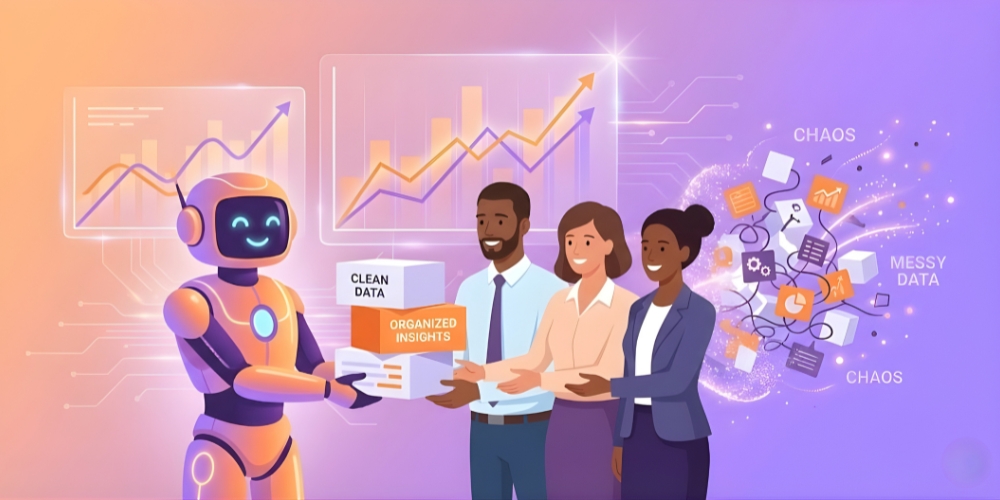
Four concrete contributions.
Data cleansing and integration
AI cross-references data across systems, identifies duplicates, fills gaps, and connects related records that were previously isolated.
Predictive insights
Turnover risk, hiring funnel weak points, skill shortages — AI surfaces these before they become visible problems.
Bias reduction
When configured well, AI scoring against skills-based criteria reduces evaluator bias and produces more comparable evaluations across candidates.
Automation
Routine reporting, status updates, and follow-up tracking handled automatically. Recruiter and HR professional time shifts to relationship work.
The boundary: AI accelerates and de-risks decisions; it doesn't replace human judgment on the people-impact ones.
Building a Data Culture
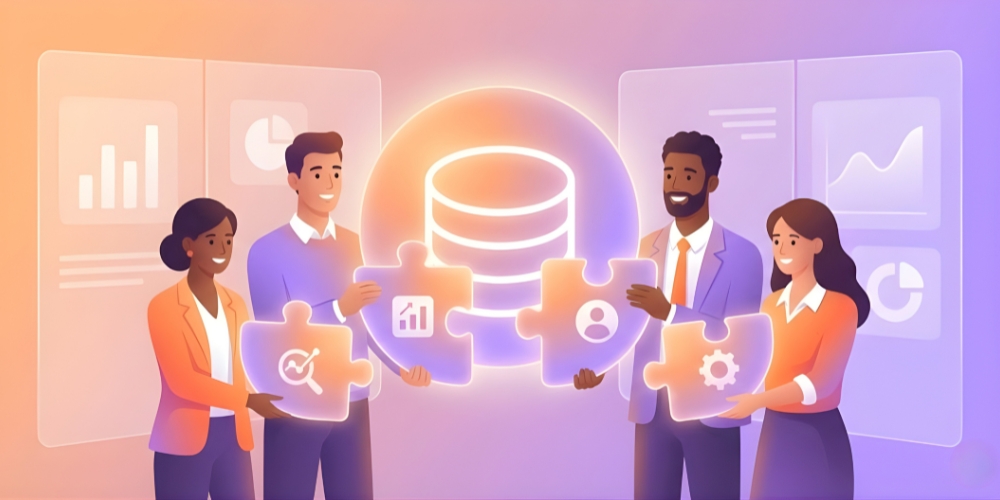
Tools alone don't solve the problem. Four cultural moves matter as much as software choice.
Clear data entry standards
Standardised input fields, mandatory categories, regular cleanup cycles. Discipline at the entry point pays back tenfold downstream.
Dashboard literacy training
Every HR professional needs to read dashboards confidently. A short, regular training program builds the skill across the team.
Leadership endorsement
When leaders make decisions backed by data — and say so openly — the culture shifts. When they default to gut feel, analytics atrophies.
Visible wins
Celebrate cases where data-driven decisions produced measurably better outcomes. Stories drive culture more than process documentation.
Future Trends
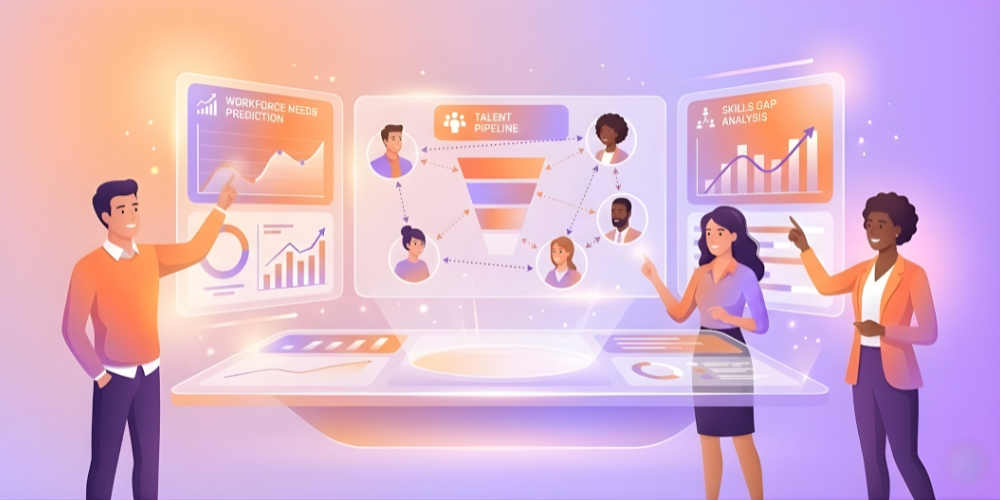
Six directions reshaping HR analytics.
- Early attrition detection through behavioural signals
- Self-updating dashboards that make planning continuous rather than quarterly
- Built-in fairness checks ensuring decisions stay equitable
- Big data integration guiding hiring, training, and support decisions
- Emotional analytics supporting wellbeing initiatives
- Real-time hiring analytics for live role filling
These trends together push HR analytics from background reporting into daily operational decision-making.
The Bottom Line
HR data analytics turns gut-feel decisions into measurable, defensible ones — but only when data quality, system integration, and team skills are in place. AI accelerates the path significantly, especially around data cleansing, predictive insights, and bias reduction. The companies that win at people analytics aren't the ones with the most expensive tools; they're the ones with clean data, consistent practices, and leadership commitment to acting on insight. Start with the basics, build discipline, and let tooling scale the impact.
FAQs
What are the biggest HR data analytics challenges?
Poor data quality, disconnected systems, privacy concerns, and limited analytics skills within HR teams. Fix data hygiene and skills first; tooling builds on that foundation.
How does AI help solve HR data problems?
AI cleans data, highlights trends, reduces bias, and accelerates insight generation. The biggest practical benefit is making slow reporting fast enough to inform real-time decisions.
What skills should HR teams develop for analytics?
Dashboard reading, basic data interpretation, privacy understanding, and the ability to translate numbers into recommendations for non-HR leaders.
How important is leadership support?
Critical. Without visible leadership use of data, analytics investments atrophy. The single biggest accelerant of HR analytics maturity is a senior leader who consistently demands data-backed proposals.
What's the highest-leverage starting move?
Pick three priority metrics, ensure clean data feeding them, build a basic dashboard, and use it weekly. The discipline of a small set of trustworthy metrics beats a sprawling dashboard nobody trusts.
Keep reading


