

Campus Recruitment Strategy: Building Early-Career Hiring Pipelines
A campus recruitment strategy that actually works — clear goals, the right universities, fair screening, AI for scale, and the metrics that matter.
Ployo Team
Ployo Editorial
TL;DR
- 62% of interns get converted to full-time offers (NACE) — internships drive pipeline.
- Plan campus hiring 6–9 months before graduation; late starts lose top students.
- Pick a few well-targeted campuses, not many random ones.
- Structured screening keeps fairness intact and decisions defensible.
- Track offer-acceptance, time-to-hire, retention, and first-year performance — not just hire count.
Campus recruiting is one of the few places where being slightly early matters more than being slightly better. Top graduates accept offers months before less-prepared companies even launch their campaigns. The teams that hire well from universities aren't the loudest at career fairs — they're the most systematic about goals, target campuses, screening fairness, and post-hire measurement. This guide walks through the framework.
What Campus Recruitment Actually Is
Campus recruitment is hiring students and recent graduates directly through colleges and universities — career fairs, placement offices, workshops, internships, and structured early-career programs. The goal is more than filling current roles. Done well, it builds a long-term talent pipeline rather than forcing repeat senior searches later.
A serious campus strategy includes:
- Targeted choice of universities aligned to role and culture needs.
- Long-term campus relationships (not one-off visits).
- Structured interviews and assessments applied consistently.
- Internships and graduate roles tied to real business needs.
These four together are what separate strategic campus recruiting from booth-and-pamphlet outreach.
Why It Matters
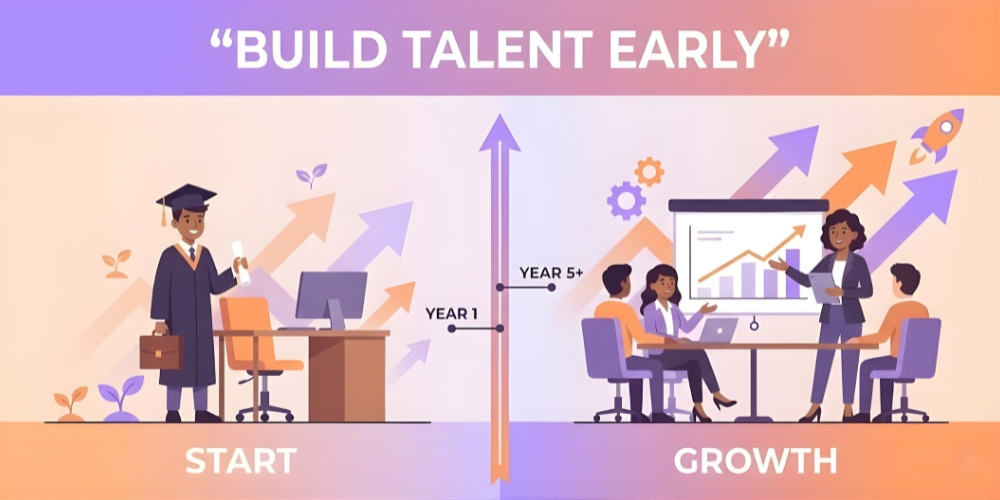
Three structural advantages.
Lower cost-per-hire over time
Converting interns to full-time hires beats running new senior searches every year. NACE's internship benchmark shows 62% of interns receive full-time offers, with high acceptance rates.
Better retention
Deloitte's research finds employees who feel confident about their future development are 3.3× more likely to stay with their employer. Campus hires who joined a growth-oriented program leave at meaningfully lower rates than direct hires of equivalent experience.
Broader talent pool
Structured campus programs reach students outside the typical hiring networks, improving diversity and bringing more consistency to early-career evaluation than ad-hoc senior recruiting.
A common question: are job fairs worth it? They are — when they're a node in a broader campus strategy, not the strategy itself. Campus hiring works best alongside other recruitment methods, not in isolation.
How to Build the Strategy
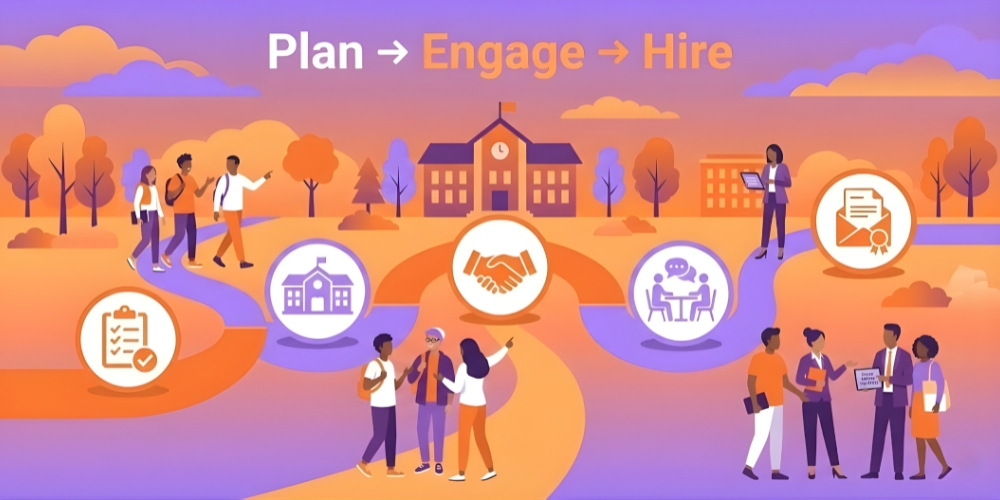
Five steps that consistently produce strong outcomes.
1. Define hiring goals before picking campuses
Start with numbers, not universities. How many graduates? For which roles? In which locations? Tie the campus plan to actual workforce planning.
Anchor questions:
- Which teams genuinely need entry-level hires?
- Which skills must be present on day one vs trainable?
- How will success be measured 12 months post-hire?
2. Pick the right campuses
More campuses ≠ better outcomes. Focus on universities aligned to role requirements and company culture.
Selection inputs:
- Relevance of academic programs to your roles
- Historical hiring performance from each campus
- Student employability data and program quality
Targeted relationships at a few campuses outperform random outreach across many.
3. Build presence early
Show up before recruiting season. Talks, skill workshops, case challenges, mentorship — students remember companies that contributed to their learning, not just companies that showed up to extract resumes. This is also a chance to address eligibility questions like the GED vs high school diploma distinction.
4. Screen fairly
Graduate candidates lack experience by definition. Screening must look at potential, not polish.
Use:
- Structured interview questions, same for every candidate
- Skills-based exercises that reveal thinking
- Consistent scoring rubrics across interviewers
5. Move fast, communicate clearly
Top students juggle multiple offers. Slow decisions lose candidates. Publish stage timelines and meet them. Brief, clear communication beats verbose corporate updates every time.
What to Look For in Candidates
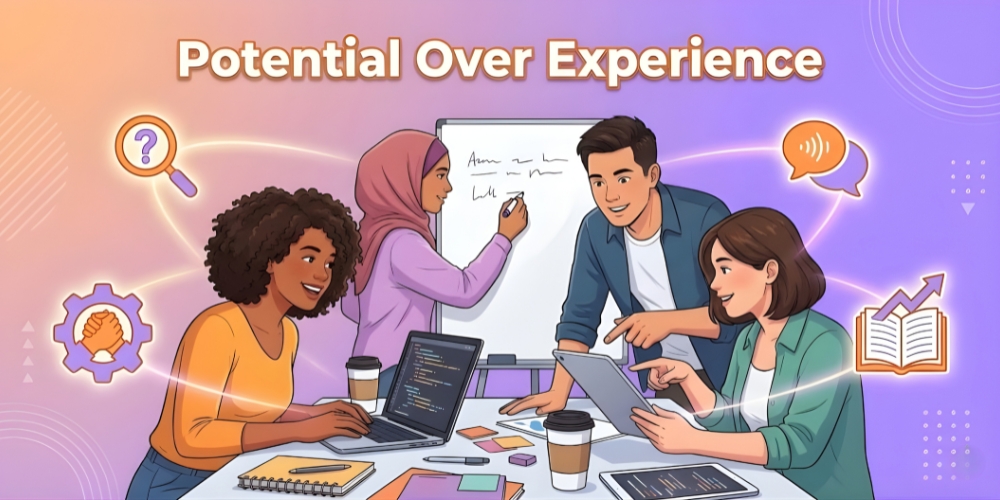
Resumes are thin by design. Look for signals that resumes don't capture.
Curiosity and clear thinking
Thoughtful questions matter more than rehearsed answers. Curiosity predicts learning velocity.
Ownership in real situations
Projects, internships, volunteering, part-time work — anywhere the candidate had to deliver. The size doesn't matter; the ownership does.
Response to feedback
Watch how candidates handle in-interview feedback. Those who listen, adjust, and re-engage tend to outperform once they start. Defensiveness predicts struggle.
Common Mistakes
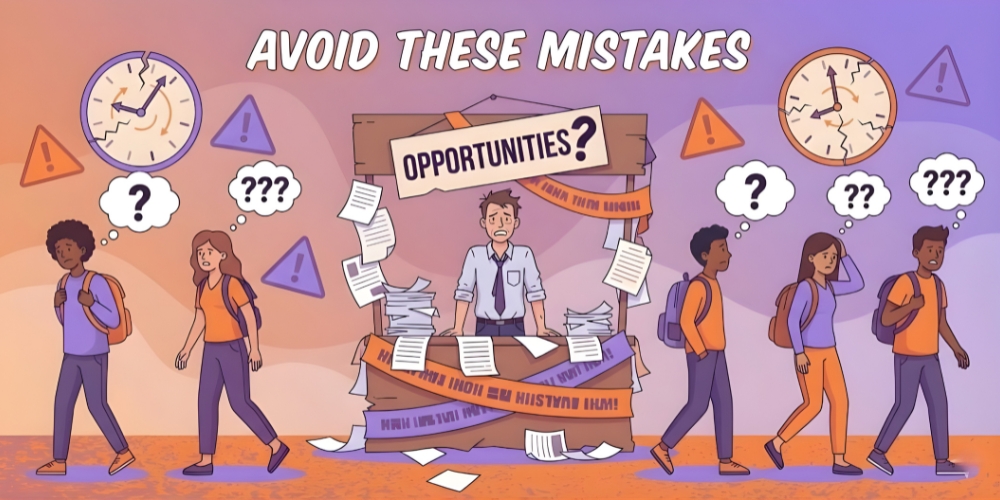
Four patterns that consistently undermine results.
Starting too late
Planning that begins close to graduation arrives after top students have already accepted offers. Earlier movers win.
Vague role descriptions
Generic JDs ("dynamic team, growth opportunities") fail to engage. Specifics about responsibilities, growth paths, and team realities sharpen interest.
Single-channel reliance
A career fair alone won't carry your hiring goals. Internships, employee referrals from recent grads, digital outreach, on-campus content, and structured assessments all need to layer together.
Inconsistent interviewing
When every interviewer asks different questions, decisions become subjective and indefensible. Standardise the question set and the scoring rubric.
How AI Improves Campus Recruiting
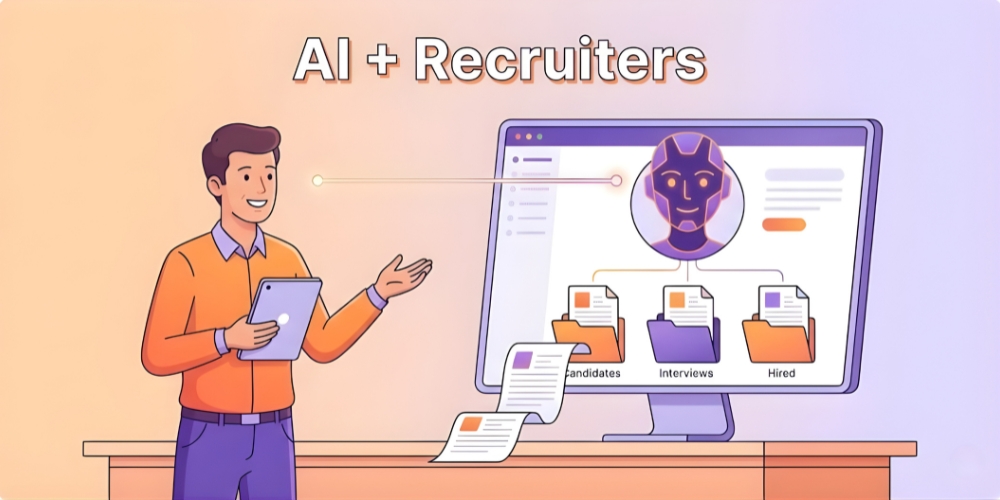
Three concrete areas where AI accelerates campus hiring responsibly.
Volume handling
AI parses large application volumes around skills and competencies rather than surface signals — useful when hundreds of graduates apply to a single program at once.
Consistent assessment
Standardised AI-supported assessments reduce evaluator variance and bias. Every candidate gets the same questions, scored on the same rubric.
Recruiter time recovery
AI handles resume sorting, scheduling, and routine communication. Recruiters spend more time on real conversations with candidates, which is where campus relationships actually grow.
The boundary: AI handles repeatable work; humans handle judgment, negotiation, and final decisions. That split holds up well in practice.
Measuring Success
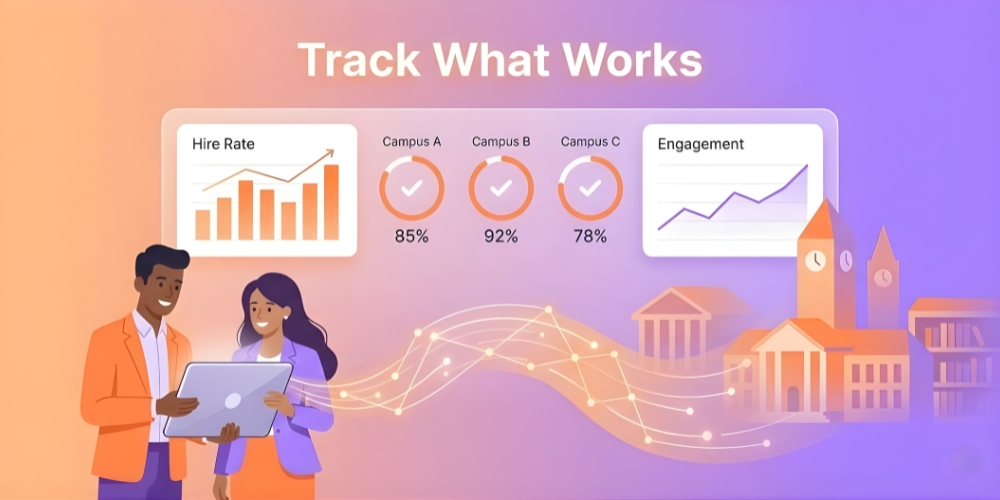
Without metrics, campus programs drift. Track these five.
| Metric | What it tells you |
|---|---|
| Offer acceptance rate | Brand strength, compensation alignment |
| Time-to-hire | Operational efficiency |
| First-year performance | Quality of screening |
| First-year retention | Onboarding and culture fit |
| Candidate feedback | Process fairness and experience |
Track each campus separately. The best universities for your company become obvious within 2–3 cycles when the data is clean.
The Bottom Line
Strong campus recruiting is the result of structural choices, not enthusiasm. The companies hiring well from universities define their goals before picking campuses, build relationships early, screen fairly, move quickly, and measure relentlessly. Small improvements every recruiting cycle compound — by year three, the pipeline is producing reliable senior talent at a fraction of the cost of external hires. Treat campus hiring as a strategic investment, not an event.
FAQs
What is a campus recruitment strategy?
A structured plan for hiring students and graduates through universities. It defines target campuses, engagement methods, screening processes, and the metrics that prove the strategy is working.
When should companies start campus hiring?
6–9 months before graduation. Earlier engagement improves visibility, builds relationships with placement offices, and gets your name in front of top students before competitors arrive.
How do you screen campus candidates fairly?
Skill-based assessments, structured interviews, consistent scoring across all candidates, and emphasis on potential and learning velocity rather than past experience.
Can AI support graduate hiring?
Yes — for high-volume screening, scheduling, and standardised assessments. Humans should still own judgment calls, relationship-building, and final hiring decisions.
What's the single highest-leverage move?
Build one strong internship program at one strong campus. The data, relationships, and conversion rate from a focused program outperform scattered outreach across many universities every time.


