

Interview Memes for Employer Branding: How to Make Them Actually Work
A good interview meme humanises the employer brand and lifts engagement — what makes a strong one, how to build them, and the mistakes to avoid.
Ployo Team
Ployo Editorial
TL;DR
- An interview meme is a low-cost, high-engagement way to humanise an employer brand.
- The mechanism: shared experience triggers recognition, which builds approachable brand perception.
- The structure that works: relatable moment, clear visual, short caption, light positive humour.
- Tie every meme to a real cultural value — culture-light memes feel empty quickly.
- Avoid mocking candidates, inside jokes, and lifted-without-edits templates.
Most employer-brand content reads like a corporate brochure. The strongest content reads like something a person at the company would actually share — and increasingly, that means memes. A good interview meme takes 60 seconds to absorb, signals more cultural authenticity than three paragraphs of "About Us" copy, and travels further than most paid recruiting ads. This guide breaks down why memes work for employer branding, how to build them well, the psychology behind the ones that land, and the mistakes that turn a meme into a brand liability.
Why Memes Work for Employer Branding
Authenticity beats polish in modern recruiting content. Universum Global's 2024 employer branding research, drawing on 800+ talent leaders, found that employer brand is now central to both hiring and retention — and that the most effective brand signals are increasingly the ones that feel un-corporate.
Memes are native to the platforms candidates actually use. Research on brand posts with memes consistently shows that memetic content drives higher engagement than text-only or stock-image posts — because it reads as human rather than corporate.
The recruiting channel data is unambiguous. A Content Stadium recruiting study found that 98% of hiring teams now use social media for employer branding, and 65% maintain channels dedicated specifically to recruiting. Memes are the dominant language of those channels.
Translation: if you are running employer-brand content without any memes, you are competing on the channels candidates use, with the format candidates ignore. Adding one meme a week to your recruiting content mix is one of the cheapest engagement lifts available.
The Psychology Behind a Meme That Lands
Three psychological dynamics drive meme performance.
Shared recognition
When a candidate sees a meme that captures something they have actually felt — the awkward silence after "tell me about a weakness", the relief of a recruiter finally replying — the recognition is instant. Shared experience is one of the strongest signals that a company "gets it." That perception is exactly what employer brand is competing for.
Cognitive compression
A paragraph about company values is hard to absorb. A single image with one good caption communicates tone, culture, and personality in under three seconds. Memes are the highest-density format available for transmitting cultural information.
Social validation through sharing
When a candidate laughs at and shares a recruiting meme, the meme stops being your message — it becomes their endorsement. That is the kind of social proof paid advertising cannot manufacture.
How to Build an Interview Meme That Actually Works
Know your audience
Before writing the caption, know who you are talking to. Senior candidates respond to different references than new grads. Engineering candidates have a different humour register than sales candidates. A meme that lands for one audience may fall flat for another.
Pick a tone and stay in it
Light, friendly, and broadly relatable beats edgy or sarcastic. Inclusive humour — laughing with people, not at them — has a much wider effective range. If your company culture is more formal, smaller jokes still work; the tone just shifts.
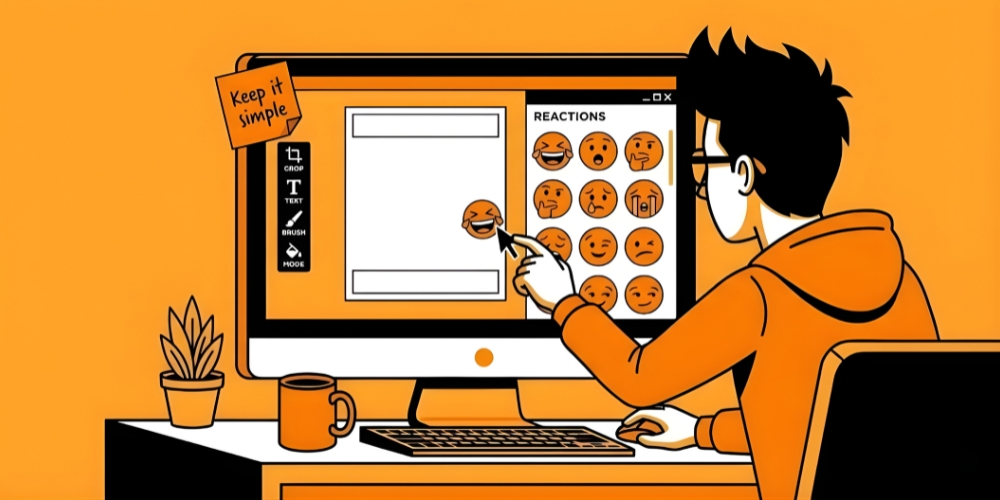
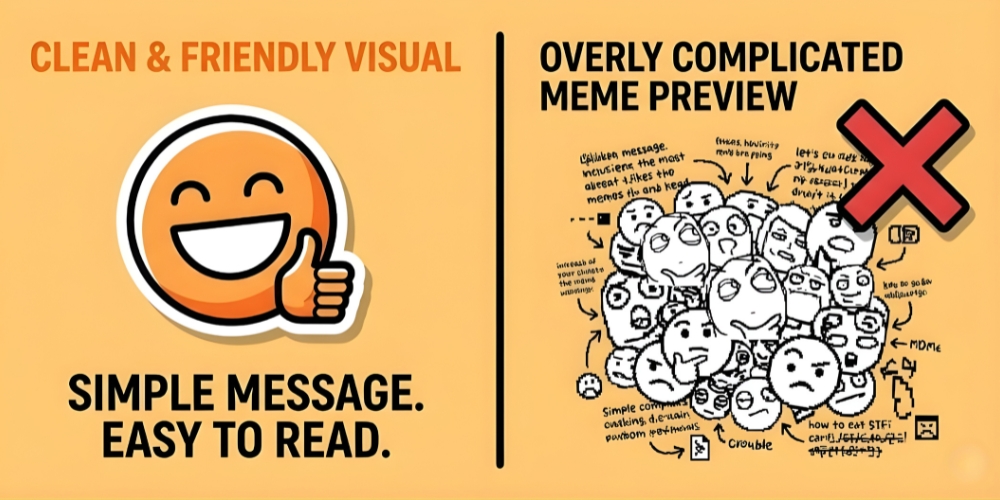
Keep the visuals and text simple
A meme does not need design polish. A clean image, a short caption, good timing. The text should be legible on a phone screen — most candidates will see it on mobile, in line with any modern mobile recruiting strategy.
Tie the meme to a real cultural value
The best recruiting memes are not random — they reflect something the team actually cares about. "First-interview nerves → first team win" tied to "we hire for growth potential, not perfection" is a meme with a point. A meme without a point is just noise.
Test before posting
Send the meme to three or four coworkers before publishing. If they smile, you are probably good. If anyone asks "what's this supposed to mean?", iterate. Internal testing catches most of the misfires.
Post where candidates actually scroll
Instagram, TikTok, LinkedIn (the LinkedIn meme renaissance is real), and your careers page. The same logic that drives general recruitment advertising applies — meet candidates on the platforms they already use.
Mistakes That Turn Memes Into Brand Problems
Five patterns that consistently backfire.
- Mocking candidates. Even gentle "candidates be like" framing reads as unfriendly. Always punch up or sideways, never down at the people you want to hire.
- Inside jokes only employees understand. A meme that requires context to be funny is not a meme — it is an inside reference. External audiences feel excluded.
- Text-heavy memes. If the punchline requires squinting, the meme has failed. Two short lines maximum.
- Dark humour or anything ambiguous. Recruiting memes need to be unambiguously positive. Anything that can be misread will be.
- Lifting templates without editing. Using a well-worn format is fine; copying someone else's specific joke verbatim is not. Add your own angle every time.
How to Integrate Memes Into the Broader Employer Brand
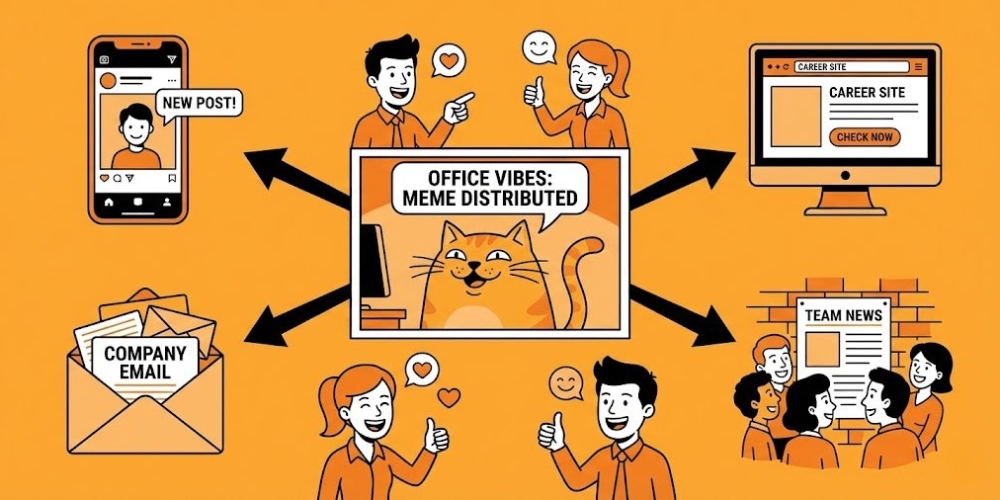
A meme strategy works best when it is part of a broader content mix.
- Start on the channels candidates already use. Instagram, LinkedIn, and your careers page are the highest-leverage starting points.
- Aim for a weekly cadence. One meme a week keeps engagement healthy without saturating your audience.
- Pair memes with hiring campaigns. A "first-day nerves" meme paired with an internship posting. A "scheduling a panel interview" meme paired with a reminder email. Memes that ladder up to specific recruiting goals work harder than standalone ones.
- Add memes to candidate email sequences. A single tasteful meme in a nurturing email lifts open rates and humanises the brand inside a normally-dry channel. Pairs well with a broader candidate attraction strategy.
- Make the team part of it. Let hiring managers share their own memes. The brand feels more human when the meme creators have faces.
- Measure what works. Shares and saves are higher-signal than likes. Conversations in comments are higher-signal than reach. Track what generates real engagement, not just impressions.
Build a small library of templates your team can use later — it keeps quality consistent and removes the friction of starting from scratch each time.
The Bottom Line
A good interview meme is one of the cheapest, highest-engagement tools available to recruiting teams in 2026. The mechanics are simple — relatable moment, clean visual, short caption, light humour — and the strategic value is real. Memes humanise the employer brand, signal cultural authenticity, and reach candidates on the platforms they actually use. The teams that lean into this consistently see a quiet compounding effect on inbound interest. The teams that ignore it stay invisible on the channels their next hire is scrolling right now.
FAQs
Why do memes work specifically for employer branding?
They communicate culture faster than paragraphs can. Shared recognition is one of the strongest signals candidates use to decide whether a company feels right — and memes are dense with that signal.
How often should an HR team post memes?
Once a week or once every two weeks is the sweet spot. Enough to be a noticeable part of your brand mix; not so often that the format feels desperate.
What kind of humour works best on LinkedIn?
Soft, observational, broadly relatable. Anything that punches down at candidates, competitors, or anyone identifiable lands badly. Anything self-aware about the recruiting experience itself tends to land well.
Can AI tools help create or test meme ideas?
Yes — for templates, caption tightening, and A/B variants. The judgement call on what to publish should stay human; AI is best at the supporting work.
What is the single biggest mistake to avoid?
Lifting another company's meme without editing it. The recruiting community recognises borrowed memes instantly, and the brand damage outweighs the convenience.


