

Handling Bad Glassdoor Reviews Without Wrecking Your Brand
Negative Glassdoor reviews shape candidate decisions — how to respond calmly, fix root causes, and stop chasing impossible removals.
Ployo Team
Ployo Editorial
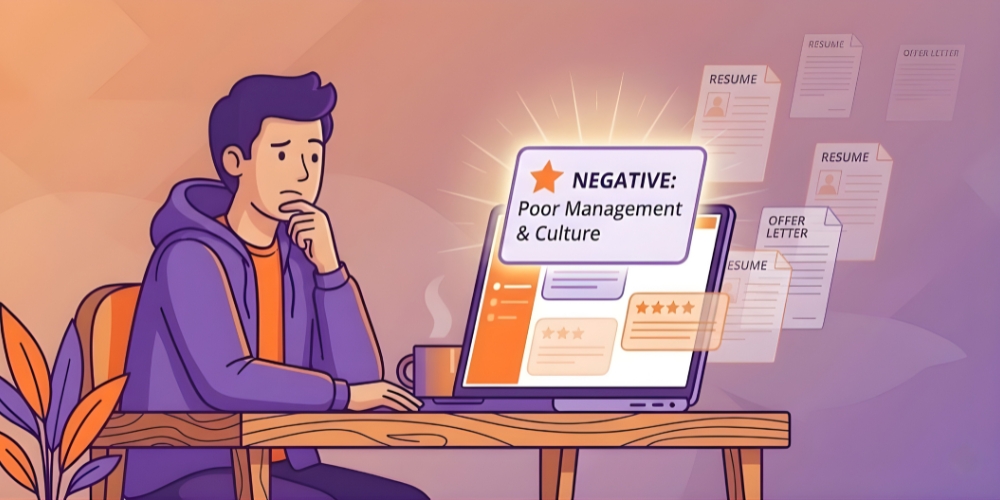
TL;DR
- 83% of job seekers check Glassdoor before applying (Glassdoor).
- 62% of job seekers improve their view of a company that responds to reviews (Glassdoor).
- Reviews only get removed when they break community guidelines, not when they're negative.
- Patterns across multiple reviews are signal; one-off vents are noise.
- Fixing root causes beats chasing review removals or coaching employees to post.
A single bad Glassdoor review can feel like a punch — one voice suddenly stands for your whole company in front of every candidate. Most leaders' instinct is to argue, to push for removal, or to coach employees into posting offsetting reviews. All three reactions backfire. The companies that handle public feedback well treat it as data, respond with measured tone, and invest in fixing the underlying issues. This guide walks through how to do that without making things worse.
Why Bad Reviews Matter
Candidates trust employee voices over company marketing. Glassdoor reports that 83% of job seekers research a company's reviews and ratings before applying.
That makes bad reviews more than reputation noise.
They shape who applies and accepts
Negative reviews don't just affect awareness — they affect decisions at every funnel stage. Applications drop, offer acceptances dip, and early-tenure attrition rises when candidates hit the door already wary.
They mirror internal reality
Public feedback reflects internal sentiment. Persistent themes in reviews almost always track to real internal issues — ignoring them weakens morale and erodes candidate experience in talent assessment.
Responses reveal the company
How a company responds tells candidates more than the review itself. Mature, measured replies signal good leadership; defensive ones confirm the worst suspicion the original reviewer raised.
What Counts as a "Bad" Review
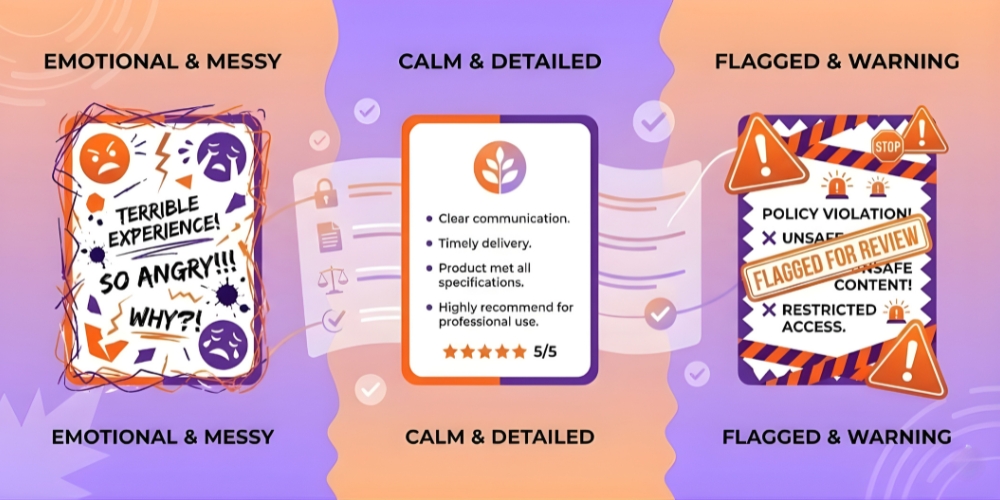
Four categories. Different categories warrant different responses.
| Type | Description | Action |
|---|---|---|
| Emotional vent | Light on detail, heavy on frustration | Acknowledge, don't engage line-by-line |
| Honest criticism | Specific concerns about real issues | Listen, respond with action |
| Outdated experience | Reflects an older version of the company | Note changes since, respect the past |
| Guideline violation | Hate speech, private data, fake content | Report through platform; rarely engage |
Only the last category qualifies for actual removal. Questions like "can Glassdoor reviews be removed" usually trace back to misunderstanding this — Glassdoor doesn't remove reviews for being negative, only for breaking community rules.
The First Rule: Don't Panic
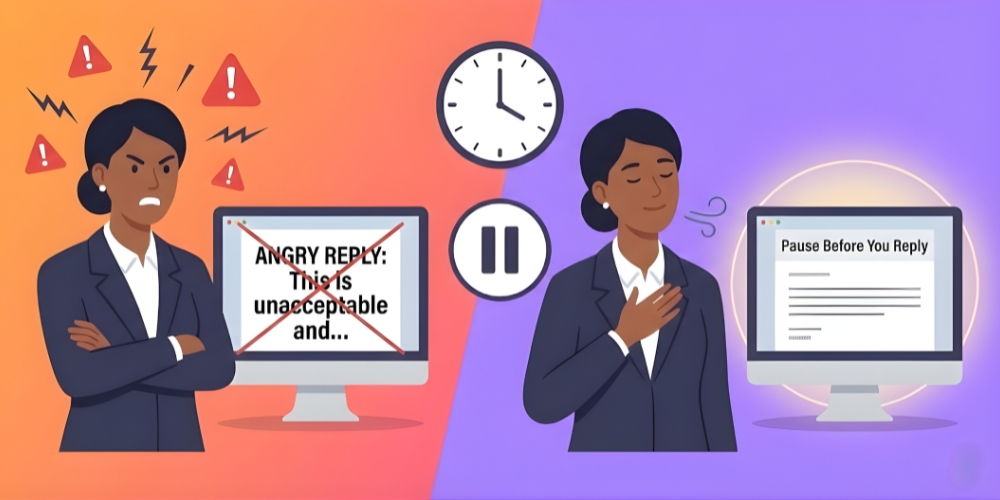
Public arguments confirm the worst impression a reader already has. Glassdoor's US survey finds 62% of job seekers improve their view of a company that responds to reviews — but the response has to be measured, not defensive.
A strong response does three things, in order.
Acknowledge the feedback
Don't dispute. Don't dismiss. Hear it.
Clarify without blame
Add factual context where genuinely useful. Don't relitigate the experience.
Signal openness to change
Mention what's evolving without overpromising. Action follows tone.
This is also where employer brand credibility is built — and where bad responses risk creating adverse impact signals if certain groups feel routinely dismissed.
A Step-by-Step Response Process
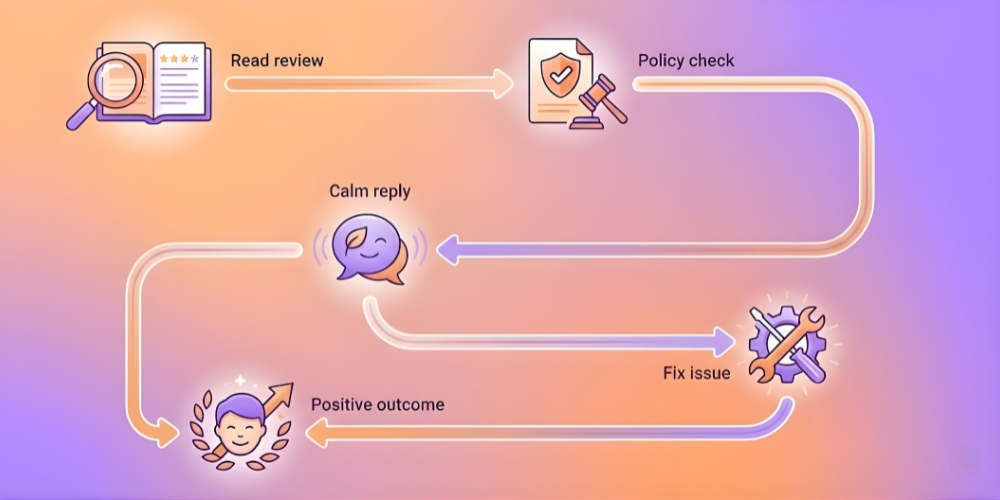
Six moves that consistently produce stronger outcomes.
1. Pause and read for facts
Separate emotion from substance. What would a neutral reader take away? What's the specific concern hiding inside the tone?
2. Check the policy before reaching for removal
Glassdoor won't take down a negative review just because you'd like it gone. Save energy by understanding what does and doesn't qualify before pursuing removal.
3. Craft a short, human public response
Thank the reviewer. Acknowledge the concern. Note what's changing where genuine. Avoid corporate boilerplate.
4. Look for patterns
One review is noise; five aligned reviews are data. Persistent themes around management, growth, or fairness point to real internal issues.
5. Fix the root cause
Improving reviews sustainably comes from improving the underlying experience, not from response tactics or removal efforts. Treat the substance, not the symptom.
6. Encourage balanced voices ethically
Don't pressure employees. Don't script feedback. Just make sure people know they can share their experience openly — and let them decide whether to.
What to Say (and What Not to Say)
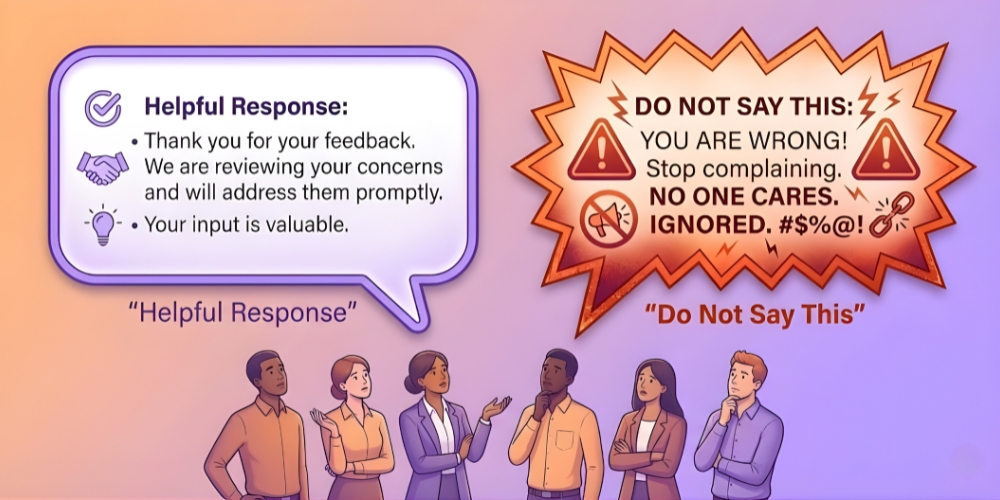
| What helps | What backfires |
|---|---|
| Thank the reviewer | Argue with the reviewer |
| Acknowledge the concern | Call the review unfair or wrong |
| Add factual context briefly | Share private details about employees |
| Note changes already made | Write defensive or emotional replies |
| Offer private follow-up | Copy/paste the same response everywhere |
Your reply is for the next candidate reading the page, not for the reviewer who wrote it. Write accordingly.
When Reviews Signal a Bigger Problem
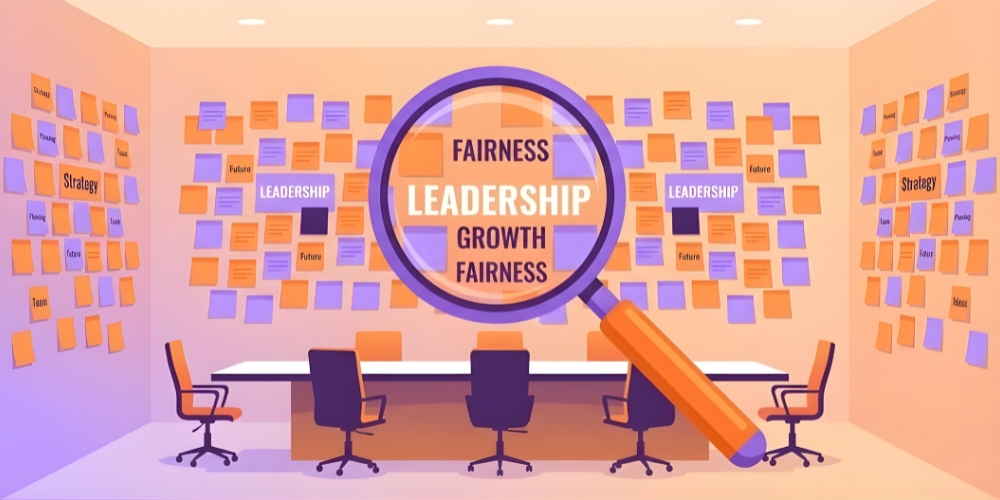
Some patterns demand internal action, not just public response.
- Repeated management complaints — points to leadership development gaps.
- Consistent hiring or promotion fairness concerns — points to broken processes or visible bias.
- Workload or burnout themes — points to capacity issues or unrealistic expectations.
- Bias or unequal treatment mentions — points to DEI failures that legal exposure compounds quickly.
When you see patterns, the public response becomes secondary. The real work is internal — fix the operations first, communicate progress externally second.
How AI Helps With Reputation Management
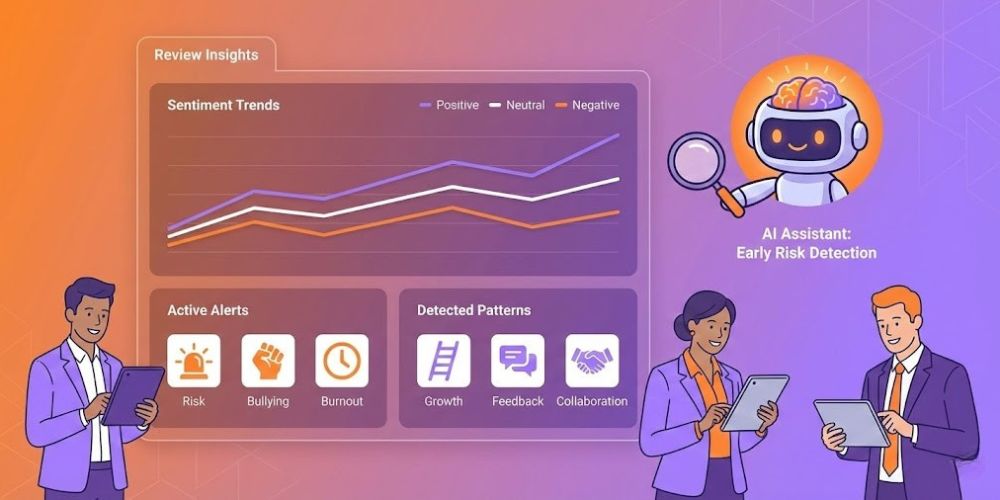
Manual review monitoring doesn't scale past a few dozen reviews. AI tooling helps in five specific ways.
- Groups feedback by theme rather than reading reviews one-by-one
- Flags emerging risks early before themes go viral
- Tracks sentiment shifts over time
- Separates emotional language from operational signal
- Keeps response tone consistent across reviewers and reviewers
AI doesn't replace judgment — it improves awareness. When review themes correlate with hiring funnel drop-offs or unusual attrition, the connection becomes visible far faster.
Common Mistakes
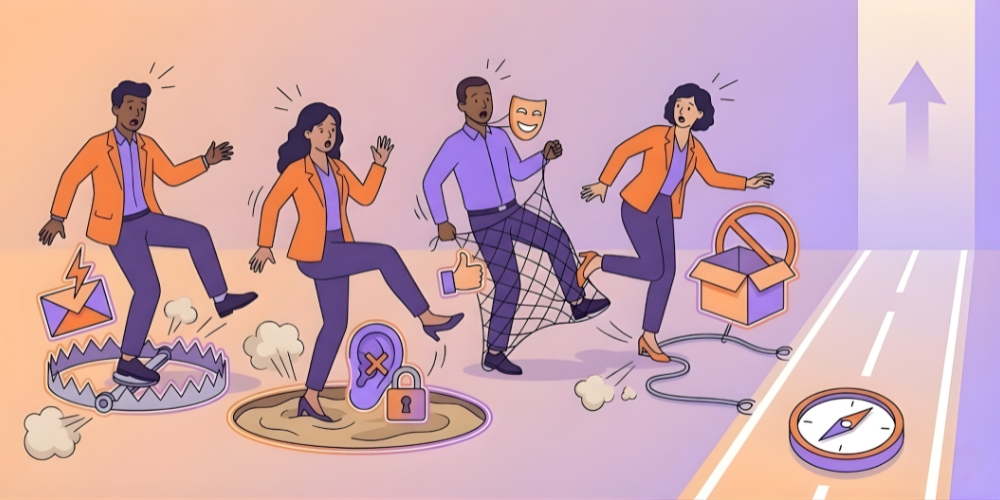
Five patterns that consistently make things worse.
Responding instantly to every review
Quick replies feel attentive. Quick reactive replies under emotional pressure feel defensive. Pause before replying; sleep on tough ones.
Treating reviews as a PR problem only
Reviews are operational data. PR-only treatment delays the actual fix while letting underlying issues compound.
Pressuring employees to post offsetting reviews
Astroturfing breaks Glassdoor policy and employee trust simultaneously. Candidates also routinely spot it. Effort negative; signal worse.
Spending more energy on removal than improvement
Removal pursuits rarely succeed and consume energy that would produce more value invested in fixing the substance.
Posting long corporate replies
Generic legalese signals that no one's home. Short, human, specific replies consistently outperform polished but empty ones.
The Bottom Line
Bad Glassdoor reviews create tension, but they rarely cause the damage. The damage comes from defensive, rushed, or careless responses — and from spending energy on removal rather than on the underlying experience. The companies that handle public feedback well pause, listen, respond once with measured tone, and invest seriously in fixing whatever the reviews keep surfacing. Over a year, that approach produces both better reviews and a stronger company. Over the same year, the alternative produces neither.
FAQs
Should companies respond to negative reviews?
Yes — thoughtfully and within a few days. Measured responses improve candidate perception by ~62% and demonstrate accountability. Defensive responses do the opposite.
Can bad Glassdoor reviews be removed?
Only when they break community guidelines (personal attacks, private data, fake content, hate speech). Negative-but-honest reviews stay public — Glassdoor's policy is consistent here.
How much do Glassdoor reviews affect hiring?
Significantly. ~83% of candidates check reviews before applying. Pattern themes — not single reviews — most strongly shape decisions about whether to engage with a company.
How can employers improve ratings ethically?
By fixing real issues, listening transparently to feedback, and letting employees post honest experiences without pressure. Pressure tactics and removal pursuits consistently backfire.
What's the single highest-leverage action?
Audit your recent reviews for patterns and pick one root-cause fix you can commit to in 90 days. Public response follows from real action far better than the reverse.


