

HR Cost Optimization: Smarter Spending, Not Deeper Cuts
Cut HR costs without harming morale — overlooked cost drivers, smart optimisation strategies, and the role of automation and analytics.
Ployo Team
Ployo Editorial

TL;DR
- Labour costs can hit ~70% of total company expenses (BLS).
- Replacing one employee costs 50–200% of their annual salary (SHRM).
- 1 in 4 employees plan to leave their job within a year due to burnout or growth gaps (PwC 2024).
- Best optimisation: automate repetitive work, prioritise retention, consolidate tooling.
- Sustainable savings come from eliminating inefficiency, not from layoffs.
When markets tighten, HR is often the first target for cuts — and that's usually the worst place to start. The real drains are inefficient processes, fragmented tooling, and reactive hiring. Strategic HR cost optimisation focuses on eliminating waste while protecting morale and capability. This guide walks through what to actually optimise and how.
What HR Cost Optimization Means

HR cost optimisation is about spending smarter, not cutting deeper. It means identifying waste — manual processes, redundant tools, avoidable turnover — and redirecting resources toward activities that generate measurable value.
The financial stakes are real. Per BLS data, labour costs can represent up to 70% of total company expenses. When those costs rise unchecked, profitable companies feel the squeeze. That's why many recruiters are investing in AI talent assessment tools — to shorten hiring cycles and improve role-fit decisions.
Why It Matters in Uncertain Times
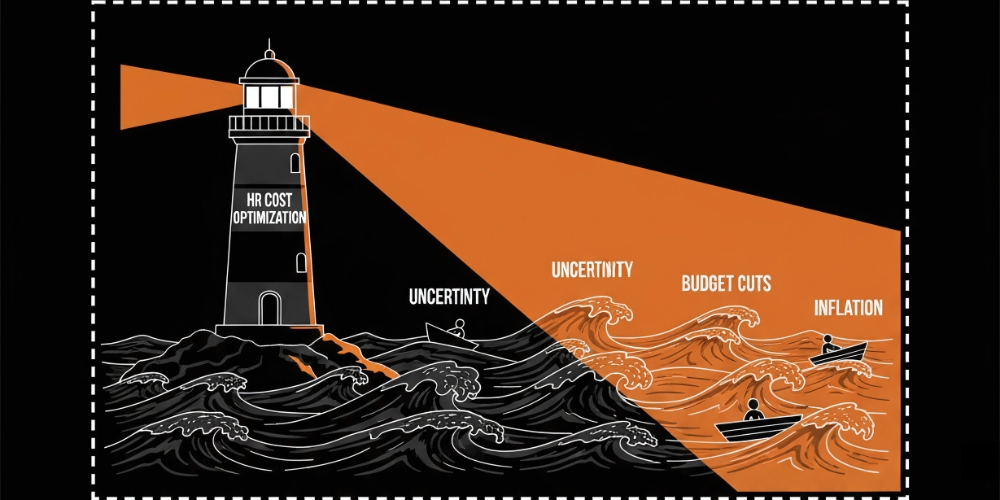
Reactive cuts often backfire. Layoffs and hiring freezes save short-term cash but create gaps that cost far more to refill later.
Two data points say it clearly.
Turnover risk is high
PwC's 2024 Global Workforce Hopes and Fears Survey shows 1 in 4 employees plan to leave their job within a year due to burnout or growth gaps.
Replacement is expensive
SHRM reports replacing a single employee costs 50–200% of their annual salary. Avoiding even a few replacements per year produces meaningful savings.
Companies focusing on HR operational efficiency and retention weather volatility much better than companies leading with cuts. Automation removes the manual recruitment screening cost that quietly drains resources.
Biggest Cost Drivers Companies Overlook

Five high-impact drivers that hide in plain sight.
Inefficient recruitment
Manual screening, outdated systems, slow scheduling. The hours add up fast and translate directly into higher cost-per-hire.
High turnover
Disengaged employees cost ~18% of their salary in lost productivity before they even leave. Retention is a financial strategy, not a soft skill.
Redundant HR tools
Multiple unconnected platforms inflate license fees and admin overhead. Consolidation improves HR operational efficiency materially.
Poor workforce planning
Without forecasting, companies overspend reacting to short-term shortages. Strategic planning avoids the hidden cost of screening and emergency replacement hiring.
Gut-feel decisions
HR teams without analytics miss cost-saving opportunities. Tracking cost-per-hire, time-to-fill, and employee lifetime value surfaces fixable patterns.
Optimization Strategies
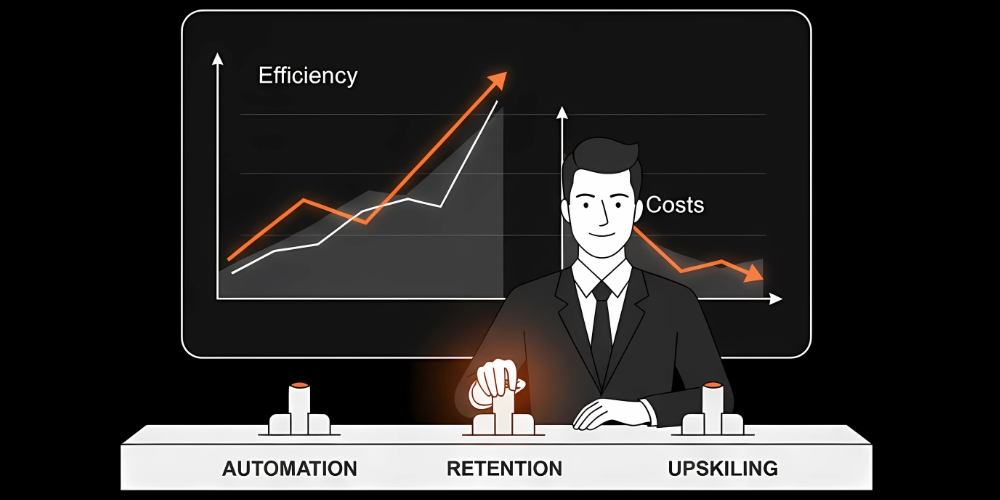
Six strategies that consistently produce sustainable savings.
1. Automate repetitive tasks
AI resume filters, self-service HR portals, automated scheduling. Each removes hours of admin and shortens recruitment timelines.
2. Prioritise retention over replacement
Career development programs, mentorship, recognition — all reduce churn at meaningful cost savings. Small engagement gains compound into large retention improvements.
3. Consolidate HR technology
Single-pane dashboards integrating payroll, benefits, performance, and recruiting beat fragmented point solutions on both cost and adoption.
4. Use workforce analytics
Forecasting labour demand prevents overstaffing, overtime spend, and emergency recruiting costs. Analytics replaces guesswork.
5. Invest in upskilling
Internal training fills skill gaps cheaper than external hires. Builds adaptable teams without inflating payroll.
6. Renegotiate vendors and benefits
Annual contract reviews surface significant savings. Switching to digital-first benefits or hybrid platforms often produces real cuts without hurting employee experience.
The Bottom Line
HR cost optimisation is a strategic capability, not a panic response. Companies that optimise well in uncertain times eliminate process waste, automate routine work, retain their best people, consolidate tooling, and use analytics to make informed decisions. The result is leaner, more resilient HR that supports rather than drags on the business. Sustainable savings don't come from layoffs — they come from eliminating the inefficiency layoffs were supposed to address.
FAQs
How can companies reduce HR costs without layoffs?
Streamline workflows, automate repetitive tasks, consolidate HR software, and use analytics to guide workforce decisions. These produce real savings while protecting morale.
Why is retention key to cost optimisation?
Replacing an employee costs 50–200% of their salary. Retaining strong performers protects productivity continuity and saves substantial direct costs.
How does workforce planning save money?
By aligning talent needs with business goals, planning avoids reactive overhiring and emergency replacement spend. Forecasting prevents the most expensive HR mistakes.
What's the most overlooked cost driver?
Tooling fragmentation. Multiple unconnected HR platforms quietly accumulate license fees and admin overhead. Consolidation often produces immediate, measurable savings.
What's the highest-leverage starting move?
Audit time-to-hire and cost-per-hire across roles. The data almost always reveals one or two workflows producing disproportionate cost — those are the right places to start optimising.


