

Hiring Interns That Add Real Value: A Practical Framework
How to hire interns who actually contribute — defining roles, attracting Gen Z, fair screening, legal compliance, and turning internships into full-time hires.
Ployo Team
Ployo Editorial

TL;DR
- 62% of interns in 2024 received full-time offers (NACE) — internships are a major hiring pipeline.
- 81% of students rank online career platforms as their top job-search source (Handshake Class of 2025).
- Gen Z values purposeful work, regular feedback, and learning over office perks.
- Structured single-round screening is enough — don't over-complicate intern interviews.
- Plan ~3–4 months ahead of the start date to source, interview, and onboard properly.
Internships are one of the highest-leverage hiring channels — when done well. The companies that consistently convert interns into strong full-time hires aren't promising the most perks; they're providing the clearest direction, real work, and honest feedback. This guide walks through how to build an intern program that actually delivers value to both sides.
Why Internships Are Worth the Investment
Three structural benefits.
Future hiring pipeline
NACE's 2024 data shows employers extended full-time offers to 62% of their intern class. Internships function as low-risk talent evaluation in real working conditions.
Capacity support without long-term commitment
Interns bring energy, fresh ideas, and short-term support without the headcount commitment of a full-time hire. Especially valuable for early-stage companies and project-based work.
Long-term brand building
Strong intern experiences create graduate-level brand advocates who talk about your company on campus and online. The reputational compound effect over 3–5 years is substantial.
What Makes a Good Program

Three durable principles.
Clear direction
Interns want to know what they'll learn, who they'll work alongside, and how progress will be measured. Direction matters more than perks.
Real work, not busywork
Small projects with meaningful outcomes beat make-work assignments. Connect interns to real deliverables; mentor weekly.
Honest growth focus
Gen Z interns value learning, flexibility, and honesty over office snacks or branded swag. Programs built around real growth attract stronger candidates and produce better full-time conversion rates.
Sharing intern stories and day-in-the-life content publicly supports broader recruitment marketing for AI hiring — attracting the right candidates from the start.
The Hiring Framework
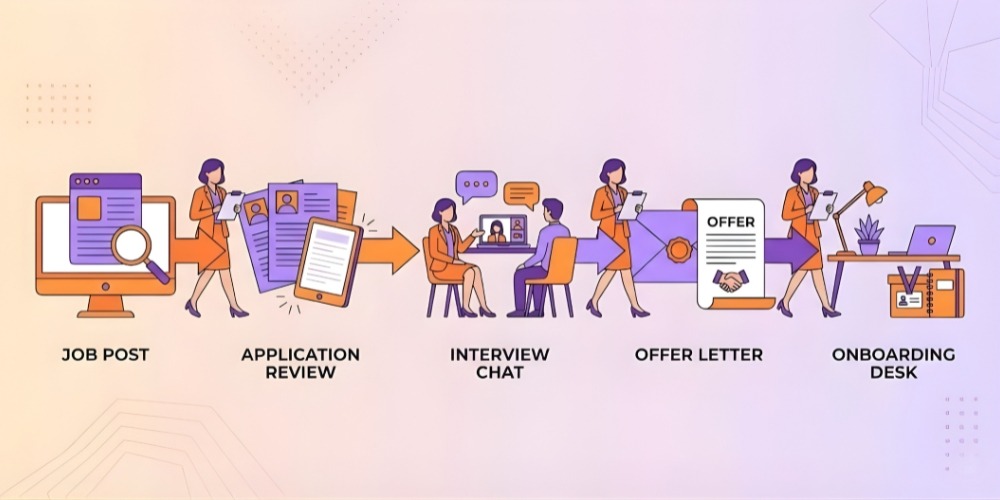
Five steps that consistently produce strong hires.
1. Define why the role exists
Be specific: extra support, skill-building, or future hiring? The why shapes every downstream decision.
2. Write the role honestly
Plain language, skip buzzwords. Describe what the intern will actually do and learn. Vague descriptions attract vague candidates.
3. Post where students look
University career boards, Handshake, LinkedIn, and discipline-specific Discord/Slack communities all carry weight. Handshake's Class of 2025 data ranks online career platforms in the top three job-search sources for 81% of students.
4. Screen fairly and fast
One structured interview plus a short take-home task is usually enough. Save extensive interview rounds for full-time roles. Apply solid candidate assessment principles to keep evaluation consistent.
5. Use AI for consistency at scale
AI recruitment tools help sort large application volumes and apply consistent rubrics across reviewers. Most useful when intern volume is high.
What to Look For
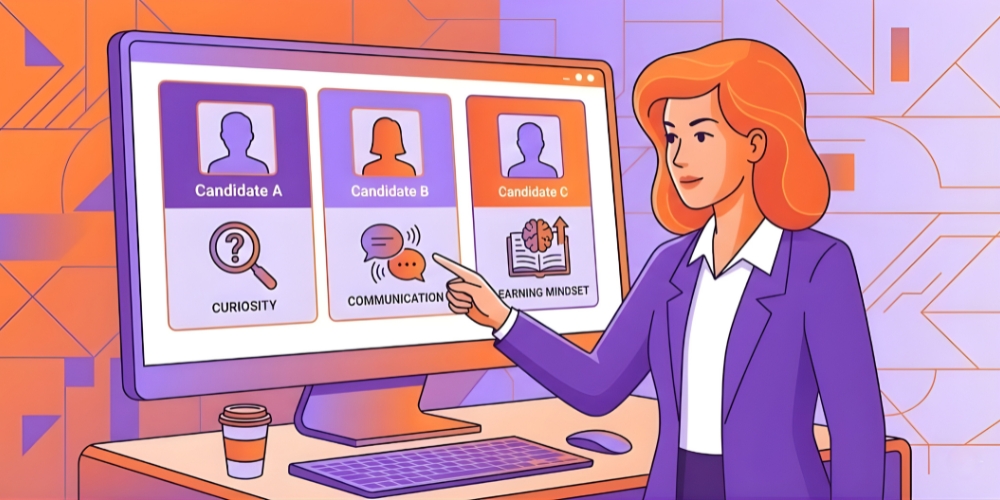
Skills matter less than three traits.
Curiosity
Thoughtful questions during the interview signal learning velocity post-hire. Memorised answers don't.
Communication
Clear, structured responses suggest the intern will write and present well during the role itself.
Ownership signals
How they describe past projects (class, work, volunteer) reveals whether they treat work as theirs. Owners outperform passengers consistently.
When you're hiring interns as potential full-time pipeline, weight these traits especially heavily.
Common Mistakes
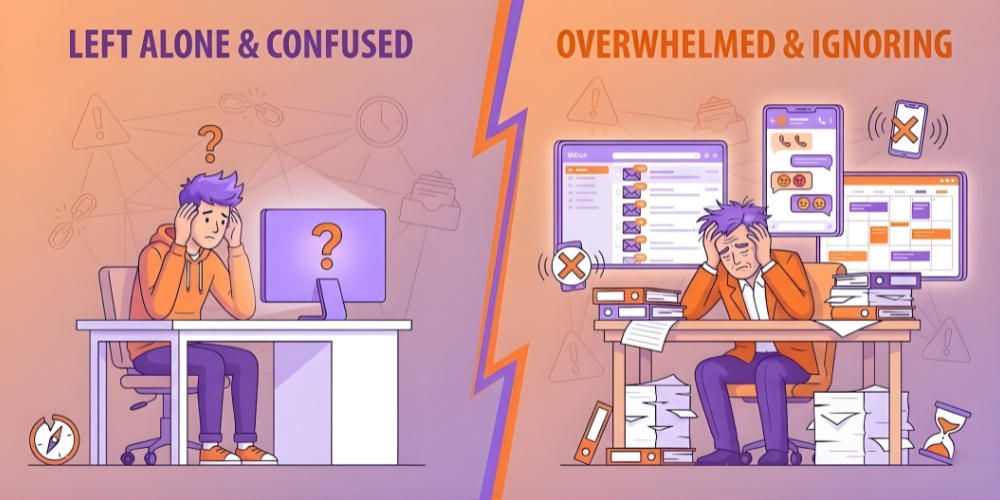
Four patterns that consistently produce disappointing programs.
Treating interns as cheap labour
Interns who feel ignored disengage fast and leave with a poor impression. Cheap-labour framing is also legally fraught in many jurisdictions.
Unclear expectations
Without explicit success criteria, interns can't deliver. Confusion wastes time on both sides and produces an unfair evaluation at the end.
Overload without guidance
Heavy workload with minimal support isn't a stretch goal; it's a setup for failure. Build structured mentorship into the program.
Slow hiring decisions
Top intern candidates juggle multiple offers. Slow processes lose the best ones. Move quickly or lose to faster competitors.
Legal and Compliance Considerations
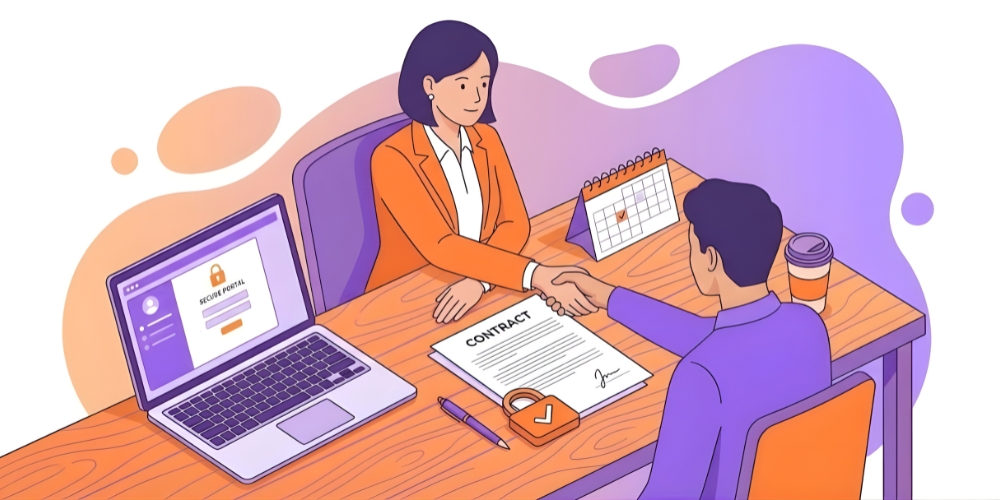
Four areas worth verifying with local counsel.
Classification and pay
Misclassification (unpaid where pay is required, or treating interns as employees without protections) creates real legal exposure. Most jurisdictions either require or strongly recommend paid internships.
Written contracts
Document duration, hours, learning goals, supervision, and confidentiality. Protects both sides and makes expectations explicit.
Data privacy
Limit access to internal tools and customer data to what the role actually requires. Audit periodically.
Local labour law
Rules vary widely by country and sometimes state. Confirm before posting roles.
How AI Improves Intern Hiring
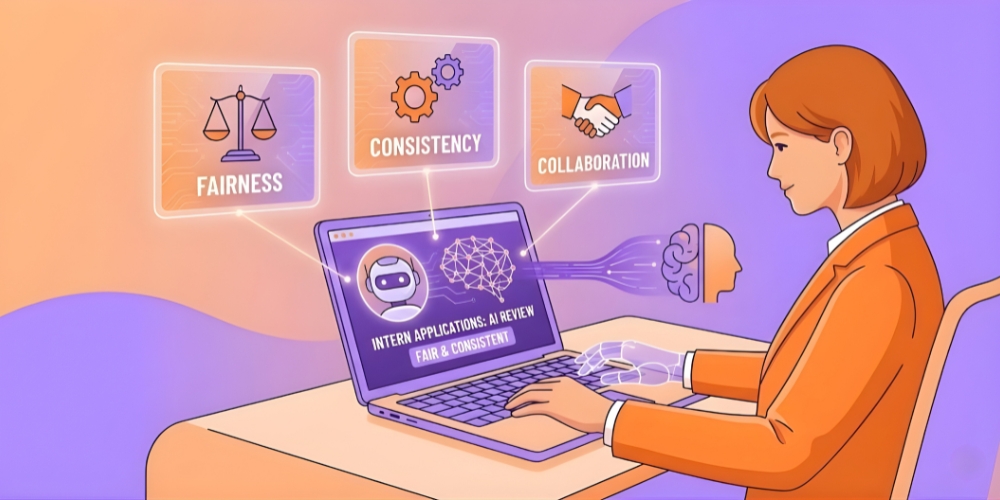
Three concrete benefits when used well.
Volume handling
AI screens large applicant volumes against skills, availability, and interest fit — freeing recruiter time for real conversations with promising candidates.
Consistent assessment
Standardised AI-supported assessments produce more comparable evaluations across reviewers and reduce bias.
Faster reviews
Resume sorting, interview scheduling, and routine communication all move faster with AI handling the routine work. Recruiters focus on judgment.
The boundary: AI handles repeatable work; humans handle judgment, mentor matching, and final hiring decisions.
Turning Interns Into Full-Time Hires
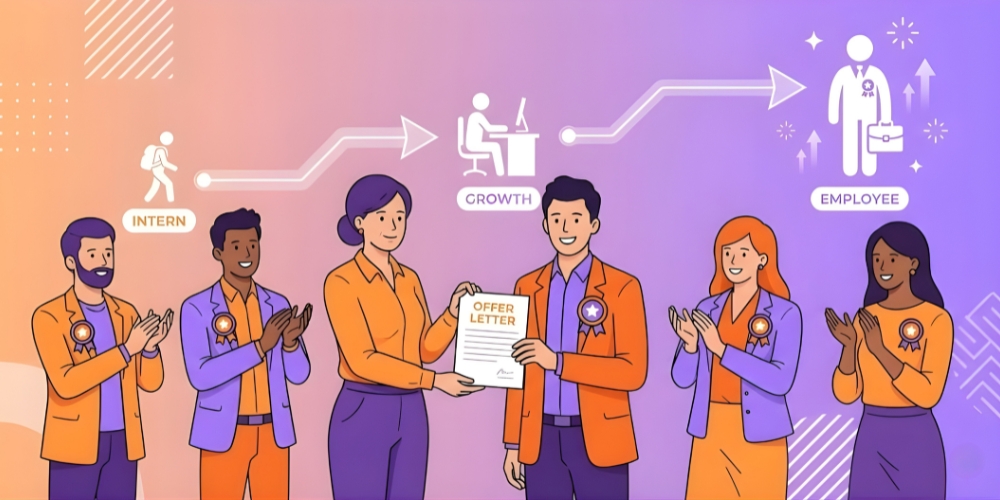
Four moves that consistently improve conversion rates.
Give ownership of small projects
Real ownership reveals how the intern performs under realistic conditions. Performance during the internship is the best predictor of full-time fit.
Weekly feedback
Structured weekly check-ins help interns improve and let the team gauge fit early. Surprises at the end-of-internship review damage trust on both sides.
Set clear conversion criteria early
If a full-time role is possible, communicate the path early. Transparency improves acceptance rates substantially.
Move the offer quickly
Once you've decided, move fast. Top interns receive competing offers — delay loses people who already prefer your company.
The Bottom Line
Hiring interns well isn't complicated, but it does require intentionality. Define why the role exists, write the description honestly, post where students look, screen fairly, give real work with real ownership, mentor weekly, and decide on conversion quickly. The companies that get this right build hiring pipelines and brand reputation simultaneously. The companies that don't end up with disengaged interns, busy managers, and wasted summers on both sides.
FAQs
How early should companies start hiring interns?
3–4 months before the start date for adequate sourcing, interviewing, and onboarding prep. Earlier is better for competitive markets and top-tier candidates.
Should interns be paid?
In most jurisdictions, yes — either legally required or strongly recommended. Paid roles also attract stronger candidates and produce better outcomes overall.
How long should an internship last?
8–12 weeks is the standard range. Long enough for meaningful contribution and learning, short enough that the program stays focused.
How many interns should a company hire?
Only as many as you can mentor and support well. Quality of experience beats quantity every time — overhired programs produce weak conversion rates regardless of size.
Can AI screen intern applications fairly?
Yes when used responsibly — structured rubrics, consistent evaluation, human review of final decisions. AI reduces bias when configured well, but it amplifies bias when wired into existing patterns without guardrails.


