

Surviving 12-Hour Shifts: Routines for New Hires and Employers
12-hour shifts are tough but manageable — onboarding tips for employers and sleep, nutrition, and pacing habits that keep new hires steady and alert.
Ployo Team
Ployo Editorial
TL;DR
- Routines beat heroics — pre-shift prep, structured breaks, and consistent sleep separate sustainable shift workers from burned-out ones.
- Cleveland Clinic research shows 20–30 min power naps boost alertness without grogginess.
- Forward-rotating shift schedules (morning → evening → night) help circadian adaptation.
- Skipping breaks to "get more done" consistently produces worse output and more errors.
- Long-term success on 12-hour shifts requires both employer scheduling support and personal routine discipline.
A 12-hour shift can wreck a new hire who treats it like a regular workday. The shift workers who thrive long-term aren't tougher — they have better systems. Prep, pacing, sleep discipline, and nutrition habits keep alertness up and errors down. This guide covers what employers can do to set new hires up well and what new hires can do for themselves.
Why 12-Hour Shifts Hit New Hires Hardest
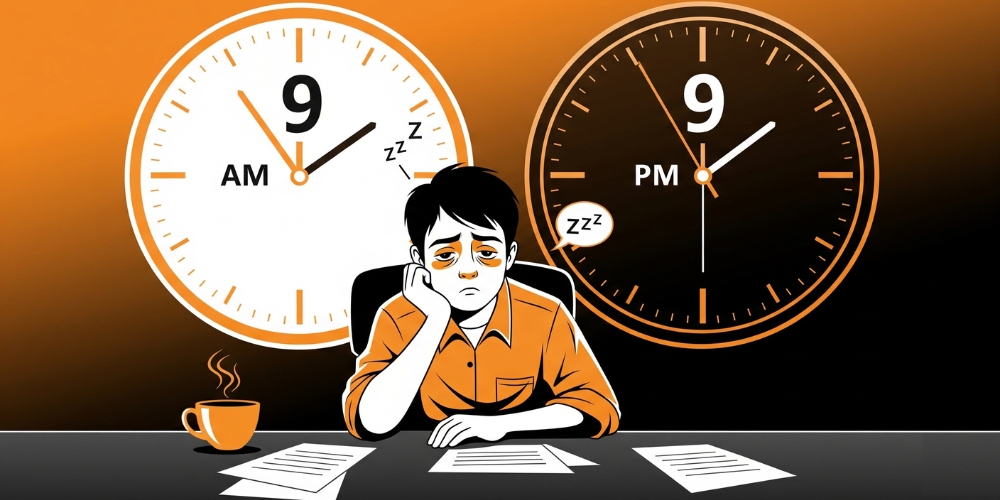
Five compounding pressures.
Cumulative physical and mental fatigue
Sustained alertness for 12 hours is biologically demanding. Concentration fades, mistakes increase, and safety margins shrink as the shift extends.
Circadian mismatch
Night shifts work against the body's natural rhythm. New hires haven't built the adaptation routines yet, which compounds both shift fatigue and recovery time.
No personal routine
Without an established system for when to eat, when to break, and how to pace energy, new hires effectively burn fuel inefficiently for the first weeks.
Unrealistic self-expectations
"Why am I the only one dragging?" usually isn't true. New hires routinely benchmark themselves against adapted veterans and conclude they're failing — when in fact they're just early in the adjustment curve.
Sector-specific stress
Police officers, ICU nurses, factory line workers, and emergency responders all face role-specific pressures that compound the basic challenge of a long shift. Without onboarding support, these roles burn new hires fast.
How Employers Should Prep New Hires
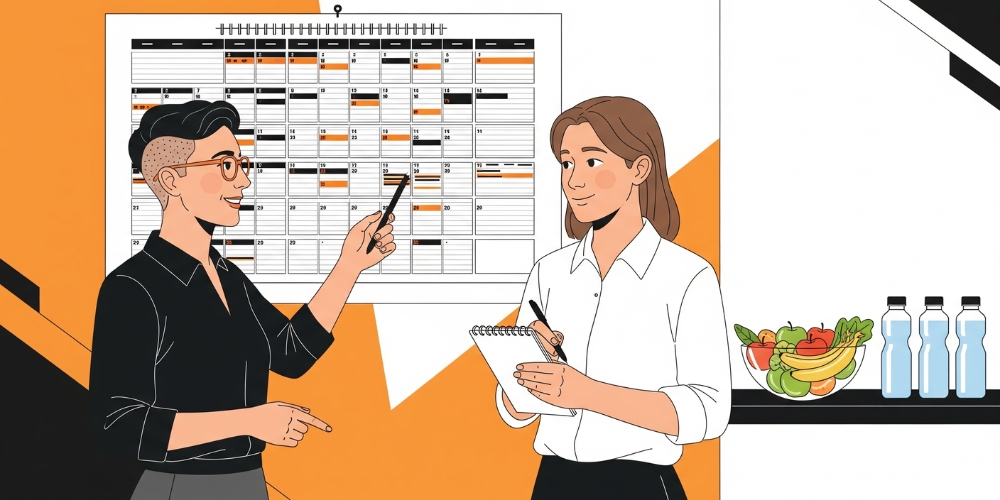
Five employer practices that consistently improve new-hire retention on long shifts.
1. Forward-rotating shift schedules
Morning → evening → night in that order helps circadian adaptation. Backward rotations cause sleep disruption that compounds quickly. Build in at least 10 hours between shifts.
2. Explicit pacing training in onboarding
Teach when to break, when to eat, when to hydrate. Don't assume new hires will figure it out. Walk through break timing on day one.
3. Supportive physical environment
Good lighting, fresh air, clean break rooms, accessible water. Small environmental factors compound across a 12-hour day.
4. Healthy-habit guidance
Sleep hygiene recommendations (blackout curtains, consistent sleep windows, low electronic exposure before bed), nutrition basics, and quick alertness resets. New hires especially benefit from explicit guidance.
5. Transparency about risks
Acknowledge the health and stress trade-offs of long shifts openly. Tracking wellness metrics — not just output — signals respect and builds trust.
Tips for New Hires

Six habits veteran shift workers consistently recommend.
Prep the night before
Pack food, lay out clothes, fill the water bottle. Removes morning friction; preserves energy for the shift itself.
Sleep 7–9 hours, consistently
Anchor your sleep window. For night shifts, use blackout curtains, eye masks, and white noise — sleep-quality drops significantly when daytime sleep is disrupted.
Hydrate and snack steadily
Water sipped throughout beats large amounts intermittently. Small protein-and-complex-carb snacks every 2–3 hours stabilise energy better than three big meals.
Stay in motion
Short stretching breaks, standing walks, posture changes. Two minutes every hour beats a long break at the end of the shift.
Use micro-naps when allowed
Per Cleveland Clinic guidance, 20–30 minute power naps sharpen alertness without producing grogginess. Longer naps create sleep inertia and should be avoided mid-shift.
Track what works
A simple note on snacks, sleep timing, and break patterns lets you optimise across shifts. Personal data outperforms generic advice within a few weeks.
Common Mistakes

Five patterns that consistently backfire.
Skipping breaks for "extra productivity"
Fatigue accumulates, output quality drops, errors increase. The maths goes against you within an hour.
Heavy meals mid-shift
Large meals trigger an energy crash. Smaller meals plus snacks maintain steadier blood sugar.
Inconsistent sleep schedule
"Catching up" on days off doesn't repair shift-disrupted sleep cleanly. Consistency beats compensation.
Cold starts to long shifts
Beginning a 12-hour shift without prep — no breakfast, no mental rundown, no plan for breaks — wears you out within hours.
Ignoring fatigue signals
Drowsiness is a real cue. Pausing 5 minutes when alertness drops produces better downstream output than pushing through for another hour.
Long-Term Sustainability

Getting through one shift is different from sustaining the pattern for years.
Consistent sleep across days off
Body clock stability matters. Bedtimes and wake times within 1 hour of each other across the week beat erratic catch-up sleep.
Nutrition as fuel
Lean protein, complex carbs, healthy fats. Pack food ahead so vending machines aren't the default. Sustained alertness depends more on what's eaten than how much caffeine is consumed.
Movement off-shift
20–30 minute daily walks improve sleep quality, reduce stress, and build the cardiovascular base that makes long shifts feel easier.
Protect personal time
Hobbies, family, learning. New hires using off days for upskilling — including programs like GED vs high school diploma pathways — build longer-term career momentum without wrecking recovery.
Career planning
Long shifts in healthcare, security, and logistics often lead to supervisory or specialist roles. Tracking AI hiring trends in your sector and using AI staffing platforms keeps options visible while you build experience.
The Bottom Line
12-hour shifts demand systems, not heroics. The new hires who thrive are the ones who treat shift work as a discipline — sleep, nutrition, pacing, breaks — rather than as a test of endurance. Employers who invest in onboarding routines and supportive scheduling keep their best people. Workers who build personal routines stay sharp, stay healthy, and turn long shifts into sustainable careers. The combination of employer support and personal discipline is what separates the shift workers who burn out at six months from the ones who're still going strong at six years.
FAQs
Is working 12-hour shifts healthy?
Not by default. With good sleep, structured breaks, and balanced nutrition, the health impact is manageable. Without those, fatigue and stress accumulate quickly and produce measurable long-term health effects.
How many breaks should you take in a 12-hour shift?
At least three structured breaks: two shorter (15–20 min) and one longer meal break. Micro-pauses (2–5 minutes) every hour or so add up significantly.
How do you prepare for your first 12-hour shift?
Sleep well the night before, plan and pack meals plus water, know your break timing, and arrive a little early to ease in. Starting rested instead of rushed sets the tone for the whole shift.
How do you recover after a 12-hour shift?
Hydrate, eat a light balanced meal, stretch lightly, and protect your sleep window. Trying to "stay productive" in the off hours is a common trap that worsens fatigue over the cycle.
What's the single highest-leverage habit?
Consistent sleep timing across days off. The body clock matters more than total hours slept — irregular sleep produces fatigue even when total hours look adequate on paper.


