

Finding Your Career Passion: A Practical, Test-Based Approach
Career passion isn't found by introspection alone — small experiments, honest energy tracking, and matching strengths to needs build the real signal.
Ployo Team
Ployo Editorial

TL;DR
- Passion is built through experiments, not discovered through reflection alone.
- Track energy after activities, not just enjoyment — sustainable paths energise you.
- The strongest careers sit at the intersection of interest, skill, and market demand.
- The average US worker changes jobs ~12 times in their life (BLS) — passions evolve too.
- AI career-matching tools surface patterns you can't see in yourself; use them as input, not verdict.
Most people search for career passion by introspecting — and stay stuck. Passion gets built through small experiments, honest energy tracking, and patient testing of where your interests, skills, and the market overlap. This guide walks through the practical method instead of the inspirational version.
What "Passion" Really Means in a Career
Career passion is the work that energises rather than drains you. It's not loving every minute — even great careers have boring stretches. It's about direction: does the work pull you forward or feel like a weight you push?
The honest version of passion answers a common interview question too — "what are you passionate about" — without sounding rehearsed. Real passion is specific. Generic passion sounds fake.
Signs You Haven't Found It Yet

Recognisable patterns when the current direction isn't right.
- Watching the clock more than learning.
- Doing tasks because you have to, not because they pull you in.
- Weekends feeling like the only time you're alive.
- Reluctance to talk about your work with friends.
- Recurring questions about why you're leaving your current job or switching paths again.
None of this means something's wrong with you. It means the data isn't pointing to a fit yet. The fix is more experiments, not more reflection.
The Step-by-Step Method
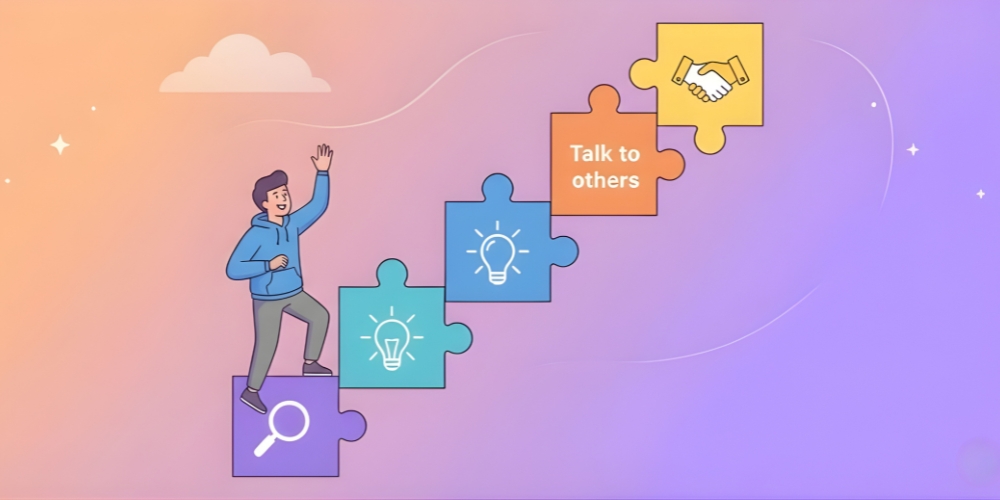
Seven concrete actions that consistently surface real signal.
1. Track what feels exciting
For two weeks, write down every moment you felt curious, proud, or absorbed. What you read at night, the tasks where time disappeared, the conversations that energised you.
2. Match interests to strengths
List what you're already good at. Where do your strengths overlap with your interests? Sustainable careers tend to live at that intersection.
3. Run mini-experiments
Workshops, shadowing professionals, short volunteer projects. Even first-time jobs for 16-year-olds reveal what kinds of work energise you. Real-world action beats thinking.
4. Talk to people in the field
Real practitioners describe the daily reality of a job better than any career site. Ask how they started, what they actually love, and what surprised them.
5. Track energy, not titles
After each experiment, rate your energy 1–10. Did it leave you energised or drained? Keep what energises you; drop what doesn't, regardless of how impressive the title sounded.
6. Reflect on a regular cadence
Weekly questions that surface patterns:
- What made me excited?
- What did I learn?
- Would I do this again?
7. Use tools when stuck
Career quizzes and AI matching tools surface patterns from your inputs that introspection alone misses. They're starting points, not answers.
If you're testing multiple paths simultaneously, manage your time carefully — working two jobs without burning out requires real boundaries. Passion exploration shouldn't cost your health.
Testing Whether a Passion Can Be a Career

Enjoying something and earning from it are different problems. Four tests bridge the gap.
Do others earn from it?
Search job boards. If the skill shows up in roles people you respect actually hold, the path is at minimum viable.
What problem does it solve?
Careers grow when work removes pain for someone. Who benefits from what you do? Without a clear answer here, monetisation gets hard.
Run a low-risk income test
Offer a small paid service. Sell a small digital product. If one person pays once, the path has real-world value — even if the amount is small.
Look at market trends
BLS data shows the average American changes jobs about 12 times across a working life. Passions evolve; the question isn't "will this be my forever path" but "is this where my energy is best directed now."
Common Mistakes
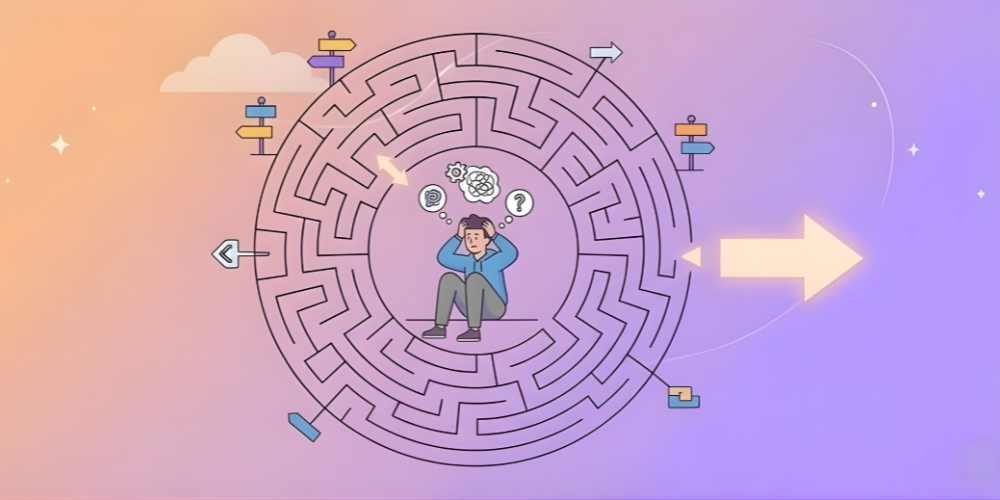
Five traps that keep people stuck.
Waiting for a lightning-strike moment
Real passion builds slowly through experiments and feedback. Waiting for an "aha!" prevents the small steps that would have built it.
Comparing to others
Someone else's path doesn't predict yours. Borrowed visions of success usually lead to borrowed dissatisfaction.
Ignoring practicality
Pure passion without structure doesn't pay rent. Passion + market viability + earnings potential is the durable triangle.
Quitting too early
Skills take time. Early-stage work often feels frustrating because competence hasn't caught up yet. Give experiments 4–8 weeks before deciding.
Trying to think your way through it
Passion gets discovered by doing, not by introspecting. Real-world experiments produce signal that journaling alone never will.
How AI Helps

AI surfaces patterns from your choices that you can't easily see in yourself.
Smart career quizzes
Modern AI-driven quizzes integrate interests, personality, and work style into role matches that go beyond surface keywords.
Skill-discovery platforms
These show which skills you use most and which you enjoy using — the difference matters significantly for sustainable career paths.
Job-market matching
Tools that compare your strengths against current hiring demand surface roles that aren't just theoretical fits but are actually being hired for today.
Interview practice
When the time comes to discuss your passion in an interview, AI-assisted practice helps refine answers until they sound real instead of rehearsed.
AI doesn't choose your future. It gives better signal so your choices stand on better ground.
The Bottom Line
Career passion isn't a destination you discover — it's a direction you build through experiments, energy tracking, and matching what you're good at to what the market needs. Stop waiting for clarity to arrive on its own; run small experiments, watch your energy, follow what pulls you forward. The path doesn't have to be loud or instantly obvious. It just has to be specifically yours, and tested in the real world rather than the inside of your head.
FAQs
How do I find my passion if I'm unsure what I like?
Start with tiny experiments — short courses, conversations with people in roles you're curious about, micro-projects. Track energy after each. Patterns emerge from data, not from introspection alone.
Can career passion change over time?
Yes — and that's normal. As your skills and interests evolve, the work that energises you evolves too. Most people shift career direction multiple times across a working life.
How do I balance passion and practicality?
Pick a direction that genuinely energises you, then test whether the market values it. Passion that pays grows sustainably; passion that doesn't pay eats savings until you have to abandon it.
What tools help find the right career?
Career quizzes, skill-mapping platforms, and AI-driven matching tools each surface different patterns. Use them as supplementary input alongside real-world experiments — never as the deciding voice.
What's the highest-leverage move when stuck?
Pick one small experiment you can run in the next two weeks — a workshop, a shadow day, a paid micro-project — and commit to it. Action produces signal that thinking can't.
Keep reading


Surviving 12-Hour Shifts: Routines for New Hires and Employers
