

Bad References: How to Evaluate Them Without Losing Good Candidates
A bad reference isn't an automatic no-hire — how to verify, compare against other signals, and decide when concerns are real vs reflective of context.
Ployo Team
Ployo Editorial
TL;DR
- ~87% of companies run reference checks as part of screening (SHRM).
- A bad reference is data, not a verdict — context determines its weight.
- Compare against interview performance, assessments, and other references before deciding.
- Multiple aligned concerns + role sensitivity + recency = strongest case to disqualify.
- Structured questions and AI-assisted reference workflows reduce bias and improve consistency.
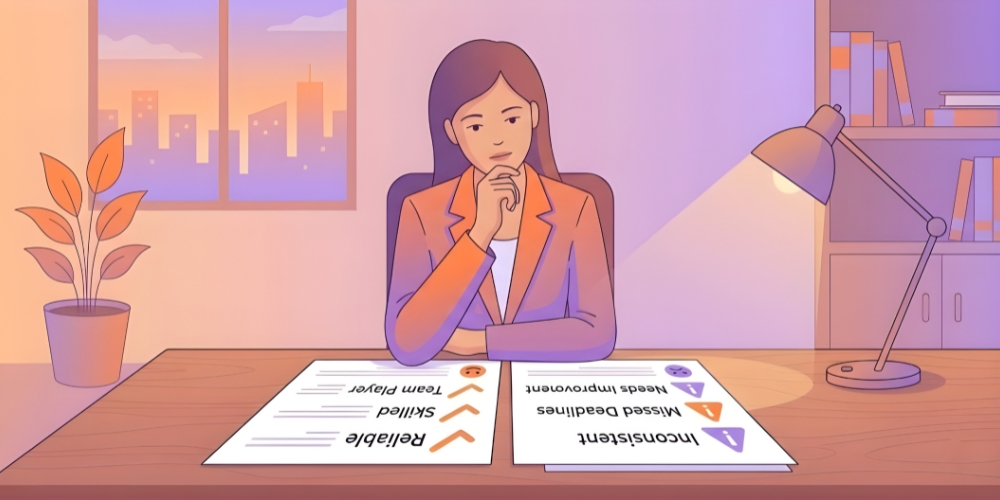
A negative reference can feel like a hard stop, but treating it that way regularly costs good hires. The reference reflects one person's experience with the candidate in one context — sometimes accurate, sometimes shaped by personal conflict, sometimes outdated. Strong hiring teams use bad references as a prompt for deeper investigation, not as a final verdict. This guide walks through how to evaluate what you hear, when to act on it, and how to keep the process fair.
What Counts as a "Bad" Reference
A bad reference goes beyond confirming dates and titles. It's a former manager, employer, or coworker raising substantive concerns — missed goals, collaboration issues, reliability problems, repeated conflicts.
Reference checks are a near-universal practice: about 87% of companies run them regularly as part of recruitment screening. That makes how you respond to negative input a high-leverage process question.
Why Bad References Are Often Misleading
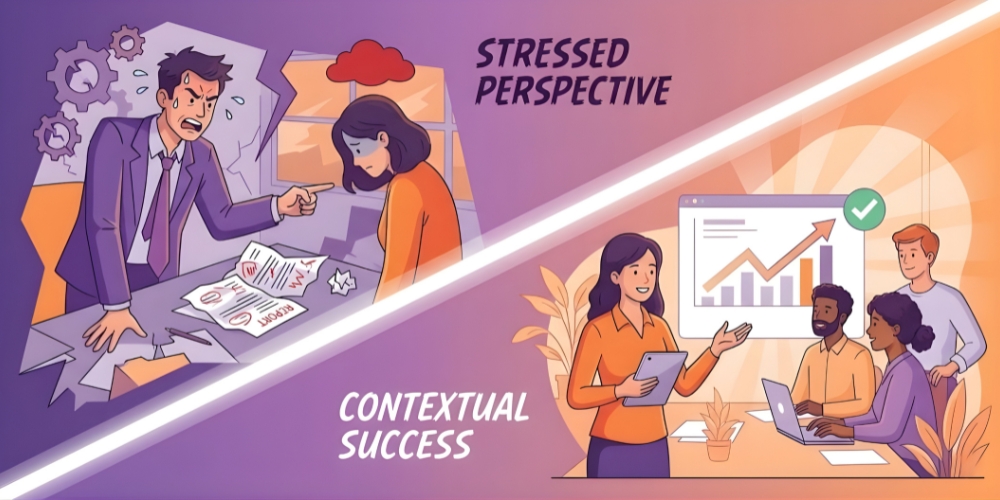
Three patterns that distort reference signal regularly.
Discomfort drives vague language
Many referees soften negative feedback into vague generalities. Absence of strong praise can be misread as concealed criticism — but it's often just discomfort talking, not actual signal.
Personal conflict bleeds in
A referee who clashed with the candidate personally may colour their assessment, even subconsciously. Limited working relationships compound the problem.
Context shapes the story
Someone who "struggled with deadlines" in a chaotic team with shifting priorities may thrive in a structured one. The same behaviour gets two different reference framings depending on what surrounded it.
These distortions are why a single negative reference rarely justifies disqualification on its own.
A Decision Framework
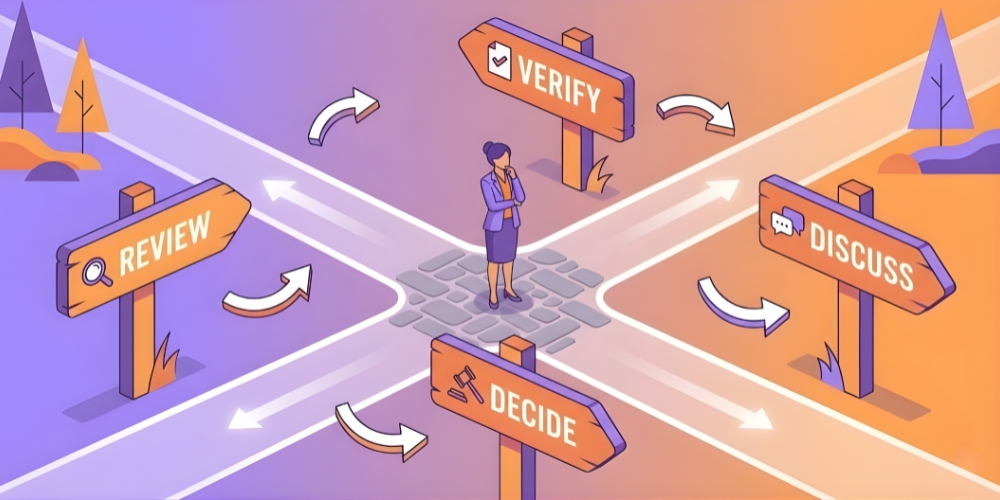
Five questions in order.
1. Verify the facts
Separate factual observations from personal judgments. "Missed three quarterly targets" is data. "Wasn't a great fit" is opinion.
2. Compare against other signals
Interview performance, skill assessments, work samples, other references. If everything else is strong, the negative comment likely reflects context or bias, not a reliable performance pattern.
3. Discuss with the candidate
Give the candidate a chance to explain. Often there's context — restructuring, a difficult manager, an unusual project — that meaningfully reframes the reference. Ask for additional referees who saw their work directly.
4. Use structured reference questions
Same questions for every reference, every candidate. Per PreemploymentAssessments.com, automated reference systems hit ~82% completion vs ~30% for phone calls, and produce more consistent data.
5. Weigh role sensitivity
A leadership role with high trust requirements treats negative feedback differently than an individual-contributor technical role. Match the bar to the consequences of getting it wrong.
When to Walk Away
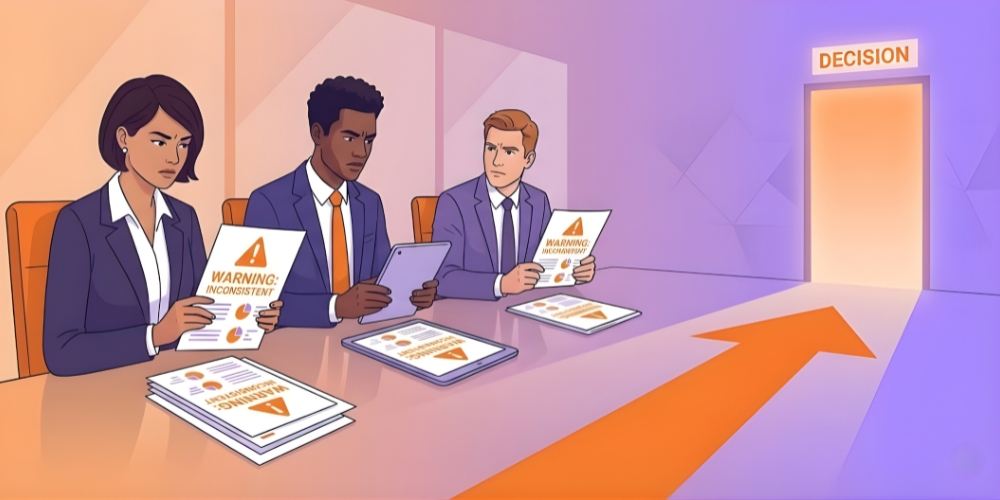
Three signals that justify stopping the process.
Multiple references confirm the same concern
One person flagging an issue is opinion. Three independent sources reporting the same pattern is signal. Look for convergence before disqualifying.
Safety, compliance, or trust risk
If the concern touches behaviour that could damage safety, legal compliance, or client trust, it deserves more weight. Some patterns are too costly to take a chance on.
Direct contradiction with candidate claims
A reference contradicting specific resume or interview claims — not "didn't get along," but "wasn't at that company for that role for those dates" — is a credibility issue, not just a fit issue.
When these patterns appear and hold up under scrutiny, walking away is usually the right call.
When to Keep the Candidate in Play

Three patterns where a bad reference is weaker than it looks.
The issue is old
Concerns from five years ago may not reflect current performance. Recent roles with steady performance carry more weight than a complaint from a distant role.
Limited or indirect relationship
A referee who barely worked with the candidate — or only saw them during a stressful transition — produces a low-signal reference. Stress moments shape memory unfairly.
Missing references happen
A candidate who can't provide references from a recent role isn't automatically suspect. Difficult exits, company freezes, or managers who refuse to provide references on policy all happen. Open a conversation rather than auto-rejecting.
Common Recruiter Mistakes
Three patterns that undermine fairness.
Treating one bad reference as a verdict
A single negative voice outweighing strong interview performance, assessments, and positive references rarely produces good decisions. Reference data is one input, not the deciding one.
Uneven scrutiny across candidates
Drilling into one candidate's references while overlooking similar concerns in another is the textbook setup for adverse impact — and undocumented inconsistency makes the legal exposure worse.
Confusing referee opinion with fact
References reflect individual experience, not neutral truth. Treat them with the same skepticism you'd treat any single data point.
Legal and Fairness Boundaries
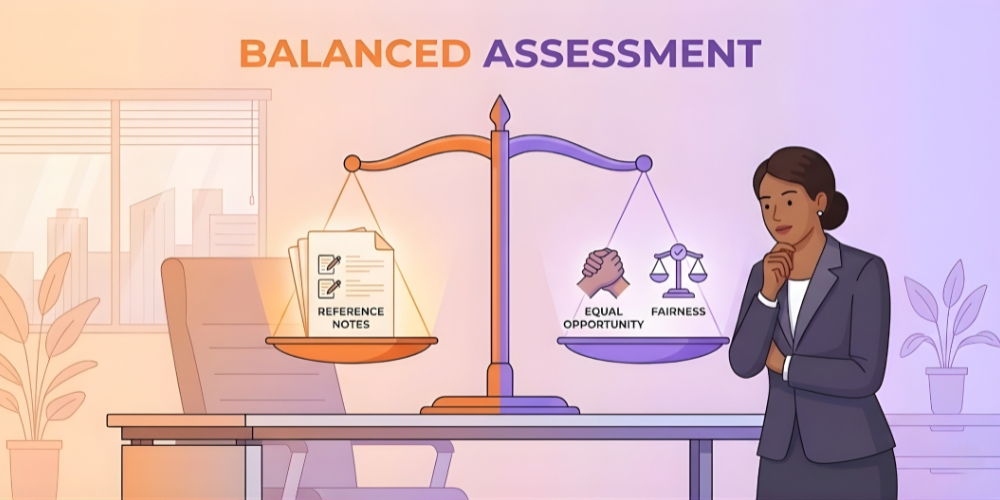
In most jurisdictions, former employers can legally share truthful, factual performance information. The legal risk arises when feedback becomes exaggerated, misleading, or retaliatory — which is why many companies limit their own references to dates and titles only.
Two principles for the hiring side.
Apply standards consistently
The same reference patterns must trigger the same actions across candidates. Inconsistent application is where discrimination claims gain traction.
Document your reasoning
Record what was said, how it was verified, and how it factored into the decision. A documented, role-relevant, evidence-based reason holds up. A vague "felt off about the reference" doesn't.
How AI Improves Reference Handling
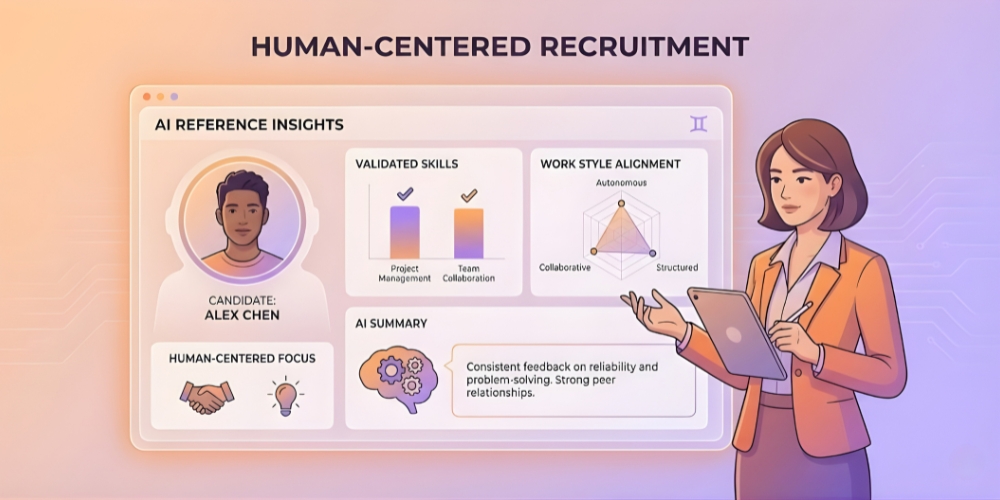
Modern hiring teams increasingly use AI to standardise reference workflows.
Structured questions and scoring
Automated reference platforms send the same questions to every referee, score responses on consistent rubrics, and surface meaningful patterns across multiple sources. Bias drops; data quality rises.
Multi-signal pattern detection
Combined with AI screening for cultural fit, reference data gets compared against interview and assessment signals. A negative comment that contradicts every other signal gets flagged for closer investigation rather than auto-weighted.
Faster, more consistent reviews
Recruiters spend less time chasing references and more time on the actual judgment calls. Decision speed improves; consistency improves alongside it.
Explaining the Decision Internally
The internal communication around references is often where hiring decisions break down. Hiring managers and stakeholders hear "bad reference" and assume risk without context.
Three principles for cleaner internal conversations.
Describe what was said specifically
"The reference said X" beats "the reference was negative." Specifics let everyone evaluate the same evidence.
Place it alongside other signals
Compare to interview performance, assessments, work samples, and other references. Show how the concern fits — or doesn't fit — the broader picture.
State the decision rationale plainly
If you're moving forward, explain why the risk is acceptable. If you're stopping, explain why the concern outweighed everything else. Clarity prevents rumour and second-guessing.
The Bottom Line
A bad reference is information, not a verdict. The hiring teams that handle them well verify the facts, compare against other signals, talk to the candidate, use structured questions, and weigh the concern against role demands. They walk away when concerns are consistent, role-critical, and recent. They keep candidates in play when the data is thin, old, or contradicted by stronger evidence. References should sharpen hiring decisions — not short-circuit them.
FAQs
Should a bad reference automatically disqualify a candidate?
No. It should trigger deeper investigation — structured questions, comparison to other signals, a conversation with the candidate. Disqualify only when multiple independent sources confirm a serious, recent, role-relevant concern.
Can references be biased or inaccurate?
Yes. References reflect individual perspectives and can be shaped by limited interaction, personal conflict, or contextual stress. Treat them as one data point among many.
Is it legal to reject someone based on a reference?
Yes, when the decision relies on accurate, job-relevant information applied consistently across candidates. Documented reasoning protects both the company and the candidate.
How many references should confirm a concern before it's actionable?
One isolated concern rarely warrants disqualification. Patterns across two or more independent sources carry materially more weight.
What's the highest-leverage improvement to reference checking?
Structured questions used consistently across every candidate. The combination of standardised input, faster turnaround, and documented patterns produces fairer outcomes and meaningfully better hiring decisions.


