

Countering the Military Recruitment Shortage: A Strategic Playbook
Why military recruiting has stalled, what the 2024–2025 rebound signals, and the strategy, tech, and brand moves that rebuild enlistment sustainably.
Ployo Team
Ployo Editorial
TL;DR
- Only ~23% of young Americans meet physical, educational, and moral standards to serve (CNAS).
- Several US military branches missed targets in 2022 and 2023; 2024–2025 data shows rebound.
- Strategic fix has five pieces: modernised messaging, eligibility prep programs, refreshed incentives, workforce planning, and responsible AI.
- AI helps with speed, focus on specialty talent, and process consistency — not as a replacement for human recruiters.
- Rebuilding the employer brand requires honesty, not louder marketing.
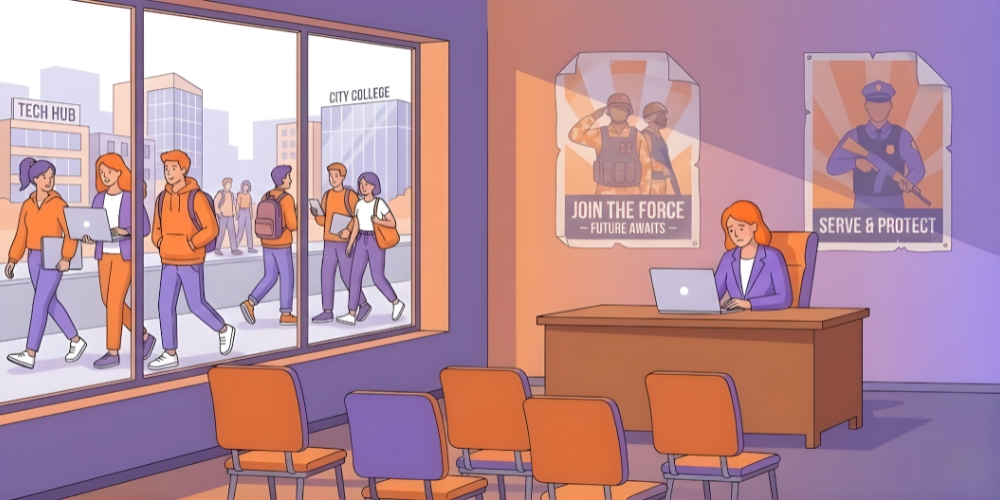
The US military's recruitment shortage isn't a single-year blip — it's a structural shift driven by eligibility limits, a strong civilian job market, and changing cultural attitudes toward service. The 2024–2025 rebound proves it's solvable, but only with a coordinated playbook across messaging, eligibility pathways, technology, and brand. This guide walks through what caused the gap and the practical moves leaders can sustain.
Why Military Recruiting Has Declined
Three structural forces drive the shortfall.
Eligibility limits
Only about 23% of young Americans clear the physical, educational, and conduct standards required to serve. Obesity rates, prescription-history disqualifications, and declining educational attainment all narrow the pool.
Strong civilian job market
Tech, healthcare, and skilled trades all offer competitive pay without the physical demands or relocation requirements of military life. The opportunity cost of enlistment has risen.
Cultural distance
Fewer families have direct military history, so service feels unfamiliar to many young Americans. Combined with shifting perceptions of institutional trust, this distance translates into lower consideration rates at the recruiting stage.
These factors combine — making the shortage structural rather than cyclical.
Why the Shortfall Matters
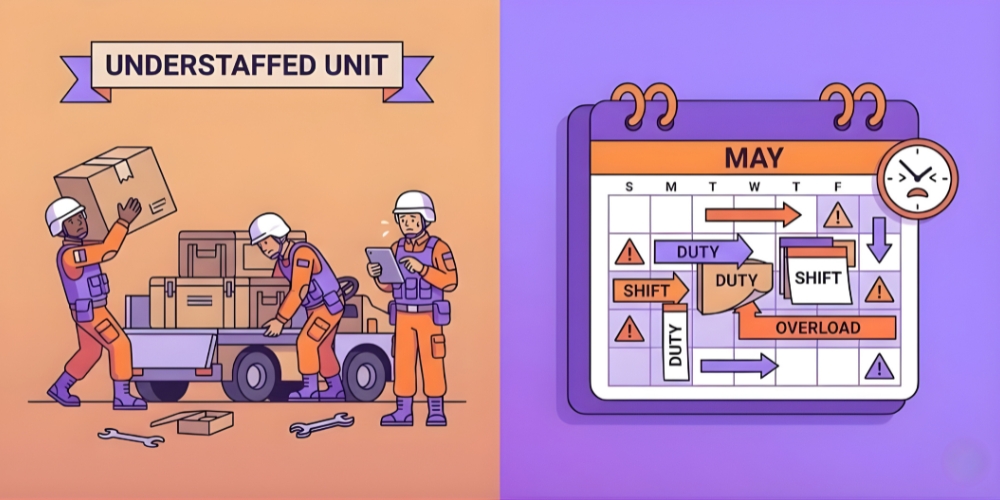
Three operational consequences worth taking seriously.
Readiness, not just headcount
Even paper-full units struggle without trained specialists. Skill-specific shortages (cyber, aviation, medical) hit operational tempo immediately.
Strategic constraints
Commanders adjust deployments, delay rotations, and burn current service members harder when units run thin. Morale and retention drop in turn.
Talent pool for critical specialties
Cyber, AI, and engineering roles compete against private-sector compensation. When the recruiting funnel narrows broadly, specialist talent narrows disproportionately.
A Five-Part Strategic Framework
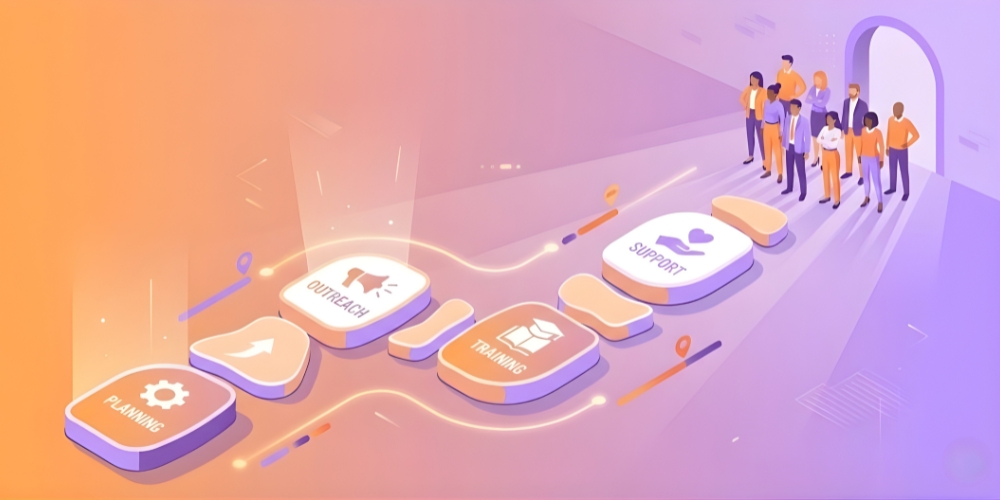
Five interconnected moves that consistently appear in successful recovery plans.
1. Modernise messaging
Connect to what young adults actually value: career growth, education funding, leadership skills, and post-service civilian-market value. Outreach to communities with low military exposure also expands qualified-applicant volume.
2. Strengthen eligibility-prep programs
The Army's Future Soldier Prep Course (and analogues across other branches) bring borderline candidates up to physical and academic standards. Expanding access and consistency turns near-misses into enlistments.
3. Refresh incentives and support
Pay, bonuses, and education benefits need to stay competitive. The package matters as much as the headline — tuition assistance, childcare support, and transition programs all influence consideration.
4. Build serious workforce planning
Long-term staffing health needs proper workforce planning. Data-driven forecasting surfaces gaps before they bite, and pipeline partnerships with high schools and community colleges sustain interest at the top of the funnel.
5. Apply technology responsibly
Digital recruiting and AI tools amplify human recruiters when wired in correctly. Compliance matters — campaigns must follow AI recruitment compliance standards on candidate privacy and fairness.
Recent USA Facts data shows recruiting has rebounded in 2024 and 2025 — the framework above is the engine behind that recovery.
Where AI Moves the Needle
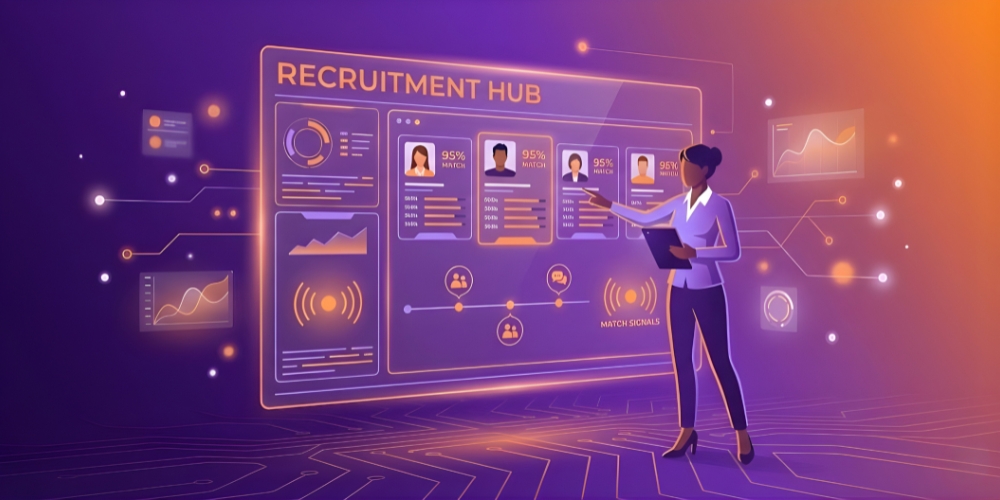
AI isn't a fix-all, but it relieves specific bottlenecks.
Speed
Automated screening surfaces strong candidates within hours rather than weeks. Long wait times are a leading cause of candidate drop-off — fast acknowledgement holds interest.
Targeting specialty talent
Cyber, data, and engineering candidates are scarce industry-wide. The AI talent shortage hits military hiring as hard as private-sector hiring. AI-supported sourcing focuses recruiter time on the right candidates rather than broadcasting wider.
Consistency
Standardised AI-assisted assessments reduce variance in recruiter judgement and produce defensible audit trails. Fairness improves; institutional credibility follows.
Recruiter time
Routine work — scheduling, paperwork, initial screening — handled by automation gives recruiters back hours for the relationship building that actually closes candidates.
Rebuilding the Employer Brand
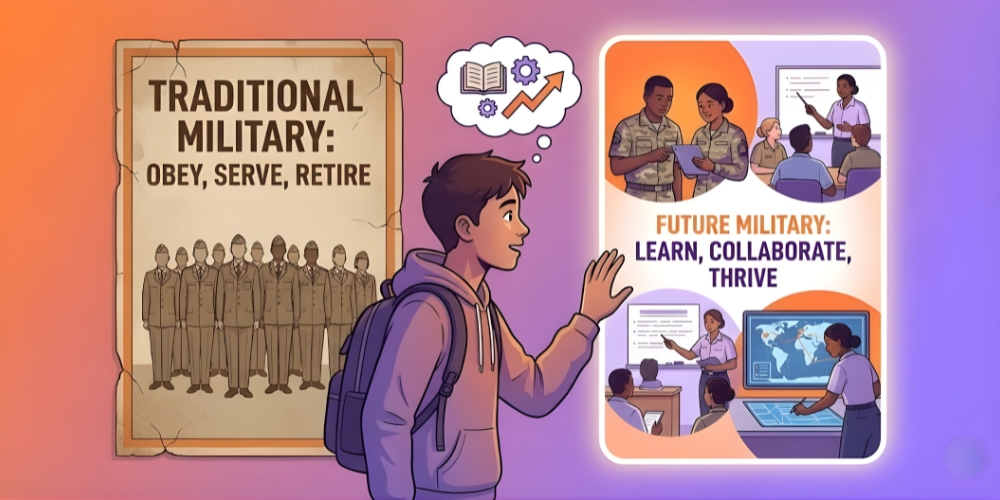
For many young Americans, "military brand" feels distant or outdated. Misinformation and headline-driven narratives compound the problem.
A modern brand effort needs three qualities.
Honesty
Real depictions of what service looks like today — career trajectories, post-service civilian outcomes, day-to-day realities. Hiding challenges damages long-term trust more than acknowledging them.
Specificity
Generic patriotism doesn't compete with specific career narratives. Branch-specific career storylines, specialty pathways, and concrete post-service trajectories give candidates something tangible to engage with.
Authentic voices
Stories from current and former service members carry more weight than agency-produced ads. Influencer-style content from real personnel consistently outperforms traditional recruitment marketing in attention and conversion metrics.
A steady, honest brand voice also reshapes the broader army-recruitment news cycle, where setbacks historically get more coverage than progress.
Partnering With Civilian Recruitment Tech
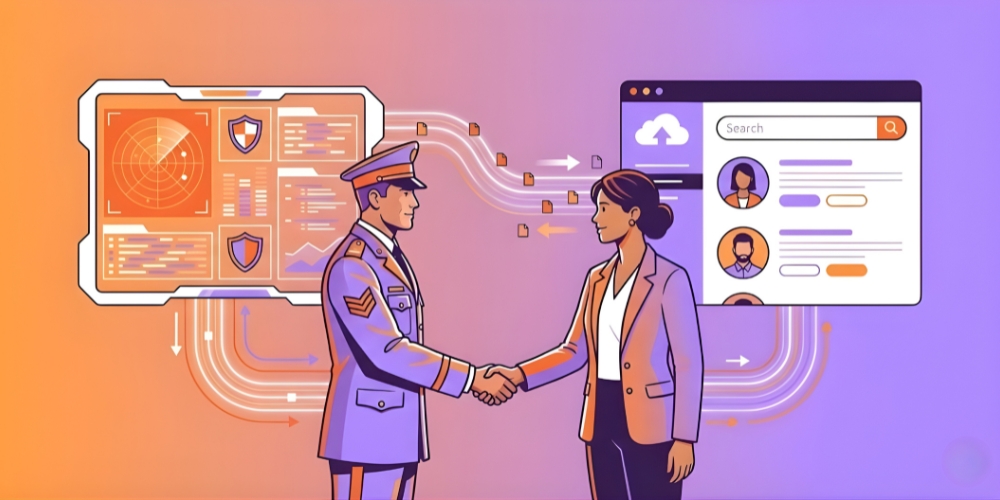
Civilian recruiting platforms have refined candidate journeys for years. Partnership accelerates military modernisation responsibly.
Three direct benefits.
Process clarity
Modern recruiting platforms keep candidates informed — where they are in the process, what's next, who to contact. Clarity reduces drop-off significantly.
Scale handling
Tools built for high-volume hiring (tech, hospitality, retail) handle thousands of applicants without losing fairness or response quality. Military recruiting can borrow these patterns directly.
Compliance maturity
Recruiting platforms built under strict consumer-data regimes (GDPR, EEOC) bring compliance-by-default to military adoption. Less custom build, more proven infrastructure.
The Bottom Line
The military recruitment shortage built up over years and won't reverse overnight — but the 2024–2025 rebound shows the playbook works when applied coherently. Modernise messaging, strengthen eligibility pathways, refresh incentives, plan the workforce seriously, and deploy AI responsibly. Brand honestly, partner with civilian recruiting tech where it accelerates progress, and centre the candidate experience at every step. Tradition and modernity aren't opposites in this work — they're complementary. The next generation of service members is reachable; the question is whether the recruiting infrastructure is ready to meet them.
FAQs
Why is military recruitment declining?
A combination of restrictive eligibility (only ~23% of young Americans qualify), a strong civilian job market with better immediate compensation in many fields, and weakening generational familiarity with military life.
Can AI help military recruiting?
Yes — particularly with screening speed, specialty-talent targeting, and process consistency. Used responsibly within fairness and privacy constraints, AI gives recruiters back time for the human conversations that actually close candidates.
How important is candidate experience?
Critical. Long wait times, poor communication, and bureaucratic processes drive drop-off faster than almost any other factor. Clear status updates and respectful pacing meaningfully improve enlistment conversion.
Is the recruitment rebound sustainable?
Sustainable only if the underlying drivers stay fixed — competitive incentives, working eligibility pathways, modern outreach, and continued brand investment. The 2024–2025 numbers show what's possible; consistency over years is what will hold the gains.
What's the single highest-leverage move?
Reduce time-to-decision for qualified candidates. Most enlistment drop-off happens in the delay between initial interest and confirmed entry. Compressing that timeline — through AI-assisted screening, faster scheduling, and clearer status communication — recovers more candidates than any single brand campaign.


