

Working in Bahrain as a Foreigner: The Complete Guide
Working in Bahrain — visa rules, cost of living, salary, Bahrainisation quotas, culture, and tips to land and thrive in your Gulf role.
Ployo Team
Ployo Editorial

TL;DR
- 631,763 active work permits for foreigners in Bahrain (LMRA mid-2024).
- Visa via employer sponsorship; check e-visa status on official portal.
- No personal income tax on wages; 10% VAT on goods + services.
- Cost of living: ~$1,227/month total in Bahrain (LivingCost).
- Bahrainisation policy gaining force — sector-specific local-hire quotas.
Considering Bahrain for your next career chapter? Many professionals see the Gulf as a strong move but feel uncertain about visas, costs, and culture fit. This guide walks through everything: visa requirements, finding jobs, cost of living, workplace culture, and how to navigate the rising Bahrainisation policy.
Why Bahrain Attracts Foreign Professionals
Per LMRA's mid-2024 data, Bahrain had 631,763 active work permits for foreigners — up 3.8% year over year. International talent remains essential even as Bahrainisation accelerates.
Beyond the numbers
Per BTI Project research, full foreign ownership is allowed in several sectors, the economy is open, and English is widely used. Integration is often easier than in other markets with heavier language and licensing barriers.
Work Visa Requirements
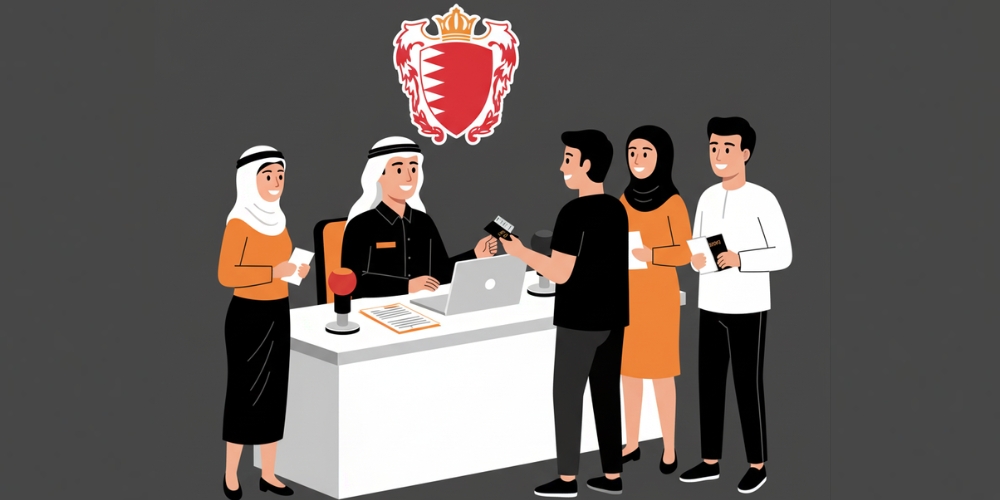
Employer sponsors you through the LMRA. Key points to know:
- Employer submits the permit application
- Check e-visa status via official portal during processing
- Family visa eligibility depends on salary thresholds
- Bahrainisation policy can affect approval timelines
Permit fee summary (2026)
| Permit Type | Duration | Total Fee |
|---|---|---|
| Initial registered worker | 6 months | BHD 267.5 |
| Renewal (6 months) | 6 months | BHD 107.5 |
| Initial (1 year) | 12 months | BHD 365 |
| Renewal (1 year) | 12 months | BHD 205 |
| Initial (2 years) | 24 months | BHD 560 |
Before signing any contract, verify visa and permit details — validity, renewal, who pays.
Bahrainisation and Hiring Quotas
Bahrainisation is the local-hire policy determining whether your work permit gets approved.
How the system works
Targets vary by industry. LMRA calculator checks compliance before approving new foreign hires.
- Banks: ~15–25% Bahraini staff requirement
- Large retail: up to 50%
- Tamkeen subsidies: up to 70% of local employee salary in year one for training
- WPS (Wages Protection System): mandatory by February 2026
Risks of breaking the rules
- BHD 300 extra fee per foreign work permit when below quota
- Fines BHD 500–1,000 per violation
- LMRA freeze on visa renewals and new applications
- Serious violations: business closures, 3 months–2 years prison for principals
2026 shift
New draft law doubles down on local hiring in medical, legal, accounting, banking, education, aviation.
Quick tips for expats
- Confirm employer is currently meeting Bahrainisation targets before signing
- Highlight mentoring/training experience in interviews — makes you a "training investment" the employer can justify
How to Find a Job in Bahrain

Five-step approach.
1. Target the right industries
Finance, oil + gas, IT services, hospitality, construction hire heavily from foreign professionals.
2. Use job portals + agencies
Online job boards, LinkedIn, LMRA portal, local recruitment agencies. Confirm sponsorship is included.
3. Network locally + digitally
Gulf markets reward who you know. Expat groups, Manama business events, industry meetups.
4. Review contracts carefully
Visa sponsorship, health insurance, accommodation allowance, clear termination + renewal clauses.
5. Consider job changes
Already in Bahrain? Check if your visa allows employer transfer. Some lock you to one sponsor without formal process.
Cost of Living and Lifestyle
Per Numbeo cost data, single-person basic expenses (excluding rent) are BHD 312 ($850)/month. Per SuperBat Attestation, one-bedroom apartments run BHD 200–300/month. Per LivingCost, total cost of living ~$1,227.
Lifestyle highlights
Manama offers malls, restaurants, beach access, social variety. Per Etax Jobs, business week runs Sunday–Thursday. Family visa adds schooling and larger housing costs.
Workplace Culture
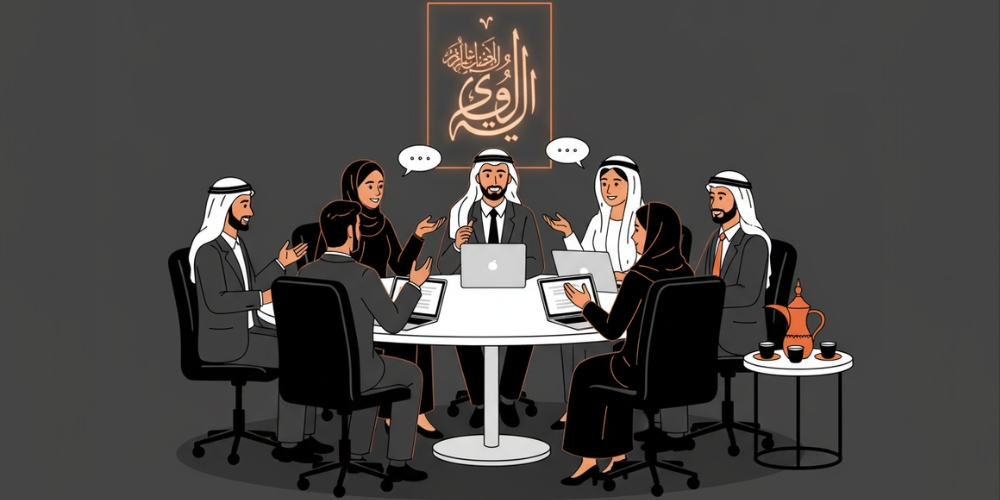
Mix of Middle Eastern tradition and global business standards.
Key cultural details
- Both Arabic and English used in corporate settings
- Respect for hierarchy — decisions come from senior leadership
- Relationships matter; coffee, small talk, informal connection often precede business
- Work–life balance improving but traditional hours still apply
- Dress modestly when meeting clients
Adapting to the culture
If you're used to flat organisations, expect some hierarchy adjustment. Quick to learn; the career-growth payoff is significant.
Taxes, Banking, Benefits

Per PwC tax summary, no personal income tax on wages and salaries. Your earnings stay yours.
What to watch
- Open a local bank account for salary (employer usually handles paperwork)
- 10% VAT on goods and services
- Confirm health insurance, housing/transport allowances, annual leave, end-of-service benefits in your contract
- Family visa: verify health insurance includes dependents
- Bahrainisation parallels Saudization — track local policy evolution
Tips for Working Successfully

Seven practical moves.
Confirm visa terms before signing
Who handles paperwork, who pays, renewal expectations.
Keep documents organised
Visa, work permit, contract, renewal terms. Know your sponsorship transfer rules.
Build a local network early
Industry meetups, expat groups, colleague connections. Cultural emphasis on relationships rewards proactive networking.
Respect cultural customs
Modest dress, polite greetings (Salam Alaykum + handshake), extra time for introductions.
Manage finances wisely
No salary tax, but housing and remittances add up. Track spending and savings.
Stay updated on regulations
Immigration and labour laws evolve. Job changes may affect visa validity.
Verify contract details
End-of-service benefits, leave entitlements, salary components, housing/transport allowances.
The Bottom Line
Working in Bahrain offers strong opportunity — career in a dynamic region, tax-free salary, comfortable lifestyle in the heart of the Gulf business world. Understand your visa, clarify your contract, adapt to workplace culture with awareness. Do that and you'll thrive, not just survive.
FAQs
Can foreigners change jobs in Bahrain?
Yes — but depends on current visa terms and right to switch sponsors. Check with employer and LMRA before accepting new roles.
Do I need Arabic to work there?
No. Most companies use English. Basic Arabic helps build relationships but isn't required for most roles.
Which industries hire the most foreigners?
Finance, IT, oil + gas, hospitality, construction. Niche regional skills enhance opportunities further.
How long does the visa process take?
Typically 2–6 weeks for standard work permits. Bahrainisation quota status of the employer can extend this.
What's the highest-leverage starting move?
Get a sponsoring employer to commit before leaving home country. Pre-arrival visa + permit + initial accommodation arrangements remove most of the friction.
Keep reading


