

Why Modern ATS Software Excels at High-Volume Hiring
Modern ATS handles massive applicant spikes — scalability, auto-screening, parsing, assessment integration, and better candidate experience at scale.
Ployo Team
Ployo Editorial
TL;DR
- Cloud architecture handles spikes without slowdowns.
- Parsing + auto-screening eliminate manual triage.
- Time-to-hire drops up to 35% with automation (Tengai).
- Bad/delayed hires cost ~30% of annual salary (US DOL).
- 49% of candidates reject future offers from disorganised processes (PwC).
A viral job post can bring thousands of applications overnight. Without the right system, hiring teams drown. Modern ATS software absorbs these spikes — automating early steps, keeping data clean, protecting candidate experience even at scale. This guide explains why and how.
What Makes Modern ATS Scalable
Five architectural pillars.
Cloud-based processing
Auto-expands when application volume spikes. 5,000 resumes arriving in a day get handled without recruiter access slowing.
Resume parsing at speed
Experience, education, skills, availability parsed in seconds — no manual reading. Cleaner data flow improves the broader ATS recruitment functionality.
Automated pre-screening rules
Years of experience, location, work authorisation, availability, certifications — ATS removes unqualified profiles instantly.
Load-safe dashboards
Stable even with thousands of logins, multiple hiring managers, simultaneous campaigns. Older systems crash; scalable ones don't.
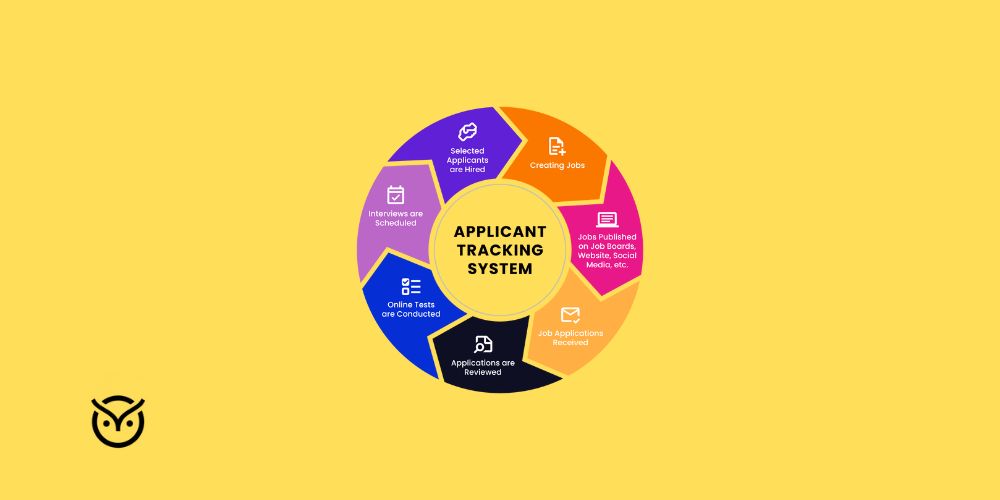
Multi-stage workflow
Structured stages prevent bottlenecks even at high volume.
How Assessment Platforms Handle Spikes
Four mechanisms.
Auto-triggered assessments
After ATS filtering, tests dispatch automatically — no recruiter involvement. Protects speed at 2,000+ qualifying candidates.
Load-balanced testing servers
Distributes load across multiple servers — no timeouts, no broken sessions.
Auto-scoring and ranking
Accurate scores, behaviour patterns, task performance, completion time — surfaced instantly. Top performers reach interview stage.
Drop-off protection
Time reminders and automated nudges reduce test abandonment during mass campaigns.
Benefits of Scalable ATS
Four measurable impacts.
Faster time-to-hire
Per Tengai's automation research, automation can shorten time-to-hire by up to 35% in large campaigns.
Lower recruiter burnout
Repetitive tasks removed; recruiters focus on high-impact decisions.
Cleaner shortlists
Tight data-driven shortlists instead of hundreds of semi-qualified profiles.
Better cost control
Per US Department of Labor estimates via Work Better Now, bad or delayed hires cost ~30% of annual salary.
How Scalability Improves Candidate Experience
Four ways scalable ATS actually helps candidates.
Faster responses
Instant confirmations, clear next steps, fast rejection updates. No multi-week silences.
No repeated data entry
Modern systems avoid form-filling across stages.
Consistent communication
Test invites, interview confirmations, status changes — all triggered automatically.
Fair screening
All applicants pass through same rules and filters. Per PwC's 2025 Hopes and Fears, 49% of applicants reject future offers from disorganised processes. Scalable ATS aligned with integrated recruitment ecosystems prevents this.
Why Accuracy Doesn't Drop at Scale
Modern ATS combines rule-based filtering, data-driven assessments, automated consistency, multi-stage validation. Human review still happens at later stages — but early noise is removed cleanly.
Business impacts when scale is done right
- Faster store openings
- Lower overtime costs
- Higher training ROI
- Lower early churn
- Better workforce stability
The Bottom Line
Volume doesn't break modern systems — weak systems break under volume. Scalable ATS absorbs application spikes, protects recruiter focus, keeps assessments fair, speeds hiring timelines, and preserves candidate experience all at once. Automation paired with structure replaces guesswork; judgment stays where it belongs.
FAQs
Does high volume slow down assessments?
No, when systems are load-balanced. Tests dispatch and score in parallel even at peak load.
Can automation handle thousands of applicants?
Modern ATS systems process tens of thousands using cloud scaling and rule-based automation.
Does scalability affect accuracy?
When designed well, no. Structured filters + automated scoring actually protect accuracy better than overloaded manual screening.
Do high-volume features improve candidate experience?
Yes — faster response, consistent communication, clean workflows directly improve how candidates experience the process.
What's the highest-leverage starting move?
Audit your current ATS for cloud scalability and auto-screening rules. If either is missing or weak, the next spike will reveal exactly where the cost hides.


