

Talent Acquisition Metrics That Actually Drive Hiring
The talent acquisition metrics that matter — time-to-fill, cost-per-hire, quality-of-hire, source quality — plus best practices and tools.
Ployo Team
Ployo Editorial

TL;DR
- Average cost-per-hire ~$4,700; can climb sharply by role (SHRM).
- 92% of applicants abandon long or non-mobile applications.
- Average time-to-fill: 36 days; tech and healthcare run longer.
- Track 6–8 metrics tied to funnel stages, not 47.
- Quality-of-hire + retention reveal real recruiting health.
Hiring without metrics is baking without tasting — you're working hard but can't tell if it's any good. This guide breaks down the metrics that actually matter, where to use them across the funnel, and the best practices that turn data into faster, smarter hires.
What Talent Acquisition Metrics Are
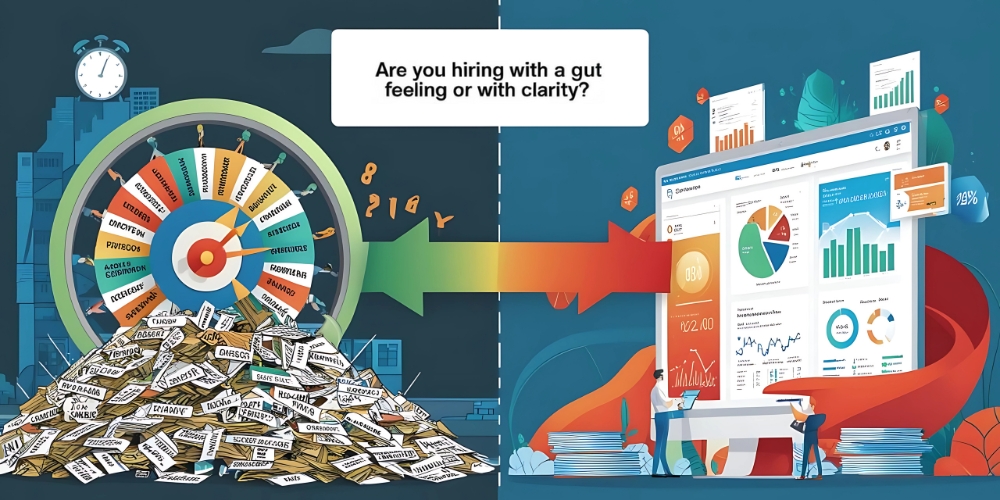
Numbers showing how well your hiring process performs. The scoreboard for recruiting.
Hiring vs talent acquisition metrics
- Hiring metrics measure volume
- Talent acquisition metrics measure value
Used right, they replace gut feel with data-backed hiring decisions. Used wrong, they become a 40-tab spreadsheet nobody reads.
Why Tracking Right Matters
Real benefits of strong metrics.
- See where candidates drop off
- Fix long or confusing applications
- Identify which job boards waste money
- Validate decisions with performance data
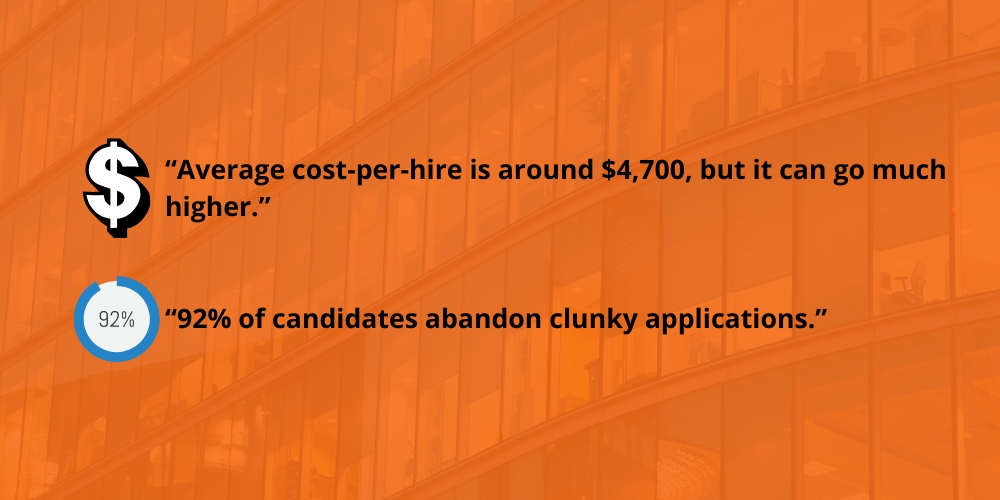
Per SHRM's Human Capital Benchmarking Report, average cost-per-hire is ~$4,700 — and metrics show exactly where to trim. 92% of applicants abandon long or non-mobile applications — a metric problem most teams don't even know they have until they measure it.
The Metrics That Matter Most
Eight metrics that consistently drive better hires.
1. Time to fill
Job posting → offer accepted. Average ~36 days (SHRM). Too long = candidates lost; too short = potentially rushed. Use this to find bottlenecks in approval, hiring manager response, or candidate engagement.
2. Time to hire
Candidate enters funnel → offer accepted. Different from time-to-fill — measures process smoothness after sourcing. Lever on communication, decision speed, candidate warmth.
3. Cost per hire
Total recruiting cost ÷ hires. Ads, recruiter salaries, tools, agency fees, interview costs. Reveals which channels and processes are actually efficient.
4. Source of hire
Where strong candidates come from. Doubles down on what works; kills what doesn't. If referrals produce great hires, increase the referral bonus.
5. Offer acceptance rate
If 10 offers go out and 4 are accepted, you have a problem. Reveals comp competitiveness, brand strength, and candidate experience.
6. Quality of hire
Performance, retention, fit at 6–12 months. The metric every other metric exists to support.
7. Application completion rate
Visits that become finished applications. Low rates = friction in the form, length, or mobile experience. Pair with mobile recruiting strategy audit.
8. Diversity hiring metrics
Demographics across pipeline + outreach effectiveness + interview representation. Builds culture-add, not just culture fit.
Metrics by Funnel Stage
Different stages, different metrics.
Top of funnel: awareness + attraction
- Source of hire
- Click-through rate on job ads
- Application completion rate
Middle of funnel: engagement + evaluation
- Interview-to-offer ratio
- Candidate drop-off rate
- Time-to-screen
Bottom of funnel: selection + offer
- Offer acceptance rate
- Time to hire
- Quality of hire
Tracking by stage reveals where leaks actually live, instead of confusing pipeline noise with bottlenecks.
Best Practices
Five practices that consistently turn data into hires.
1. Set clear goals per metric
Track for purpose, not for tracking. Cost-per-hire under $5K? Design around it.
2. Benchmark, don't worship
External benchmarks help orient; your own past performance is the better comparison.
3. Automate where possible
Manual spreadsheets die fast. ATS dashboards and HRIS exports do the work.
4. Focus on actionable data
If you can't act on it, drop it. Vanity metrics distract from real signals.
5. Visualise everything
Dashboards beat Excel walls. Trends become obvious; teams act faster.
Common Mistakes
Four traps even experienced teams fall into.
Tracking too much
47-metric reports nobody reads. Pick 6–8 core ones tied to business outcomes.
Ignoring candidate experience
Great pipeline + bad experience = candidates bailing. 92% mobile-app abandonment is the canary.
Confusing activity with impact
100 calls made ≠ 100 hires moved. Focus on outcomes — hires, retention, quality.
Forgetting the funnel view
Strong interview-to-hire ratio is meaningless if source-of-hire is broken. Metrics flow together.
Tools to Track Talent Acquisition
Five categories that actually help.
Applicant tracking systems
Lever, Greenhouse, Workable — track metrics in real time across the funnel.
HRIS dashboards
BambooHR, Namely — visualise from time-to-hire through new-hire turnover.
Google Sheets + Zapier
Budget option. Connect form entries to sheets with automation for quick wins.
Survey tools
Typeform, Google Forms — measure candidate experience post-interview.
Custom analytics
For mature teams, Looker or Tableau on top of ATS exports unlock per-recruiter, per-source, per-role insight.
The Bottom Line
If you're hiring on gut feel, you're leaving talent (and money) on the table. Talent acquisition metrics aren't HR vanity — they're the X-ray vision for your hiring funnel. Use them to find leaks, fix speed, and validate quality. Good data beats good guesses every cycle.
FAQs
What's the single most important metric?
Quality of hire combined with retention at 6 and 12 months. Everything else exists to feed this number.
How many metrics should I track?
6–8 core ones tied to business goals. Beyond that, you're tracking instead of acting.
How often should I review metrics?
Weekly for funnel-stage metrics (drop-off, interview-to-offer); monthly for cost-per-hire and quality-of-hire signals.
What's the biggest source of bad data?
Inconsistent data entry. Recruiters must use consistent stage names and dispositions for metrics to mean anything.
What's the highest-leverage starting move?
Pick three metrics (time-to-fill, source-of-hire, offer acceptance) and track them for 90 days. The patterns reveal where investing more measurement pays back fastest.


