

Future-Fit Hiring: How to Build Resilient Teams for 2026
Future-fit hiring explained — adaptability over experience, key candidate traits, implementation steps, and why traditional resumes fail in 2026.
Ployo Team
Ployo Editorial
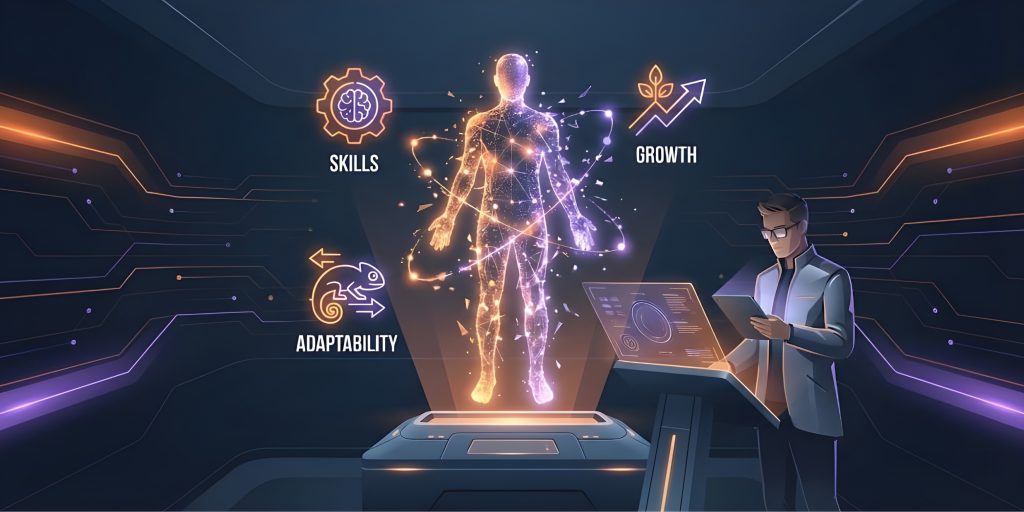
TL;DR
- Hires for "what you can grow into" instead of "what you've done."
- Skills decay in ~5 years; tech skills faster (IBM).
- Only 16% of new hires have skills needed for current + future roles (Gartner).
- 50% of workers need new skills by 2025 (WEF).
- Core traits: learning agility, EQ, cognitive flexibility, problem-solving.
Many hiring managers look only at past roles and degrees, then watch hires struggle as the role evolves. Future-fit hiring solves this by selecting on potential rather than just past credentials. This guide explains what it is, why it works, and how to implement it.
What Future-Fit Hiring Is
Selecting people based on how well they can grow and adjust over time — not just job titles or current skills. Tools can be learned; clear thinking and people skills are what keep someone successful as work evolves.
Focus: how someone thinks, learns, and aligns with where the company is going. Builds teams that handle change without losing footing.
Why Traditional Hiring No Longer Works
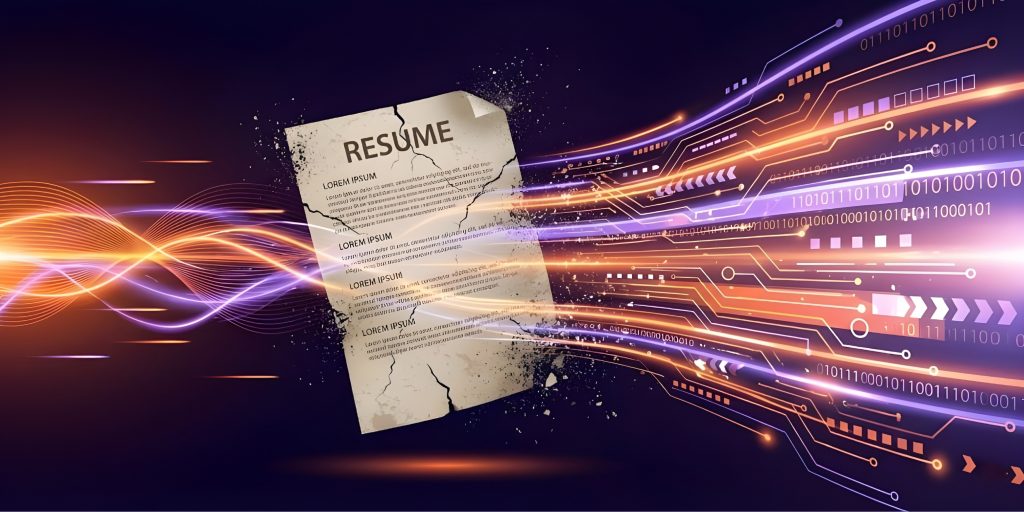
Two structural failures.
Skills decay faster than resumes
Per IBM research, learned skills stay useful for ~5 years; technical skills fade even faster. Hiring on current skills alone means short-lived fit.
Pedigree poorly predicts agile-environment success
Per Gartner data, only 16% of new hires possess all skills needed for both current and future roles. School and big-company titles aren't sufficient indicators.
Future-Fit vs Traditional Hiring
| Feature | Traditional | Future-Fit |
|---|---|---|
| Focus | Past experience | Future potential |
| Evaluation | Resumes + interviews | Assessments + behavioural mapping |
| Requirements | Specific degrees + titles | Adaptability + learning agility |
| Outcome | Short-term task completion | Long-term organisational growth |
| Strategy | Reactive (fill a gap) | Strategic workforce planning |
Traditional = rearview mirror. Future-fit = panoramic road ahead.
Core Traits of Future-Fit Candidates
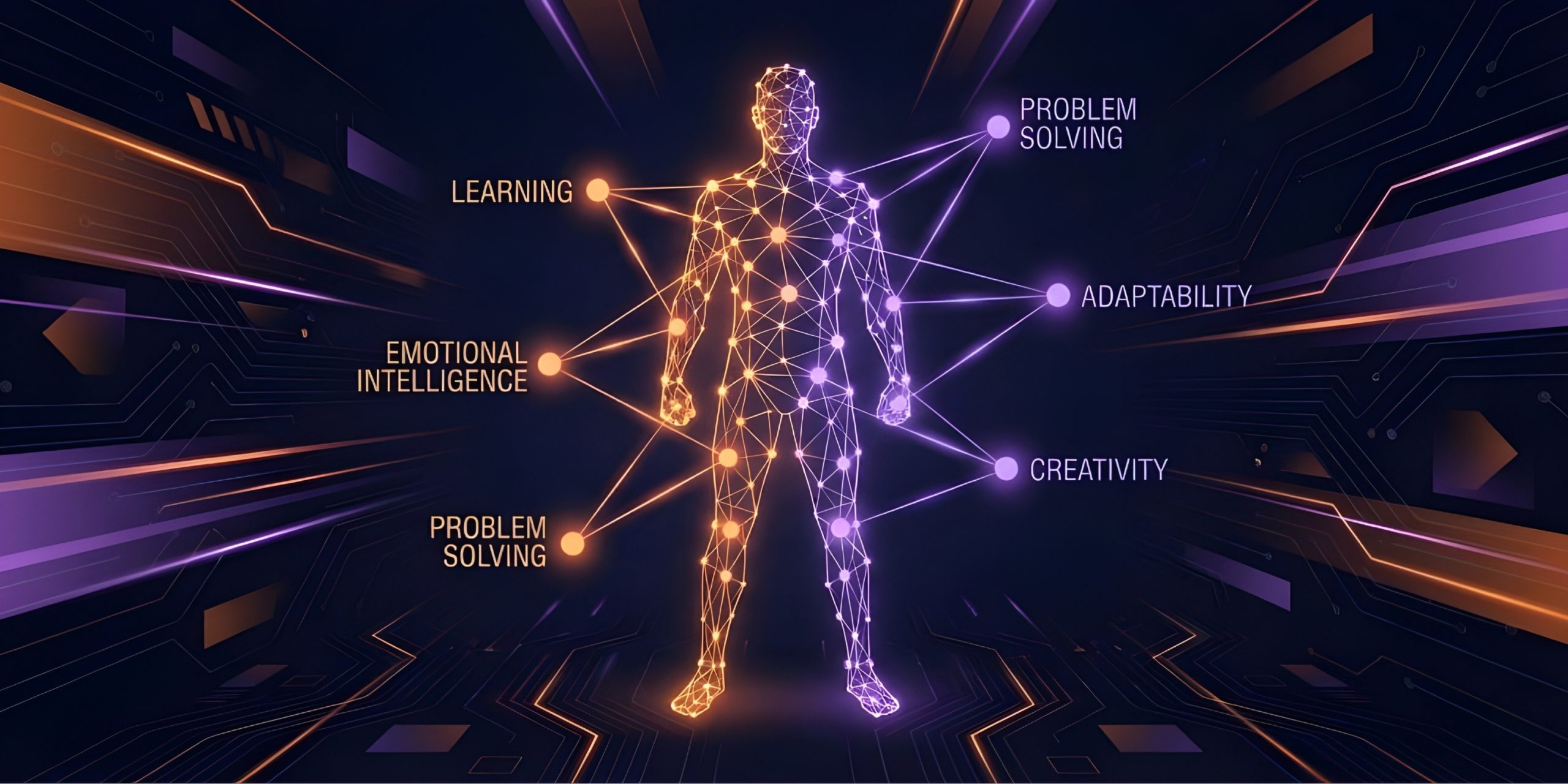
Four traits matter most.
Learning agility
Picks up new ideas fast; lets go of old ones that no longer work.
Emotional intelligence (EQ)
Reads people, manages reactions, navigates collaborative dynamics calmly.
Cognitive flexibility
Switches between thinking styles; handles multiple complex concepts simultaneously.
Problem-solving
Goes beyond instructions to find real solutions to deeper issues.
How to Implement Future-Fit Hiring
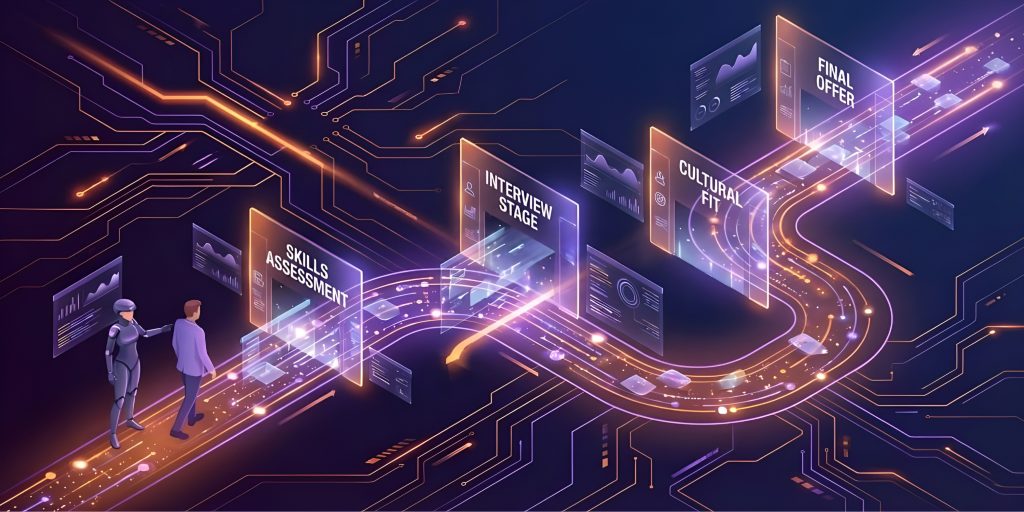
Five steps.
Redefine job descriptions
When writing JDs, focus on outcomes the role needs to achieve and competencies required — not years of experience checklists.
Use objective assessments
Short tests revealing thinking patterns and problem-solving. Real-time hiring analytics compare results to top-performer profiles.
Behavioural interviewing
Questions requiring candidates to demonstrate handling change or learning new skills under pressure.
Potential-based scoring
Scorecards weighing learning agility as heavily as technical expertise.
Audit for bias
Ensure your process doesn't favour candidates from specific backgrounds. Future-fit talent comes from anywhere.
Benefits
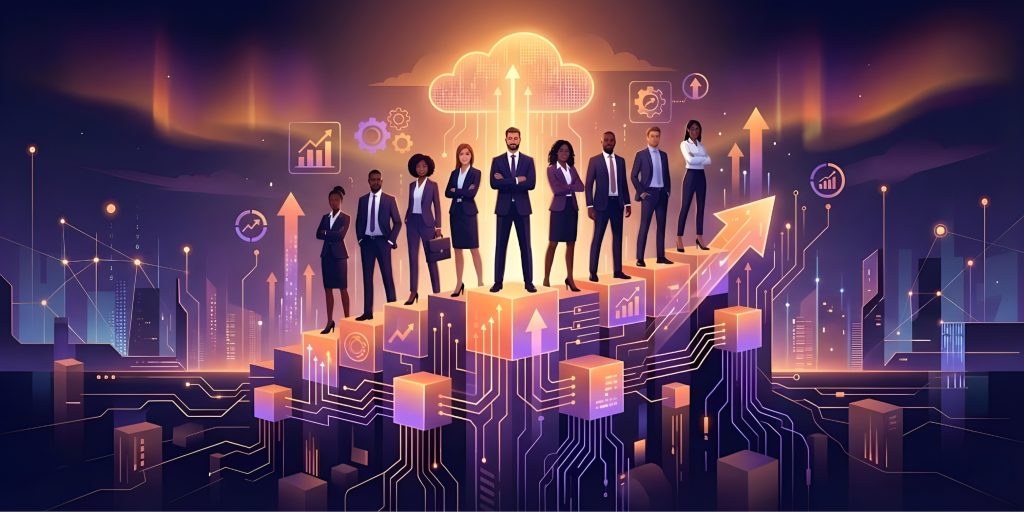
Three measurable benefits.
Reduced mis-hires
Per WEF Future of Jobs 2023, nearly 50% of workers need new skills by 2025. Hiring people primed for reskilling saves massive training costs.
Stronger long-term performance
People who can adapt outlast those locked into current toolkits.
More diverse and inclusive teams
Less reliance on big-name pedigree; more access to self-taught and career-switching talent — bringing fresh perspectives.
Common Mistakes
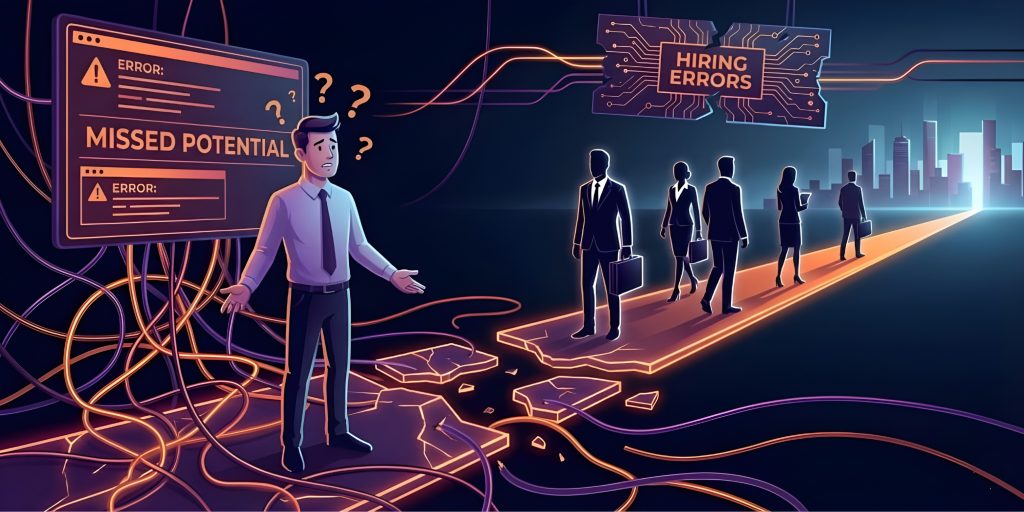
Three traps.
Disconnect from workforce planning
Rushing to fill today's roles without thinking about workforce planning where the company is heading.
Culture fit over culture add
Hiring people who think the same way kills fresh ideas. Add over conform.
Stale onboarding
Future-fit hires need growth-supportive environments from day one. Old onboarding kills the momentum.
How AI Enables Future-Fit Hiring
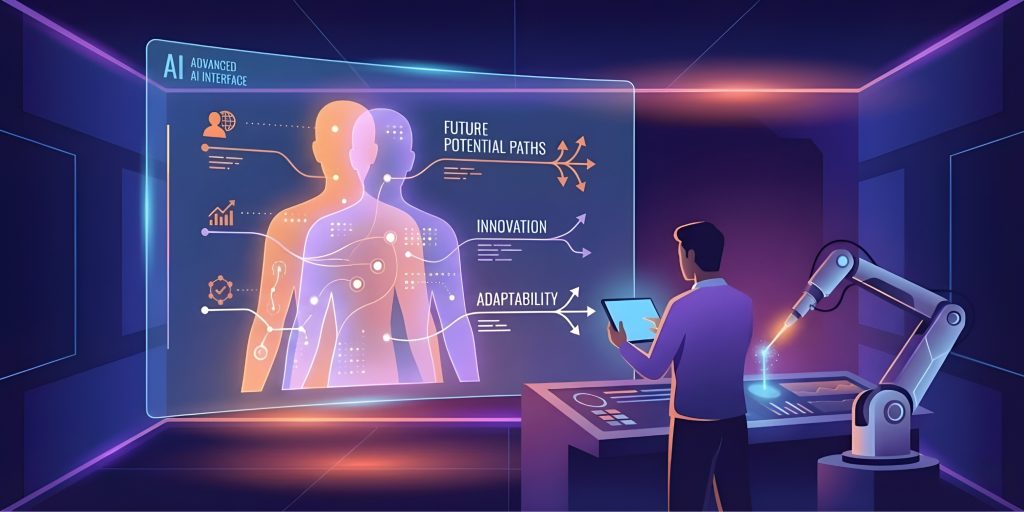
Three contributions.
Adaptability pattern detection
AI analyses work history for signs of agility — surfaces patterns humans miss.
Day-in-the-life simulations
Tests how candidates react to unexpected challenges in real time.
Reduced screening bias
Removes subjective bias from initial screening, ensuring capable candidates reach final rounds — not just the best networkers.
The Bottom Line
Building teams that handle change is no longer optional in today's economy. Future-fit hiring invests time and money in people who can grow with whatever comes next. Audit interview questions for curiosity and resilience signals; modernise screening; broaden source pools. The future belongs to those who can learn — and your hiring process should reflect that.
FAQs
How is future-fit hiring different from skills-based hiring?
Skills-based focuses on current tasks (e.g., Python coding). Future-fit looks at the ability to learn whatever the next Python will be. Foundation over toolkit.
Can AI predict future performance?
No tool guarantees perfection, but AI surfaces patterns in grit, problem-solving, and learning agility that correlate with strong performance.
Which roles benefit most?
Fast-moving industries (tech, renewable energy, digital marketing) and leadership positions across all sectors — where ambiguity and change are constant.
What's the biggest barrier to adoption?
Hiring managers anchored to "years of experience" requirements. Education and structured assessment shift the conversation toward potential.
What's the highest-leverage starting move?
Replace one "5+ years of experience" requirement with a learning-agility scoring rubric on your next hire. The change in candidate quality reveals itself fast.


