

HR Admin Roles in Modern Business Operations: A Practical Guide
HR admins keep companies compliant, organised, and growing — what the role actually does, where automation lifts it, and why accuracy pays back so hard.
Ployo Team
Ployo Editorial
TL;DR
- HR admins are the operational backbone of people management — accurate records, compliant processes, well-run payroll and benefits.
- The role differs from HR assistant work in scope: assistants execute, admins design and oversee the workflows.
- Small administrative errors compound into real financial and legal exposure; accuracy is the quiet superpower of the role.
- Automation has shifted the role from clerical paperwork to systems-design — roughly 56% of typical HR tasks can now be automated.
- A strong HR admin function is what lets leadership focus on strategy rather than firefighting people-ops issues.
The HR admin role is one of the most undervalued seats in a growing company. When it is done well, it is invisible — payroll runs, compliance holds, records stay clean, and leadership gets to focus on strategy. When it is done badly, the costs surface late, expensively, and often through legal or financial channels. This guide walks through what an HR admin actually does, how the role differs from an HR assistant, why accuracy carries such disproportionate weight, and where automation now lifts the strategic value of the role.
What an HR Admin Actually Does

An HR admin is the architect of employee-data infrastructure. While a hiring manager runs an interview, the HR admin ensures the offer letter is legally sound, the background check is current, and the new hire's data flows correctly into payroll. While an executive sets strategy, the HR admin ensures the day-to-day systems behind employment actually deliver on it.
A typical job description for the role focuses on keeping company information accurate, updated, and accessible — employee files, policies, internal communications. Gartner's 2023 HR priorities research found that nearly 60% of HR leaders rank leader and manager effectiveness as their top priority — and that priority is only deliverable when the underlying HR admin function runs cleanly. Managers cannot lead well if HR data is unreliable.
The Operational Tasks That Keep Businesses Running
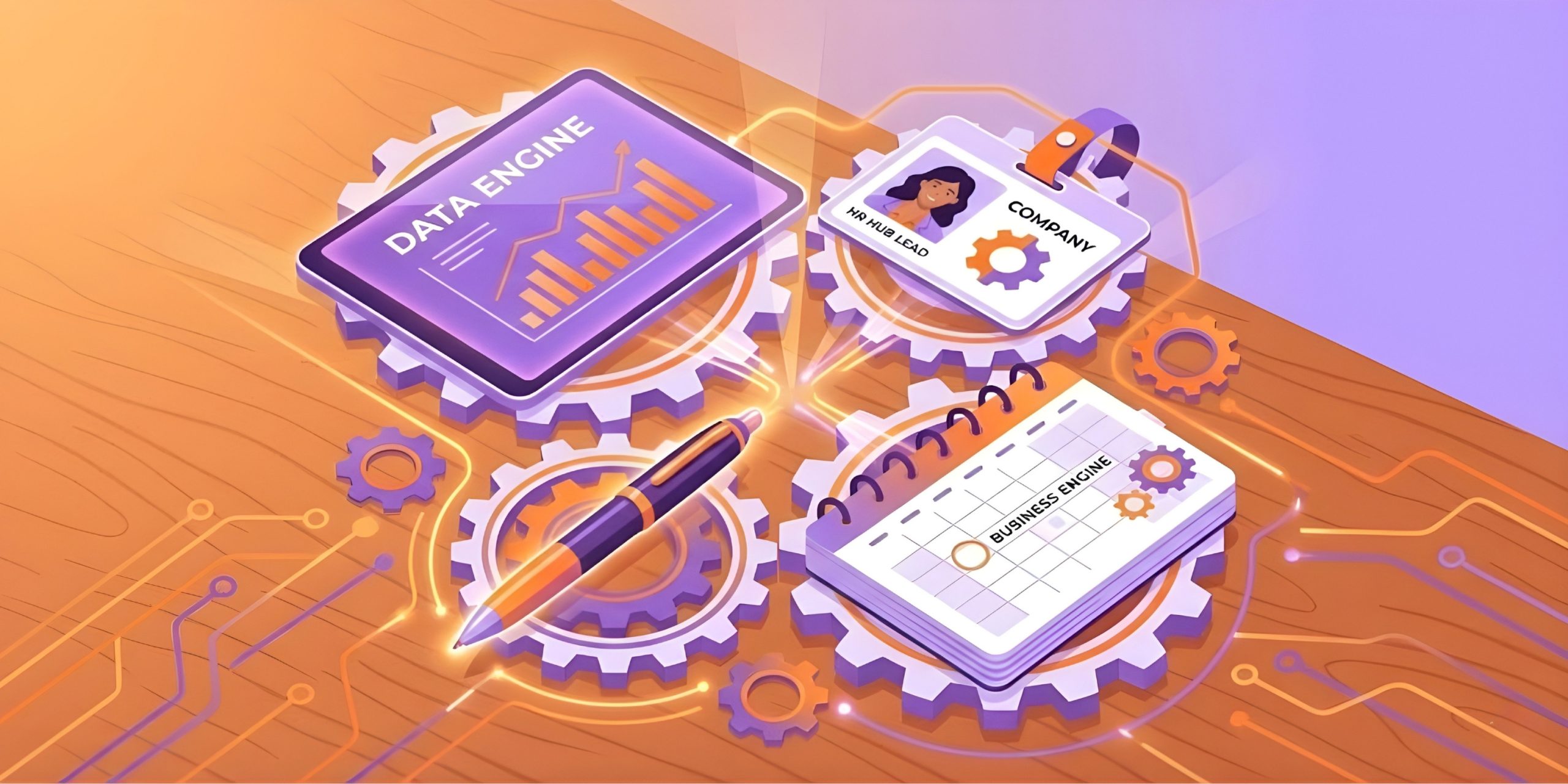
The distinction between HR admin and HR operations often blurs in conversation. In practice, HR admin is the engine room of HR operations — the daily work that keeps the company stable.
Key HR admin duties:
- Document management. Contracts, NDAs, tax forms, policy acknowledgements. Kept current and accessible.
- Compliance tracking. Local labour law, industry regulation, working-time rules, leave entitlement.
- Payroll coordination. Acting as the bridge between attendance, time-off, performance bonuses, and the finance team's payroll runs.
- Benefits administration. Health insurance enrolments, retirement plans, leave processing, and benefits queries.
This is the work that delivers HR's practical value. Strategic initiatives like candidate engagement strategies only work when the underlying admin foundation is reliable — clean candidate data, accurate hiring records, and properly secured systems are prerequisites for any higher-level recruiting strategy.
HR Admin vs HR Assistant: Where the Boundary Sits
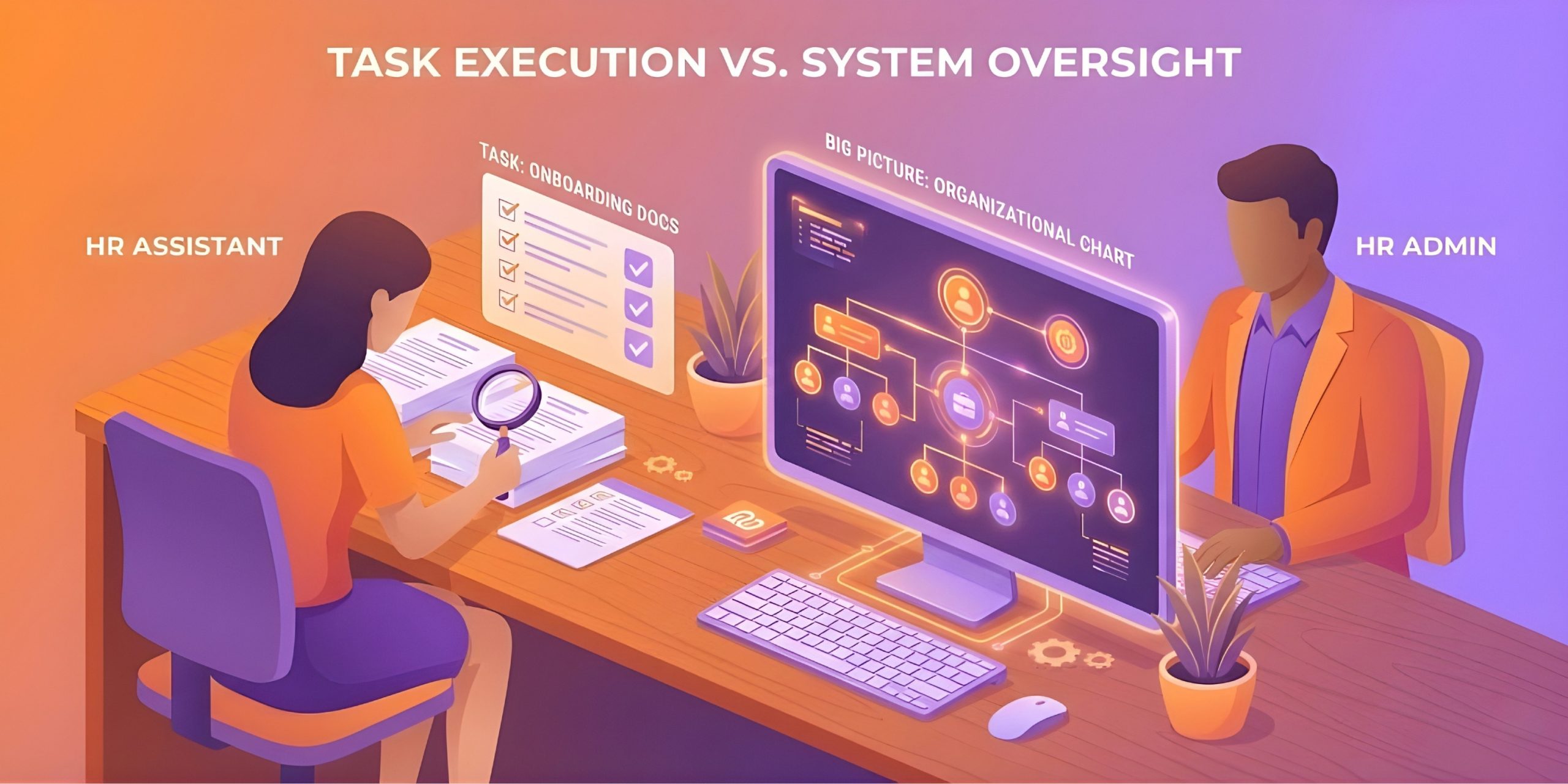
The terms get used interchangeably; the roles are not the same.
| Dimension | HR Assistant | HR Admin |
|---|---|---|
| Focus | Execution of immediate tasks | Workflow design and ownership |
| Decision authority | Limited | Meaningful — chooses systems, vendors, processes |
| Typical seniority | Entry to mid-level | Mid to senior |
| Scope | Scheduling, filing, basic support | Compliance, systems, audit-ready records |
| Cross-functional reach | Within HR | Across HR, finance, legal, leadership |
In a typical organisation, the HR admin chooses the recruitment methods and the HRIS platform; the assistant executes the postings and the scheduling. The distinction matters at hiring time — paying assistant rates for admin-level work, or expecting admin output from someone in an assistant role, both produce predictable problems.
Why HR Admin Accuracy Pays Back So Hard
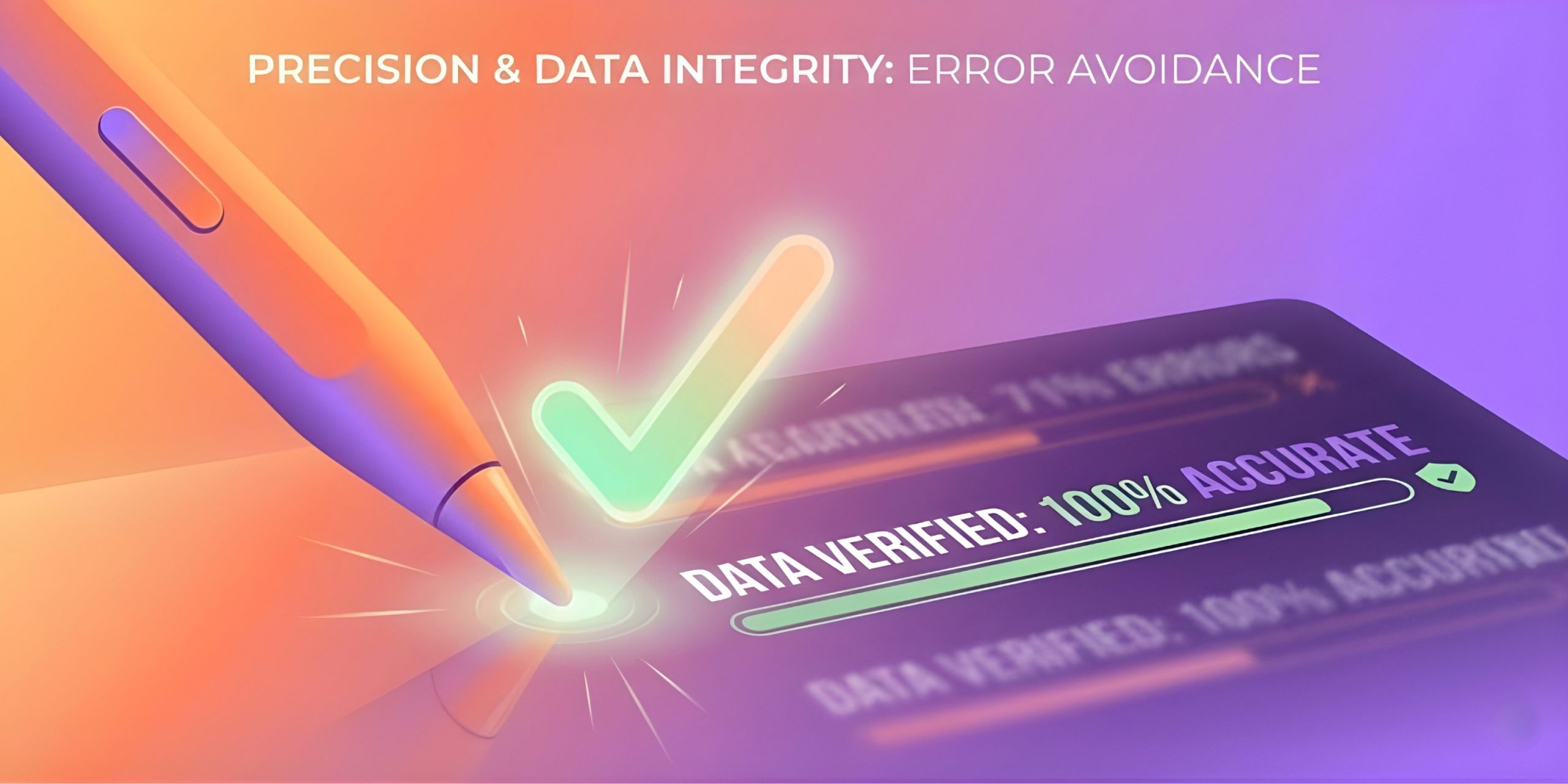
A single misrecorded start date can affect pension vesting, insurance eligibility, and tax classification. A wrong policy version filed in the employee handbook can become evidence in a future dispute. A misclassified contractor can trigger a tax audit. None of these are dramatic events on the day they happen; all of them are expensive months or years later.
The aggregate scale of administrative error is significant. Harvard Business Review's analysis on data quality cited research estimating that bad data and administrative errors cost the US economy roughly $3 trillion per year across all sectors. The HR slice of that is substantial — but it is also the part where careful operational discipline produces the highest visible savings.
For HR specifically, accuracy in records means fewer fines, less unpaid back-pay, fewer disputed terminations, and fewer hours of leadership time spent fixing problems that should not have happened.
How Automation Lifts the Role
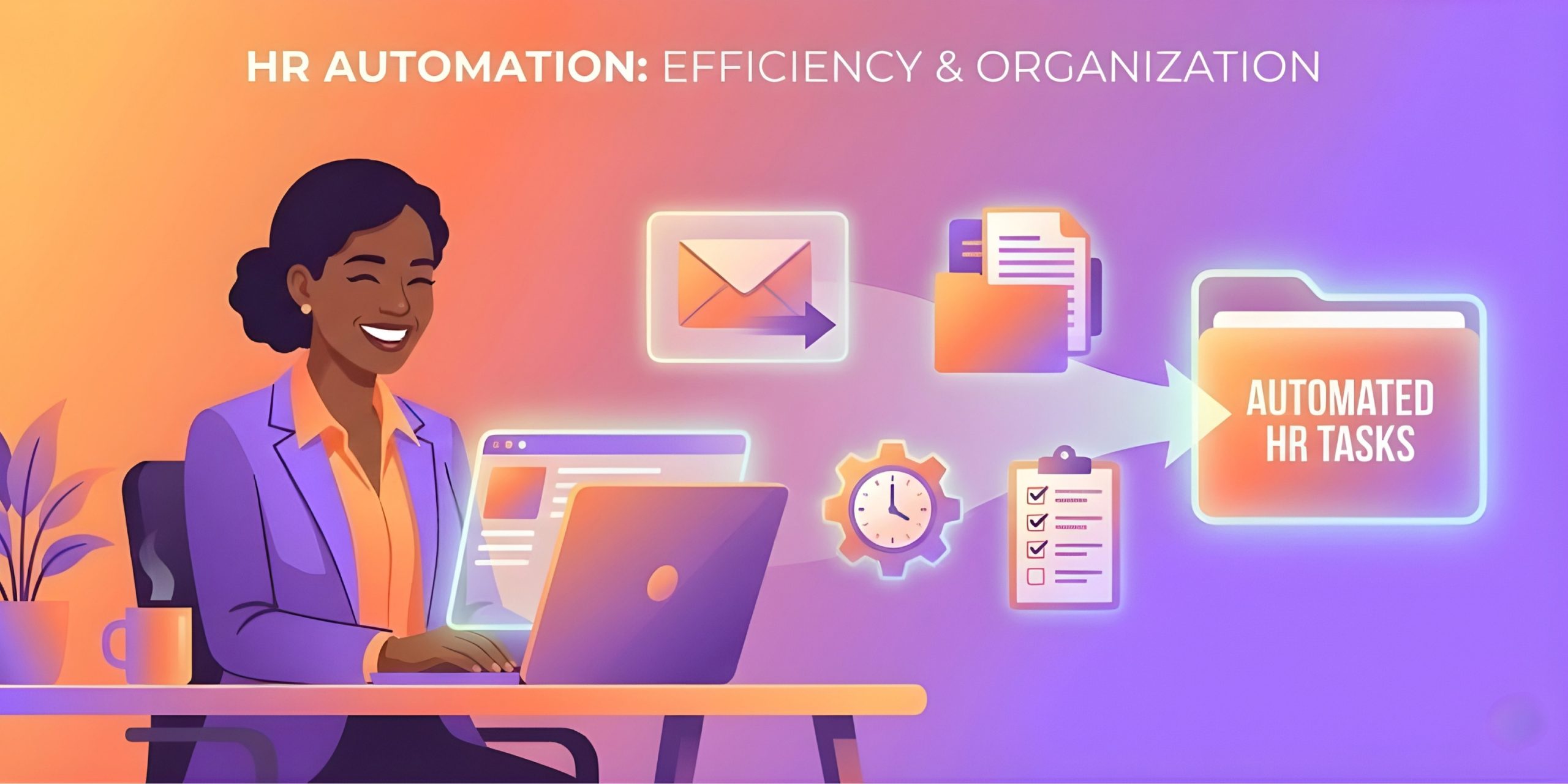
The modern HR admin is not buried in physical folders. Digital transformation has shifted the role from "clerk" to "systems expert" — someone who picks, configures, and maintains the platforms that handle the heavy lifting.
Three concrete ways automation supports HR admin work:
Reducing human error
Automated data syncing between recruitment, onboarding, and payroll removes the manual transcription steps that produce most administrative errors. Same data, same source, multiple downstream systems.
Speeding up onboarding
Electronic signatures, automated welcome sequences, structured pre-start checklists — all of which pair well with practices like sending candidates interview etiquette and dos-and-don'ts guidance as part of a structured pre-day-one experience.
Real-time operational reporting
Live dashboards for turnover, diversity metrics, time-to-fill, and benefits utilisation replace monthly spreadsheet exports. HR admins move from preparing reports to interpreting them.
McKinsey's research on HR automation found that roughly 56% of typical HR tasks can be automated with current technology. The upside for the HR admin: more time on the higher-judgement work — employee relations, complex compliance questions, strategic systems decisions — and less time on data entry.
The Bottom Line
HR admin is one of the highest-leverage operational roles inside any growing company. When it runs well, the rest of the business gets to focus on growth. When it runs badly, leadership spends disproportionate time firefighting problems that should never have surfaced. The job has changed — automation has elevated it from clerical work to systems design — and the strongest companies now hire and pay for it accordingly. Investing in a skilled HR admin and the tooling that supports them is one of the cheapest ways to convert a people strategy into actual operational reality.
FAQs
Is HR admin an entry-level role?
Some positions are. Many require substantial knowledge of labour law, HRIS platforms, and compliance frameworks — those are mid- to senior-level seats and should be hired accordingly.
How does HR admin support compliance?
By keeping records accurate, monitoring rule changes, and ensuring company practice stays inside legal frameworks. Without this layer, even well-intentioned HR strategies leak compliance issues.
What skills matter most for HR admin roles?
Attention to detail, fluency in HRIS platforms, strong written communication, comfort with employment law in the relevant jurisdictions, and the operational discipline to keep systems and records current.
Can HR admin be done part-time or contracted?
For very small companies, yes. For any company with 50+ employees, full-time and in-house is usually the right answer. The role compounds with familiarity, and a contracted setup tends to produce gaps that surface expensively later.
What is the single highest-leverage HR admin investment?
Picking the right HRIS platform and configuring it well. Most of an HR admin's daily work happens through this layer, and the quality of the platform decides how strategic the role can be versus how much time gets consumed by manual workarounds.
Keep reading


