

Realistic Job Previews: How They Cut Turnover
Realistic job previews explained — what to include, types, benefits, common mistakes, and how AI delivers consistent previews at scale.
Ployo Team
Ployo Editorial

TL;DR
- RJPs show candidates the real role before they accept.
- Bad hires cost up to 30% of first-year earnings (US DOL).
- Meta-analysis shows RJPs reduce voluntary turnover (r = -0.07, n=4,924).
- Include daily work, pressure points, success signals, team context.
- Best formats: written, video, task-based, live conversation — often combined.
Hiring looks easy on paper, but many hires leave within months because the job felt different from what was promised. This gap costs time, trust, and money. Realistic job previews close it by showing candidates the full picture early — not just the title or the polished pitch.
What a Realistic Job Preview Is
An honest look at the job before someone accepts it. Daily tasks, work conditions, pressure points, expectations. Answers "What is this job really like?"
What a strong RJP includes
- A day-in-the-life snapshot
- Real challenges the role faces
- Performance expectations
- How success is measured
Helps candidates self-select. Some lean in; some step back. Both save time.
Why RJPs Matter

Hiring mistakes are expensive. Per US DOL data cited in Forbes, a bad hire costs up to 30% of first-year earnings.
Per a meta-analysis on RJPs, realistic previews reduce voluntary turnover (r = -0.07, 15 effect sizes, n=4,924).
Three concrete benefits
- Fewer first-year exits
- Less time spent managing regret
- More stable teams
Combined with strong talent assessment tools that look at skills and behaviour, RJPs become structurally powerful.
What a Good RJP Includes

Five core elements.
Real daily work
What actually fills most of the day. Meetings, calls, focus time, admin work. Where energy goes.
The hard parts
Pressure points: deadlines, difficult conversations, repetitive tasks. Openness builds trust.
Success and failure signals
What does good look like at 3 months? What happens when someone struggles?
Team and environment
Remote vs office. Fast vs steady pace. Structured vs flexible.
Multiple content formats
Written scenario, recorded team conversation, shadow task, expectations checklist. Aligns naturally with strong JD creation and supporting resources.
Types of RJPs
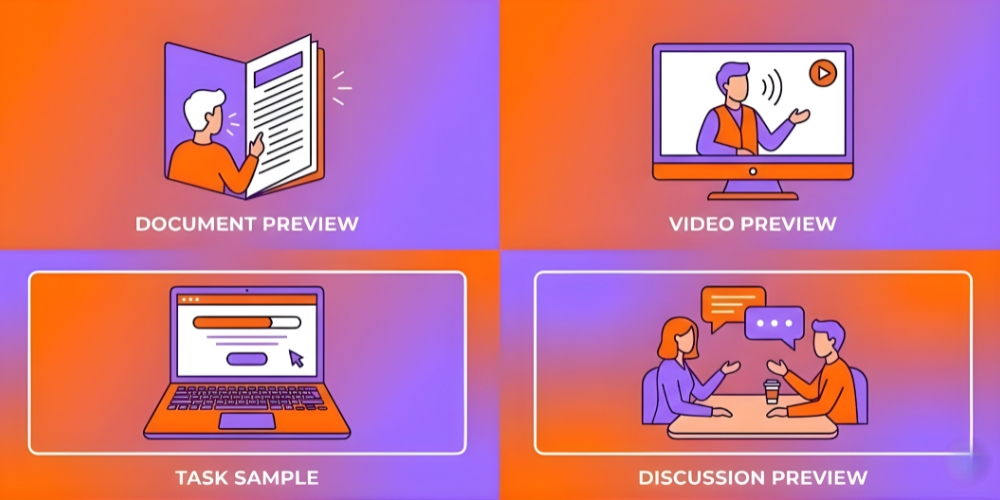
Four formats; often combined.
Written previews
Early-stage utility — clear, easy to revise and send. Daily tasks, schedules, pressure points.
Video previews
Personal feel. Real team members + actual work setting. Helps candidates imagine doing the job.
Task-based previews
Short exercise showing how work feels. Candidate experiences the role before going further.
Live conversations
Open Q&A. Best later when interest is strong and decisions are imminent.
Multi-format approaches keep previews helpful without overloading candidates.
Benefits for Both Sides

For employers
- Fewer early exits
- Better-fit candidates
- Trust starts earlier
- Less time re-opening filled roles
For candidates
- Clear expectations
- More confidence in decision
- Less stress after joining
- Stronger sense of control
People feel more prepared and confident; they settle into the job with fewer surprises.
Common Mistakes
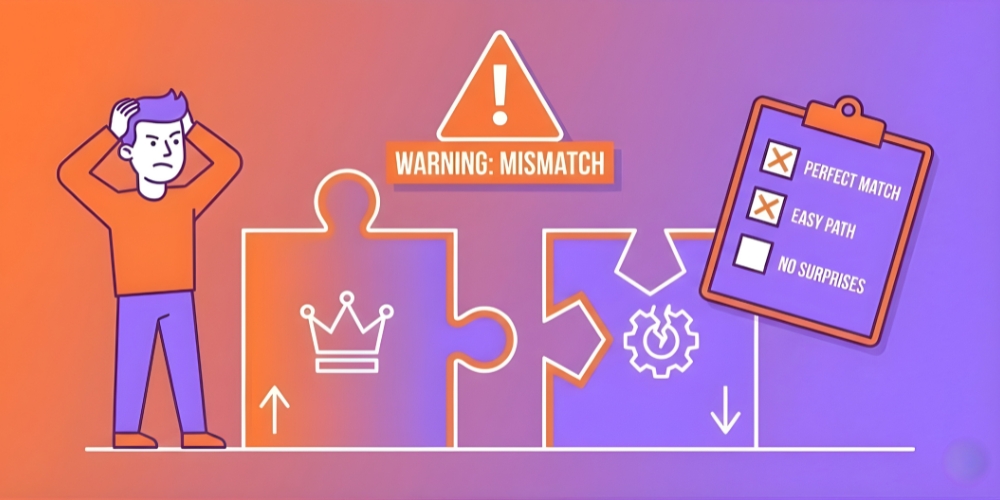
Four traps to avoid.
Skipping the hard parts
"Everything sounds smooth" kills trust the moment real work begins.
Bad timing
Preview shared after a candidate has nearly decided is too late.
One preview for every role
Each job has its own pace, challenges, expectations. Generic previews confuse.
Outdated previews
If the role changes, the preview must change. Otherwise credibility erodes.
Good RJPs stay honest, current, specific.
How AI Enhances RJPs
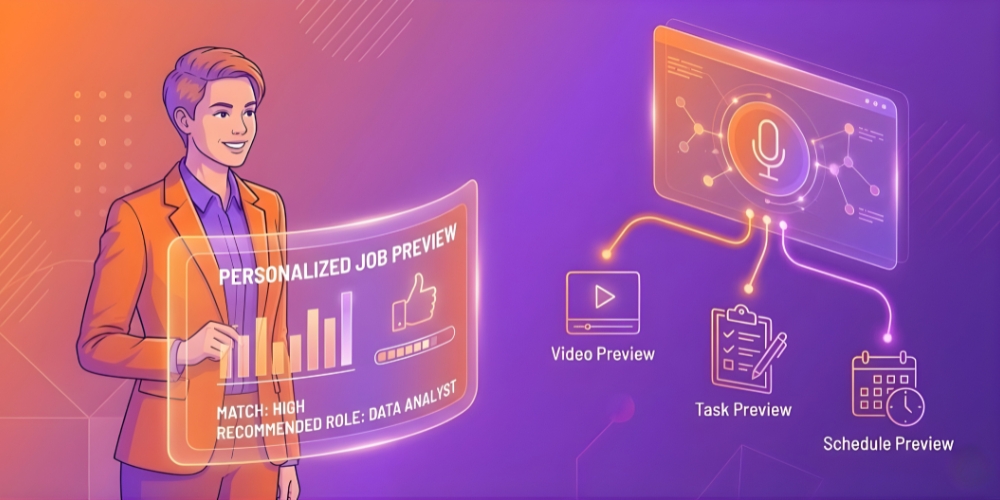
Three contributions.
Personalisation
Tailors previews to role, location, experience level — candidates see what matters most to them.
Consistency at scale
Large hiring teams maintain consistent messaging across thousands of applicants.
Reduced manual effort
AI handles preview generation and distribution; recruiters focus on review and follow-up.
The Bottom Line
A realistic job preview isn't meant to turn people away — it helps the right people lean in. Teams open about their roles spend less time fixing hiring mistakes and build trust faster. Candidates who understand the job make better decisions. Better hires, fewer surprises, stronger retention.
FAQs
Do RJPs really reduce turnover?
Yes. Candidates who know what the job involves before joining are less likely to leave due to mismatched expectations. Meta-analyses consistently show this effect.
When should I share an RJP with candidates?
Early — before interviews or right after first screening. Late sharing has minimal impact.
How does AI help deliver RJPs at scale?
Personalises and distributes previews consistently across large candidate pools while keeping messaging aligned.
What's the most overlooked element?
The hard parts. Most companies skip them, then wonder why early-stage attrition is high.
What's the highest-leverage starting move?
Build one written preview for your most-hired role covering the five core elements. Share it during the screening invite. Track first-year retention impact across the next cohort.


