

Brand Evangelists: Why They Matter for Marketing and Hiring
Brand evangelists drive trust, hiring, and growth — how they differ from ambassadors, why they matter, and how to grow them naturally.
Ployo Team
Ployo Editorial

TL;DR
- Brand evangelists champion companies without payment or incentive.
- 88% of consumers trust personal recommendations more than ads (Nielsen).
- Differ from ambassadors: no formal relationship, genuine enthusiasm.
- Strong employer brands are built largely by employee evangelism.
- Built through real experiences, not campaigns.
Businesses want customers who buy once — but real growth comes from people who talk about your brand without being paid to. This guide explains who brand evangelists are, why they matter for both marketing and hiring, and how to grow them naturally.
What a Brand Evangelist Is
Someone who champions a product or company with genuine passion — caring enough to spread the word to people they know and trust. Highly enthusiastic word-of-mouth promotion without financial incentive.
The word "evangelist" originally means "bringing good news" — fitting because brand evangelists share positive experiences that feel personal and trusted rather than transactional.
Brand Evangelist vs Brand Ambassador

Crucial distinction.
| Dimension | Evangelist | Ambassador |
|---|---|---|
| Motivation | Genuine belief | Often paid or perk-driven |
| Relationship | No formal deal | Structured program or contract |
| Tone | Real story with real details | Often scripted or campaign-led |
| Trust factor | Very high (unpaid, authentic) | Moderate (people sense the deal) |
| Best for | Long-term loyalty, community growth | Specific campaigns + paid visibility |
Quick test: sounds like a friend helping you = evangelist. Sounds like a script = ambassador.
What Brand Evangelists Do
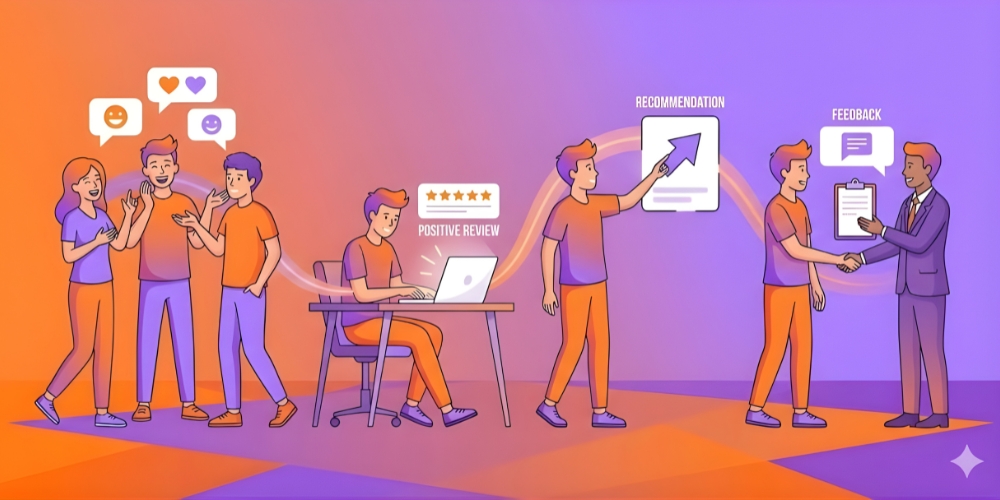
Four valuable contributions.
Word-of-mouth promotion
Per Nielsen's Trust in Advertising research, 88% of consumers trust personal recommendations more than any other advertising form. Organic advocacy is structurally powerful.
Credibility boost
Personal positive talk lands harder than paid ads. Listeners take it more seriously.
Customer recruitment
Loyal evangelists introduce brands to new audiences naturally, turning interest into action.
Honest feedback
Passion = honest reviews. Evangelists want brands to improve; they offer insights from loyalty.
Why Brand Evangelists Matter
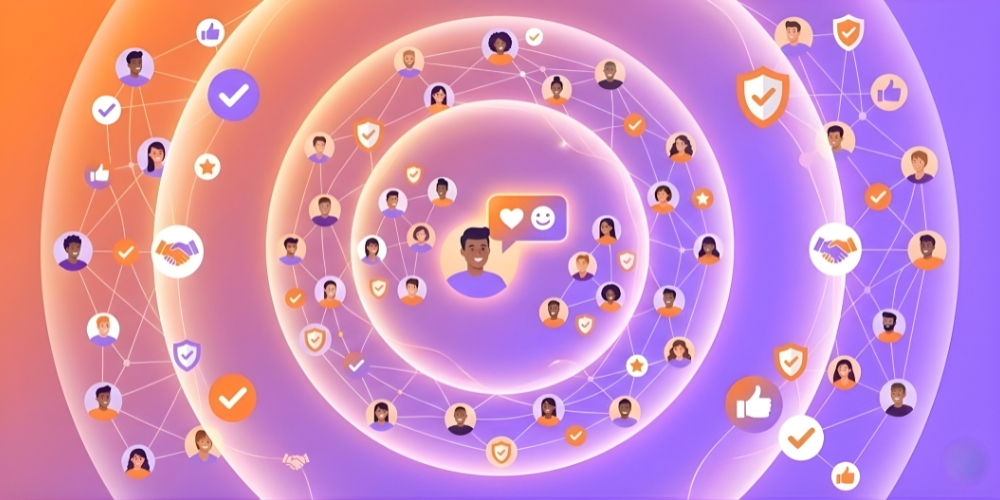
Two core reasons.
People listen to people
Ads create awareness; conversations create trust. Real positive talk carries more weight than any paid message.
Consistency outlasts campaigns
Campaigns end. Genuine advocacy continues as long as the experience stays positive — recurring stories, reviews, recommendations without prompting.
Brand Evangelists in Employer Branding
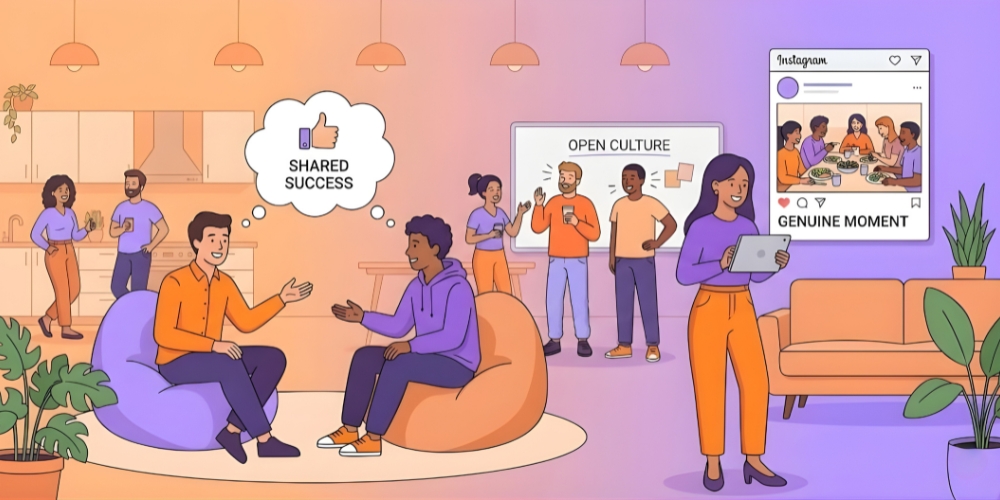
Employer branding isn't shaped only by career pages — it's shaped by what employees say publicly.
When employees speak positively about culture and leadership, the credibility outpaces any recruitment campaign. Strong employer brands grow from employees who feel proud enough to speak up.
Companies that empower leaders and team members to share authentic experiences (rather than scripted ones) attract better candidates, shorten hiring cycles, and build trust before the first interview.
How to Build Evangelists
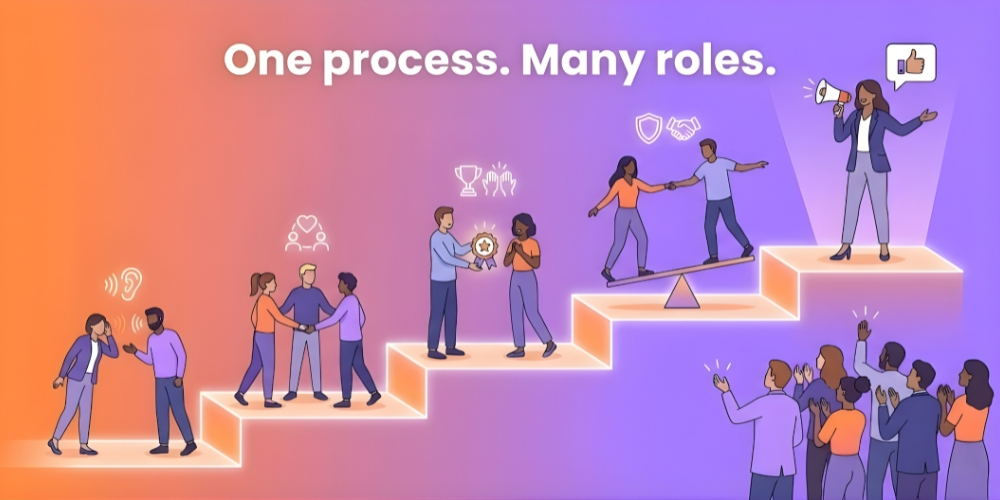
Five practices that create conditions for evangelism.
Deliver a strong experience
Starts with product, service, or workplace itself. Unmet expectations kill advocacy.
Listen and respond
Engage with feedback, questions, criticism. Heard = valued = advocate.
Build community
Forums, events, private groups where customers and employees share experiences and connect with each other.
Recognise advocates
Public thanks, early access to new features, occasional recognition. Keeps it real without becoming transactional.
Empower employees
Real stories, not scripted messaging. Trust them to represent the brand authentically.
Common Mistakes
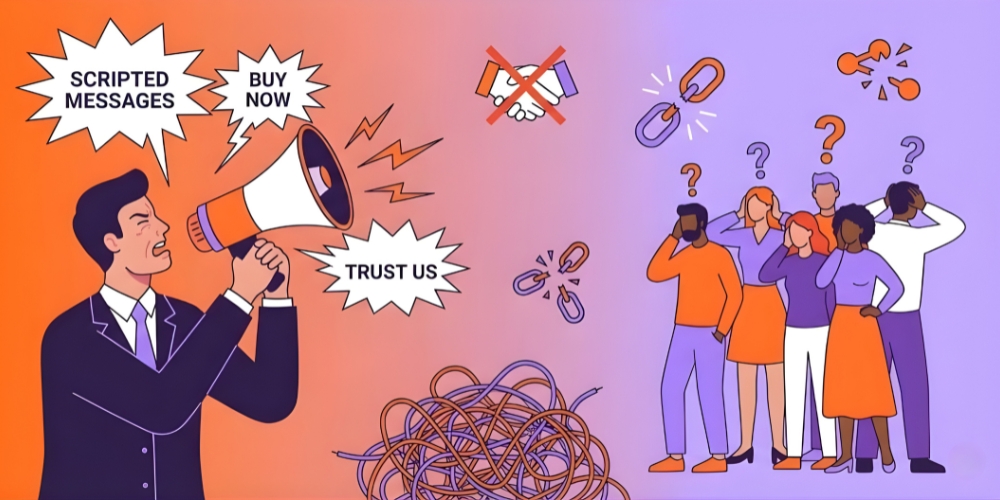
Four traps companies fall into.
Over-scripting the message
Authenticity is the entire point. Scripts kill it.
Treating evangelists like influencers
Paying for visibility doesn't create belief. Trust fades when paid endorsement is detected.
Ignoring internal experience
External marketing without internal culture = no employee evangelists. The workplace must match the message.
Letting advocates drift
Evangelism grows through ongoing relationship, not one-time attention. Stay connected.
The Bottom Line
Brand evangelists aren't built by campaigns — they're built through trust, consistency, and real experiences. Whether customers or employees, their voices shape how brands grow and how they're remembered. Stronger loyalty, better hiring outcomes, long-term growth — investing in real advocacy is one of the highest-ROI moves modern companies can make.
FAQs
Are brand evangelists the same as influencers?
No. Influencers usually have paid relationships. Evangelists advocate from genuine belief, not compensation.
Can employees be brand evangelists?
Yes — often the strongest ones. They experience the brand from inside; when trusted and supported, they naturally share authentic stories.
How does employer branding benefit from evangelists?
Evangelists humanise the employer brand. Their stories build trust, attract better candidates, and help job seekers understand the workplace reality.
Can I pay someone to become an evangelist?
No. Payment converts them into ambassadors or influencers. Evangelism is structurally unpaid.
What's the highest-leverage starting move?
Survey your existing customers and employees to identify your top 10 spontaneous advocates. Reach out, thank them, build the relationship. They're often already there — you just haven't engaged them yet.
Keep reading


Reverse Recruiters: What They Do and When They Actually Help
