

What a Blue Chip Recruit Is (And Why Top Companies Fight for Them)
A blue chip recruit is the top 1% of talent in a field — what defines them, how to identify them, and the risk of mislabelling someone who isn''t.
Ployo Team
Ployo Editorial
TL;DR
- A blue chip recruit is a top-tier candidate with proven excellence and consistent results — the "gold standard" in their field.
- The term comes from high-value poker chips and high-value stocks: high value, low risk.
- Best-in-class employees in complex roles can be up to 800% more productive than average — which is why companies fight for them.
- Blue chip recruits differ from high performers through learning agility and the ability to thrive in different environments.
- Mislabelling someone as blue chip is expensive — a senior hire who fails can cost up to 15x their base salary.
The candidates every company secretly wants are not the ones applying. They are already employed, already valued, and already producing exceptional results. These are "blue chip recruits" — the top 1% of talent in their field — and the companies that consistently win them are the ones that compete on more than salary. This guide walks through what a blue chip recruit actually is, the history of the term, why companies invest so heavily in attracting them, how they differ from high performers, and the risks of mislabelling someone who looks blue chip but isn't.
What a Blue Chip Recruit Actually Is

A blue chip recruit is a candidate who represents the gold standard in their field. The metaphor borrows from collegiate sports: just as blue chip athletes get scouted by top universities before they even finish high school, blue chip professionals are recognised early for the combination of exceptional skill, leadership presence, and a consistent track record of results.
What separates them from "very good":
- They combine deep technical or domain skill with natural leadership and people skills
- Their results are quantifiable and consistent across different environments
- They tend to be already employed and already valued — not actively job-hunting
- They influence the people around them, not just their own output
In a software team, this is the engineer who ships clean code at twice the pace. In sales, it is the executive who consistently doubles their quota. In operations, it is the project lead who rescues failing initiatives. Same pattern across industries.
Why the Term "Blue Chip" Stuck

The term has a useful history. In poker, blue chips historically held the highest denomination. In the 1920s, Oliver Gingold of the Wall Street Journal began using "blue chip" to describe high-priced stocks that delivered both resilient performance and reliable returns.
The dual meaning carries cleanly into recruitment: high value plus low risk. When a company hires a blue chip recruit, they are making a calculated bet on someone whose history suggests they will continue to perform — not just in calm conditions, but specifically when conditions get hard. Reliability under pressure is part of the brand.
Why Companies Compete So Hard for Blue Chip Recruits

The economics are stark. McKinsey's research on top talent found that best-in-class employees in highly complex roles can be up to 800% more productive than average workers. That output gap is what justifies bidding wars among Fortune 500 firms and well-funded startups.
Beyond raw productivity, blue chip recruits contribute three less-visible benefits.
Cultural elevation
They raise the ceiling of what excellence looks like. The people around them perform better because the bar is suddenly higher.
Innovation
They bring specialised knowledge that solves problems average teams cannot. The new product, the unblocked initiative, the breakthrough often traces back to one or two blue chip contributors.
Future leadership
A meaningful share of blue chip hires become the next generation of executives. Hiring one well is essentially a built-in succession plan.
How Blue Chip Recruits Differ From "High Performers"

The terms get used interchangeably, and they shouldn't. A high performer is someone who consistently hits their KPIs and delivers strong work — the dependable backbone of the company.
A blue chip recruit is something more specific. They thrive in different environments. They adapt quickly when the situation changes. They demonstrate learning agility — the ability to master new skills and contexts at a rate well beyond their peers.
The shorthand:
- High performer = consistent results in a known environment
- Blue chip = consistent results across changing environments, plus the ability to elevate the team around them
High performers maintain the standard. Blue chip recruits raise it.
How Companies Identify Blue Chip Recruits

Identifying these candidates requires looking beyond traditional recruitment methods. The best talent rarely applies through job boards — they have to be found.
Four approaches that consistently work.
Behavioural assessment
Focus on patterns of persistence and the way someone works through hard problems, not just on tenure or titles.
Peer recognition
Blue chip talent is usually well-known within professional circles. Referrals from other elite performers are the single most reliable source — peer recognition is hard to fake at this level.
Evidence of quantifiable impact
"Increased revenue by 40% in 12 months" beats "responsible for revenue growth" every time. Look for measurable achievements with named scope.
Creative sourcing
Invitation-only networking events, open-source community contributions, specialist niche forums. Our creative sourcing strategies for niche roles covers the broader methodology.
The Risks of Mislabelling Candidates as Blue Chip
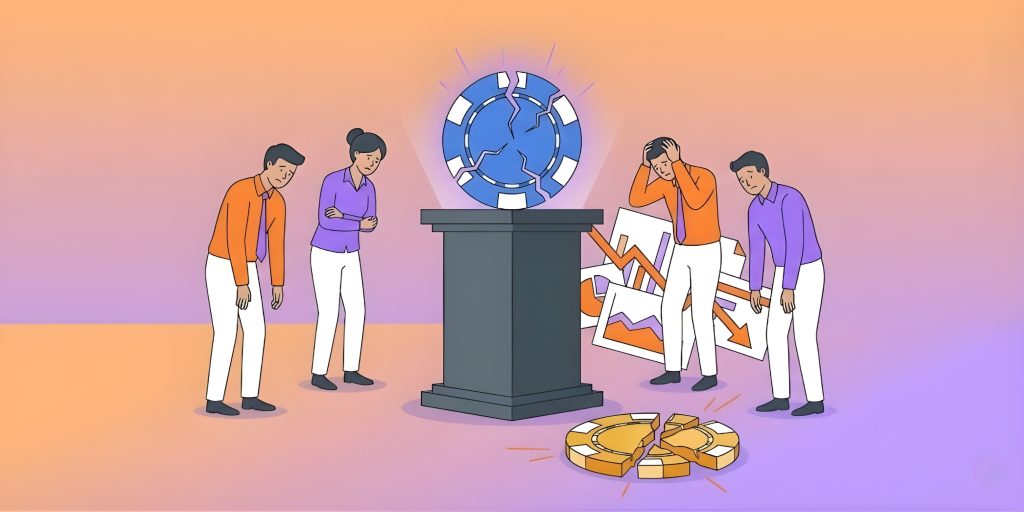
The blue chip label carries heavy expectations. Mislabelling is expensive in three specific ways.
Financial cost
A senior or executive bad hire can cost up to 15x their base salary once recruiting fees, onboarding, lost business impact, and replacement costs are factored in. The downside is real.
Cultural resentment
A "star hire" brought in at a premium who underdelivers — or whose attitude does not match the cultural standard — demotivates the high performers already on the team. The damage outlasts the bad hire's tenure.
Burnout
Placing an entire team's pressure on one person because they were labelled "blue chip" leads to exhaustion and rapid exit. The asymmetry between expectations and reality breaks even strong candidates.
How to Win Blue Chip Talent
The companies that consistently attract blue chip recruits compete on more than salary. The pattern that works:
- Autonomy. Real authority over the work, not micromanaged execution.
- Hard problems. Blue chip recruits are bored by easy work; they accept offers for interesting problems.
- A culture of excellence. The team itself has to be worth joining.
- Clear leadership trajectory. The future has to be visible, not implied.
- Mission alignment. The "why" of the work matters more at this level than at almost any other.
Compensation matters, but it is rarely the deciding factor. Blue chip recruits are valuable; they know it; the offer needs to recognise that. But the dimensions above are usually what decide the outcome.
The Bottom Line
A blue chip recruit is a real category — measurable, identifiable, and worth competing for. The talent shortage is structural. Korn Ferry's research projects a global gap of up to 85 million people by 2030, and that gap concentrates at the top of the talent distribution. Companies that learn to identify and attract blue chip recruits — through behaviour assessment, peer referrals, quantified evidence of impact, and creative sourcing — build measurably stronger teams than companies that hire from job boards alone. The cost of getting it wrong is real; the upside of getting it right compounds for years.
FAQs
What actually makes someone a blue chip recruit?
The combination of proven high-impact track record, exceptional technical or domain skill, and leadership presence that elevates the people around them. Any one of those without the others does not meet the bar.
Are blue chip recruits always senior?
Not necessarily. Many are experienced professionals, but the term also applies to early-career standouts — exceptional graduates and rising stars whose trajectory is unmistakable. The signal is potential plus early evidence, not just years on the job.
How do companies actually compete for blue chip talent?
Beyond compensation: autonomy, hard problems to work on, clear paths to leadership, and a culture that signals "this is where the bar is high." Compensation matters; it is rarely the deciding factor at this level.
Can the blue chip label be applied incorrectly?
Often, and expensively. A senior mishire can cost up to 15 times base salary. The label should be reserved for candidates whose record genuinely supports it, not for promising-sounding hires.
What is the single most reliable signal of blue chip status?
Quantified, repeatable impact across different environments. A pattern of meaningful outcomes — even in roles or teams that did not initially seem set up for it — is the strongest single indicator.


