

How to Source Passive Candidates Without Sounding Pushy
Source passive candidates with personalised outreach, warm channels, and relationship-first recruiting — the practices that actually convert.
Ployo Team
Ployo Editorial

TL;DR
- ~70% of the global workforce sits in the passive candidate category (AIHR).
- 73% of candidates are passive job seekers (HRCloud).
- Relationship-led outreach beats cold blast-messaging on every metric.
- Personalisation beats perks — passive candidates value relevance + respect.
- Measure depth (engagement, interview conversion) not volume (messages sent).
The best candidates aren't applying to your job posts — they're already working somewhere else. Reaching them without sounding like spam takes patience, personalisation, and a fundamentally different playbook. This guide walks through who passive candidates are, what makes outreach work, and how to measure progress when results take months.
Who Passive Candidates Are

People not actively applying but open to the right opportunity. Stable, often high-performing, selective about change. Open but not looking.
Why they matter
Per AIHR research, ~70% of the global workforce fits this category. Per HR Cloud, 73% of candidates are passive job seekers at any given time.
Limit yourself to active applicants and you miss the majority of the talent pool — including most senior, specialised, and high-performance candidates.
Why Recruiters Sound Pushy
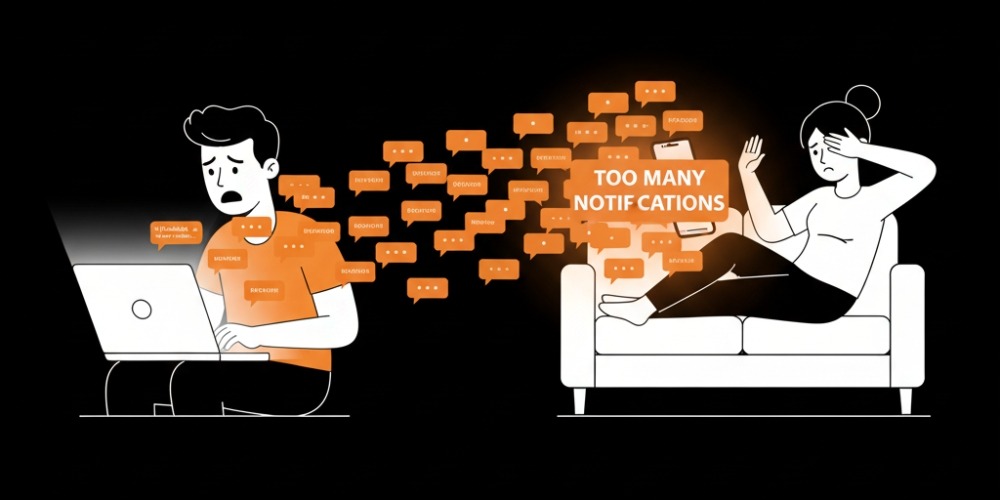
Five common patterns that backfire.
Desperation in the message
Urgent roles produce spray-and-pray outreach that reads like spam.
Too much, too fast
Salary + spec + offer before trust exists. Like proposing on the first date.
Poor research
Generic messages that reveal you didn't read the candidate's profile.
Single-channel push
Email or LinkedIn only — ignoring where the candidate actually engages (forums, newsletters, communities).
Pressure tactics
"Limited slots", "deadline tomorrow". Causes recoil even from interested candidates.
Result: ignore, ghost, or spam report. Brand damage follows.
The Right Way to Approach

Six principles that convert.
Start with humility
"I was impressed by your work on X. Would you be open to a conversation about what you want next?" beats "I have a job for you."
Personalise deeply
Past project, shared interest, mutual connection. Show you actually researched them.
Lead with value
Industry insight, useful report, peer connection — give before asking.
Ask, don't push
"What part of your work do you want more of?" beats "Do you want this job?"
Respect timing
If they say "not now", note it and circle back months later. Gentle follow-up beats daily spam.
Mix channels softly
Emails, DMs, content engagement, comments — presence becomes natural rather than invasive.
Treat passive candidates as people, not commodities. The shift from recruiting passive candidates to building real respect changes outcomes meaningfully.
Building Relationships, Not Transactions
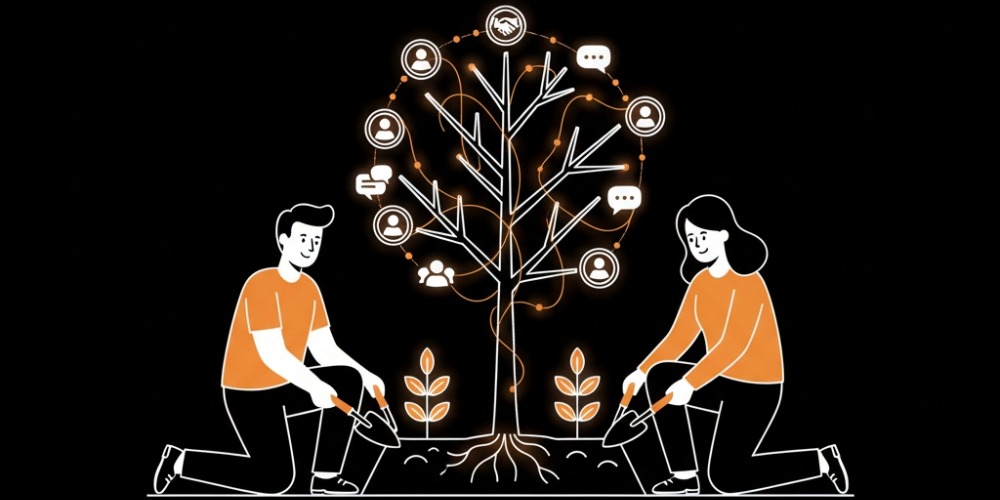
Relationship-led recruiting takes time but builds trust, referrals, and brand equity.
Lead with insight
Useful content, thoughtful comments, webinar invites, industry updates. Turns candidate attraction into ongoing conversation.
Keep the tone collaborative
"What kind of projects excite you most?" or "What would make you consider something new?" — small talk with purpose.
Move slow, stay consistent
Real interest grows over months. Patience compounds; pressure breaks it.
Channels That Work

Four high-yield places.
Professional communities
Industry Slack groups, subreddits, niche Discord servers. Listen, contribute, don't sell.
Podcasts and newsletters
Sponsoring or guesting on niche industry shows puts your company in front of trusting audiences.
Events and webinars
Hybrid or online meetups build credibility and warm future outreach.
Employee advocacy
Team social content travels further than corporate pages. Peer voices land harder.
Tools and Data Without Coldness

Tech should enhance empathy, not replace it.
AI for signals
Tools like SeekOut and HireEZ scan GitHub commits, articles, conference rosters to surface candidates beyond job boards.
Manual outreach
Use AI to research patterns; write the message yourself. Reference something specific; keep tone calm.
CRM for re-engagement
Modern CRMs flag dropping engagement so you can re-engage gracefully rather than spam.
The principle: AI as your scout, not your spokesperson.
Measuring Success
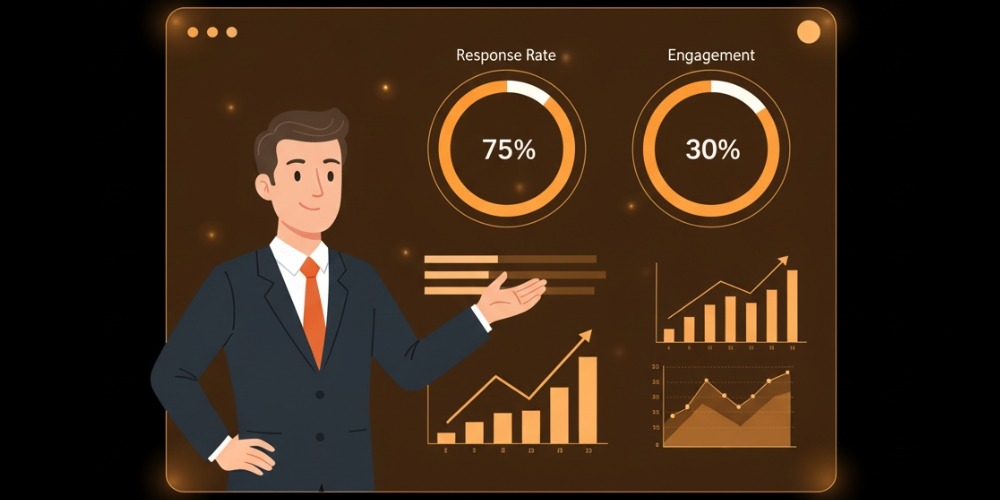
Four meaningful metrics. Skip vanity counts.
Response rate
Are people replying or ignoring?
Engagement depth
How many passive conversations convert to interviews within 3–6 months?
Source quality
Which channels produce the best hires — not the most leads?
Time to interest
How long from first touch to genuine engagement?
Over time, patterns surface: personalised emails beat InMails, webinars beat ads. Iterate accordingly.
The Bottom Line
Building a passive candidate network is a long game. You don't chase; you nurture. You don't pitch; you connect. Clear messaging, consistent presence, smart tool use, and patience compound into a talent pipeline competitors can't see. Earn trust from the right few — the rest follows.
FAQs
What's talent mapping?
A strategic process where recruiters track future workforce needs, skill gaps, and prospective candidates before roles open. Maintains a living database of qualified people ahead of demand.
What's the ROI of talent mapping?
Lower time-to-hire and reduced sourcing costs. Tracking prospects early means shorter search cycles when roles do open.
Do passive candidates respond better to perks or personalisation?
Personalisation, almost every time. Passive professionals value relevance and respect over comp signalling.
How long does passive sourcing take to show results?
Typically 3–6 months for senior roles. The trade-off: stronger fit, longer retention, more referrals down the line.
What's the highest-leverage starting move?
Pick 20–30 priority candidates and engage them genuinely over 60 days — useful comments, shared content, low-pressure conversations. Quality engagement beats blast outreach to 500 anonymous targets.
Keep reading


