

Nafis Program: Building a Sustainable Emirati Workforce
The Nafis Program supports UAE businesses hiring and retaining Emirati talent — incentives, eligibility, common challenges, and how to get started.
Ployo Team
Ployo Editorial

TL;DR
- Nafis has placed 81,000+ Emiratis in private companies under UAE Vision 2031.
- Salary top-ups up to AED 7,000/month per qualifying hire.
- Pension contributions covered up to 100% for SMEs (5 years).
- Non-compliance fines start at AED 96,000 per role shortfall.
- Best practice: clear career paths, mentorship, inclusive culture, engagement tracking.
The UAE's Emiratisation requirements are no longer optional, and the Nafis Program turns compliance into competitive advantage. With substantial salary support, pension subsidies, and training incentives, employers gain real backing for hiring and retaining Emiratis. This guide walks through how it works, why it matters, and how to start.
What the Nafis Program Is
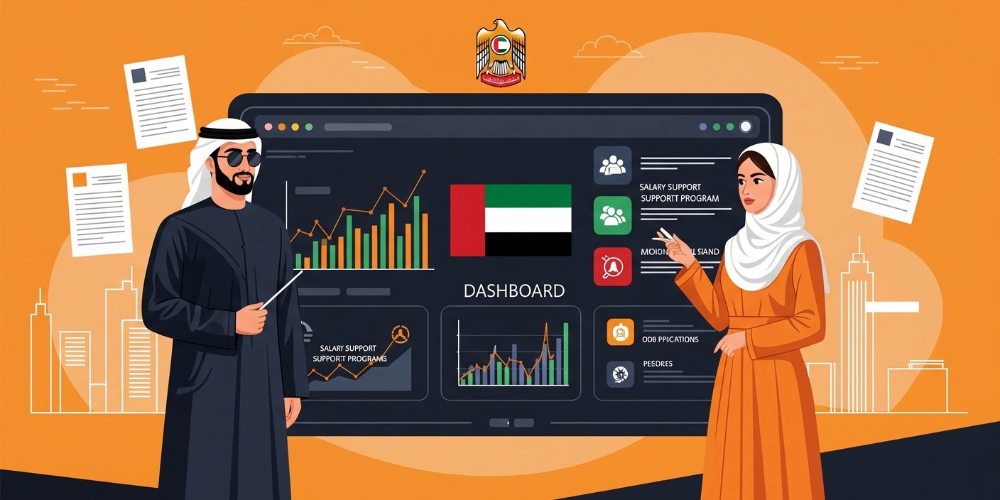
A flagship UAE Vision 2031 initiative — driven by the Emirati Talent Competitiveness Council — designed to boost Emirati participation in the private sector. Benefits span employers and citizens.
Core support elements:
- Salary top-ups up to AED 7,000/month for select roles
- Pension contributions covered (up to 100% for SMEs, 5 years)
- Training and apprenticeship subsidies
- Child allowance benefits up to AED 800/month per child
- Unemployment insurance
- Job-matching services for Emirati candidates
The UAE government has committed AED 24B to facilitate 75,000 Emirati private-sector placements by 2026. Per Sovereign Group's data, 114,000+ citizens have joined private firms, with 81,000+ placements via Nafis and 36% year-on-year growth in 2023. Connects with government job programs at the broader national-workforce level.
Why Sustainable Emirati Workforce Matters

Four reasons it's strategic rather than just compliance.
Legal requirements
Companies with 20+ employees face a 2% annual growth mandate for Emirati representation.
Material penalties
Non-compliance fines start at AED 96,000 per role shortfall and rise annually.
Incentive-tied advantages
Government economic incentives and preferred vendor status are increasingly tied to Emiratisation performance.
Stronger local connection
Hiring nationals strengthens ties to UAE customers and regulators, aligning with national economic growth goals.
Common Challenges

Five recurring obstacles — see also common Emiratisation mistakes.
Talent mismatch
Fresh Emirati grads bring energy; some specialist tech, logistics, and niche service roles need experience they haven't yet built.
Cultural perceptions
Some private firms assume Emiratis prefer government roles or higher pay. The assumption blocks hiring before interviews even start.
Retention without development
Without career pathways, mentorship, and training, hires often leave within 12 months.
Compliance complexity
Companies sometimes find Nafis paperwork unclear — how to claim salary support, eligibility for specific incentives, documentation requirements.
Awareness gaps
Many SMEs haven't fully engaged with Nafis (sometimes called nafiz or nafia) and miss meaningful incentives.
How Nafis Supports Employers

Six categories of direct support.
| Benefit | Detail |
|---|---|
| Salary top-up | Up to AED 7,000/month per qualifying hire |
| Recruitment portal | Job posting and candidate matching via the Nafis Talent Portal |
| Training subsidies | Apprenticeship and training program funding |
| Pension contributions | 100% covered for SMEs for 5 years |
| Child allowance | AED 800/month per child |
| Unemployment insurance | Safety net building trust with hires |
Each ties to UAE Vision 2031 and creates compounding benefits for both employer and employee.
Building a Sustainable Strategy
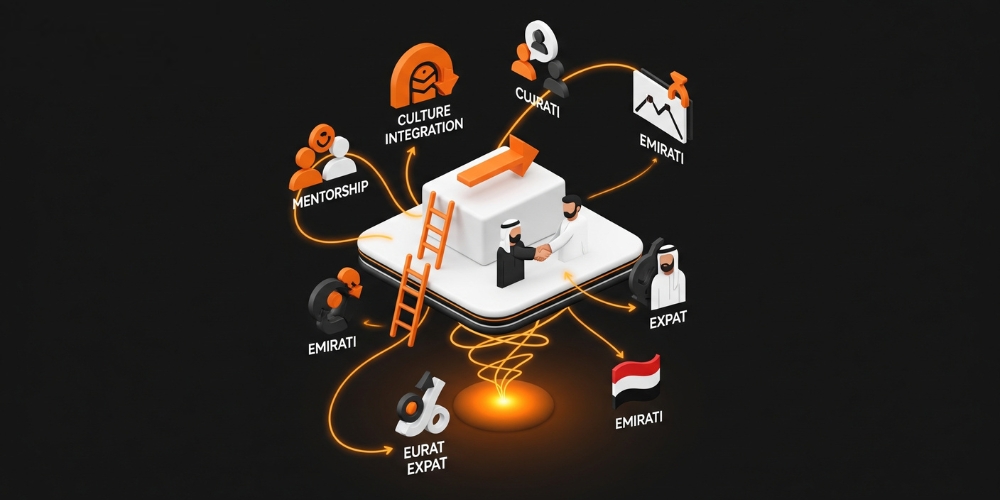
Five strategies that consistently produce strong outcomes.
1. Align roles with local talent
Use Nafis job-matching to align openings with available candidates. Redesign job descriptions to include realistic training time.
2. Offer career progression
Clear growth paths from day one. Emiratis value purpose, recognition, and development — not just pay. Use Nafis training subsidies to fund the pathway.
3. Build inclusive culture
Encourage knowledge sharing between expats and Emiratis. Assign mentors, build clean onboarding checklists, host cross-cultural workshops.
4. Measure engagement
Internal surveys reveal what motivates retention. Ask why they stay; ask why they leave; act on what you hear.
5. Reward retention-focused management
Tie management KPIs to sustainable Emiratisation outcomes, not just headcount.
How to Get Started
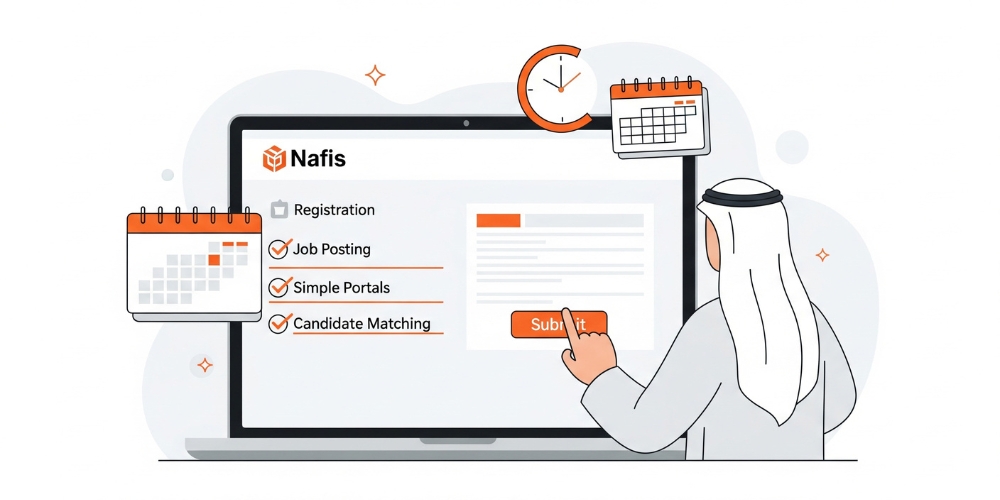
Four-step on-ramp.
1. Register on the Nafis Portal
Create a company account; verify your MoHRE licence.
2. Post your job openings
Use the talent portal to list roles and match candidates.
3. Apply for support
After hiring eligible Emirati candidates, apply for salary support, pension subsidies, and other incentives via your dashboard.
4. Track compliance
Your Emiratisation progress is visible on your company dashboard, with alerts for deadlines and subsidy windows.
Proactive registration helps avoid the AED 96,000+ fines for non-compliance and opens doors to government partnership opportunities.
The Bottom Line
The Nafis Program turns Emiratisation from compliance burden into strategic opportunity. The financial incentives are substantial; the talent pipeline is real; the alignment with UAE national priorities provides reputational and regulatory benefits beyond direct cost reduction. Combine Nafis support with strong career development, inclusive culture, and engagement tracking, and you build a sustainable Emirati workforce that compounds advantages year after year.
FAQs
Who is eligible for Nafis?
All UAE nationals over 18 who are unemployed and registered with MoHRE. Candidates must be willing to work in the private sector and meet any role-specific training or education requirements.
Which sectors qualify?
Most private-sector industries — tech, finance, healthcare, logistics, advanced manufacturing. Vision 2031 priorities (AI, green energy, financial services, advanced manufacturing) get particular attention.
How long does Nafis support last?
Up to 5 years for most benefits — salary support, pension subsidies, child allowance. Apprenticeship and training support runs up to 12 months typically.
How does salary top-up work?
Nafis transfers monthly support directly based on credentials:
- Diploma holders: AED 4,000/month
- Bachelor's degree: AED 5,000–7,000/month
- Apprentices: AED 3,000/month during training
Employers maintain accurate payroll records; Nafis handles the support transfer.
What's the highest-leverage starting move?
Register on the Nafis Portal and post one role through the platform within 30 days. The faster you start, the faster the talent pipeline benefits compound — and the lower the compliance risk.
Keep reading


