

UAE Government Jobs: How to Apply, Eligibility, and Portals
A practical guide to applying for UAE government jobs — portals, eligibility, step-by-step process, and emirate-specific advice for expats and nationals.
Ployo Team
Ployo Editorial
TL;DR
- UAE public sector roles offer high pay, housing perks, healthcare, and strong tenure security.
- Emiratisation prioritises UAE nationals, but expats are welcomed into specialist roles (healthcare, IT, engineering, education).
- Use official portals only: FAHR (federal), TAMM (Abu Dhabi), Sharjah.ae (Sharjah), Dubai Careers (Dubai).
- Standard application: register → complete profile → upload MOFA-attested documents → tailor CV → submit → track.
- Each emirate has its own hiring focus; match your skills to where demand actually sits.
The UAE government runs one of the most attractive public sectors in the world — stable contracts, generous benefits, and increasingly modern recruitment systems. But the path in is fragmented across federal and emirate-level portals, and the rules vary by nationality, field, and emirate. This guide walks through who can apply, where the jobs actually live, and how to move from registration to offer without wasting weeks on dead ends.
How the UAE Government Job Market Works

Public sector hiring sits across two levels: federal (ministries reporting to the central government) and emirate-level (local departments in each of the seven emirates). Salaries are high by global standards, benefits typically include housing allowances and full healthcare, and tenure security is among the best available regionally.
Emiratisation policy prioritises UAE nationals for many positions, especially generalist and administrative roles. Specialist work — IT, healthcare, advanced engineering, academia, urban planning — remains open to expats, often on long-term contracts. Inclusivity has also become a public priority: the UAE Embassy reports two-thirds of public sector jobs are held by women, and gender-balance initiatives continue to expand female leadership representation.
Abu Dhabi and Sharjah each run their own application systems alongside the federal portal, so understanding which level your target role sits at is the first decision point.
Highest-Paying Government Roles in 2026

Pay varies dramatically by specialism. Healthcare sits at the top: consultant doctors and senior surgeons can earn 45,000–120,000 AED per month, with DrExpat's 2026 data showing hard-to-fill specialties often clear 100,000 AED before housing and education allowances.
Technology and cybersecurity follow closely as the UAE accelerates its AI-driven strategy. The National's 2026 salary guide places lead data scientists and cybersecurity architects between 35,000–55,000 AED, with senior AI specialists reaching 75,000 AED.
Legal and financial advisory work also commands strong compensation — senior legal counsel and financial controllers in federal ministries typically earn 40,000–65,000 AED. As of 1 January 2026, Emirati nationals in the private sector are entitled to a minimum wage of 6,000 AED under new MoHRE rules, though public sector entry pay generally starts higher.
Typical Public Sector Pay Bands (AED / month)
| Tier | Role type | Pay band | Notes |
|---|---|---|---|
| Entry | Admin / generalist | 8,000 – 15,000 | UAE national priority |
| Technical | Specialist engineer / analyst | 18,000 – 35,000 | Strong expat access |
| Medical | Specialist physician | 40,000 – 70,000 | Licensing prerequisite |
| Legal / senior advisory | Senior counsel, controller | 55,000 – 85,000 | High accreditation bar |
| Executive | Director / consultant | 90,000 – 150,000+ | Limited openings, high competition |
Eligibility: Who Can Apply
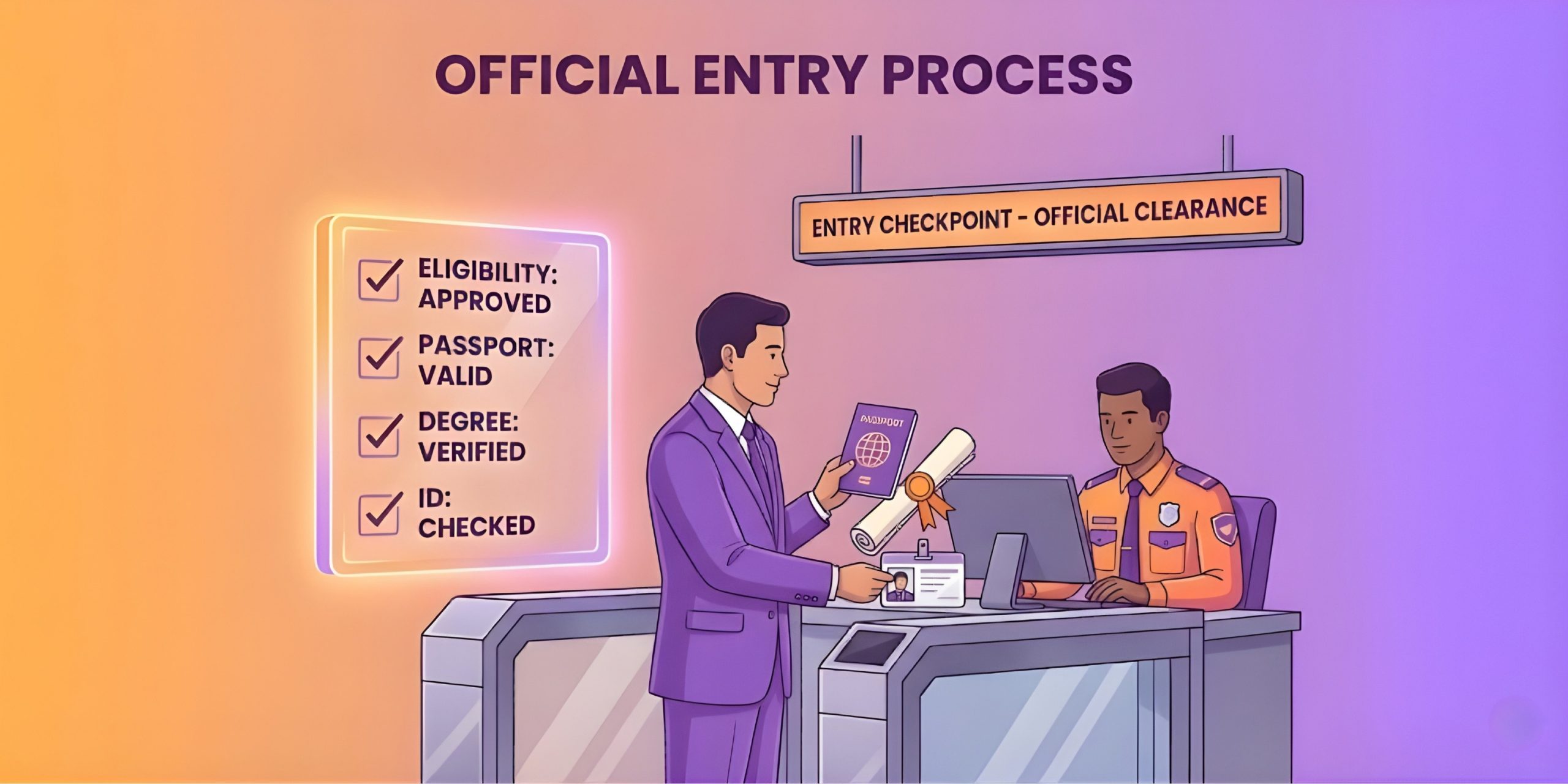
Eligibility shifts depending on nationality, field, and seniority. The shared baseline: clean background check, a recognised degree (usually bachelor's or above), English fluency, and medical clearance.
UAE nationals
Priority for federal and local government roles under Emiratisation. Most listings specify "UAE Nationals Only" or "Emirati Preferred."
Expats
Welcomed in specialist fields. Required:
- Valid residence visa (or ability to obtain one through the role)
- Bachelor's degree (or higher) attested by MOFA
- English fluency; Arabic preferred but rarely mandatory
- Clean background and medical clearance
Freshers
Graduate trainee programs are growing. The UAE's Ministry of Education and local municipalities run structured pathways for new graduates, often into administration, education, and digital roles.
International applicants by nationality
The UAE recruits broadly across nationalities. Roles for Indian applicants commonly fall in administration, education, and public health. Pakistani applicants find consistent demand in logistics, civil services, and technical support, especially in Sharjah and Abu Dhabi.
Women in the public sector
Female applicants are actively encouraged across all seven emirates — leadership, HR, communications, legal, and administrative roles all see strong female representation.
Where to Find Listings — Official Portals Only
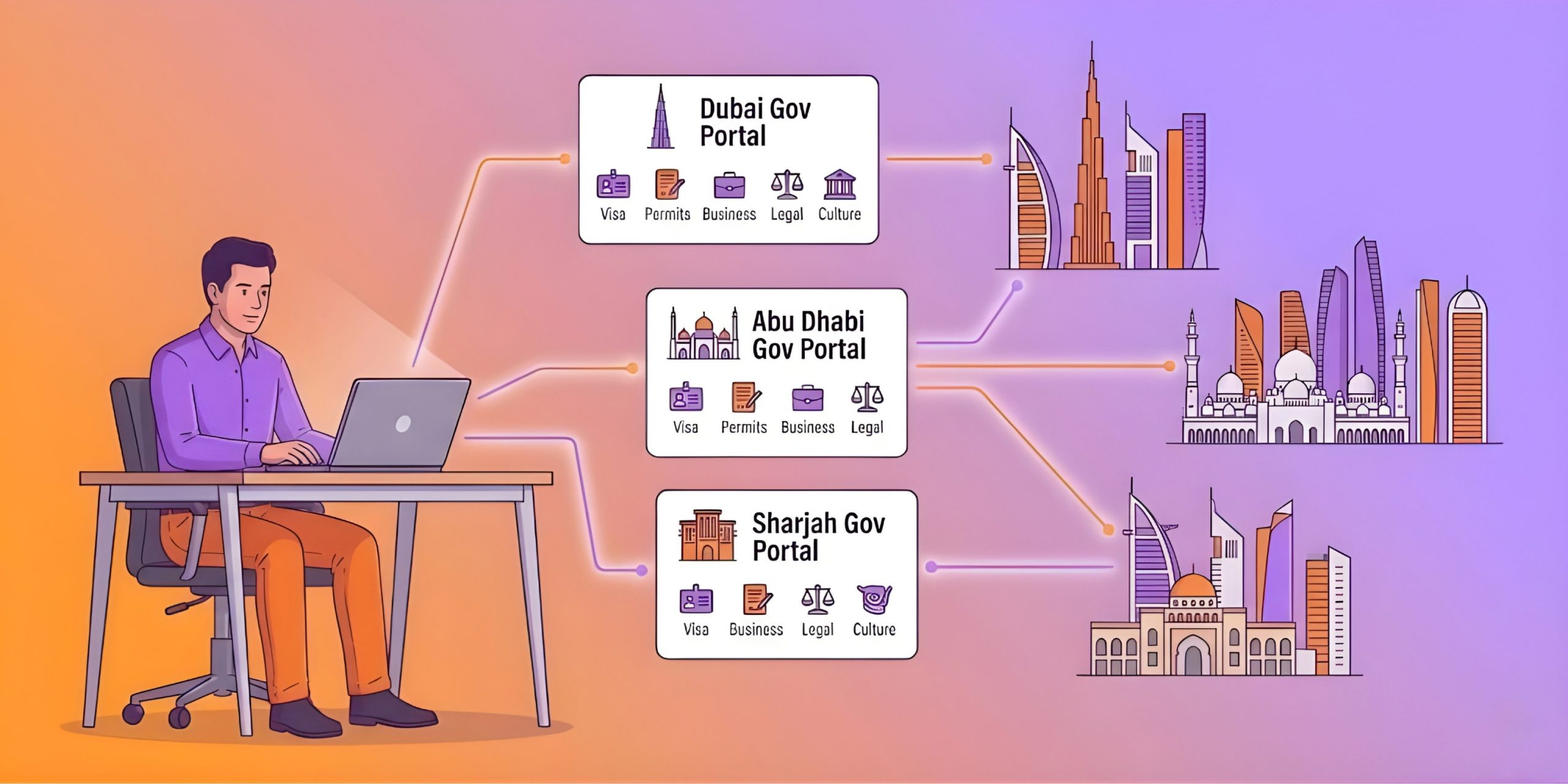
The UAE government runs dedicated portals at each level. Use only these — third-party recruiters charging fees are a red flag.
Federal-level portals
- FAHR (Federal Authority for Government Human Resources) — official platform for federal ministry jobs.
- UAE Government Jobs Portal — central listing aggregator.
Emirate-specific portals
| Emirate | Portal | Typical strengths |
|---|---|---|
| Abu Dhabi | TAMM Jobs Portal | Healthcare, energy, smart infrastructure |
| Sharjah | Sharjah Government Portal | Culture, education, environmental services |
| Dubai | Dubai Careers | IT, urban planning, smart city projects |
Filters on each portal let you narrow by role, department, location, experience level, and (where relevant) nationality preference.
The Step-by-Step Application Process

The mechanical steps are consistent across portals.
1. Pick the right platform
Federal role → FAHR. Abu Dhabi role → TAMM. Sharjah role → sharjah.ae. Dubai role → Dubai Careers.
2. Register an account
Use a valid email. Several portals integrate with UAE Pass for faster identity verification.
3. Complete your profile
Upload CV, passport photo, Emirates ID (if held), degree certificates, and employment letters. Tailor your CV to highlight skills the public sector values — service orientation, accountability, efficiency.
4. Search and apply
Use filters to surface relevant openings. Submit applications with a short, role-specific cover note where the portal allows.
5. Track status
"My Applications" sections on each portal show progress. Shortlisting notifications typically come via email or SMS.
6. Prepare for assessments
Many departments add written tests, personality assessments, or technical exercises before interviews. Government-style competency interviews lean heavily on past behaviour and judgement.
Tips That Actually Improve Your Odds
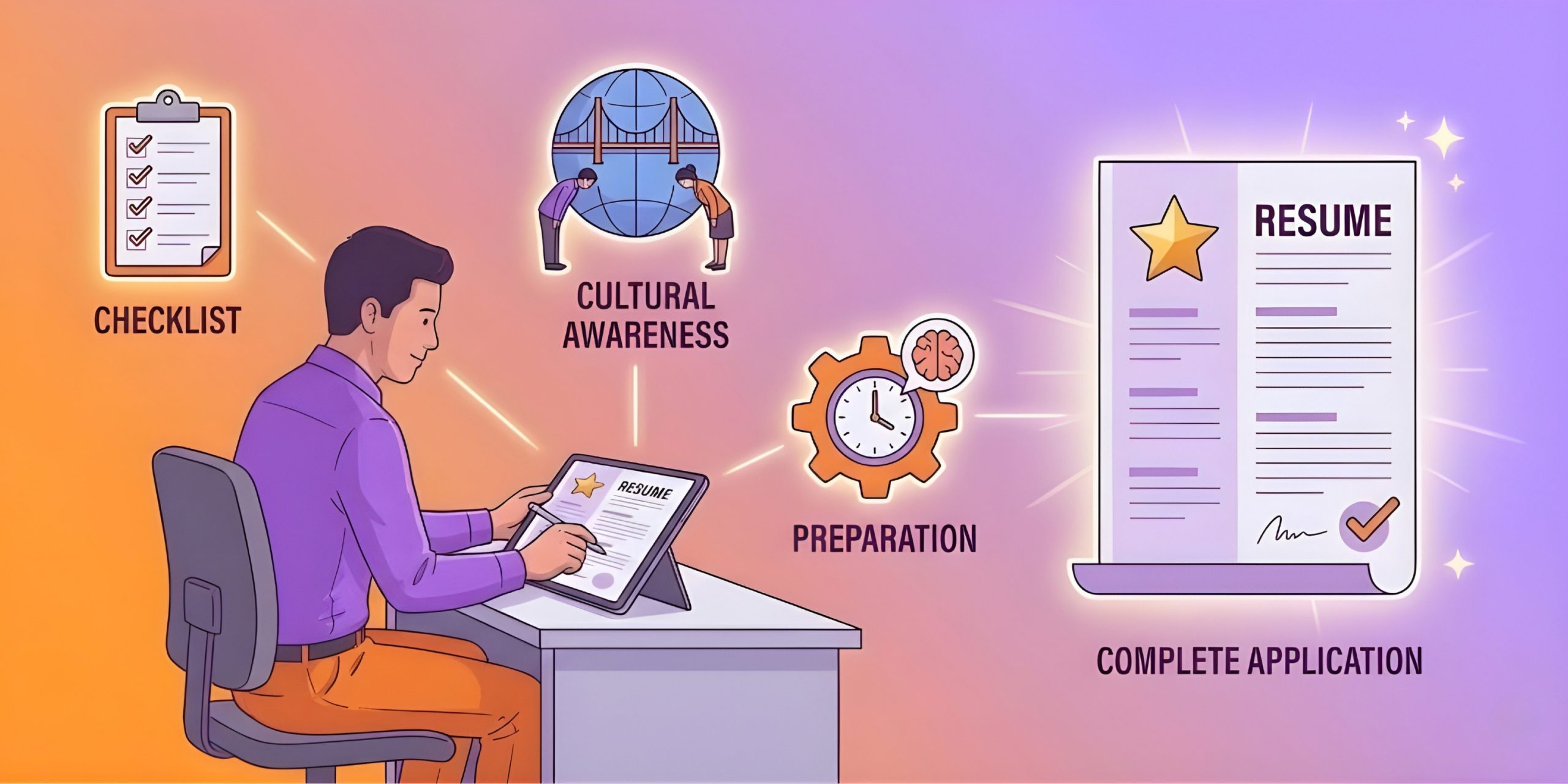
Six moves that consistently strengthen applications.
1. Tailor every CV
Public sector hiring rewards alignment with stated values — service, integrity, accountability. Echo the job description's keywords (within reason) to clear ATS filters.
2. Demonstrate cultural awareness
For expat applicants especially, show familiarity with UAE professional norms and multicultural workplaces. Specific examples from prior regional or international experience help.
3. Highlight accredited credentials
Degrees recognised by KHDA, MOE, or established international bodies carry more weight. Equivalency certificates matter for non-UAE qualifications.
4. Stick to official portals
UAE government applications are free. Anyone charging a fee to apply is not legitimate.
5. Prepare attested documents in advance
MOFA-attested degree certificates and equivalency certificates can take weeks. Start early; submit complete document packs.
6. Follow up professionally
For senior roles, a single polite follow-up after two weeks is acceptable. Daily check-ins are not.
Where the Demand Actually Sits by Emirate
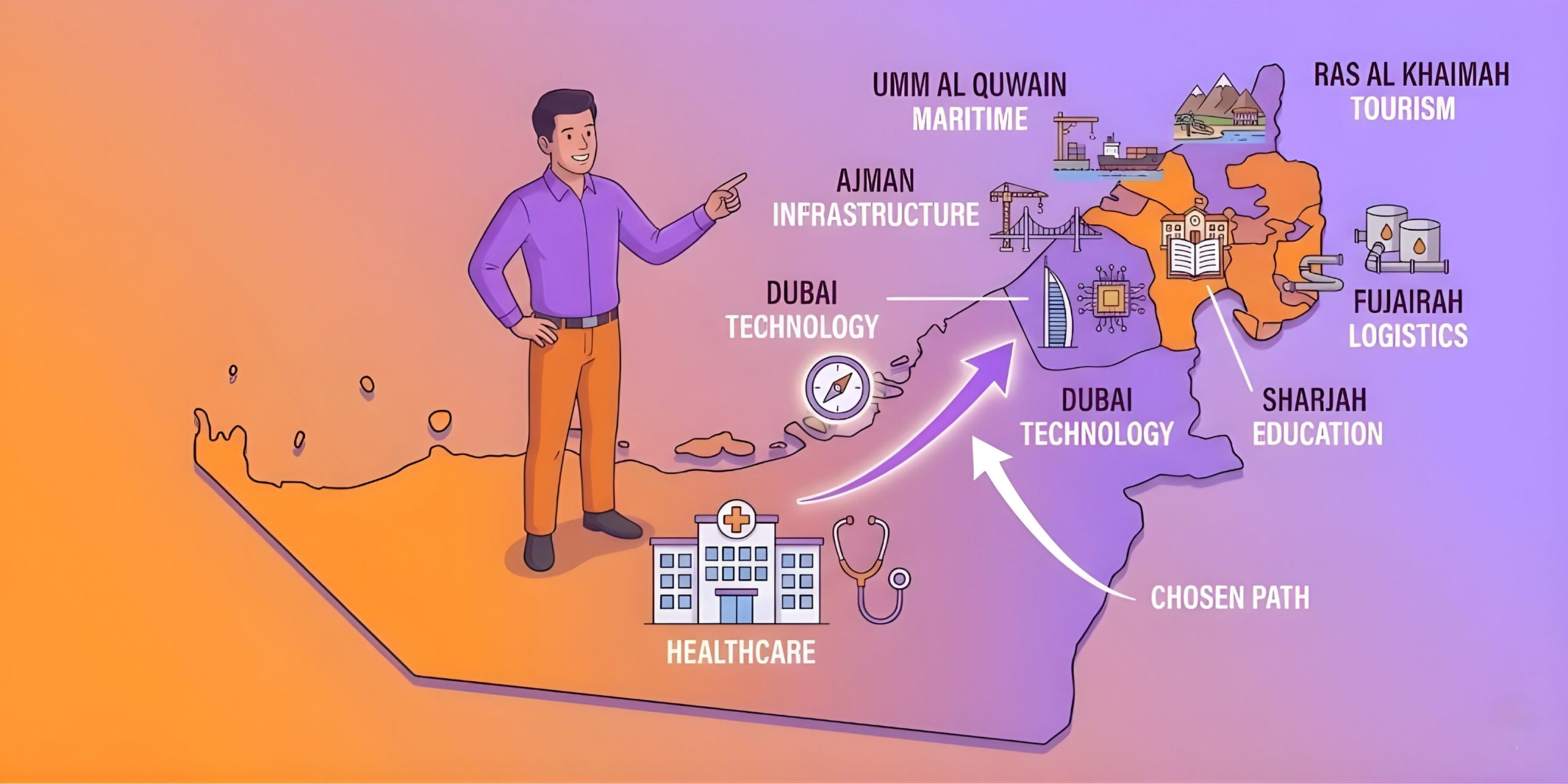
Each emirate has its own hiring focus.
Abu Dhabi
Hub for innovation-driven government work. Healthcare, education, smart infrastructure, energy, and finance dominate. TAMM is the primary application surface. Strong expat access in specialist roles; relocation and housing allowances are common.
Sharjah
Strong tradition in culture, education, and environmental services. Sharjah.ae lists openings across universities, museums, and public transport. Notable opportunities for freshers in education-related roles.
Dubai
Highly dynamic public sector, especially in IT, urban planning, and smart city initiatives. Dubai Careers consolidates listings across the emirate. Strong representation of female, Indian, Pakistani, and other expat applicants.
Northern Emirates (Ajman, Fujairah, Umm Al Quwain, Ras Al Khaimah)
Smaller but expanding public sectors focused on municipal development, public health, and education. Entry-level openings are more common here for new graduates seeking their first government role.
Demand snapshot
| Emirate | Healthcare | Education | IT / Tech | Admin / Ops | Infrastructure |
|---|---|---|---|---|---|
| Abu Dhabi | High | Medium | High | Low | High |
| Dubai | Medium | High | High | Medium | Medium |
| Sharjah | Medium | High | Medium | High | Low |
| Northern | High | Low | Medium | Low | High |
Common Obstacles and How to Get Past Them
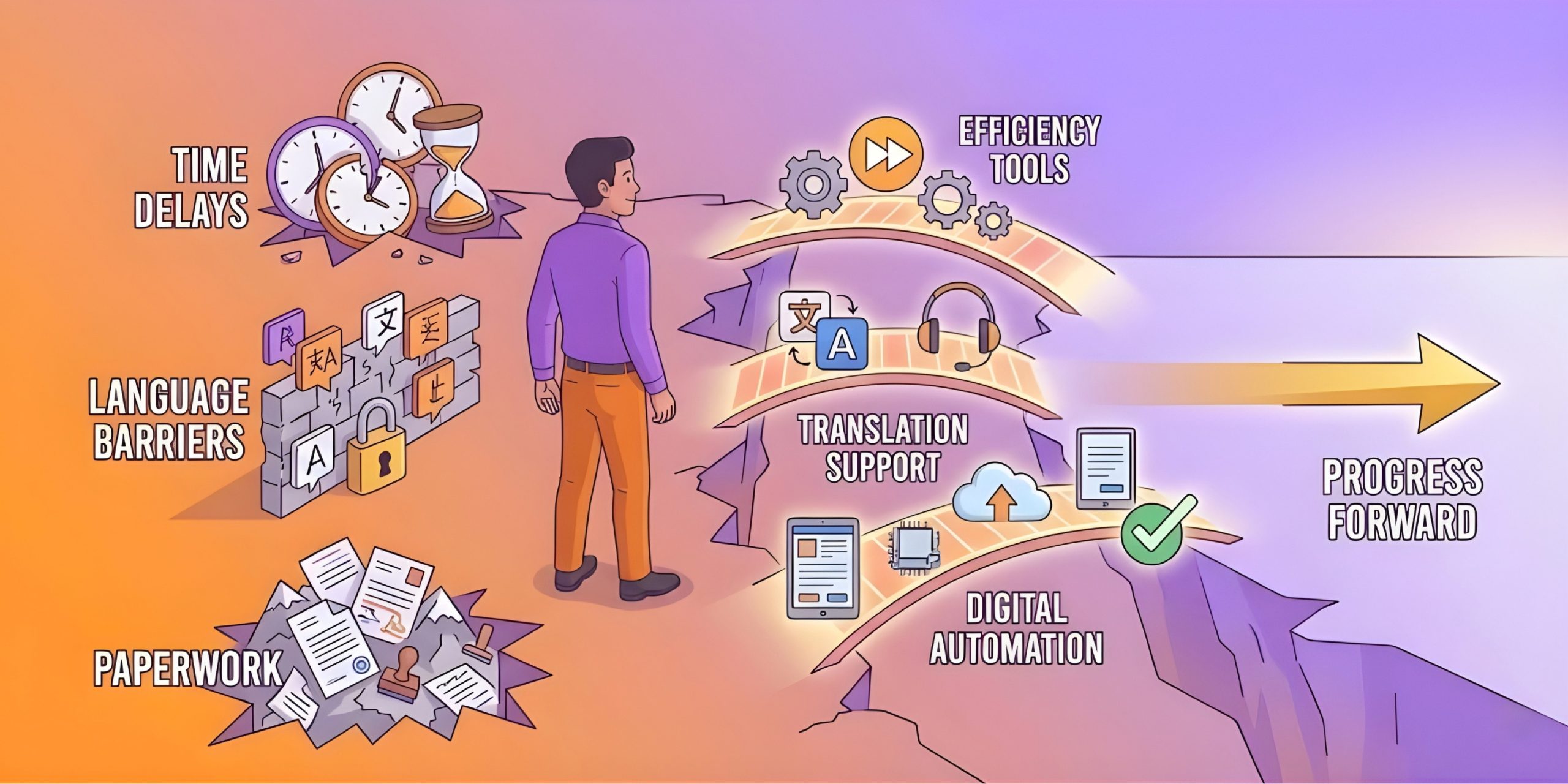
Five obstacles that consistently slow applicants down.
Arabic language requirement
Some roles require Arabic proficiency. Target departments where English is the working language — healthcare, IT, education, advisory. Mention willingness to learn Arabic; it signals long-term commitment.
Lack of UAE work experience
Highlight transferable skills, international or multicultural experience, internships, and certifications. Many specialist roles weight skill higher than UAE-specific tenure.
Portal confusion
Multiple portals and inconsistent UX cause friction. Stick to the four official portals (FAHR, TAMM, Sharjah.ae, Dubai Careers), bookmark them, and set up alerts.
Long response times
Public sector hiring takes weeks. Apply broadly, keep profiles updated, and don't treat silence as rejection until at least four weeks have passed.
Document attestation delays
MOFA attestation can take 2–4 weeks. Start the process immediately on identifying a target role rather than waiting until shortlisting.
Where the Sector Is Heading

The UAE public sector is changing as the country pushes toward its 2031 strategic goals. Three trends to watch.
AI-led service delivery
Routine administrative work is being absorbed into AI-driven systems. Growth is in digital design, data analysis, and cybersecurity across public institutions — these are also the highest-paid specialist openings.
Sustainability hiring
Net-zero commitments are driving demand in city planning, energy oversight, and environmental policy. Renewables expertise and environmental planning experience open new doors.
Project-based specialist work
Public sector hiring for expats is leaning toward advisory and technical roles tied to national initiatives. Skills and outcomes matter more than long tenure; project-based contracts are increasingly common.
The Bottom Line
UAE government jobs reward preparation, patience, and platform discipline. The candidates who pick a target emirate, use the right official portal, prepare attested documents early, tailor each CV to the role, and follow up professionally consistently move further than the candidates blasting generic CVs across third-party recruiters. The sector pays well, treats employees well, and isn't going anywhere. Aim carefully, apply cleanly, and the path opens up.
FAQs
What's the typical salary for a UAE government job?
Entry expat professional roles sit around 8,000–12,000 AED per month. Mid-career rises to 15,000–25,000 AED. Specialists in healthcare and advanced technology earn 45,000–120,000 AED. Emirati nationals have a 6,000 AED minimum wage, though most public sector roles start higher.
Is Arabic mandatory for UAE government jobs?
Not always. Legal, administrative, and public-facing roles often require Arabic, but technical, medical, and IT roles frequently operate in English. Basic Arabic is a professional asset that accelerates progression.
Do I need a university degree?
Yes, for most professional government roles. The degree must be MOFA-attested and, in many cases, accompanied by an equivalency certificate from the UAE Ministry of Education.
Can I apply from outside the UAE?
Yes. Apply directly through TAMM, Dubai Careers, Sharjah.ae, or FAHR from anywhere. The UAE Job Seeker Visa (60, 90, or 120 days) lets you visit for interviews and contracting.
What's the single highest-leverage thing I can do?
Pick one emirate, register on its official portal, and start the MOFA attestation process for your degree immediately. Most applicants stall on documentation, not opportunity. Getting paperwork ready early puts you weeks ahead.
Keep reading

Compensation Planning Explained: A Strategic HR Guide for 2026

Working in Japan as an American: The Recruiter's Reality Check
