

Kafala System Reforms: What Gulf Employers Need to Know
Gulf labour reforms are reshaping the Kafala system — what changed in KSA, Qatar, and the UAE, and how employers should adapt HR policies to stay compliant.
Ployo Team
Ployo Editorial

TL;DR
- KSA ended NOC requirement and improved job mobility in 2021.
- Qatar removed exit permits and introduced a non-discriminatory minimum wage of QAR 1,000/month.
- UAE allows job changes after 6 months under 2022 labour law.
- Employers gain access to larger talent pools and need to compete on culture, not contracts.
- Key compliance tools: Qiwa, Mudad (KSA), ADLSA (Qatar), MOHRE (UAE).
The Kafala system isn't dead, but its grip is loosening fast across the Gulf. Qatar, Saudi Arabia, and the UAE have all introduced reforms that shift power dynamics between employers and workers — meaning the old playbook for hiring and retaining talent doesn't work anymore. This guide walks through what changed, why, and how employers should adapt.
What the Kafala System Is
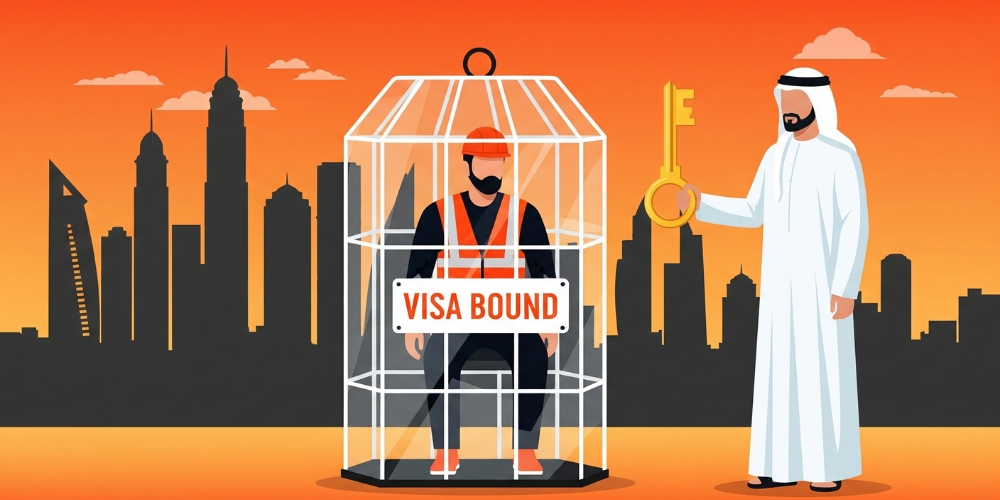
Kafala (Arabic for "sponsorship") historically tied a foreign worker's legal status to a specific employer — controlling job changes, visa renewals, and the ability to leave the country. Variants existed across Saudi Arabia, Qatar, UAE, Kuwait, and Bahrain for decades.
Critics flagged the system as limiting labour mobility and leaving expats vulnerable to exploitation. Both internal pressure (Saudi Vision 2030, Qatar's diversification strategy) and external pressure (ILO, Human Rights Watch, Amnesty International) drove reforms.
Why It's Changing Now
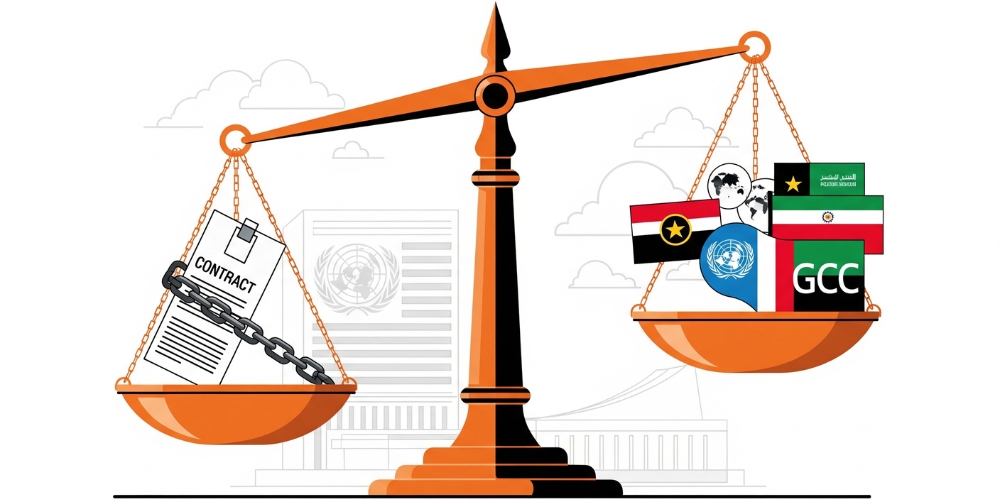
Two structural forces.
Economic modernisation
Gulf countries are diversifying beyond oil. Modern, mobile labour markets attract international investment and talent — both critical to visions like Saudi 2030.
ILO partnerships
Qatar partnered with the ILO in 2017, leading to exit-permit removal and minimum-wage introduction. The ILO described it as a "historic move" — though follow-through remains the real test.
In KSA, the Ministry of Human Resources and Social Development led reforms enabling foreign workers in government roles to change jobs without employer consent under specific conditions.
Key Reforms by Country
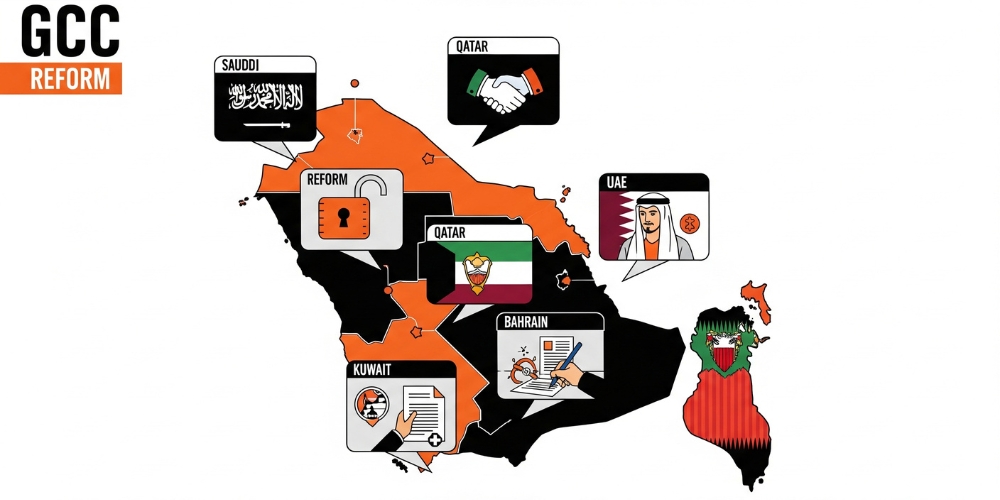
Saudi Arabia
2021 reforms ended the NOC requirement, allow exit and re-entry visas without sponsor approval, and enable job changes under specific conditions. Affects 7M+ expat workers.
Qatar
2021 introduced the region's first non-discriminatory minimum wage at QAR 1,000/month, plus food and housing allowances. Workers can change jobs with proper notice; most private-sector exit permits removed.
UAE
Labour Law Federal Decree-Law No. 33 of 2021 (active Feb 2022) introduced flexible contracts, improved leave policies, anti-discrimination rules, and job switching after 6 months without employer consent.
Bahrain and Kuwait
Bahrain uses flexible work permits letting workers move without single-employer ties. Kuwait is in active discussion on mobility reforms.
What Reforms Mean for Employers
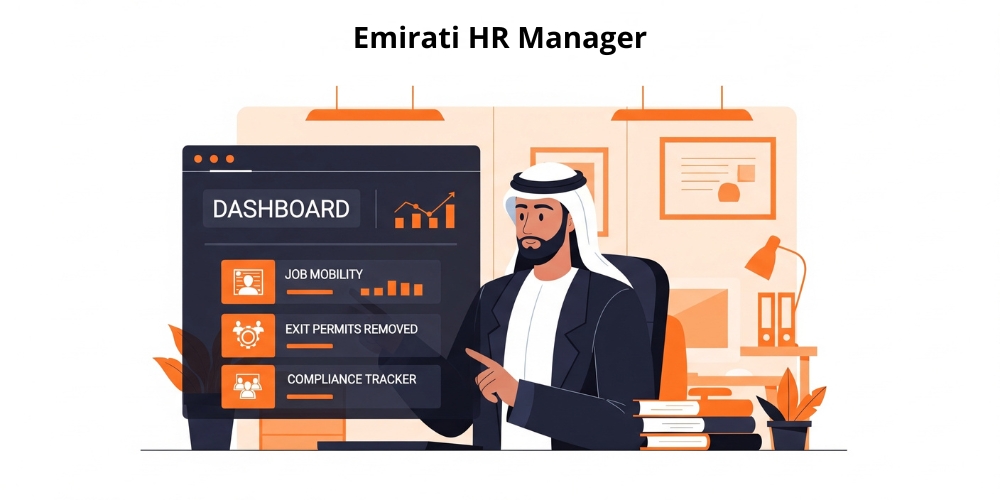
The shift away from sponsorship-based control changes the talent equation. Per TruIn's KSA labour law analysis, workers can resign and switch jobs without employer approval as long as they complete contracts or give proper notice.
Less control isn't a loss — it's an invitation to compete on substance.
Benefits for Employers

Four real gains.
Larger talent pool
Workers no longer locked to single sponsors — hire from a deeper pool of in-country talent.
Retention through better workplaces
Without contract lock-ins, companies must compete on culture, development, and pay. Motivated employees stay; trapped employees leave the moment they can.
Reputation gains
Investors and clients increasingly care about ethical labour practices. Adopting reforms strengthens employer brand and global credibility.
Faster onboarding
Reformed visa and transfer processes mean fewer delays and less paperwork for hiring expats already in country.
Challenges to Manage
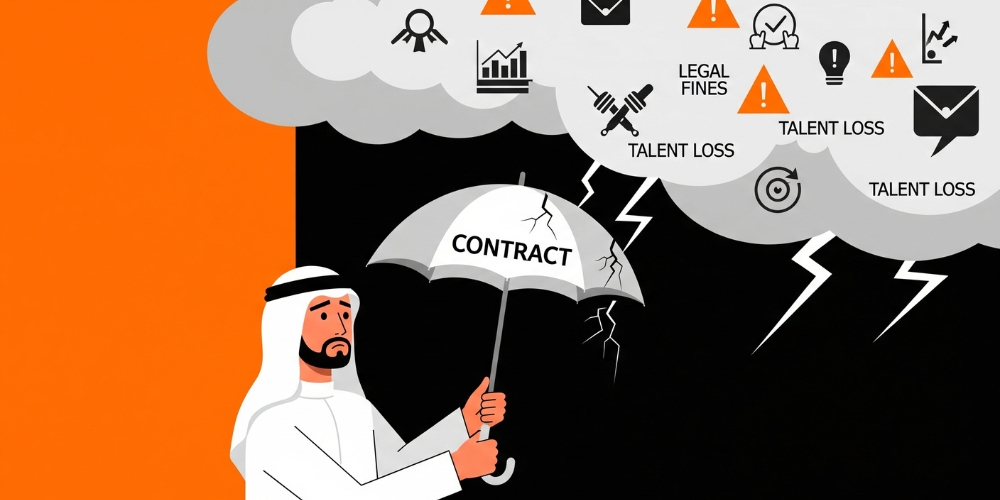
Four obstacles worth planning for.
More competition for talent
Without lock-ins, competitors can recruit your people more easily. Retention now depends on how you treat and develop them.
Internal policy adaptation
HR teams need to update contracts, visa workflows, and transfer policies. Training and mindset shift takes real effort.
Compliance risk
Outdated systems risk legal complications. New laws require active employer accountability — wages, mobility, termination all under scrutiny.
Cultural adjustment
Some employers fear losing control. The reality: leadership quality and HR innovation now matter more than contractual restrictions.
How to Adapt HR Practices

Four moves that consistently strengthen adaptation.
Review employment contracts
Strip outdated clauses blocking job moves or exits. Align with current KSA, Qatar, or UAE labour law.
Strengthen onboarding
First impressions matter more than ever. Build fast, engaging onboarding plus visible growth paths to retain great talent.
Invest in compliance tooling
For multi-country operations, use HR platforms or legal services that stay current with mobility rules, notice periods, and wage laws.
Lead with fairness and engagement
Engagement surveys, transparent communication, real career development. Trust beats control in the new environment.
Real-World Adaptation
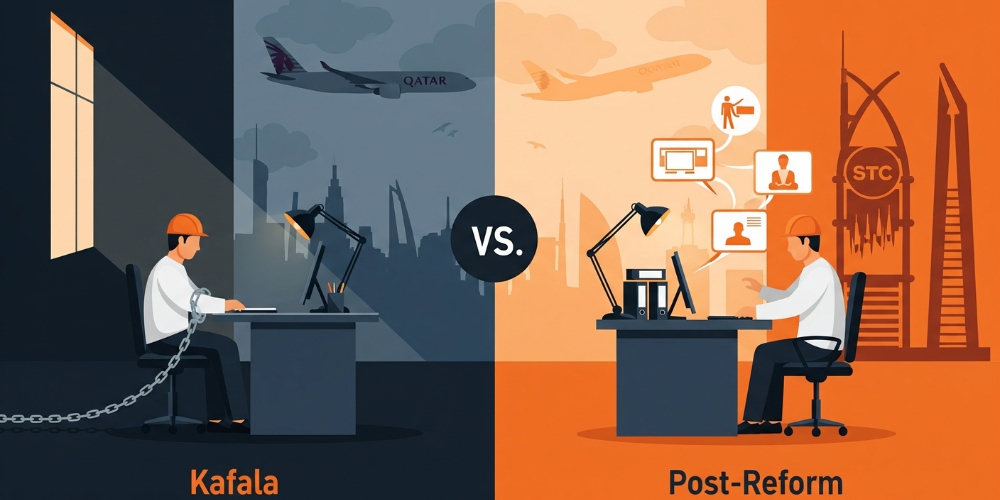
Al Jazeera reports that between Nov 2020 and Aug 2022, Qatar's reforms enabled 350,000+ workers to change jobs freely — vs just 18,000 in 2019. The ILO described the shift as a milestone for regional worker rights.
In Saudi Arabia, companies are using platforms like Taqat for internal mobility and upskilling. Global consultancies (Mercer, Adecco, PwC ME, Bain) actively advise on workforce planning and compliance under Vision 2030.
Staying Compliant

Four habits that consistently keep employers ahead.
Monitor legal updates
Check ministry sources regularly. For KSA, the HRSD portal posts updates and FAQs first.
Use official hiring platforms
KSA: Qiwa and Mudad. Qatar: ADLSA. UAE: MOHRE. Operating outside these creates compliance gaps.
Run HR audits quarterly
Reassess policies, onboarding documentation, and visa workflows. Revise before regulators or candidates flag issues.
Train managers
First-line compliance happens at manager level. Short training sessions on mobility rules and fair-treatment expectations protect both employees and the company.
The Bottom Line
The Kafala system isn't fully abolished, but its reach is shrinking fast. For Gulf employers, the shift is more opportunity than threat — a chance to modernise, attract better talent, and build durable workplaces. Update policies, lead with fairness, and use the official compliance tools. The companies that adapt early build advantages that compound through the rest of the decade; the ones that resist will find themselves competing on increasingly unfavourable terms.
FAQs
Is Kafala abolished everywhere?
Not entirely. Qatar and Saudi Arabia have introduced major reforms; the system persists in some form in Kuwait and Oman. The trend is clearly toward greater mobility.
Do employers still need sponsorship?
Yes, but the role has changed. Employers handle visas but no longer fully control job changes, exits, or terminations — especially in KSA and Qatar.
How should companies hire foreign workers now?
Use government-approved platforms (Qiwa, Mudad, ADLSA, MOHRE depending on country). These enforce compliance with updated mobility, wage, and contract rules.
What are the penalties for non-compliance?
Vary by country — fines, work visa suspension, blacklisting from hiring foreign workers. Wage delays and mobility blocks attract significant sanctions under reformed KSA labour law.
What's the highest-leverage adaptation?
Investing in retention through culture and development. The single biggest shift from old Kafala is that retention now depends on substance, not contracts. The companies investing here win the talent the reforms have unlocked.
Keep reading


