

How Workforce Planning Prevents Talent Shortages
Proactive workforce planning stops talent shortages before they start — forecasting, data-driven decisions, internal mobility, and agile adjustments.
Ployo Team
Ployo Editorial

TL;DR
- 70% of employers report skill shortages (TMI) — often candidates exist but skills don't match.
- 73% of HR leaders focus on short-term operational planning (TalentGuard), leaving strategic gaps.
- Workforce planning forecasts demand, surfaces gaps early, and enables internal development.
- Strategic + operational + agile approaches together produce the strongest coverage.
- Tooling helps, but clear business-goal alignment matters more than software choice.
Talent shortages are usually preventable. The companies hit hardest aren't unlucky — they're the ones running purely operational, short-horizon planning. The companies that absorb shocks well combine strategic forecasting, operational responsiveness, and data-driven internal mobility. This guide walks through how that combination actually works.
What Workforce Planning Is

Workforce planning forecasts future staffing needs, compares them against current capability, and sets actions to close the gap. The key question: what roles will we need, when, and with what skills?
Two layers worth distinguishing.
Strategic workforce planning
Long-horizon (1–5 years). Aligns workforce decisions with business strategy, market shifts, and emerging skill needs.
Operational workforce planning
Short to mid-term (quarter to year). Handles immediate staffing, vacancies, and capacity adjustments.
Modern teams add a data layer through workforce planning and analytics — using past hiring, attrition, demographic trends to drive decisions. Tooling ranges from spreadsheet templates to dedicated workforce planning software with scenario modelling.
Why Talent Shortages Happen
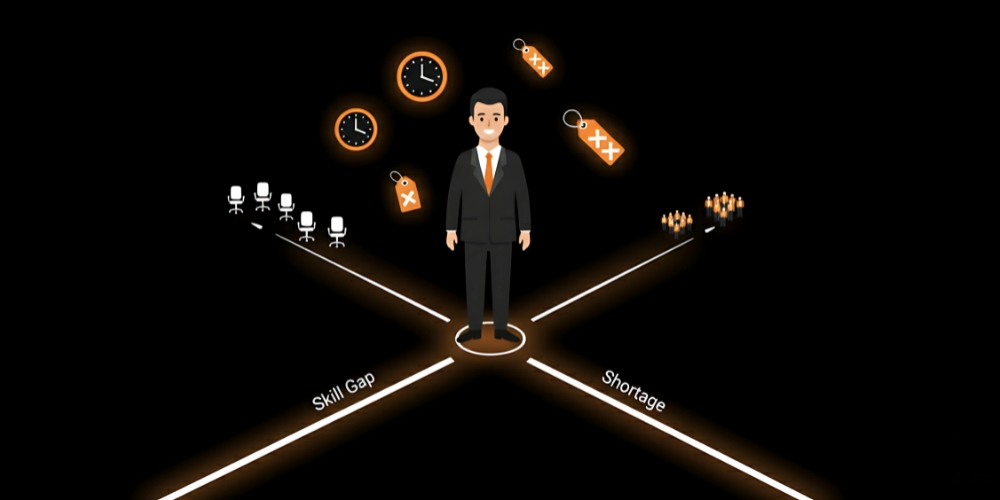
Seven drivers worth understanding.
Rapid growth or business pivot
New markets and new initiatives create demand for skills that didn't exist on the team.
Attrition and retirement
People leave. Replacement is slower and more expensive than most companies model.
Skills mismatches
TMI's research shows 70% of employers face skills shortages — often candidates exist but their skills don't match the actual needs.
Underinvestment in upskilling
Without internal development, gaps grow. External hires get progressively harder and pricier.
Short-term mindset
TalentGuard's data shows 73% of HR leaders focus on short-term operational planning. The lack of strategic horizon leaves teams exposed when conditions shift.
Market pressures
Demographic shifts, regulatory changes, economic cycles all affect available talent supply.
Weak forecasting
Without data-driven workforce forecasting, planning is essentially gut feel — and gut feel produces reactive responses.
How Planning Prevents Shortages
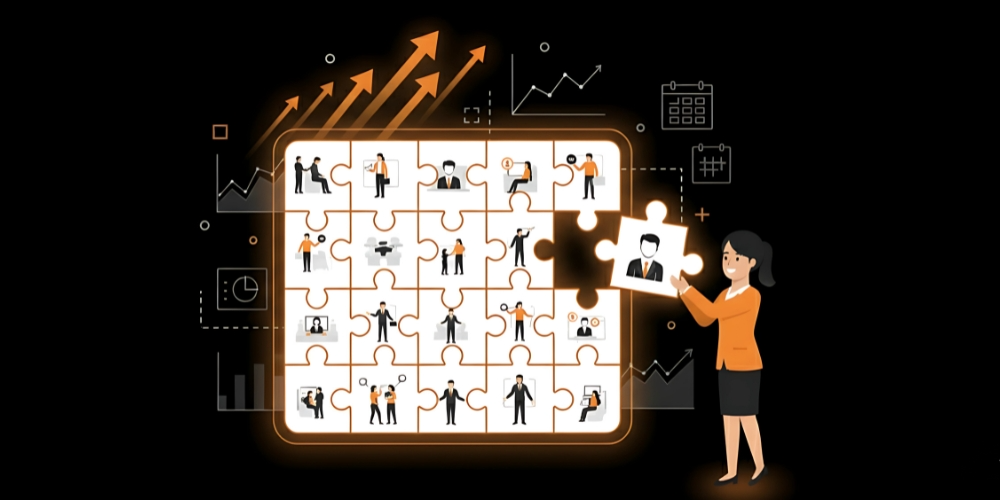
Six concrete mechanisms.
Anticipating gaps early
Continuous comparison of future need vs current capability surfaces holes months or years before they cause operational pain.
Better talent acquisition strategy
Combined with talent acquisition metrics (time to hire, cost per hire, source effectiveness), planning informs proactive recruitment rather than reactive scrambles.
Data-driven scenario modelling
"What if engineering grows 20%?" "What if we lose 5 senior salespeople?" — scenarios surface critical roles and skills early enough to act.
Internal development pipelines
When you know future gaps, you can train and reskill current employees to fill them. Reduces external hiring dependency.
Strategy alignment
Workforce strategy planning ties people decisions to business goals. New products or markets get the talent they need without last-minute scrambles.
Agility under change
Dynamic or agile workforce planning lets you adjust as conditions shift. Static annual plans miss this; iterative quarterly ones don't.
Benefits Beyond Avoiding Shortages

Six structural advantages.
Reduced hiring panic
Known role openings produce smooth recruitment. Less last-minute hiring at inflated cost.
Cost efficiency
Companies that plan ahead spend less on overtime, temp hires, and recruiter fees.
Business continuity
Strong workforce development plans ensure skilled people are ready for upcoming projects, mergers, or expansions.
Smarter decisions
Data-driven HR strategy beats reactive firefighting. Trends in attrition, skill needs, and performance all become visible.
Higher morale
Internal promotions and visible career paths show employees the company invests in them. Engagement rises.
Competitive advantage
Companies treating talent strategically outperform those treating it as headcount. The compound effect over years is substantial.
Best Practices
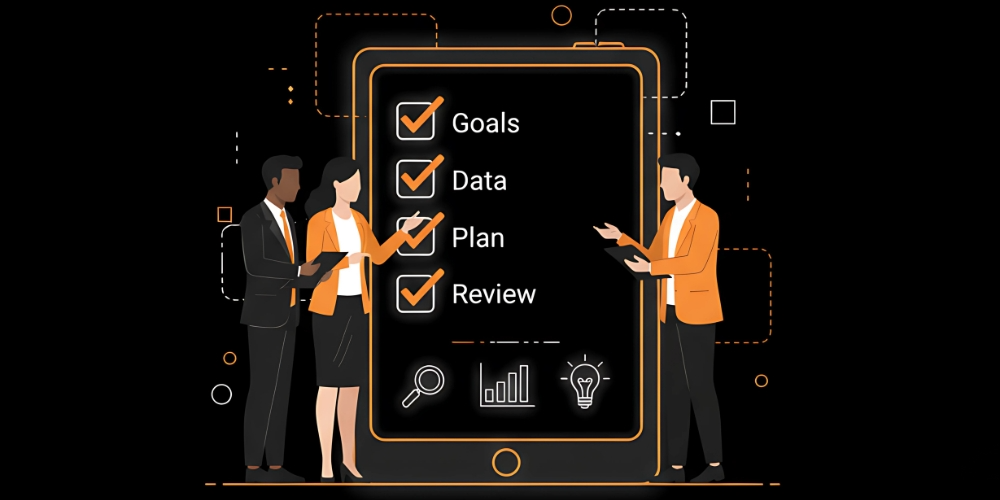
Seven practices that consistently strengthen planning programs.
Start with business goals
Every staffing decision should connect to a business objective. Planning disconnected from strategy is just bookkeeping.
Gather accurate workforce data
Use workforce forecasting to understand current capabilities, attrition risk, and demographic shifts on the team.
Segment roles by impact
Identify mission-critical positions. Focus planning effort where shortages would hit hardest.
Use templates as starting points
Don't build from scratch. Workforce planning templates (Excel or XLS for early stages, dedicated software later) accelerate planning meaningfully.
Combine strategic and operational
Balance long-term direction with short-term staffing reality. Neither alone is sufficient.
Invest in tooling appropriately
Mature programs benefit from workforce planning software with scenario modelling and finance integration. Early-stage programs should focus on discipline first, tooling second.
Keep plans flexible
Agile workforce planning adapts to changing conditions — new technology, regulatory shifts, sudden turnover spikes — without rebuilding from scratch.
The Bottom Line
Talent shortages are mostly self-inflicted by short-horizon planning. Companies that combine strategic forecasting, data-driven analytics, and operational responsiveness consistently avoid the crises that force their less-prepared competitors into expensive last-minute hiring. Start small — annual strategic planning plus quarterly operational reviews — and add tooling as discipline matures. The investment pays back many times over by year two, and the talent gaps that derail other companies become manageable rather than catastrophic.
FAQs
What tools help with workforce planning?
Common options span HR analytics platforms, enterprise HRIS systems, and spreadsheet models. Many companies start with Excel and graduate to dedicated workforce planning software that integrates with payroll, performance, and recruiting systems.
Can workforce planning improve retention?
Yes. Strong workforce development plans surface internal growth paths, which employees notice. Visible career progression is one of the strongest retention factors.
How often should companies update their workforce plans?
Annually at minimum. Most high-growth companies review quarterly. Fast-moving industries benefit from monthly updates on key metrics.
Strategic vs operational — which matters more?
Both. Strategic provides direction; operational handles execution. Programs focused on only one consistently underperform.
What's the single highest-leverage move?
Align workforce planning explicitly with business strategy. The teams that connect people decisions to revenue, product, and market goals consistently outperform teams that treat workforce planning as a standalone HR exercise.
Keep reading


