

Post-Interview Thank-You Emails: Structure, Timing, Examples
A great thank-you email keeps you visible after the interview — what to say, when to send, common mistakes, and a template you can adapt.
Ployo Team
Ployo Editorial
TL;DR
- ~80% of hiring managers say thank-you emails influence their decisions (Apollo Technical).
- 22% of employers are less likely to hire candidates who skip a thank-you note (CareerBuilder).
- Send within 24 hours, even if late afternoon means the next morning.
- Keep it 150–250 words, personalised to specific conversation moments.
- Send individual emails to every interviewer in panel rounds.
The post-interview thank-you email is one of the highest-leverage 10-minute investments in any job search. Most candidates skip it; the ones who don't keep themselves top-of-mind during decision conversations. This guide walks through what to write, how to structure it, the common mistakes, and a template that's easy to adapt.
Why It Matters
Two data points say a lot.
Apollo Technical finds about 80% of hiring managers say a thank-you note influences their decision. CareerBuilder reports 22% of employers are less likely to hire candidates who don't send one — and 91% appreciate receiving them.
Three reasons it works.
It keeps you visible
Hiring decisions are made over days. A thank-you email puts you back in the interviewer's inbox right when they're weighing candidates.
It signals professionalism
Most candidates skip the step. Doing it consistently distinguishes you immediately.
It surfaces missed points
You can briefly add an example or detail you wished you'd shared during the interview itself — see the broader recruitment process for where this fits.
When to Send
Within 24 hours is the standard. If your interview ran late, the next morning is acceptable. Sincerity and clarity matter more than racing to send within the hour — and rushed messages often skip the personal detail that makes the email actually work.
How to Structure It
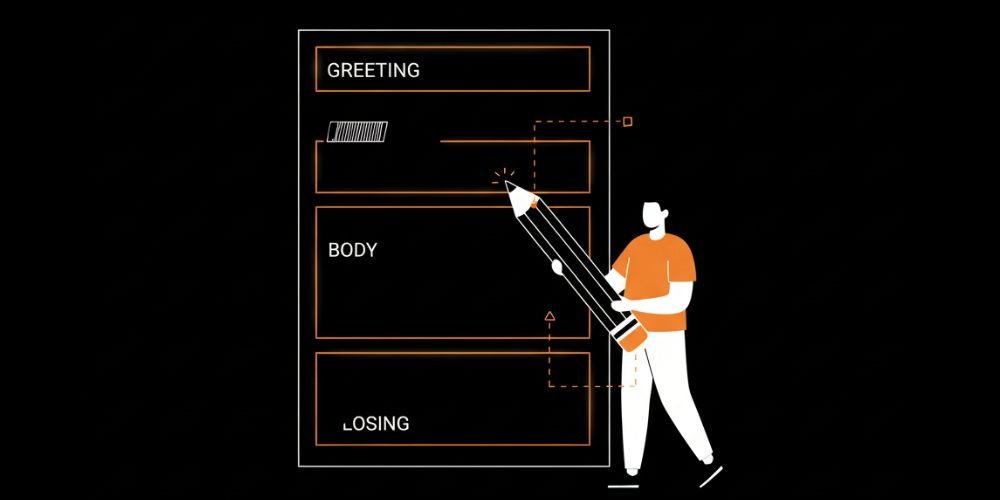
Six sections, in order.
| Section | Purpose | Notes |
|---|---|---|
| Subject line | Set context immediately | "Thank you — [Your Name] / [Role]" stays clean and searchable |
| Greeting | Address the interviewer | Use their name; "Dear" for formal, "Hi" for warmer cultures |
| Thank + specific connection | Show appreciation | Reference one concrete topic from the conversation |
| Reaffirm fit | Link skills to needs | One quantified example or result that reinforces value |
| Next steps / offer help | Keep momentum | Offer additional materials or info if useful |
| Closing | End professionally | "Best regards," + full name and contact info |
An optional postscript can reference a memorable conversation moment — used sparingly.
Tips for Strong Thank-You Emails
Six habits that consistently make these emails land.
Personalise everything
Use the interviewer's name and a specific conversation reference. Generic templates read as generic templates.
Keep it 150–250 words
Long enough for substance, short enough to read in 30 seconds. Beyond 300 words attention drops.
Be genuine, not flattering
"Your company is amazing" is filler. "I was particularly interested in your approach to X — it tracks with the work I did at Y" is specific.
Add what you missed
If a relevant example didn't come up during the interview, mention it briefly. Thoughtful, not desperate.
Proofread
Typos kill credibility. Treat the email with the same care as your resume.
Connect to next steps
Reference timeline expectations or offer to provide additional context. Strong follow-up emails also link cleanly to asking for interview feedback later if things don't work out.
Common Mistakes

Six patterns to avoid.
Waiting more than 48 hours
Late thank-yous read as afterthoughts. Hit the 24-hour window.
Copy-pasting templates
Boilerplate is immediately recognisable. Customise every email.
Over-selling
This isn't another cover letter. Gratitude and brief reinforcement; not pitch.
One email for a panel
Each interviewer deserves their own message with conversation-specific references.
Wrong tone
Avoid "Dear Sir/Madam" (too distant) and "Thx a lot!" (too casual). Match the tone of the company.
Misremembered details
Wrong project name or misstated role responsibility backfires harder than sending nothing. Stay accurate or stay general.
Thank-you emails are an extension of overall interview etiquette — small slips matter.
Template You Can Adapt
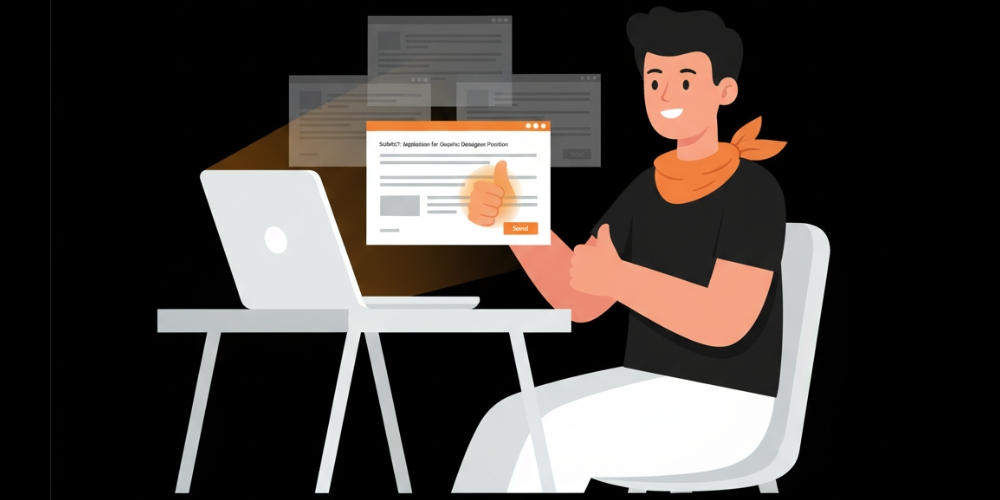
Subject: Thank you — Alex Rivera / Senior Marketing Manager
Dear Ms. Chen,
Thank you for taking the time to meet with me yesterday about the Senior Marketing Manager role. I particularly enjoyed our discussion about the upcoming product launch and the way the team is integrating new digital channels into the campaign.
Our conversation reinforced my excitement about the role. My background in campaign analysis and content strategy should support the engagement-tracking work you mentioned for new markets. I also wanted to briefly add an example I forgot to share: at my previous company, I led a reporting redesign that improved campaign response rates by 18%.
I truly appreciate the opportunity. If it would help, I'm happy to share additional samples or references.
Best regards, Alex Rivera alex.rivera@email.com | +1 555 0123
The structure stays consistent; the specific details change per role and interviewer.
The Bottom Line
A 10-minute thank-you email is one of the highest-leverage investments in any job search. The candidates who consistently send strong personalised thank-yous within 24 hours give themselves a meaningful edge over the much-larger group of candidates who skip it. Make it specific, keep it concise, send it for every interviewer in every round. The compound effect across a job search is substantial.
FAQs
Should I send separate emails to each interviewer?
Yes. Each interviewer deserves a personalised note referencing what you specifically discussed with them. Copy-pasted emails to a panel read as insincere and often get noticed when interviewers compare notes.
How long should the email be?
150–250 words is the sweet spot. Long enough to show real engagement; short enough to read quickly during the decision window.
What if I forgot to send one for a few days?
Better late than never. A thoughtful, slightly-delayed thank-you with a brief acknowledgement of the delay still shows professionalism and effort.
Should I follow up later if I don't hear back?
Yes — a polite check-in 7–10 days after the original thank-you is appropriate if you haven't heard about next steps. Keep it short and don't repeat your resume.
What's the highest-leverage line in the email?
A specific reference to something from the conversation. "I particularly enjoyed our discussion of X" beats every other line in the email because it proves you were engaged and listening — which is what the rest of the email implicitly claims.


