

Post-Interview Thank-You Emails That Win Offers
Thank-you emails that move hiring decisions — timing, structure, hook, templates by company type, mistakes to avoid, and how recruiters read them.
Ployo Team
Ployo Editorial
TL;DR
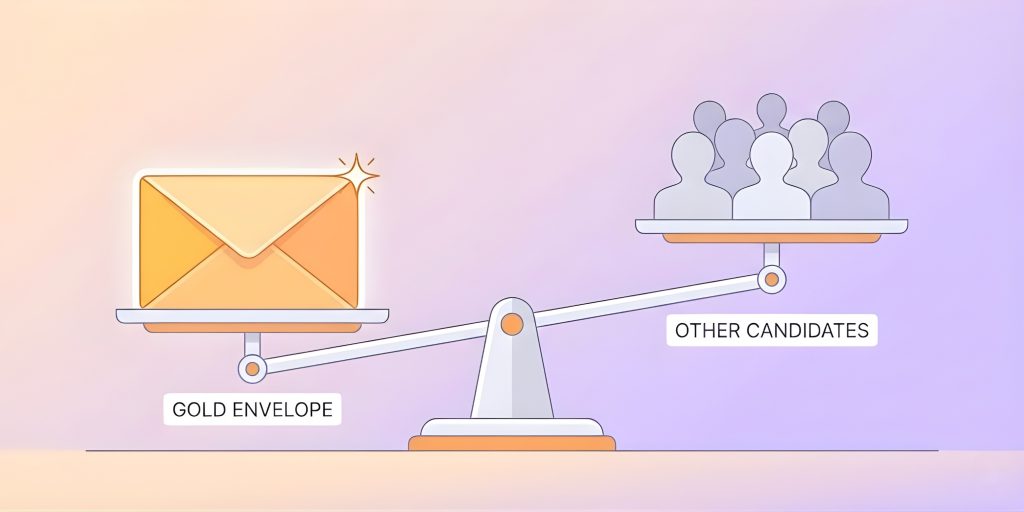
- 57% of candidates skip the thank-you email (CareerBuilder).
- 80% of hiring managers say notes influence their comparisons.
- 27% of hiring managers use them as tie-breaker (Robert Half).
- Best timing: 6–24 hours after the interview.
- Keep it under 200 words with one specific "hook" from the conversation.
The silence after an interview can feel harder than the interview itself. Being qualified isn't enough — being memorable closes offers. The thank-you email is the most underused tool in the candidate's kit, and it consistently moves decisions. This guide breaks down timing, structure, templates, and the mistakes that quietly damage strong applications.
Why Thank-You Emails Still Matter
Two data points worth knowing.
Most candidates skip it
Per CareerBuilder, 57% of candidates don't send thank-you notes — even though 80% of hiring managers say the notes influence their decisions.
They tip close calls
Per Robert Half, 27% of hiring managers use thank-you notes as the tie-breaker between equally qualified candidates.
Skipping the email isn't neutral — it's actively giving away the offer to candidates who send one.
When to Send
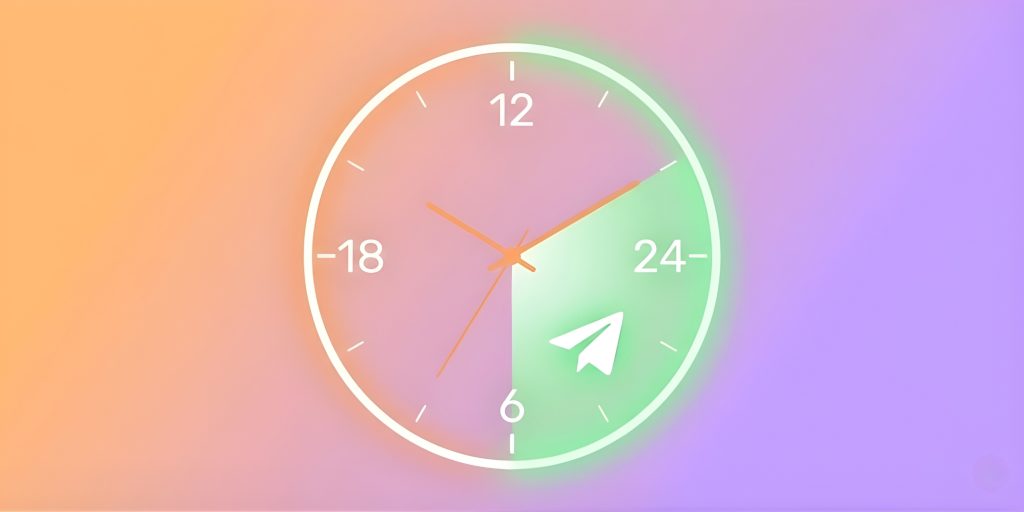
The Goldilocks zone: 6–24 hours after the interview.
Too fast (under 1 hour) reads as templated. Too slow (over 48 hours) reads as disinterested. Friday afternoon interview? Monday morning is acceptable; Saturday morning works in faster-paced industries.
What Makes One Memorable
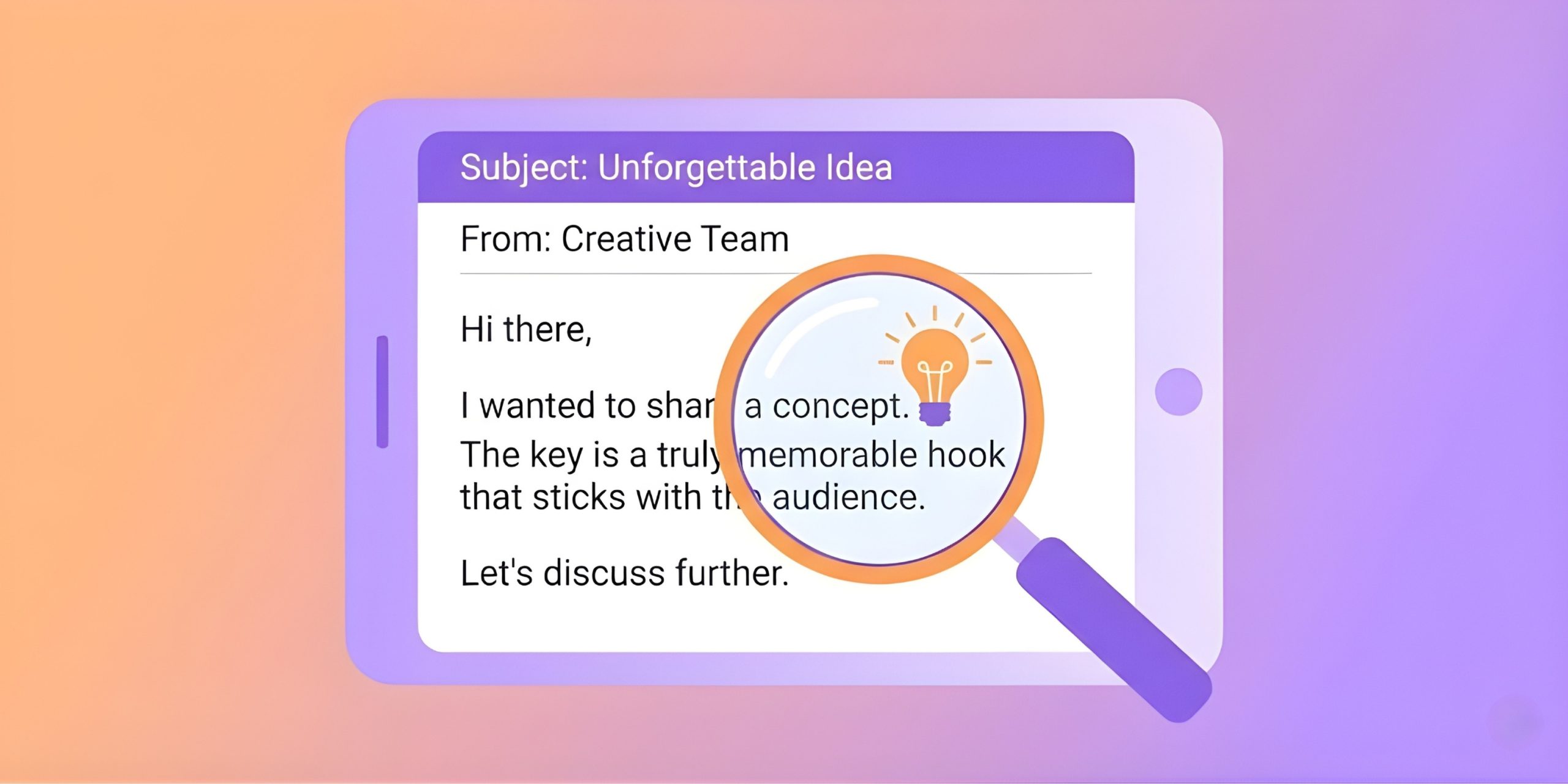
The single most important element: the hook.
A hook is a specific detail from the conversation — a challenge the team faces, a project mentioned, a shared interest discovered. Including it proves engagement and demonstrates you're already thinking about how to contribute.
Strong candidates also use this space to briefly address a question they felt they could have answered better, or attach a relevant work sample that reinforces expertise.
The Five-Pillar Structure
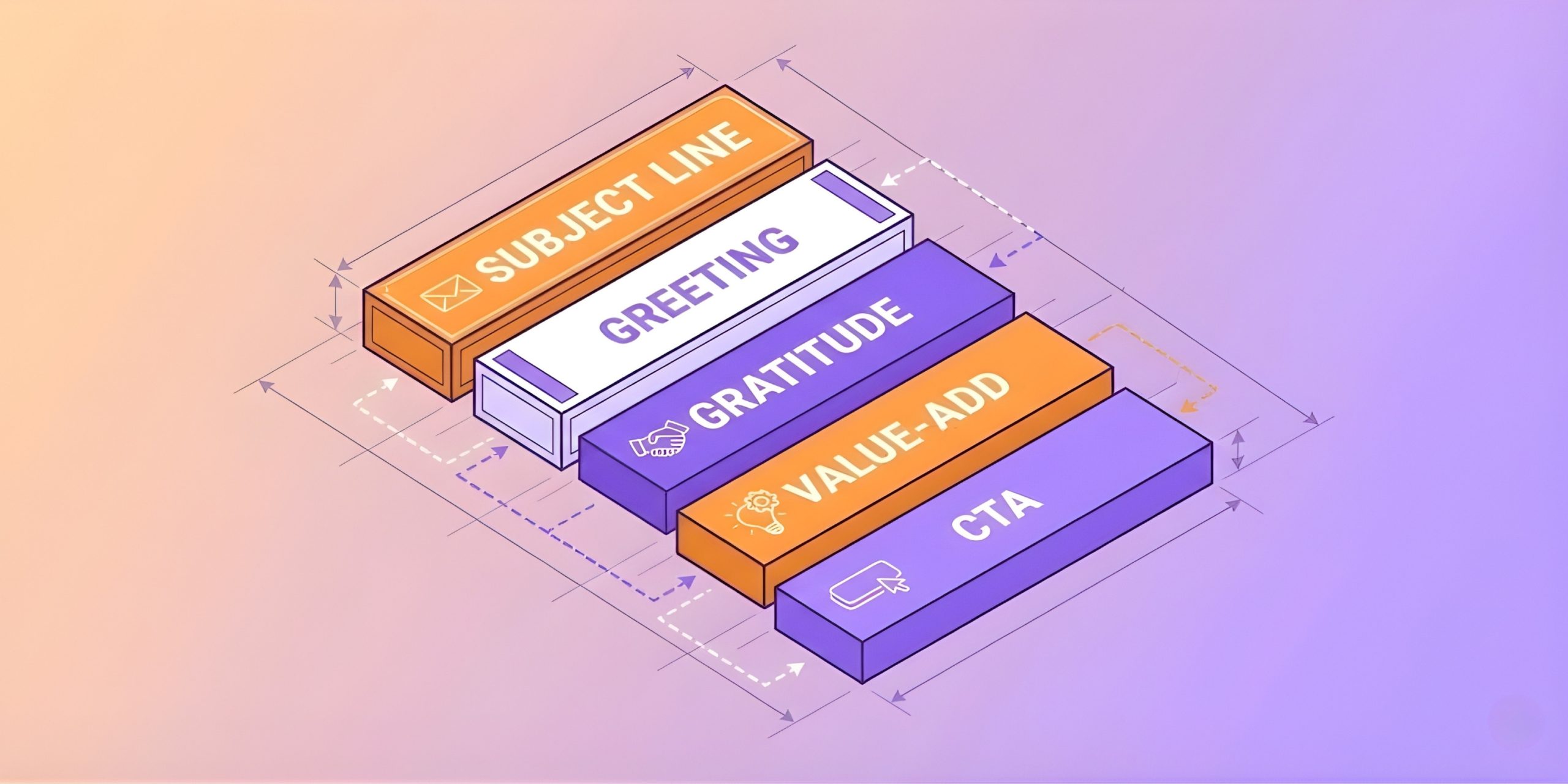
Every effective thank-you follows this shape.
1. Clear subject line
"Thank you – [Your Name] – [Job Title] Candidate" — easy to spot in busy inboxes.
2. Professional greeting
Use the interviewer's name. Keeps it personal, not corporate.
3. Genuine thanks
Open with appreciation for their time and the conversation.
4. Value add
Reference one specific topic + briefly connect it to how your skills help.
5. Clear call to action
Express interest in next steps and openness to follow-up questions.
Templates by Company Type
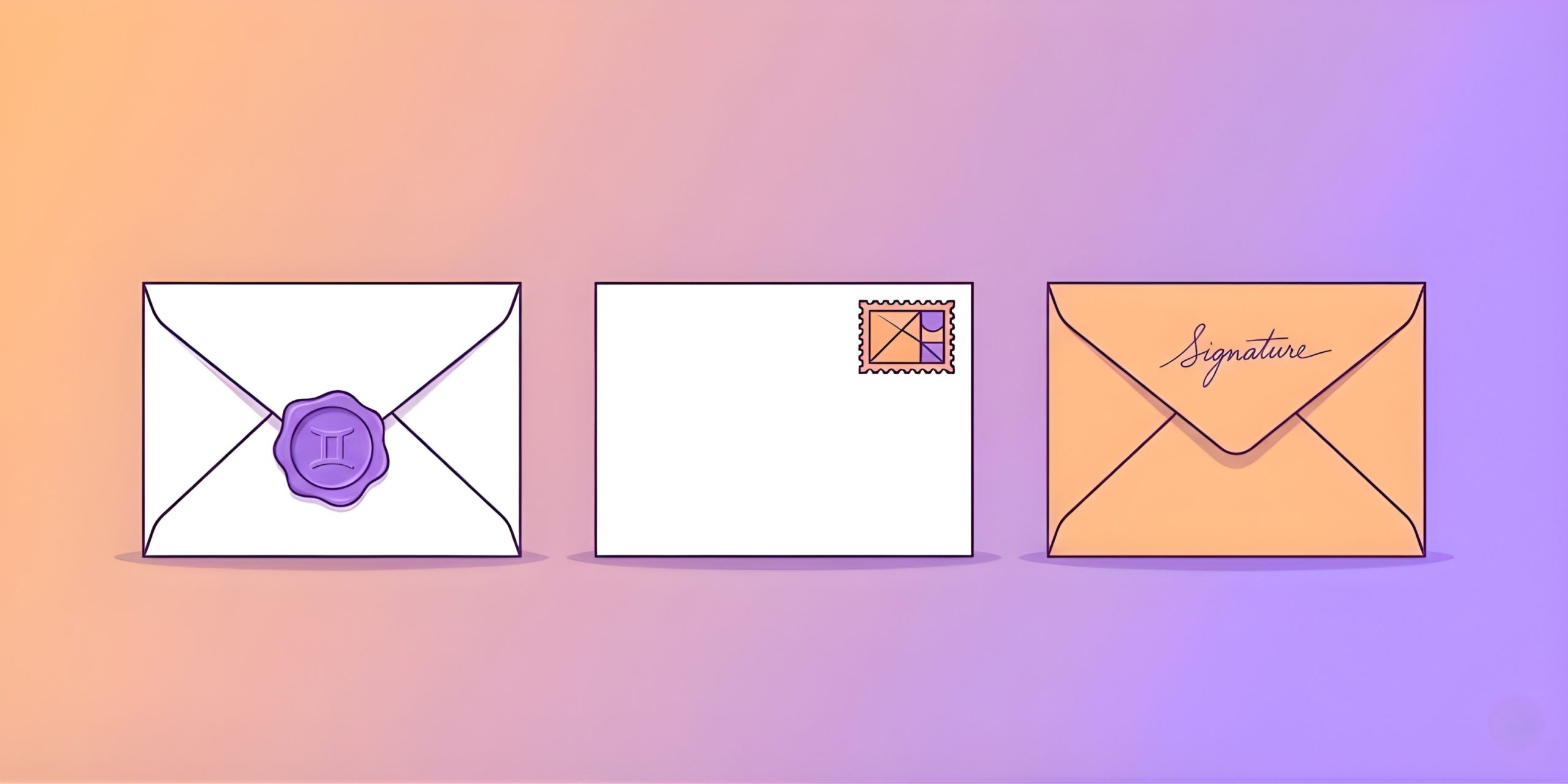
Three variations adaptable to your style.
Classic professional (corporate roles)
Subject: Thank you – [Your Name] – [Job Title] Candidate

Dear [Interviewer Name],

Thank you for taking the time to speak with me today about the [Job Title] position. I enjoyed
learning about the team's goals for the upcoming quarter.

Our discussion about [Specific Project] was particularly interesting. Given my background in
[Your Skill], I'm confident I could help the team achieve [Desired Result].

I look forward to hearing from you on next steps.

Best regards,
[Your Name]
Short and punchy (startup roles)
Hi [Interviewer Name],

Thanks again for the great conversation today. I loved hearing how [Company Name] is
disrupting [Industry].

I'm excited about the possibility of bringing my experience in [Skill] to help you scale
[Specific Goal]. Happy to provide references or portfolio samples if useful.

Cheers,
[Your Name]
Warm and personal (creative or relationship-led roles)
Dear [Interviewer Name],

I really enjoyed our conversation today. The way you described the team's working style and
values stuck with me.

I'd love the chance to bring my strengths in [Skill] to the group and learn alongside you.
Thanks for your time and consideration.

Sincerely,
[Your Name]
Common Mistakes
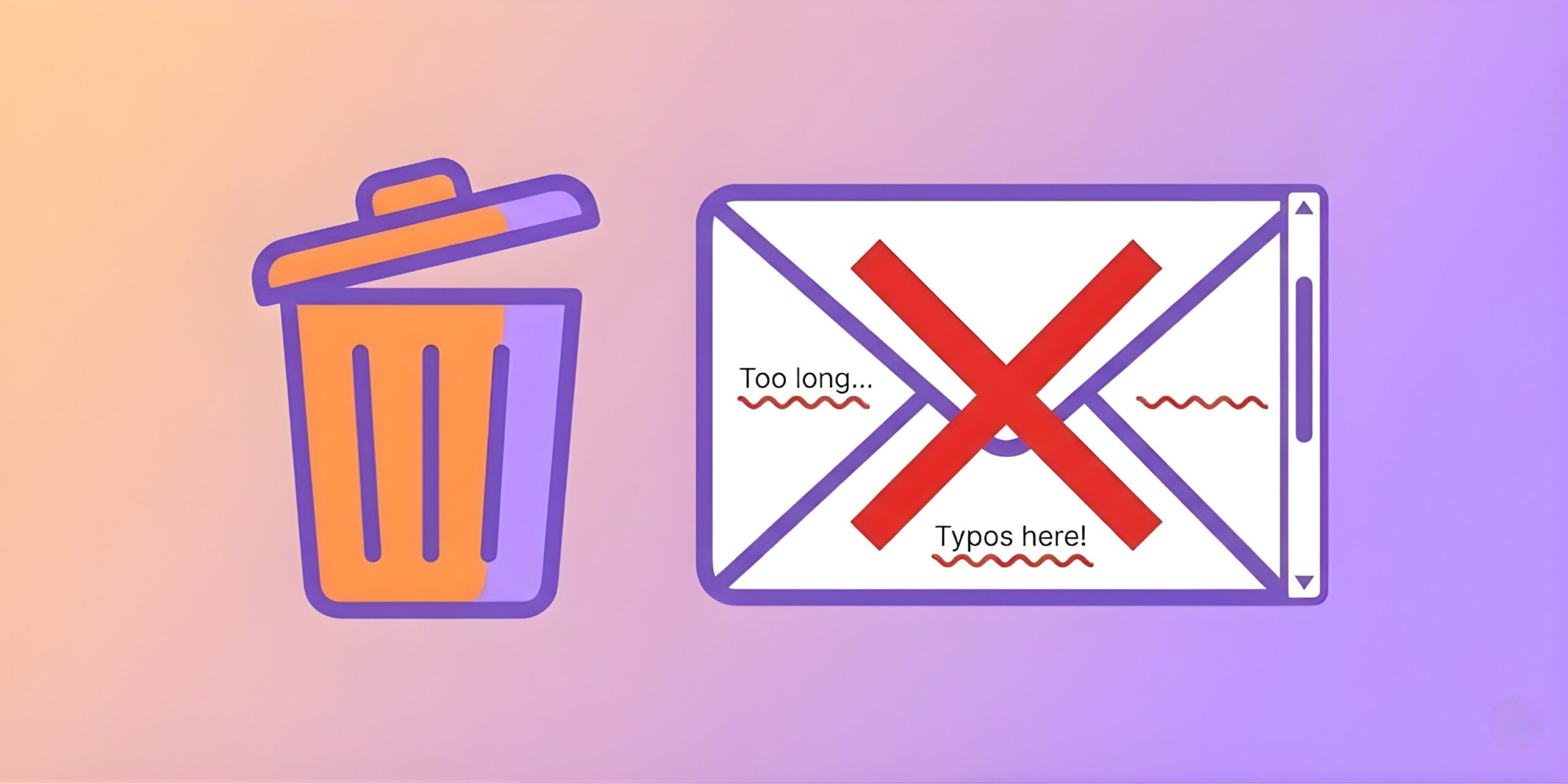
Five mistakes that quietly damage outcomes.
Mass CC
Never send one email to multiple interviewers. Send individual, personalised notes to each.
The novel
Over 200 words = unread. Recruiters want appreciation, not a second cover letter.
Over-persistence
Send the note, then wait. Multiple follow-ups push you from enthusiastic to annoying. After 7–10 days, an email asking for feedback becomes appropriate.
Generic templates
"Thank you for your time" without specifics adds nothing. The hook is what matters.
Typos in subject or body
A misspelled name or "Thnks for the interveiw" undermines professionalism instantly.
How Recruiters Read Them
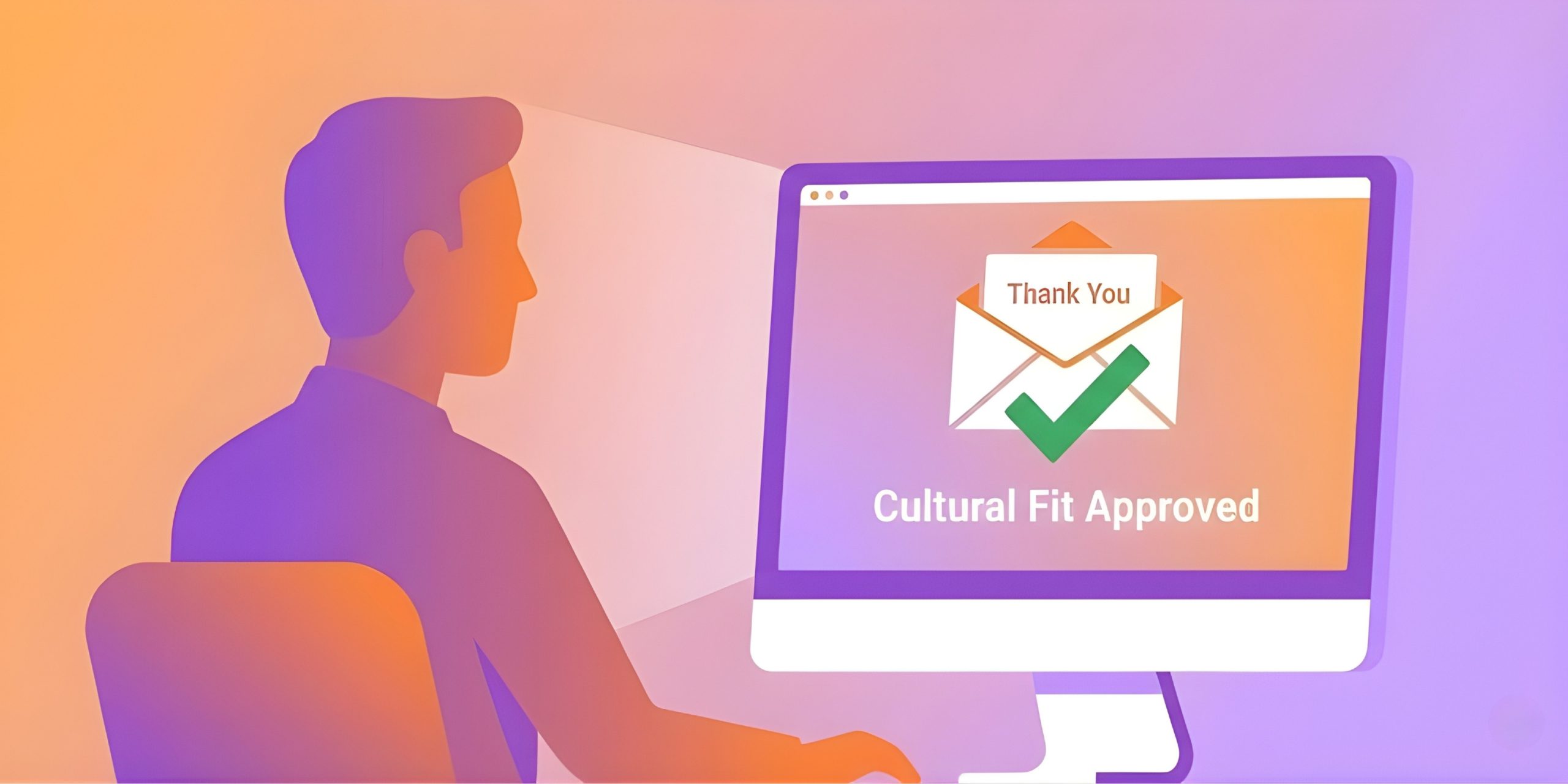
For recruiters, the post-interview thank-you is a follow-through test. Signals professional etiquette and ability to manage business relationships.
In client-facing roles especially, candidates who don't follow up are assumed to skip client follow-up too. Hiring managers also use the email to assess cultural fit and soft skills — they're checking whether you want this specific role or any role.
The Bottom Line
Ten minutes of work decides six-figure hiring decisions. The thank-you email is the highest-ROI activity in your job search — and most candidates skip it. Follow the structure, write a real hook, send within 24 hours, individualise per interviewer. The compound effect across a job search is significant.
FAQs
Can a thank-you email really affect hiring decisions?
Absolutely. 27% of hiring managers use it as the tie-breaker between two equally qualified candidates.
How long should it be?
Two to three short paragraphs. Express gratitude, mention a specific point, restate fit. Under 200 words.
Is email better than LinkedIn?
Generally yes. Email is the formal follow-up channel. LinkedIn is a nice extra but shouldn't replace the proper thank-you note.
Should I follow up if I don't hear back?
Yes — once, after 7–10 days. After that, additional follow-ups hurt more than help.
What's the highest-leverage element?
The hook. A specific, concrete reference to your conversation transforms a generic thank-you into something memorable that closes offers.


