

Using AI to Optimize Job Descriptions: A Recruiter's Playbook
AI accelerates job description writing — drafting, bias removal, keyword optimisation, and compliance — when paired with human review on tone and culture.
Ployo Team
Ployo Editorial

TL;DR
- 49% of job seekers say the application process is too long or complicated (Insight Global).
- Inclusive job language attracts up to 50% more female applicants (Openreach).
- 60% of job seekers search and apply on mobile (Recruiter.com).
- AI handles drafting, structure, and keyword optimisation; humans handle tone and culture.
- Always review AI output for bias, accuracy, and brand voice before publishing.
Job description writing is one of the most time-consuming parts of recruiting and one of the most consequential — bad JDs filter out strong candidates while letting wrong-fit ones through. AI dramatically compresses the writing time, surfaces bias, and applies consistent structure at scale. Used well, it lets recruiters produce better JDs in less time. Used poorly, it produces generic AI-slop posts that hurt brand. This guide walks through the right way.
What Job Description Optimisation Actually Means
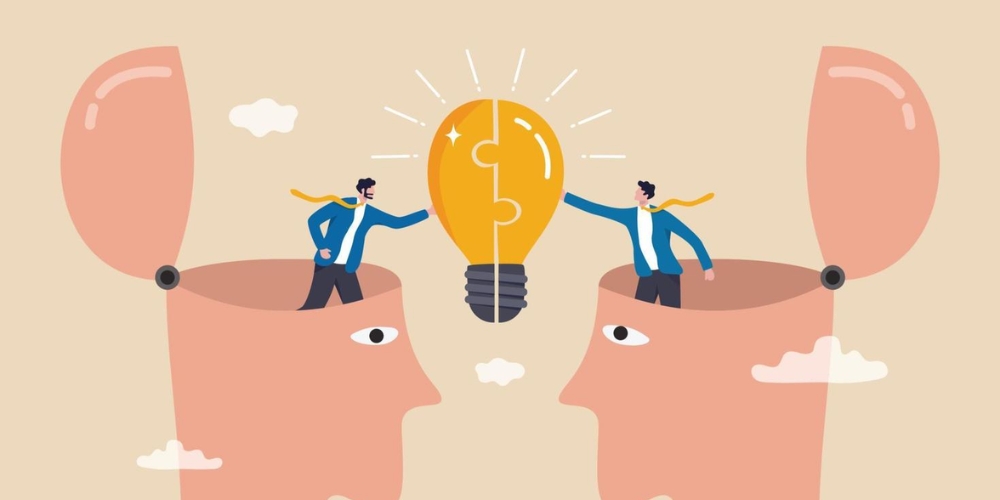
A job description is the first real touchpoint with potential candidates. Optimisation means making it findable, readable, inclusive, and aligned with what your role actually needs. Strong JDs are a discipline, not a one-time write.
Six attributes of an optimised JD:
- Clear, searchable job title (not "Content Superstar")
- Compelling 2–3 sentence summary that hooks
- Bulleted responsibilities for scannability
- Must-have vs nice-to-have qualifications separated
- Inclusive, gender-neutral language throughout
- SEO-aware keyword choices for discoverability
Per Insight Global research, 49% of job seekers find application processes too long or complicated. Cluttered JDs lose attention by the second scroll.
What AI Adds

Five concrete value-adds.
Speed at scale
Drafting goes from hours to minutes per role. For teams hiring across multiple roles simultaneously, the compounded saving is substantial.
Bias detection
DEI-aware AI flags gendered language, age-coded phrasing, and culturally exclusive terms. Openreach research shows inclusive language attracts up to 50% more female applicants — a measurable funnel impact.
Keyword optimisation
AI tools analyse real-time search trends and platform algorithms to suggest keywords. JDs become discoverable in the channels candidates actually use.
Structure consistency
Multiple recruiters writing JDs produce inconsistent quality without tooling. AI templates enforce structure, formatting, and section completeness across the team. This matters most when multiple recruiters are involved in role creation.
Compliance language
Advanced tools auto-insert ADA compliance statements, equal opportunity language, and industry-specific legal disclaimers — reducing one source of human error.
How to Use AI Step-by-Step

Four steps that consistently produce strong output.
1. Start with a structured prompt
Provide the role title, seniority, key responsibilities, must-have skills, and any unique aspects of your culture. Specific prompts produce specific output.
"Draft a job description for a Senior UX Designer with 5+ years' experience at a mid-size B2B SaaS. Focus on accessibility design, qualitative user research, and design systems. Inclusive language; SEO-aware; clear must-have vs nice-to-have separation."
2. Apply built-in best practices
Strong AI tools embed structure automatically — clear headers, scannable bullets, inclusive phrasing, SEO-relevant keywords. Use templates tuned to your industry and region.
3. Enrich with labour market data
Some AI tools integrate live salary data, in-demand skill signals, and competitor JD patterns. Use these inputs to position the role accurately rather than guess.
4. Review for brand and culture
The 80% from AI needs the final 20% of human judgment. Tone, cultural specificity, unique selling points — these still require a human pass. Treat AI as a co-writer, not a publisher.
Common Pitfalls

Four traps that consistently produce weak JDs.
Publishing first drafts unedited
AI's first output is generic by default. Customise, add company-specific detail, sharpen the call-to-action. Generic AI text reads as generic AI text to candidates.
Skipping bias review
AI catches most obvious bias but misses subtler patterns. Always run a human DEI review before publishing — especially for senior or visible roles.
Forgetting the candidate perspective
Strong JDs talk about growth, purpose, and what the candidate gains — not just what the employer needs. AI defaults to employer-centric framing unless prompted otherwise.
Ignoring mobile
Per Recruiter.com data, 60% of job seekers search and apply on phones. Long paragraphs and dense formatting fail on mobile. Short paragraphs, bullets, clean structure.
The Bottom Line
AI dramatically accelerates job description writing while improving bias awareness, keyword optimisation, and structural consistency — but it's a co-writer, not a publisher. Strong recruiters use AI to do the heavy lifting on first drafts, then invest the saved time in tone, cultural specifics, and candidate-perspective framing. The combination produces better JDs in less time. Skipping the human review step produces generic posts that hurt brand. Get the balance right and the funnel improves measurably across every role.
FAQs
Which AI tools work best for JD writing?
ChatGPT, Claude, Gemini, and HR-specific tools like Textio all produce strong drafts. The choice matters less than the discipline of structured prompts and human editing afterwards.
Can AI eliminate bias entirely from JDs?
No — AI catches most obvious patterns but misses subtler bias. Human DEI review is still required for high-quality output.
How long does an AI-drafted JD take to publish?
15–30 minutes including human review for a single role, vs 60–90 minutes from scratch. Multi-role hiring compounds the savings significantly.
What's the worst mistake when using AI for JDs?
Publishing unedited first drafts. AI defaults to generic, employer-centric, slightly bland output. The 5-minute edit transforms it into something candidates actually engage with.
What's the highest-leverage use of AI for JDs?
Bias review on existing JDs across your company. Running every active JD through a DEI-aware AI tool typically surfaces meaningful improvements — especially in long-tenured job descriptions that haven't been audited recently.
Keep reading

Writing Job Descriptions for Startups: Templates and Common Mistakes

