

How to Research a Company Before an Interview (And Win the Role)
Researching a company before an interview is the difference between a generic answer and a winning one — six concrete moves that consistently impress.
Ployo Team
Ployo Editorial

TL;DR
- Treat the job description as a roadmap, not a checklist — repeated phrases tell you what the company values most.
- The careers page, mission statement, and recent press are the fastest source of useful context.
- Glassdoor, Indeed, and LinkedIn employee profiles reveal what it actually feels like to work there.
- Spend 20 minutes mapping the industry and one or two competitors — this is what separates strong candidates from generic ones.
- Social channels show tone, recent priorities, and where the team's attention has been pointing.
Walking into an interview without researching the company is the most common avoidable mistake candidates make. A generic answer to "why this company?" or a blank expression when the interviewer mentions a recent product launch is enough to lose an offer that was otherwise in reach. As Gartner's recruiting team puts it, the candidate who has done their homework is visibly different from the one who has not — and hiring managers spot the difference in the first five minutes.
The good news: useful research takes 60 to 90 minutes, not an evening. Six moves cover most of the ground.
1. Decode the Job Description for Hidden Signals
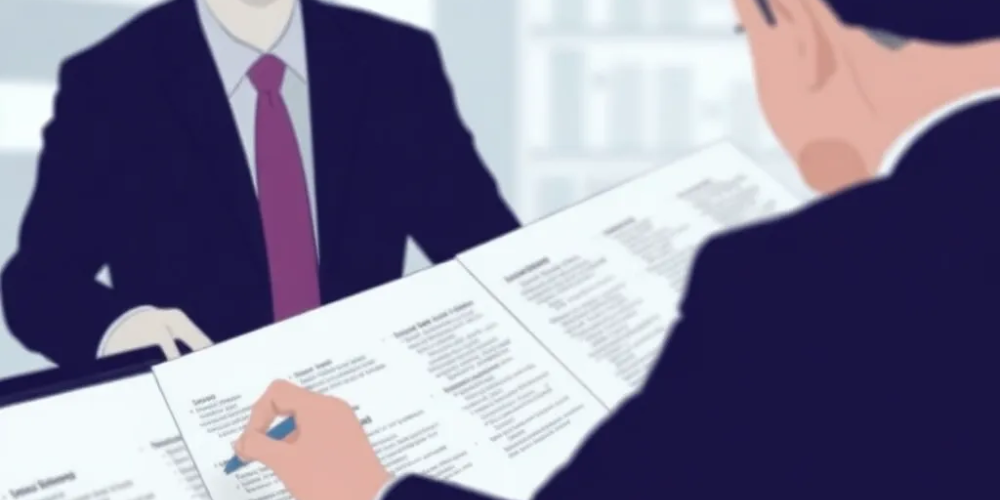
Start with the job description, but read it like a literary text rather than a task list. The phrases that repeat across the responsibilities and the qualifications tell you what the company actually optimises for. If "collaboration" appears in four different bullets, expect cross-functional teamwork to be a central interview theme. If "self-directed" or "autonomous" shows up, the role probably has light managerial oversight and the interviewer will probe for how you manage your own pipeline.
Mark every requirement against a concrete example from your own experience. That cross-reference is the prep material for half the interview. If you also want a deeper sense of how to read a JD strategically, our tactical guide to effective job descriptions explains the patterns from the writer's side.
2. Read the Company Site Like a New Customer Would
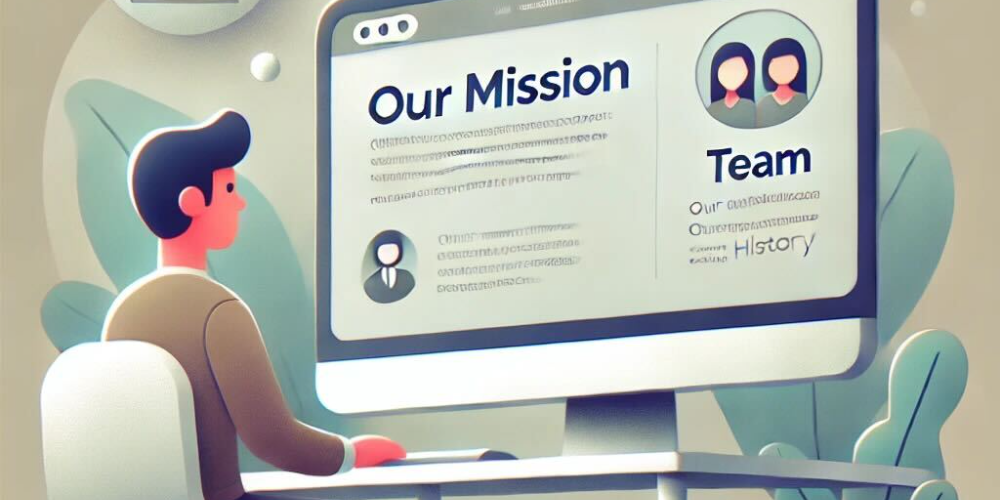
The website tells you four things quickly: what the company does, who it sells to, what it claims to value, and what it has shipped recently. Read the About page, the product or services page, and the most recent two or three blog posts or press releases. Skim — you are looking for tone, recent priorities, and the language the company uses to describe its own work.
Two prompts to keep in mind while you read: How does the company describe its mission in its own words? What has it announced in the last three months that an internal employee would mention naturally? Use that vocabulary in your interview answers. Echoing the company's own framing back at them is one of the strongest soft signals of preparation.
3. Triangulate Culture Through Employee Voice

The careers page and "Life at" content tell you the company's intended culture. Glassdoor and Indeed reviews tell you what employees actually experience. Read both, and look for patterns rather than individual stories. A single negative review is noise; the same complaint surfacing in twelve reviews is signal.
LinkedIn profiles of people in similar roles to the one you are interviewing for are also underused. Look at where they came from, how long they have stayed, and what their content suggests they care about. Three patterns there usually tell you more about the team than the careers page does.
4. Map the Industry and One or Two Competitors
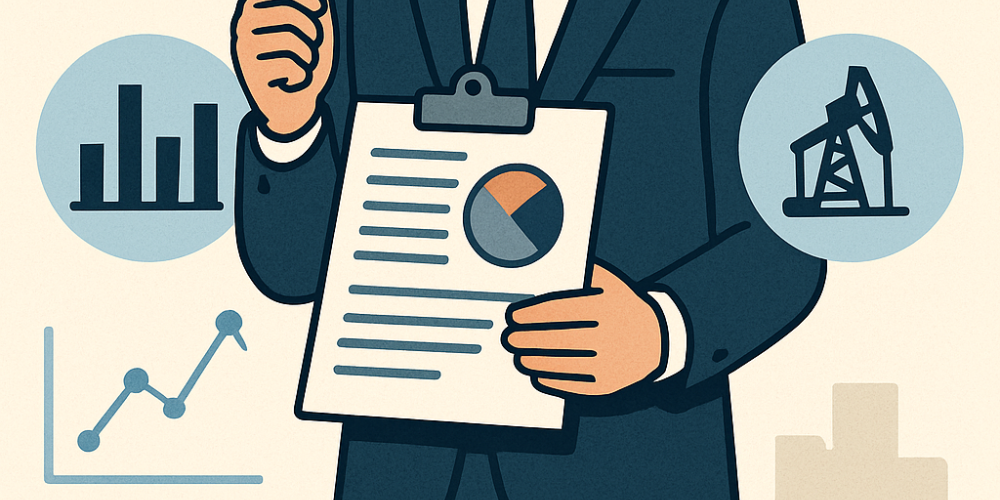
Where does the company sit in its industry? Are they a category leader, a fast-growing challenger, an established incumbent with new pressure? Identifying their competitive position takes a focused 20 minutes and pays back enormously. The interview question that always lands well is "I noticed Competitor X is doing Y; how does your approach differ?" — and you cannot ask it without the prep.
Pick one or two competitors and skim what they are talking about publicly. You are not aiming to become a market analyst. You are aiming to demonstrate, in a single sentence or question, that you understand the landscape your interviewer lives in every day. That alone is rare enough to separate you from most candidates.
5. Read the Company's Social Channels for Voice and Recent Focus

LinkedIn, X, and (for some companies) Instagram show what the marketing team has been highlighting and what the founder or CEO has been thinking about. Note three things while you scroll:
- The tone — formal, casual, technical, playful. Adjust your interview register to roughly match.
- The recent priorities. A product launch in the last month is something the interviewer is probably proud of and will gladly talk about.
- The pattern of what they celebrate publicly. New hires? Customer wins? Engineering blog posts? That is what the company is most identified with internally.
Tracy Brower's research on interview preparation in Forbes makes the case that this kind of social-channel context lifts answer quality measurably — because your responses suddenly feel like they were written for this company rather than recycled from the last interview.
6. Prepare Your Own Questions to Ask Back
The most prepared candidate brings five questions to the interview, asks two or three, and lets the conversation pick which ones land naturally. Your questions are evidence of how you think — they are graded just like your answers are.
A few questions that consistently land well:
- "What does success in this role look like at the 90-day mark?"
- "What is the team working on in the next quarter that the public job description doesn't mention?"
- "What kinds of decisions has the person in this seat owned in the past, and what kinds went up to leadership?"
For tougher signals about whether a team is actually a good place to work, our list of questions that reveal toxic workplaces is worth reading the night before.
The Bottom Line
Interview preparation is not about memorising the company's About page — it is about showing up with enough context to have a real conversation. The job description, the company site, employee voice, the competitive landscape, social channels, and a small set of prepared questions cover most of what matters. Ninety minutes of focused research, done the night before, is what separates the candidate who lands the role from the candidate who almost did.
FAQs
How long should I spend researching a company before an interview?
For most roles, 60-90 minutes is the sweet spot. Long enough to absorb the JD, company site, employee reviews, competitive position, and a few prepared questions; short enough that you arrive fresh rather than over-prepared.
What is the single most-cited source recruiters look for in candidate research?
Recent context — a product launch, an announcement, a new hire, a customer win. Referencing something the company has done in the last 30 days is the easiest way to demonstrate genuine preparation.
Should I read negative reviews on Glassdoor?
Yes, but read for patterns rather than outliers. A single bitter review tells you nothing; the same complaint surfacing repeatedly is a signal you should weigh.
Do I actually need to know about competitors?
You do not need to be a market analyst, but identifying one or two competitors and one specific difference between them and the hiring company is consistently a winning move. It takes 20 minutes and lifts almost every interview answer.
What if the company is small or has a thin online footprint?
Search the founders by name, read any podcast appearances or interviews they have given, and look at the LinkedIn profiles of three current employees. For early-stage companies that is often a richer source than the company website itself.
Keep reading


