

How to Prepare for a Panel Interview Without Getting Overwhelmed
Panel interviews are intimidating but predictable — research the panel, map your stories, practise variety, and stay calm with a structured follow-up.
Ployo Team
Ployo Editorial
TL;DR
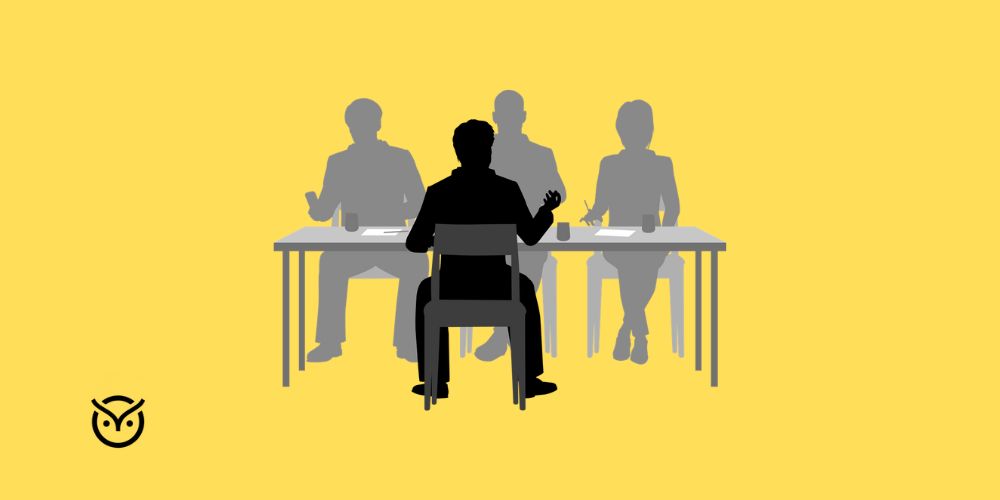
- A panel interview puts you in front of 2-5 interviewers at once, often from different functions.
- About a third of organisations now use panel interviews because they get multiple perspectives in a single session.
- Preparation pays back disproportionately — research the panel, map skills to the JD, prepare for variety.
- Calm comes from technique: structured greetings, balanced eye contact, deliberate pauses, prepared notes.
- A specific thank-you note within 24 hours is a small move that consistently lifts outcomes.
A panel interview is the format candidates dread most. Multiple voices, multiple styles, less time to build rapport, and the feeling of being judged from every direction. The good news is that panel interviews are highly predictable once you know what to expect — and a structured preparation pass turns them from intimidating into manageable. This guide walks through what a panel interview actually is, why the format feels overwhelming, the step-by-step prep that works, and how to handle the aftermath.
What a Panel Interview Actually Is
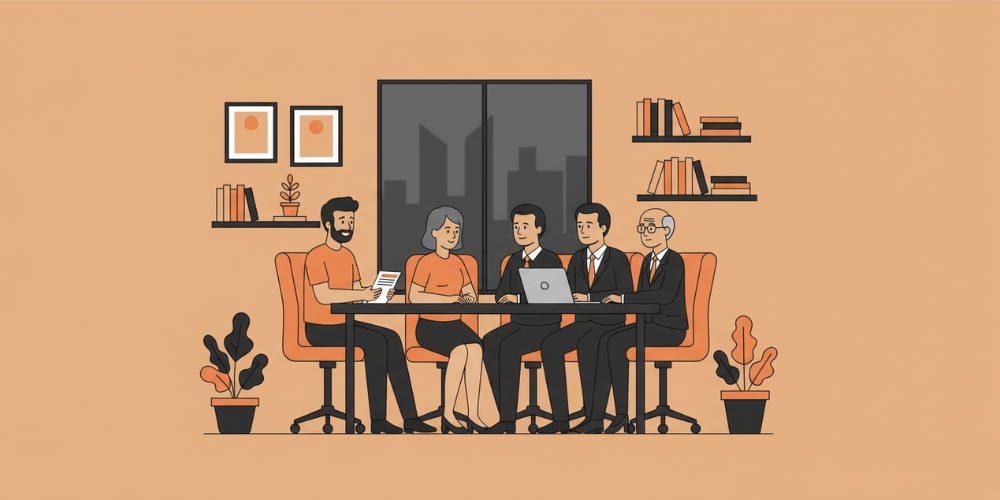
A panel interview is a single interview session where two or more interviewers meet with the candidate simultaneously. Sometimes that means a recruiter plus the hiring manager. Sometimes it is the full team plus a senior leader. Common configurations include HR, the direct manager, a future teammate, and (for senior roles) a department head or executive.
The format has become mainstream. Zirtual's interview research reports that around 34% of organisations now use panel interviews as part of the evaluation process — primarily because they collect multiple viewpoints in a single session rather than scheduling several rounds.
The terminology is straightforward: "panel interview" and "interview panel" refer to the same thing — a group of interviewers meeting with one candidate. Some companies call it a "round-table interview"; same format.
Why Panel Interviews Feel Overwhelming
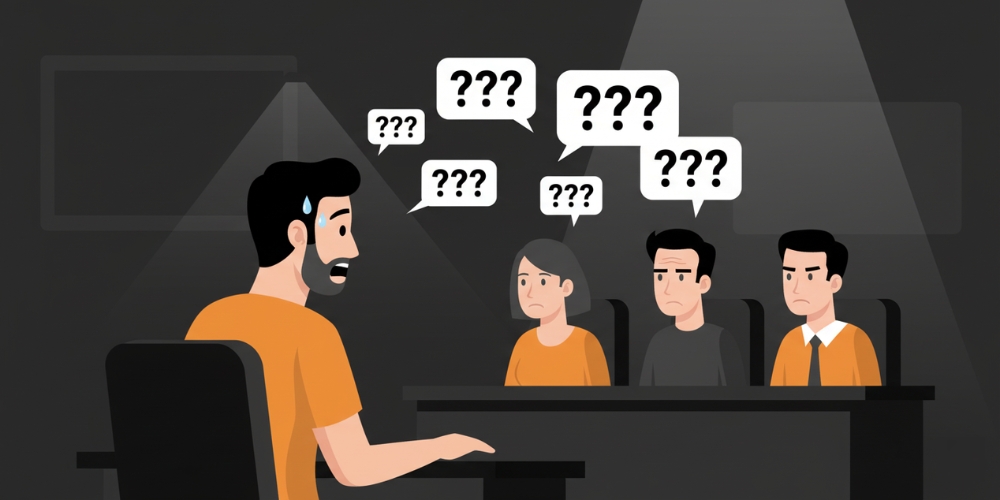
Several specific dynamics make the format harder than one-on-ones.
Multiple voices, multiple styles
Each interviewer asks different kinds of questions and follows different patterns. The candidate has to switch register quickly — technical depth for one, behavioural storytelling for another.
Harder to read room signals
You cannot anchor on one person's reactions. The risk is either ignoring someone unintentionally or feeling pulled in multiple directions.
More breadth covered in one session
Technical, behavioural, situational, and culture-fit questions may all appear back-to-back. Weakness in any one area becomes visible quickly.
Less time to build rapport
You have to connect with multiple people in a short window. Strong rapport with one interviewer does not automatically transfer to another.
Heightened stakes feel
More eyes watching means small mistakes feel louder. Stumbling on a question feels worse when three people are watching.
Practical worries
Logistics — handling questions from multiple directions, knowing what to bring, and structuring follow-up — add their own cognitive load.
How to Prepare for a Panel Interview, Step by Step
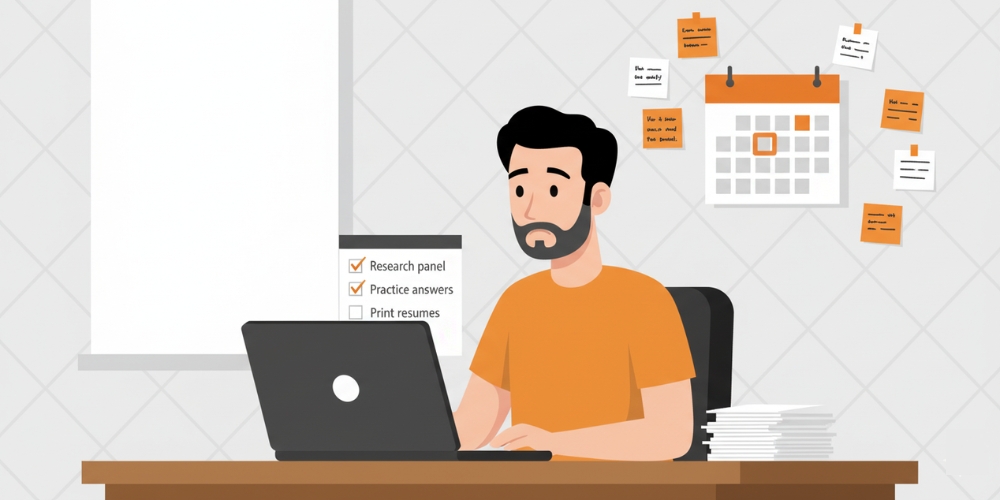
The format is predictable, which means it is preparable. Six steps that consistently land.
1. Research the panel
Ask the recruiter who will be in the room. Look each person up on LinkedIn and the company website. Knowing their roles lets you tailor answers — a finance leader cares about metrics, an HR partner cares about teamwork, an engineering lead cares about depth of execution. Pair this with our broader job interview preparation framework.
2. Re-read the job description with surgical focus
Identify the four or five core requirements. Map each one to a real story from your experience. Three or four of these stories will carry most of your interview.
3. Practise for variety
Panel sessions cover technical, behavioural, situational, and culture-fit questions in a single window. Prepare for each type:
- Technical: walk through a real project you owned.
- Behavioural: "tell me about a time you handled conflict" — use STAR.
- Situational: "how would you approach X?" — explain your reasoning, not just your conclusion.
- Culture-fit: connect your working style to what the company actually emphasises.
4. Bring your materials prepared
Multiple printed copies of your resume. A notebook. Pen. Even if the panel has your information, having copies signals preparation — a small but visible part of strong interview etiquette.
5. Prepare your own questions
Have three to five questions ready. Ask one or two during the panel; let the rest emerge naturally. Strong question: "How does this role connect with the work each of you owns?" — it invites multiple perspectives and signals that you noticed who is in the room.
6. Run a mock panel
Sit with two or three friends and have them fire questions at you in rotation. This is the prep move most candidates skip and the one that pays back the most. The mental switch between voices is real; practising it in advance removes most of the day-one stress.
How to Stay Calm During the Interview Itself
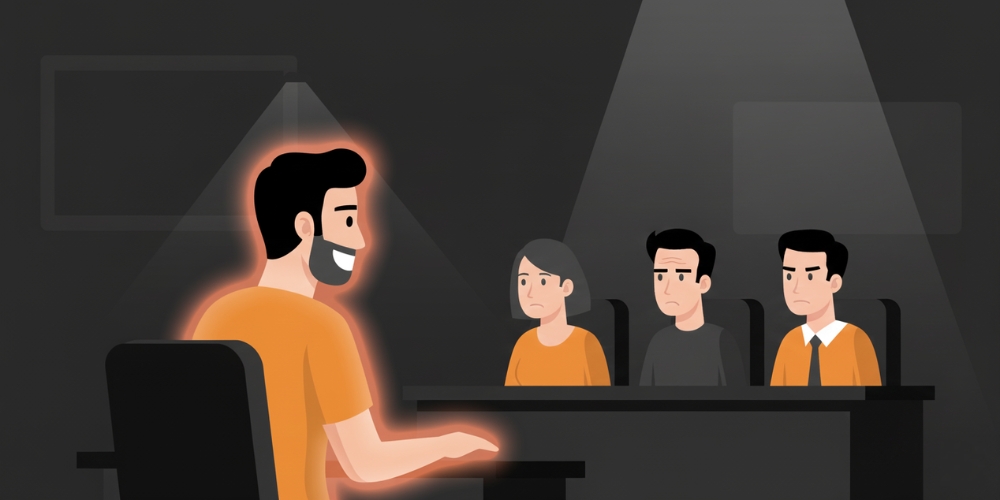
Six techniques that work in the moment.
Start with confident greetings
Greet each panelist individually, ideally by name. A handshake or warm hello at the start sets a tone of respect that lasts through the conversation.
Balance your eye contact
Speak primarily to whoever asked the question, but glance around the panel as you build the answer. Bringing everyone into the conversation is one of the most leader-coded behaviours you can show.
Pause before answering
A two-second pause before responding makes you sound thoughtful, not slow. Rushed answers are the most common interview failure mode.
Use notes intentionally
A short note card with reminder bullets for your strongest stories is fine — but use it as anchor, not script. Reading from notes is worse than blanking momentarily.
Watch your body language
Sit upright, gesture naturally, keep an open posture. The panel reads non-verbals as much as words; confident posture quietly carries the conversation.
Reframe the mental model
The panel is not three judges. It is three people considering whether they want to work with you. The reframe changes how the conversation feels in real time.
What to Do After a Panel Interview
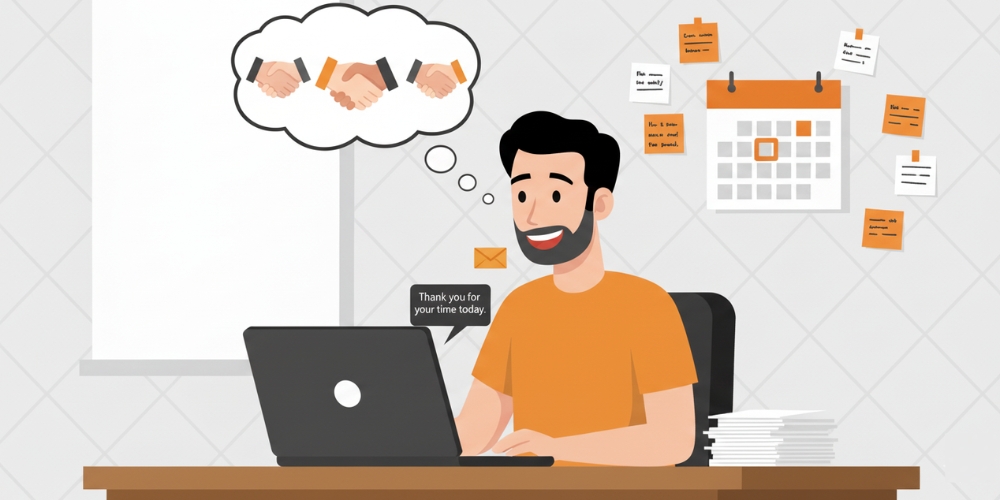
The interview is not over when you leave the room. Four follow-up moves.
Send a thank-you note within 24 hours
Address each panelist by name if you have it; otherwise, send one polished note to the lead recruiter referencing specific moments from the conversation. Same-day thank-you notes consistently lift outcomes more than candidates expect.
Reflect honestly
Write down what felt strong, what wandered, and how you would answer differently next time. Patterns surface across multiple interviews — capture them while they are fresh.
Stay patient on the timeline
Panel decisions take longer than one-on-one decisions because more people have to align. Give the team at least a week before a polite follow-up.
Keep applying elsewhere
Even if you felt the panel went well, do not pause your search. Momentum compounds; pauses are expensive.
The Bottom Line
Panel interviews feel like a high-stakes ambush and are actually one of the most predictable interview formats. Research the panel, map your strongest stories to the JD, practise variety, run a mock panel, and treat the interview itself as a conversation rather than a performance. The candidates who prepare deliberately consistently land panel interviews; the ones who walk in cold consistently regret it. The format itself is not the obstacle — preparation is what changes the outcome.
FAQs
How many people are usually in a panel interview?
Most panel interviews involve 2-4 interviewers. Senior or executive roles may include 5-7. Anything larger is usually called a "board interview" and warrants slightly different preparation.
Do I need to shake hands with everyone on the panel?
If the cultural context supports it, yes. A polite, individual greeting to each panelist sets a tone of respect that lasts through the rest of the session.
How do I avoid ignoring panelists during my answer?
Speak primarily to the person who asked, but glance around the panel as you build the answer. Bringing others in with eye contact and small gestures is one of the most leader-coded behaviours you can demonstrate.
Is a panel interview structurally harder than a one-on-one?
It feels harder because of the number of people, but it has a real upside — you only have to impress once to convince multiple decision-makers. The format compresses what would otherwise be three separate rounds.
What is the single most underused preparation step?
A mock panel with two or three friends firing questions at you in rotation. The mental switch between voices is the hardest part of the format — practising it in advance removes most of the day-one stress.
Keep reading


