

Job Interview Prep: A Complete Step-by-Step Method
Prepare thoroughly for any interview — company research, format-specific tactics, common-question prep, outfit choice, logistics, and follow-up.
Ployo Team
Ployo Editorial
TL;DR
- 93% of hiring professionals say candidate experience and communication heavily influence decisions (Live Recruiter).
- 82% of employers use virtual interviews at some stage (Indeed).
- 37% of bosses consider how a candidate dresses before hiring (Head Resourcing).
- Use STAR (Situation, Task, Action, Result) for behavioural questions.
- Send a personalised thank-you email within 24 hours of every interview.
Strong interview performance is the result of structured preparation, not innate talent. Research the company, understand the format, practise the common questions out loud, plan your outfit, confirm logistics, and follow up afterward — done deliberately, this sequence consistently improves outcomes. This guide walks through each step in order.
Why Preparation Matters

First impressions in interviews are formed fast and weigh heavily. Live Recruiter's research shows 93% of hiring professionals say candidate experience and communication skills heavily influence decisions — meaning even a strong resume can be undone by a poorly prepared interview.
Good prep signals more than competence. It signals investment, attention to detail, and forward-thinking — exactly the traits hiring managers screen for. The compound effect is significant: prepared candidates show up clearer, more confident, and more memorable than unprepared ones.
Research the Role and Company
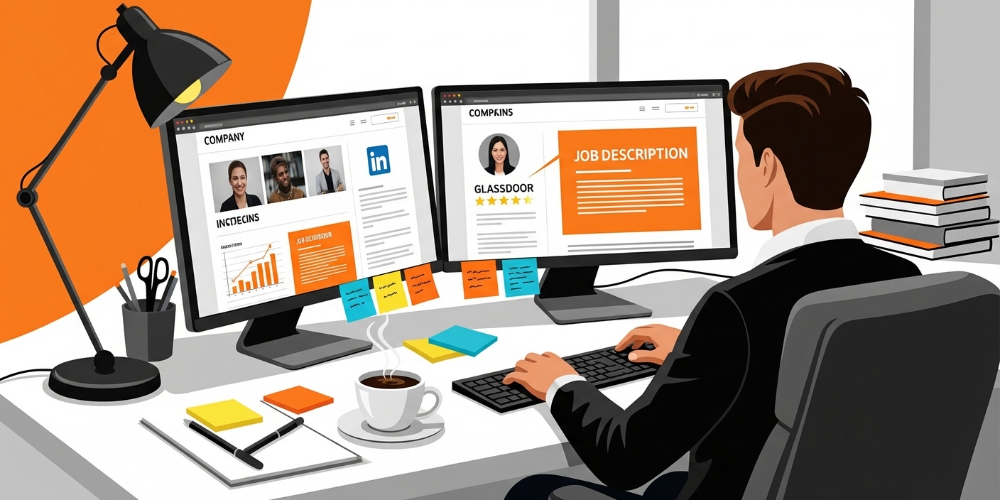
Five sources worth checking before any interview.
The job description
Highlight required skills, key responsibilities, and qualifications. For each line, write one sentence about how your experience maps to it.
The company website
Mission, core values, leadership team, recent news or product launches.
Social media
Tone, culture, and employee engagement signals — LinkedIn, Instagram, and Twitter all reveal different facets.
Glassdoor and similar platforms
Real employee perspectives, interview formats, and sample questions from past candidates.
Industry context
Competitors, trends, and broader market dynamics. Lets you answer "why this company" with substance rather than generic praise.
Take notes. Weave specific facts into your answers naturally — "I saw your recent launch of X and was particularly interested in Y" beats generic enthusiasm every time.
Understand the Interview Format
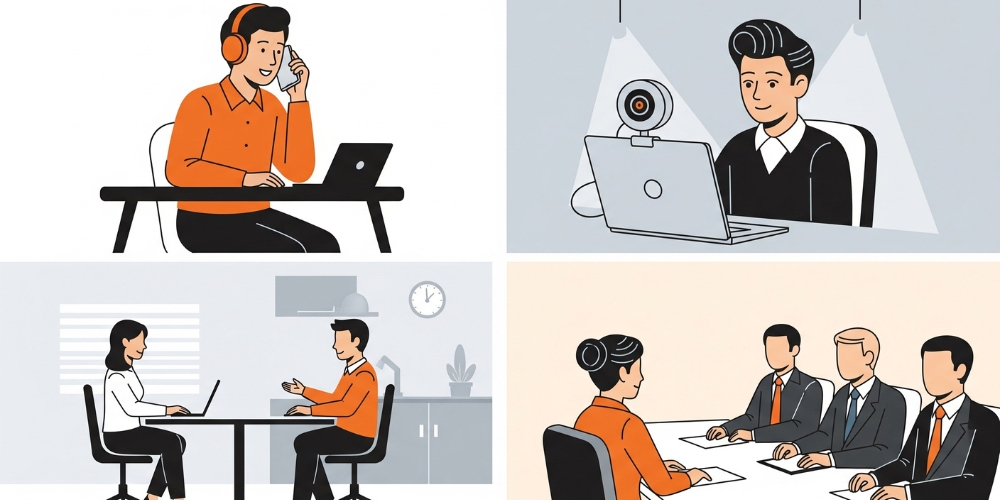
Different formats reward different prep.
Phone interviews
Typically initial screens. Focus on vocal clarity, tone, and pacing. Notes are fine since no one sees you.
Virtual interviews
Per Indeed, 82% of employers use virtual interviews at some stage. Test your tech in advance, use a clean professional background, and make eye contact through the camera (not at your own image).
Panel interviews
Common for managerial roles. Address each panelist by name, distribute attention, and remember positions for thank-you notes afterward.
Behavioural interviews
Use STAR (Situation, Task, Action, Result) to structure answers. Quantified outcomes outperform vague claims significantly.
AI in the loop
Many recruiters now use AI for candidate matching before live interviews. Resume keywords matter; so does verbal clarity in async video interviews where AI may score communication.
Knowing the format prevents last-minute scrambling and lets you tailor preparation precisely.
Practise Common Questions
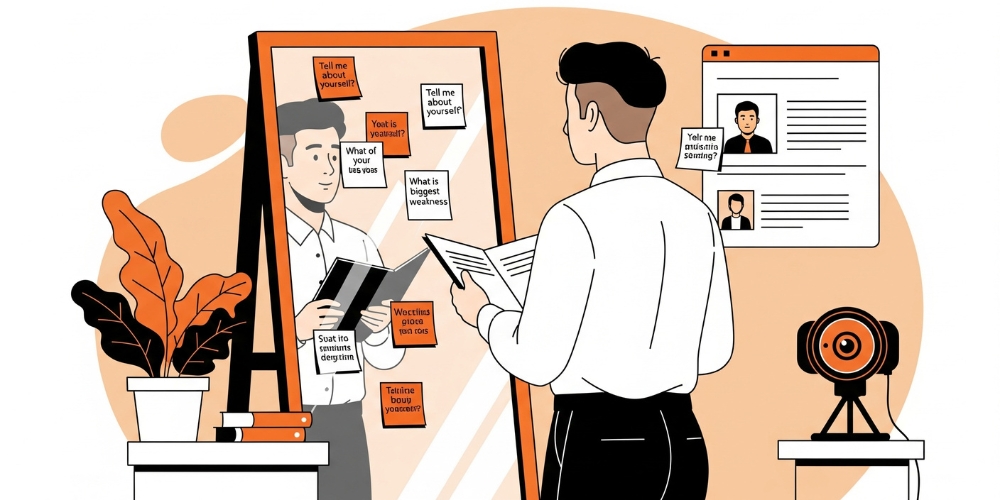
Six questions worth rehearsing out loud.
| Question | What it tests |
|---|---|
| "Tell me about yourself" | Concise narrative, role relevance |
| "Why this company?" | Research depth and genuine interest |
| "Greatest strengths and weaknesses?" | Self-awareness and growth orientation |
| "Tell me about a challenge you faced" | STAR-structured problem-solving |
| "Where do you see yourself in 5 years?" | Career direction and fit |
| "Do you have any questions for us?" | Engagement and preparation |
Record yourself answering these. Listen back. The gaps and weak phrasings become obvious immediately.
For final-round interviews, expect more strategic questions: "How would you improve our onboarding process?" or "What would your first 30 days look like?" These reward research depth and forward thinking.
Prepare Your Own Questions
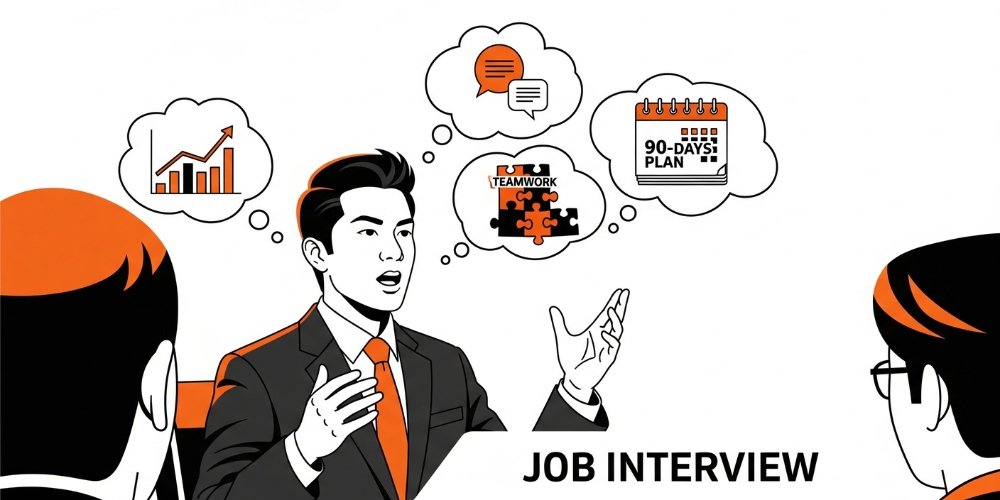
Strong candidates always have 3–5 thoughtful questions ready. Examples that consistently land well:
- "How does the company support growth and development for this role?"
- "What would success look like in the first 90 days?"
- "How does the team approach feedback and performance reviews?"
- "What challenges is the team currently facing?"
Avoid questions answerable by a quick Google search ("What does your company do?"). Show that you've researched and want to go deeper.
Asking about next steps is encouraged — it signals confidence and helps you plan for subsequent stages.
Plan Your Outfit
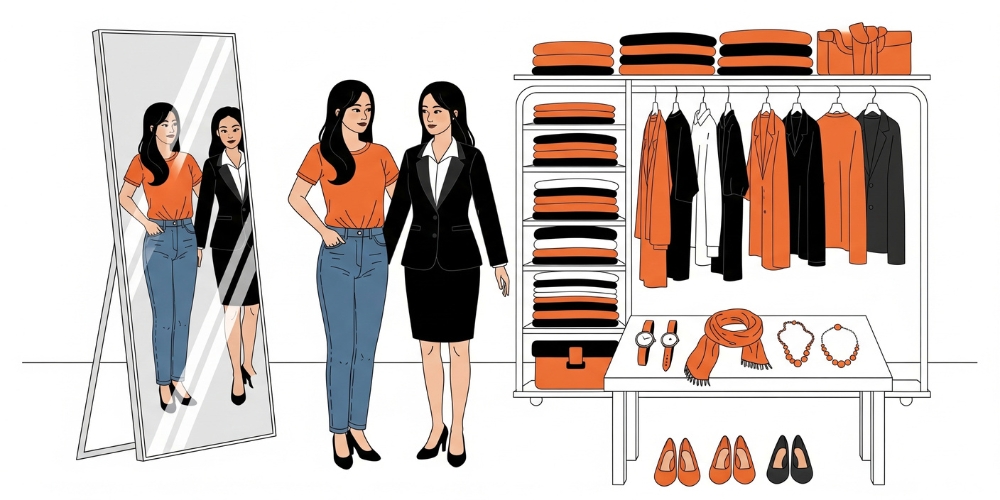
Head Resourcing data shows 37% of hiring managers consider dress before hiring. Match the company's culture, but err one step more formal.
Four rules.
Research the dress code
Tech startups skew casual; law firms don't. LinkedIn photos and careers pages reveal the style.
Dress one notch above the daily norm
If their team is business casual, wear smart business. If business casual is their formal end, aim for that.
Stick to neutrals and solids
Avoid flashy patterns that distract on camera or in person.
Grooming counts
Clean nails, tidy hair, wrinkle-free clothes — small signals of attention to detail.
For virtual interviews, full-outfit dress still helps psychologically — including the part below camera. Background and lighting also matter; treat them as part of the outfit.
Get the Logistics Right
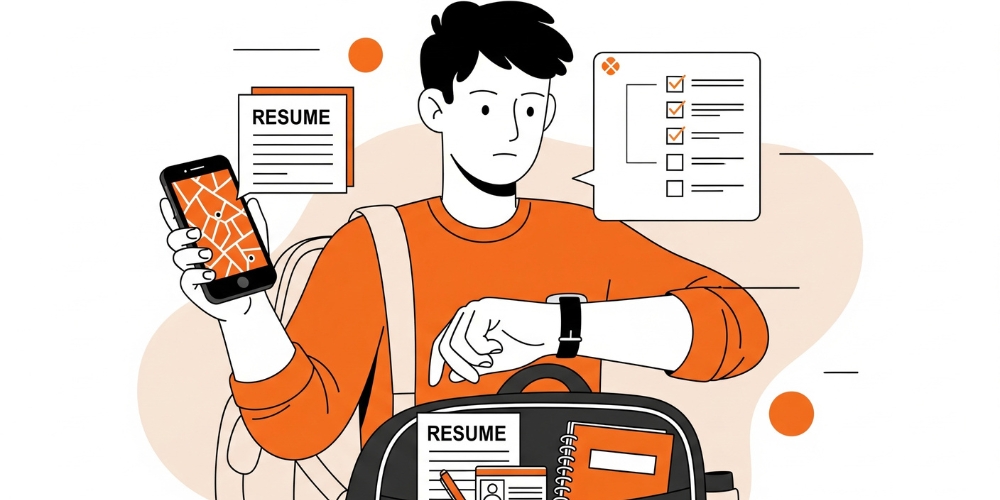
Four logistics checks worth doing the day before.
Confirm time, date, location, and interviewer names
For remote interviews, verify time zone and calendar settings. For in-person, confirm address and entry directions.
Plan your route
Map traffic and parking. Allow 30 minutes buffer.
Test your tech
Mic, camera, internet, software updates. Keep phone nearby as backup.
Pack smart
Bring: printed copies of resume, notebook, pen, prepared questions, portfolio if relevant, government ID for reception. For virtual: water, notes off-screen, charged laptop.
Strong logistics keep your mind on the conversation rather than on commute panic.
Follow Up After
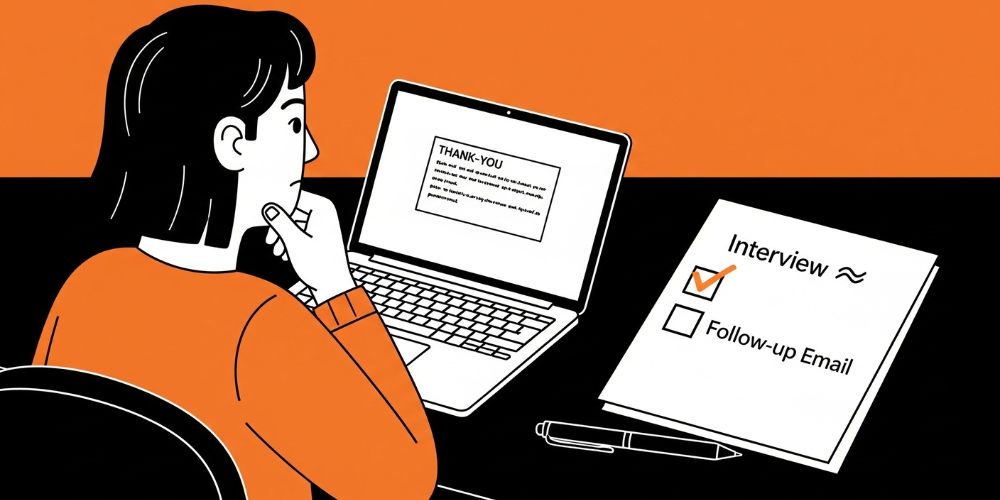
The thank-you email is one of the highest-leverage steps most candidates underuse.
Within 24 hours
Thank the interviewer for their time, reference a specific topic from the conversation, and reaffirm interest.
Personalise
Generic templates land as filler. A specific reference ("I particularly enjoyed our discussion of how the team handles cross-functional alignment") shows you were engaged.
Reaffirm value
A short statement reminding the interviewer of one specific contribution you'd bring is appropriate at the end. Don't pitch hard; just remind.
For final-round interviews, a personal note across each interviewer matters — they often debrief together, and remembering each person's contribution lands well.
The Bottom Line
Interview preparation rewards structure. The candidates who consistently advance aren't more naturally talented; they prepare in specific ways every time. Research the company, understand the format, practise out loud, plan your outfit, get logistics right, and follow up promptly. The compound effect across a job search is significant — and the same routine improves every interview going forward, not just the next one.
FAQs
How early should I prepare?
3–5 days is ideal for solid research and practice. For final-round interviews, more like a week — strategic prep takes time.
What's the most important step?
Researching the company specifically. Generic interview prep misses the role-fit conversation. Specific knowledge about the company and team transforms generic answers into compelling ones.
Should I bring printed copies of my resume?
Yes, for in-person interviews. Even if the interviewer has it, having extras signals preparation and creates space for natural reference.
How long should answers be?
60–90 seconds for most questions. Long enough to give context and a specific example; short enough to invite follow-up.
What's the highest-leverage single step?
Out-loud rehearsal of your "tell me about yourself" answer. It's almost always the first question, sets the tone for everything else, and is the answer most under-rehearsed by smart candidates who think they don't need to practise it.
Keep reading


